
From Obesity to Health: Dr. Manish Khaitan’s Expert Insights on Bariatric Surgery
A Deep Dive into the Causes, Consequences, and Solutions for Obesity with Dr. Manish Khaitan
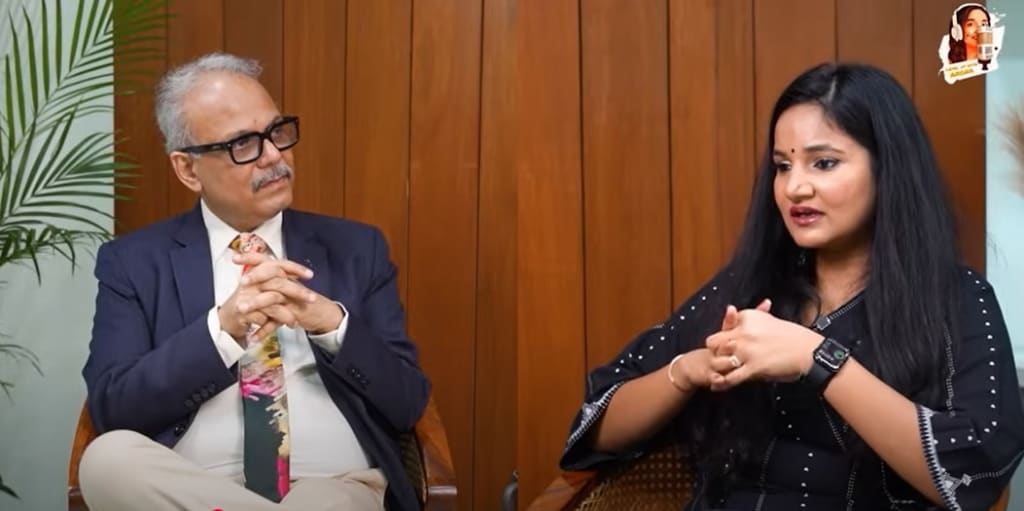
In a recent podcast conversation with YouTuber Anona, Dr. Manish Khaitan, a renowned bariatric surgeon and director at NObesity, offered valuable perspectives on the rising obesity epidemic and the role of medical interventions like bariatric surgery in promoting long-term health. The dialogue shed light on obesity as a chronic disease, explored its root causes, and emphasized a holistic approach to prevention and treatment.
Obesity: A Chronic Disease, Not Just a Lifestyle Issue
Dr. Khaitan began by emphasizing that obesity should be recognized as a chronic medical condition, not merely a result of personal habits. According to him, obesity typically begins when a person’s Body Mass Index (BMI) exceeds 25, with more severe health risks surfacing at BMIs over 30 or 35. He stressed that abdominal fat, in particular, is linked to serious conditions like diabetes, hypertension, and high cholesterol—all of which often require medical intervention.
Despite its prevalence, many still fail to seek help until complications arise. Dr. Khaitan encouraged early consultation and awareness, noting that timely lifestyle adjustments or medical solutions can help prevent the progression of obesity-related diseases.
Modern Lifestyles: A Catalyst for Obesity
The conversation highlighted how today’s lifestyles play a significant role in fueling obesity. Sedentary routines, increased screen time, and easy access to processed, high-calorie foods were discussed as major contributors. Anona noted how food delivery apps have made it effortless to order unhealthy meals, often late at night.
Dr. Khaitan explained how these habits disrupt natural metabolic processes. Irregular eating patterns and late-night meals interfere with the body’s ability to repair itself during sleep—a critical function for maintaining overall health. He emphasized the importance of aligning daily routines with natural circadian rhythms by eating earlier in the evening and ensuring adequate rest.
The Broader Impact: Economic and Social Costs
Obesity doesn’t just affect individual health—it also places a burden on society. Dr. Khaitan shared that nearly 70% of India’s urban population is overweight or obese, with rural areas quickly catching up. This growing issue reduces workplace productivity, strains healthcare resources, and limits access to certain professions due to fitness requirements.
He illustrated how untreated obesity can quietly impact families and communities, likening it to termites that slowly weaken structures from within. The message was clear: addressing obesity is not just a personal goal but a public responsibility.
Bariatric Surgery: A Supportive Tool for Severe Obesity
For individuals with a BMI over 35, where conventional lifestyle changes may fall short, bariatric surgery can offer a valuable and medically-supported path forward. Dr. Khaitan described these procedures as tools that support sustainable weight loss and improve metabolic health.
He emphasized that bariatric surgery is now more accessible in India, thanks to advancements in medical technology and a growing number of experienced professionals in the field. He also clarified that surgery is not a quick fix, but rather part of a broader strategy that includes dietary changes, physical activity, and follow-up care.
Preventing Obesity: A Collective Responsibility
The podcast also explored preventive measures to combat obesity at an early stage:
- Education in Schools: Dr. Khaitan advocated for introducing lessons on healthy eating habits and physical activity into school curriculums to instill awareness from a young age.
- Lifestyle Regulation: Structured routines involving balanced meals, regular physical activity, and sufficient sleep can significantly reduce obesity risks.
- Community Efforts: Society must promote healthier food options at events while discouraging food wastage.
- Government Policies: Initiatives like mandatory health cards linked to Aadhaar could help track BMI data nationwide and inform public health strategies.
- Parental Support: Families play a crucial role in shaping children’s habits by limiting junk food consumption to occasional treats.
The Role of Exercise in Weight Loss
While diet plays a dominant role in weight management, Dr. Khaitan clarified that exercise is essential for maintaining muscle mass and boosting metabolism. He dismissed myths suggesting that exercise has no role in weight loss treatment, explaining that physical activity complements dietary efforts effectively.
“Exercise doesn’t have to mean running marathons or intense gym sessions,” he said. “Simple activities like walking or climbing stairs can make a significant difference.”
Final Thoughts
Dr. Khaitan concluded with a powerful message: “Obesity is not just about losing weight; it’s about gaining health.”
This remark captures the essence of the conversation—a reminder that the goal is not simply aesthetic transformation, but a return to vitality, energy, and overall well-being. Reframing obesity as a complex, chronic disease opens the door to compassion, understanding, and more effective treatment pathways.
Through increased awareness and the application of evidence-based interventions—whether through mindful lifestyle changes, community support, or appropriate medical care—individuals can make empowered decisions that improve their long-term health outcomes. The emphasis on prevention, education, and early action further underscores the importance of addressing the issue before more serious complications arise.
This podcast served as both a reality check and a message of hope. For those struggling with obesity or witnessing its effects within their communities, it offers clarity and direction. By seeking support, embracing healthier habits, and recognizing the signs early, individuals can navigate their path forward with confidence.
As public health professionals, families, educators, and policymakers come together to address this issue holistically, the possibility of a healthier future becomes not only imaginable—but achievable.
About the Creator
Manish Khaitan
Dr. Manish Khaitan is one of the stalwart Bariatric and Metabolic surgeons in India. He is the Director of NObesity Bariatric and Metabolic Surgery Center at KD Hospital, Ahmedabad.
Enjoyed the story? Support the Creator.
Subscribe for free to receive all their stories in your feed.
Comments
There are no comments for this story
Be the first to respond and start the conversation.