
Flavors Without Borders: Understanding the Global Evolution of Halal Food Culture
Food is more than mere sustenance; it is a universal language, a reflection of heritage, and a powerful bridge between communities.

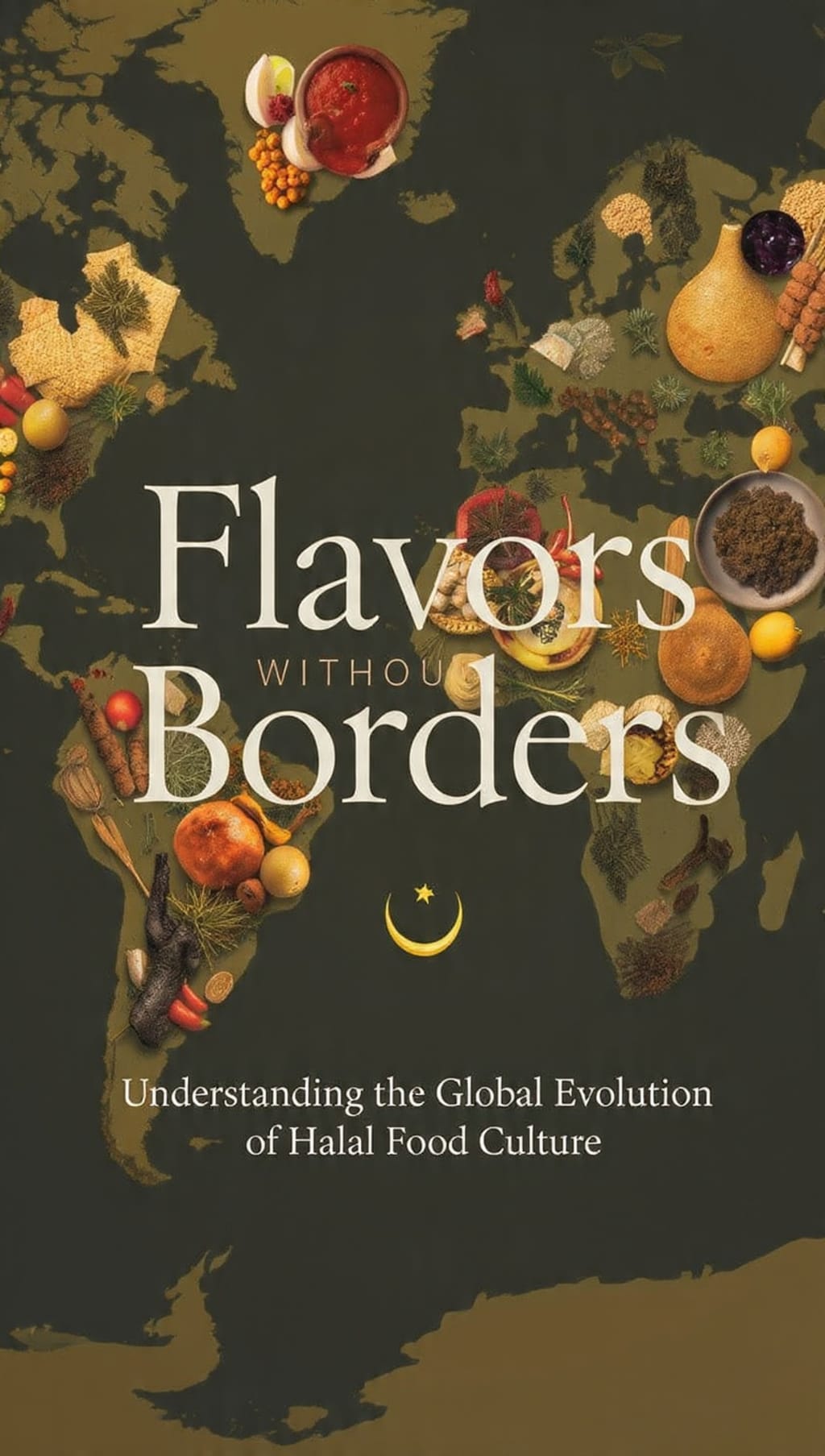
In recent years, one of the most dynamic shifts in the global culinary landscape has been the rapid evolution of halal food culture.
What was once understood primarily as a specific dietary law observed by Muslims has transformed into a multi-billion-dollar global phenomenon.
Today, halal food culture represents a brilliant intersection of deep-rooted tradition, diverse regional cuisines, and a modern, conscious lifestyle that appeals to food lovers worldwide.
Understanding the Core: Tradition and Ethics
At its heart, the word halal is an Arabic term meaning "permissible" or "lawful."
In the context of food, it dictates guidelines derived from Islamic texts regarding how animals are raised, slaughtered, and prepared, alongside the strict prohibition of alcohol and pork byproducts.
However, modern halal food culture goes far beyond a checklist of forbidden ingredients.
It is increasingly intertwined with the concept of tayyib, an Arabic word meaning "pure," "wholesome," and "excellent." This means contemporary halal dining places a heavy emphasis on:
Animal Welfare: Ensuring livestock is raised humanely and treated with respect throughout its life.
Hygiene and Purity: Maintaining impeccable standards of cleanliness in preparation spaces, from farm to fork.
Conscious Sourcing: Prioritizing organic, sustainably sourced, and ethically processed ingredients that honor the environment.
Because of this alignment with clean, ethical eating, the culture has expanded outside its traditional demographic, attracting health-conscious consumers who view the halal label as a trusted stamp of quality and safety.
The Global Fusion: Breaking Regional Boundaries
One of the most exciting aspects of modern halal food culture is how it adapts to and absorbs local culinary traditions.
Historically, halal food in Western countries was often associated narrowly with Middle Eastern or South Asian cuisines—think kebabs, biryani, or falafel. While these traditional dishes remain beloved staples, the contemporary scene is defined by breathtaking diversity.
In hubs like London, New York, and Sydney, culinary entrepreneurs are reimagining classic local comfort foods through a halal lens.
Foodies can now experience gourmet halal burger joints, authentic Korean fried chicken, artisan Italian pizzerias, and high-end French fine dining.
Even in East Asia, the transformation is tangible. Cities like Tokyo have seen a massive rise in halal-certified ramen shops utilizing rich, slow-simmered chicken or seafood broths instead of traditional pork bone bases, alongside premium halal Wagyu beef experiences.
This adaptability proves that adhering to dietary guidelines doesn't mean sacrificing culinary exploration; rather, it sparks incredible kitchen innovation.
The Community Hub: More Than Just a Meal
In any culture, eating is a social act, and halal food culture excels at fostering community. Halal restaurants, night markets, and food festivals serve as vibrant gathering spaces.
They are places where families celebrate milestones, friends catch up over late-night street food, and individuals from entirely different backgrounds break bread together.
Neighborhoods known for their rich halal offerings often become cultural destinations in their own right.
For instance, food markets in diverse cities attract thousands of visitors weekly, drawing in crowds with the aroma of charcoal-grilled meats, fresh roti, and aromatic spices.
These spaces break down cultural barriers, allowing food to serve as an accessible introduction to Islamic hospitality and diverse global traditions.
The Future of Halal Dining
As we look toward the future, technology and changing consumer habits continue to reshape the landscape.
The rise of dedicated halal food delivery apps, digital certification tracking, and influencer-led food blogging has made discovering new dining spaces easier than ever before.
Furthermore, the culture is adapting rapidly to modern dietary trends, witnessing a massive surge in vegan and vegetarian halal options, gluten-free accommodations, and eco-friendly packaging.
Ultimately, modern halal food culture is a testament to the beauty of inclusivity. It honors centuries-old traditions while embracing the creativity of the modern culinary world.
By focusing on quality, community, and incredible flavor, it has firmly established itself not as a restrictive niche, but as a vibrant, essential, and delicious piece of our shared global heritage.
About the Creator
Juliana Ericson Tan
Blogger and internet geek. Ten years in Japan. Came from Singapore, stayed for reasons I'm still trying to explain to my family. I write about life in Japan the way it actually feels — not the cherry blossom version
Enjoyed the story? Support the Creator.
Subscribe for free to receive all their stories in your feed.
Comments
There are no comments for this story
Be the first to respond and start the conversation.