
External Linking: Best Practices for On-Page SEO Success
External links are often overlooked in SEO and they shouldn't be. Here are best practices to start using external links for on-page SEO success.

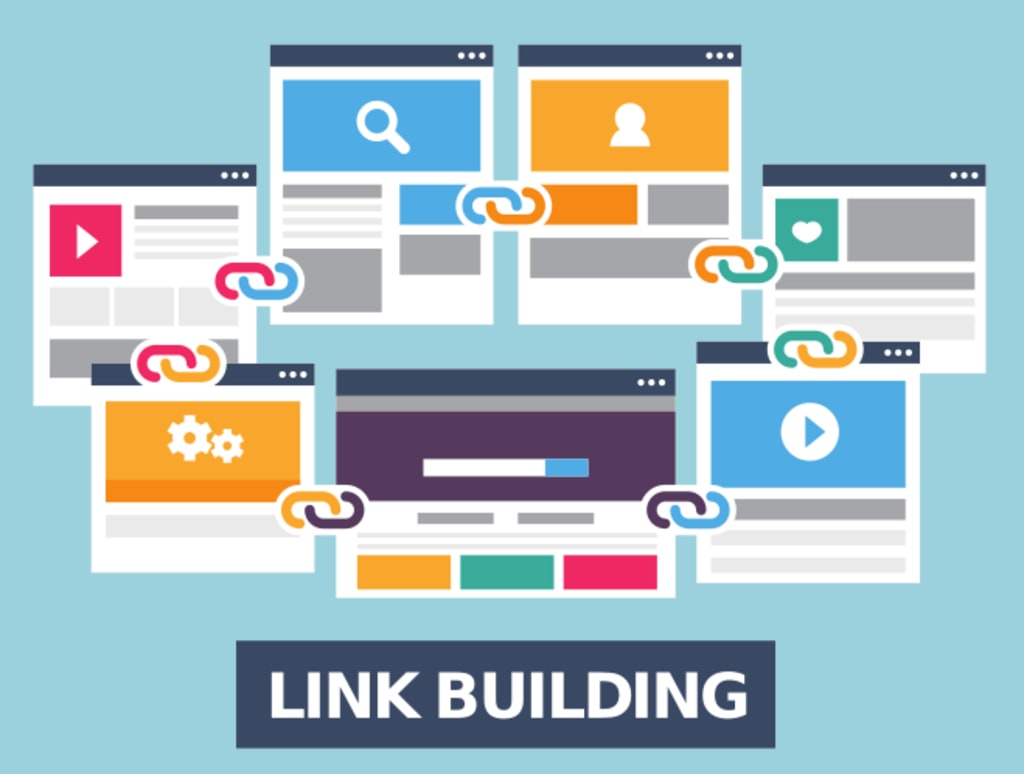
When it comes to on-page search engine optimisation or SEO, the focus often lies on internal linking.
If not internal links, the attention tends to shift toward backlinks, which are off-page SEO links a website earns from other websites.
Meanwhile, external linking—linking to other websites from your own—gets overlooked, and sometimes even dismissed as inessential.
But external links, when used correctly, can significantly enhance your site's credibility and even visibility in search engine results pages.
Let’s explore what external links are, their impact on SEO, and best practices for leveraging them in your content marketing efforts.
What Are External Links?
External links, also known as outbound links, are hyperlinks that point from one website to another.
Unlike internal links that connect different pages within the same site, external link building direct users to content on other domains.
For example, if you’re writing a blog post about the benefits of moringa oleifera, and link to a study published on a government or medical website, that’s an external link.
Case in point:
In this example, the link is going to a page in The National Center for Biotechnology Information, an official U.S. government website.
Such links serve multiple beneficial purposes. They can provide your readers with additional resources, for one; offer credit to original sources, and help search engines understand the context and relevancy of your content.
Are External Links Good for SEO?
Yes, external links are advantageous for SEO when utilised appropriately. Here’s why:
Credibility and Trust
Linking to authoritative, high-quality sources can be a huge plus to your site's credibility. Referencing reputable websites shows your content is well-researched and trustworthy, which can improve your authoritativeness for both your readers and search engines.
Content Relevance
External links help search engine bots understand the context of your content. Linking to related articles or resources helps to provide additional context that can help search engines determine what your page is about.
User Experience
External links can improve user experience by directing readers to valuable information.
If your content addresses a topic in a general sense, linking to detailed studies, expert opinions, or further readings can provide them with a more comprehensive understanding and knowledge.
Also, linking to these authoritative sources can erase doubts from your readers who may be questioning your topical authority.
With an external link pointing to a reliable website, you’re basically saying, ‘hey, I have my sources, and they are legitimate.’
SEO Signals
Google and other search engines consider external links as a positive signal. Outbound links to quality sites suggest that your content is part of a well-connected web.
This will potentially enhance your site's perceived authority and, by extension, your search engine ranking.
External Linking Best Practices
External linking only works if you follow best practices to ensure your links contribute positively to your SEO efforts. These are as follows.
Link to High-Quality, Relevant Sites
Only link to reputable websites that are relevant to your content.
Ensure that the site you link to has a high domain authority score and provides valuable information. Externally linking to low-quality, unreliable, and unrelated sites can harm your credibility.
Use Descriptive Anchor Text
The anchor text—the clickable text of the link—should be descriptive and relevant to the linked content.
Avoid generic phrases like “click here.” Instead, use relevant keywords that indicate what the linked page is about.
For example, use ‘proven benefits of moringa oil’ as the anchor text rather than a plain “read more.”
Limit the Number of External Links
While external links are useful, too many can be distracting and dilute the value of your content.
Aim for a balance by including a few well-placed, high-quality external links that enhance your article without overwhelming the reader. A minimum of two external links would suffice for a 1,000-word piece.
Open Links in a New Tab
To enhance user experience, set external links to open in a new tab. This way, readers can explore additional resources without navigating away from your site entirely.
After all, they clicked on your site first to learn about a topic, product, or service. Clicking on an external link on your site and losing your page as a result might make them frustrated, as they may not intend to veer away from your site when they click on a hyperlink.
Regularly Check Links
External links can break over time if the linked pages are moved or deleted.
It’s good to check and update your external links every once in a while to make sure they are still functional and lead to relevant, high-quality content.
Attribute your Sources
When using external links to reference data, quotes, or studies, provide clear attribution to the original source. Aside from building trust with your audience, this practice also rightfully respects the intellectual property of other content creators.
About the Creator
Domain Bird
Domain Bird is a trusted digital marketing agency based in Sydney, Australia, dedicated to empowering businesses with targeted and impactful online strategies.
Enjoyed the story? Support the Creator.
Subscribe for free to receive all their stories in your feed.
Comments
There are no comments for this story
Be the first to respond and start the conversation.