
Exploring Cutting-Edge Software Solutions- The Future of Business
Explore the Cutting-Edge Software Innovations Revolutionizing Business Operations: From AI to Quantum Computing and Beyond.

As businesses hurtle toward an increasingly digital future, the software landscape is evolving at a breakneck pace. What once seemed like the stuff of science fiction is now at our fingertips, transforming how companies operate, make decisions, and engage with customers. This article dives into some of the most groundbreaking software innovations that are redefining the business world. From artificial intelligence to blockchain, these technologies are paving the way for a new era of efficiency, transparency, and innovation.
1. Artificial Intelligence (AI) and Machine Learning (ML)

Artificial Intelligence and Machine Learning have moved from buzzwords to business essentials. Companies are leveraging AI-powered software to automate routine tasks, analyze vast amounts of data, and make informed decisions at unprecedented speeds. Here are some ways AI and ML are revolutionizing business:
Predictive Analytics: By analyzing historical data, AI software can forecast trends, enabling businesses to anticipate market shifts and adjust their strategies accordingly. This is particularly useful in industries like retail, finance, and logistics, where predicting consumer behavior can lead to a significant competitive edge.
Customer Relationship Management (CRM): AI-driven CRMs like MetrisERP Einstein are enhancing customer interactions by providing insights into customer preferences, automating follow-ups, and even suggesting the best times to contact leads. This not only improves customer satisfaction but also boosts sales efficiency.
Automation: Robotic Process Automation (RPA) software is streamlining repetitive tasks like data entry, invoice processing, and even HR functions. This allows human employees to focus on more complex and creative tasks, ultimately driving innovation and growth.
2. Blockchain Technology

Originally developed as the underlying technology for cryptocurrencies like Bitcoin, blockchain is now making waves in various industries, particularly in business operations. Its potential to enhance transparency, security, and efficiency is driving adoption across the board.
Supply Chain Management: Blockchain software is being used to create tamper-proof records of transactions throughout the supply chain. Companies like Walmart and IBM are using blockchain to trace the origin of products, ensuring authenticity and reducing the risk of fraud.
Smart Contracts: These self-executing contracts with the terms of the agreement directly written into code are transforming how businesses manage agreements. Smart contracts reduce the need for intermediaries, speeding up transactions and lowering costs.
Financial Services: Blockchain is revolutionizing the financial industry by enabling faster, more secure transactions. Software platforms like Ripple are facilitating real-time cross-border payments, making international business more seamless.
3. Cloud Computing and SaaS

Cloud computing has become the backbone of modern business operations, allowing companies to store and access data from anywhere in the world. Software as a Service (SaaS) is at the forefront of this shift, providing businesses with flexible, scalable, and cost-effective solutions.
Collaboration Tools: Platforms like Microsoft 365 and Google Workspace have become essential for remote teams, offering cloud-based solutions for document sharing, video conferencing, and project management. These tools are vital in today's globalized business environment, where teams are often spread across multiple time zones.
Enterprise Resource Planning (ERP): SaaS-based ERP solutions like Oracle NetSuite are enabling businesses to manage their operations from a single platform. These systems integrate functions such as accounting, inventory management, and human resources, providing a holistic view of the business and facilitating data-driven decision-making.
Cybersecurity: With the rise of cloud computing, cybersecurity has become a top priority. Advanced cloud security solutions are protecting businesses from threats like data breaches and cyberattacks, ensuring that sensitive information remains secure.
4. Augmented Reality (AR) and Virtual Reality (VR)
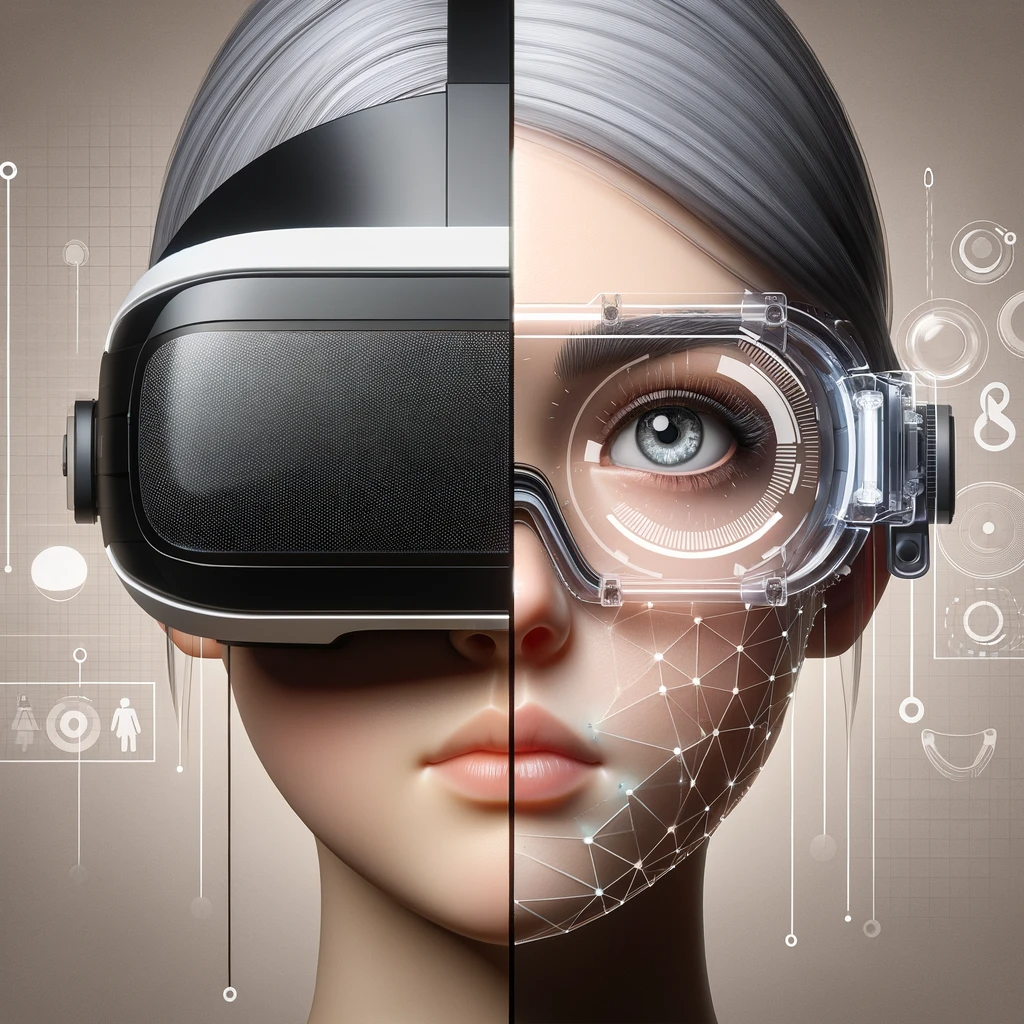
AR and VR are no longer confined to gaming; they're becoming powerful tools for businesses across various sectors. These technologies are enhancing customer experiences, improving training programs, and even streamlining design processes.
Retail and E-commerce: AR is transforming the shopping experience by allowing customers to visualize products in their own space before making a purchase. For example, furniture retailers like IKEA are using AR apps to let customers see how a piece of furniture would look in their home.
Employee Training: VR is being used to create immersive training programs that simulate real-world scenarios. This is particularly valuable in industries like healthcare, aviation, and manufacturing, where hands-on experience is crucial.
Product Design: Companies are using VR to create virtual prototypes, allowing designers to visualize and test products in a 3D space. This not only speeds up the design process but also reduces the cost of physical prototypes.
5. Quantum Computing

While still in its infancy, quantum computing promises to revolutionize industries that require complex problem-solving and data analysis. Unlike traditional computers, which use bits to process information, quantum computers use quantum bits (qubits), allowing them to perform calculations at speeds unimaginable with current technology.
Optimization Problems: Quantum computing is poised to solve complex optimization problems that are currently beyond the reach of classical computers. This could transform industries like logistics, finance, and pharmaceuticals, where optimization is key to success.
Cryptography: Quantum computers have the potential to break current encryption methods, prompting the development of quantum-resistant cryptography. This is crucial for businesses that rely on secure communications and data protection.
Drug Discovery: In the pharmaceutical industry, quantum computing could accelerate drug discovery by simulating molecular interactions at an unprecedented scale. This could lead to the development of new treatments and therapies at a fraction of the current time and cost.
6. Robotics and Automation
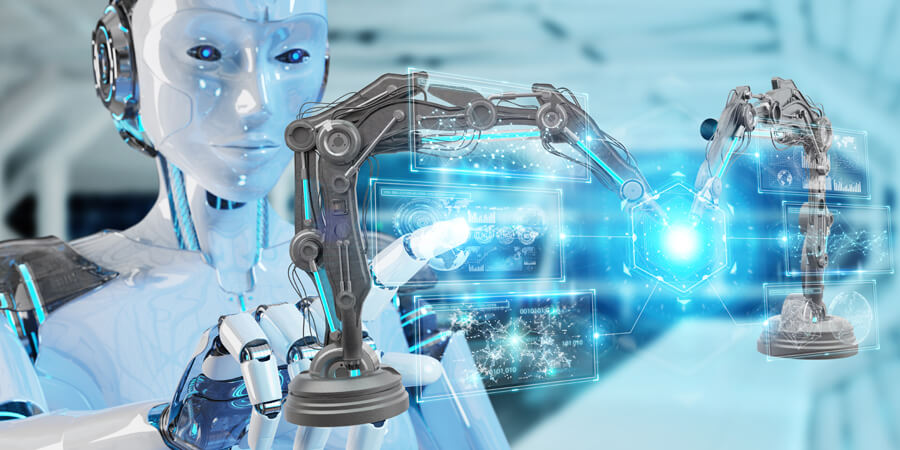
Robotics and automation are not just about replacing human labor; they're about enhancing it. Businesses are increasingly adopting robotic solutions to improve efficiency, safety, and precision in their operations.
Manufacturing: Robots are revolutionizing manufacturing by performing tasks with greater accuracy and consistency than humans. Advanced robotics are being used for everything from assembly line production to quality control, reducing errors and increasing productivity.
Warehouse Automation: Companies like Amazon are using automated robots to streamline warehouse operations, reducing the time it takes to pick, pack, and ship products. This is especially critical in the e-commerce sector, where speed and accuracy are key to customer satisfaction.
Service Industry: In the hospitality and healthcare industries, robots are being used to perform tasks like delivering room service or assisting in surgeries. This not only improves efficiency but also enhances the customer and patient experience.
Summary
The future of business software is exciting and full of potential. As these cutting-edge technologies continue to evolve, they will undoubtedly reshape how companies operate, compete, and grow. Embracing these innovations isn't just about staying ahead of the curve—it's about ensuring that businesses are equipped to thrive in a rapidly changing world. Whether it's through AI, blockchain, or quantum computing, the software of the future promises to unlock new levels of efficiency, creativity, and success.
About the Creator
Enjoyed the story? Support the Creator.
Subscribe for free to receive all their stories in your feed.
Comments
There are no comments for this story
Be the first to respond and start the conversation.