
Everest Base Camp Trek Difficulty
The honest breakdown
Every week, someone asks the same question. I want to go to Everest Base Camp, but is it too hard for me?
It is the right question to ask, and it deserves a straight answer, not a sales pitch, not false reassurance, and not needless fear either.
So here it is. A truthful account of how hard the Everest Base Camp trek actually is.
What Kind of Trek Is This, Really?
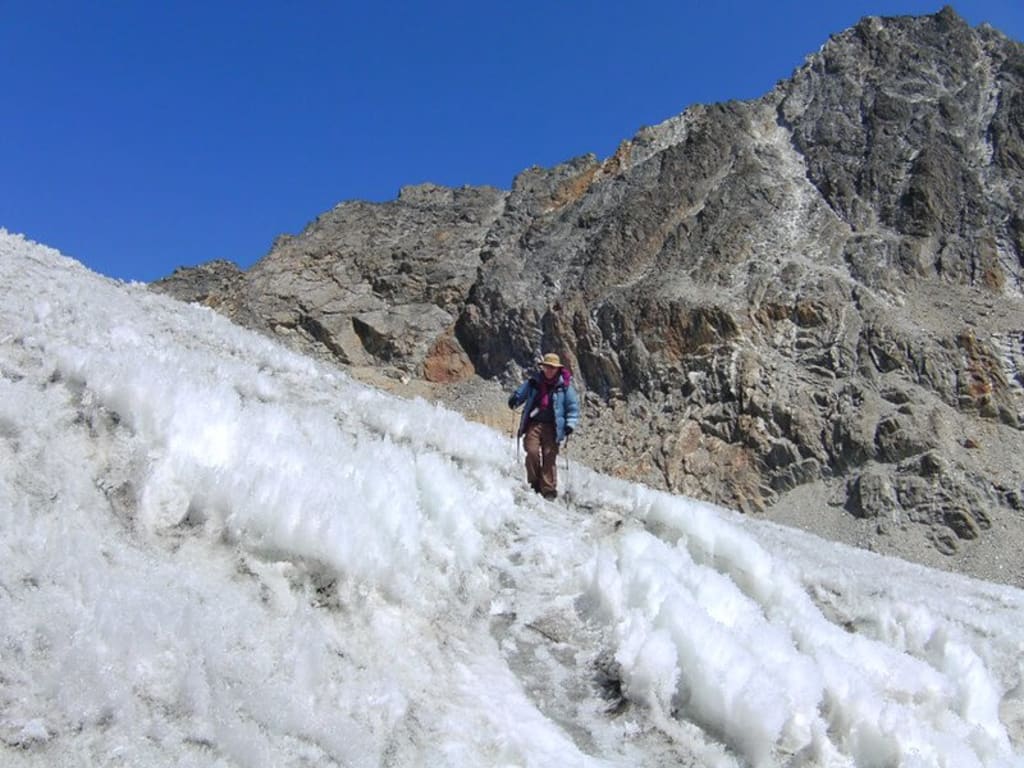
This is not a mountaineering expedition. It is a trek to Everest Base Camp, and that distinction matters more than people expect. There are no ropes, no crampons, no glacier crossings, and no technical climbing of any sort on the standard route.
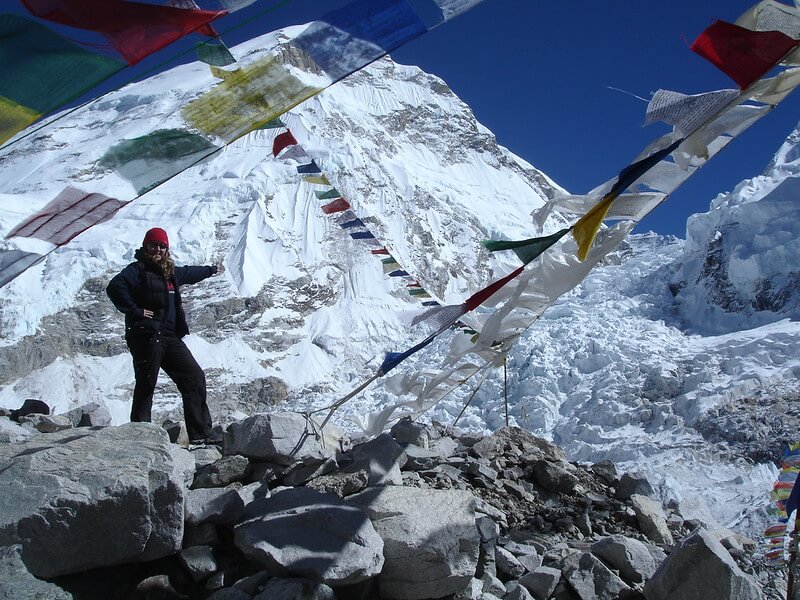
It is a long distance walking trail through the Khumbu region of Nepal, probably the most famous trekking route on earth, finishing at the foot of the tallest mountain in the world.
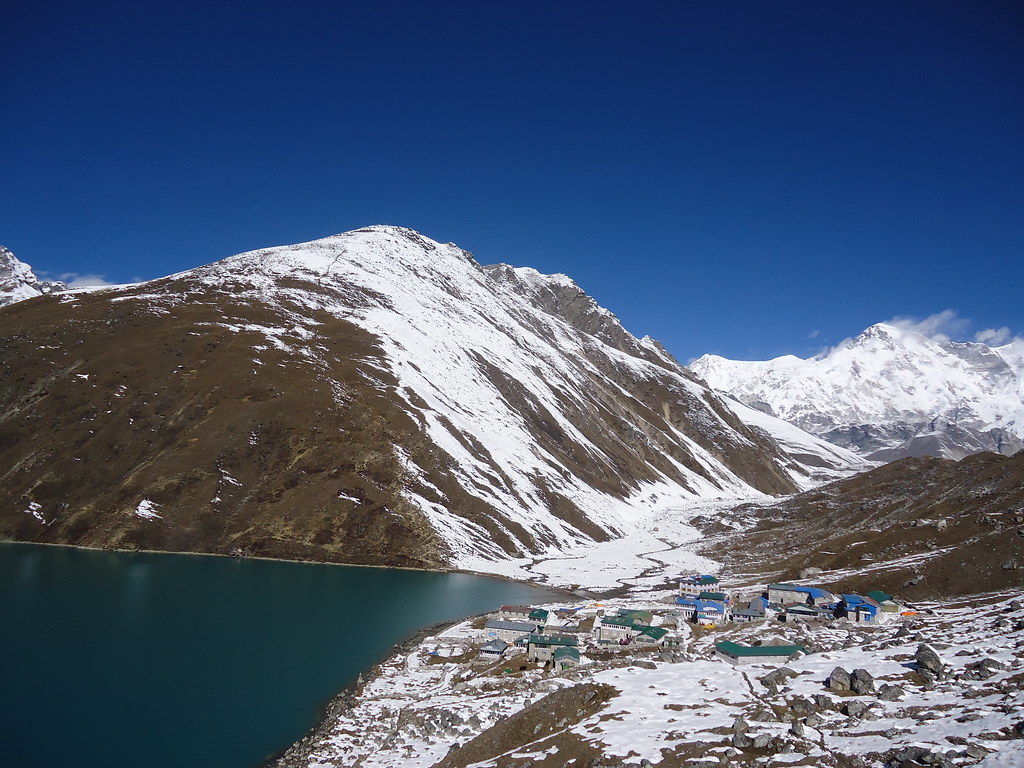
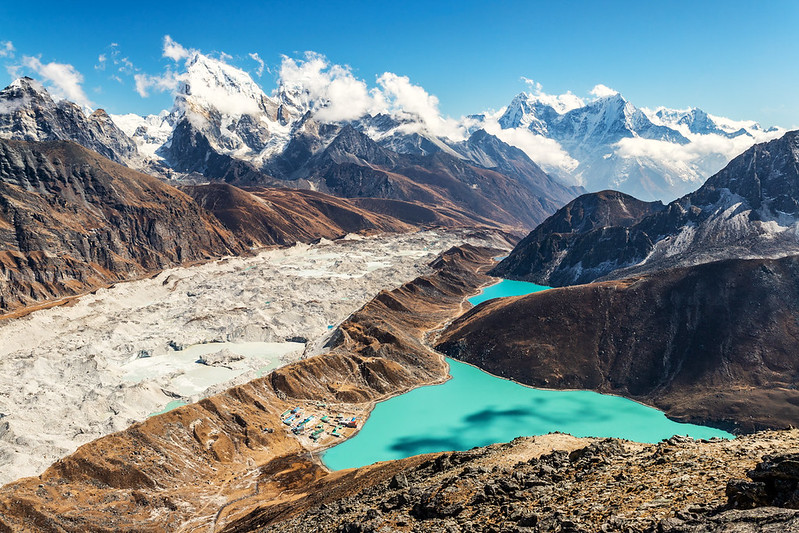
A few numbers worth knowing before you go any further. The round trip distance is about 130 kilometers. The whole trek usually takes 12 to 14 days. The highest point you sleep at is Gorak Shep, sitting at 5,164 meters. The highest point you actually reach is Kala Patthar, at 5,550 meters. The trek begins in Lukla, at 2,860 meters, reached by a short flight from Kathmandu.
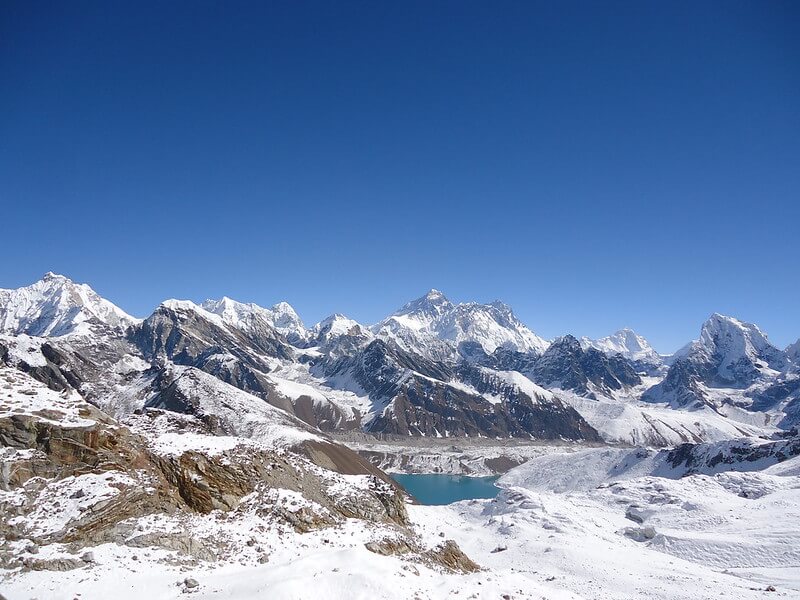
To put 5,550 meters into perspective, that is higher than any mountain in Europe, higher than anything in the lower 48 states of America, and higher than anything in North America besides Denali in Alaska. And you walk there. In under two weeks. On a path, not a climbing route.
The Real Challenge Is Altitude
Ask any experienced guide in the Himalaya what actually makes this trek hard, and you will hear the same answer every time. It is the height, not the distance.
Above 3,000 meters the air thins out quickly. By the time you reach Base Camp at 5,364 meters, each breath gives you roughly half the oxygen you would get at sea level. Your heart works harder. Simple tasks become noticeably more tiring. You find yourself out of breath sooner than the actual physical effort would suggest.
Acute Mountain Sickness affects somewhere around half of all trekkers on this route at some point during their trip. The symptoms usually include a persistent headache, tiredness beyond what the day's walking would explain, nausea or a sudden loss of appetite, poor sleep even when you feel exhausted, and dizziness or lightheadedness.
None of this is unusual or dangerous on its own. It is part of how your body adjusts to thinner air, and in most cases it passes once you give it time.
The rule every experienced high altitude trekker follows is simple. Climb high, sleep low. Above 3,000 meters, your sleeping altitude should not increase by more than 300 to 500 meters a day.
This is exactly why the standard itinerary includes rest days at Namche Bazaar, at 3,440 meters, and at Dingboche, at 4,410 meters. These are not optional extras built in to pad the schedule. They are there because your body genuinely needs that time, no matter how fit or experienced you are.
The Cold Catches People Off Guard
The second thing that surprises almost everyone on this trek is just how cold it gets.
During peak season, October and November, daytime temperatures around Base Camp typically sit between minus 5 and minus 10 degrees Celsius, while nights can drop to minus 15 or colder. Wind is constant on the higher sections of the trail, especially between Lobuche and Gorak Shep.
Cold feels different at altitude. Breathing alone takes more effort, and once you add wind and falling temperatures on top of that, fatigue sets in faster than most people expect.
The Hardest Sections on the Trail
Most of the trek is steady, manageable walking. A few sections, though, tend to challenge nearly everyone.
The climb up to Namche Bazaar on day two is long and steep, and the first real taste of altitude makes it feel harder than its distance alone would suggest.
The stretch from Lobuche to Gorak Shep is rocky, exposed, cold, and at extreme altitude all at once, which makes it one of the more demanding days for almost every trekker.
Then there is the walk up to Kala Patthar before sunrise. You leave Gorak Shep in complete darkness, usually around four or five in the morning, climbing by flashlight for close to an hour at over 5,000 meters.
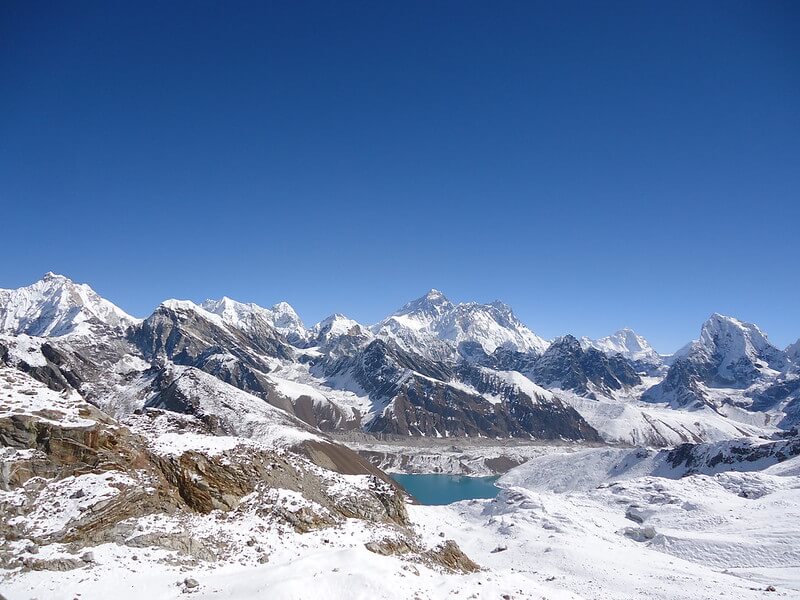
And then the sun comes up. Gold light spreads across Everest's southwest face, with Lhotse and Nuptse glowing on either side. Almost everyone who has stood there at that moment says the same thing afterward. It was worth every step.
Who Can Actually Do This
Age has surprisingly little to do with it.
Guides in the region have walked trekkers ranging from teenagers to people well into their seventies up to Base Camp. There are plenty of stories of someone in their sixties moving more steadily than someone in their twenties, simply because altitude does not care about your speed or your age.
Fitness helps you feel more comfortable on the trail, but it does very little to protect you from Acute Mountain Sickness specifically. A trained runner and an average walker tend to take roughly the same amount of time to adjust to altitude above 4,000 meters.
Three honest questions tend to predict who manages well on this trek. Can you walk five to eight hours a day over rough, rocky ground? Can you listen to your body instead of your pride? And are you willing to slow down or turn back if your guide or your own body tells you to?
If the answer to all three is yes, you are genuinely well suited to this trek.
How to Actually Prepare
You do not need to be an athlete, but two to three months of deliberate preparation changes the experience considerably.
In the first month, build a base of regular cardio, things like hiking, cycling, swimming, or jogging four to five times a week, and start adding some weight to your pack during walks.
In the second month, increase the load. Aim for longer hikes, five to seven hours, twice a week, carrying ten to twelve kilograms. Stairs and slopes are more useful here than flat running, since they mimic the actual demands of the trail far better.
In the final two weeks before you leave, ease off rather than push harder. You want to arrive in Kathmandu rested, not depleted from last minute training.
It is also worth talking to your doctor beforehand about Diamox, a medication some trekkers use to help with altitude adjustment. It is not a replacement for proper acclimatization, but it is a conversation worth having with a physician who knows your health history.
Who Should Think Twice
This trek is genuinely not suitable for everyone. Significant heart or lung conditions become more serious at altitude, and anyone with those concerns should speak to a doctor first.
It is also not the right trek for anyone unwilling to descend if symptoms worsen. Altitude sickness is manageable as long as you respect it. Ignore it, and the mountain will make the decision for you.
And while the trail itself is well marked, going without a guide removes a layer of safety that matters more than people expect. A good guide is watching for warning signs in you before you fully notice them yourself, and knows when to hold a group back rather than push on.
The Honest Conclusion
The Everest Base Camp trek is genuinely difficult. Anyone telling you otherwise is not being honest with you.
It is also one of the most achievable major adventures on the planet. Every year, ordinary people, accountants, teachers, parents, retirees, walk to the base of the tallest mountain on earth and come home with something they carry with them for the rest of their lives.
Altitude is the real obstacle. Respect it, give your body time to adjust, train sensibly beforehand, and go with people who know the route well. Do that, and this trek becomes one of the most rewarding things you will ever do.
About the Creator
Enjoyed the story? Support the Creator.
Subscribe for free to receive all their stories in your feed.
Comments
There are no comments for this story
Be the first to respond and start the conversation.