
CREW Magazine Explores Why Skilled Trades Are Becoming the Smartest Career Choice
why skilled trade careers are growing faster than traditional jobs

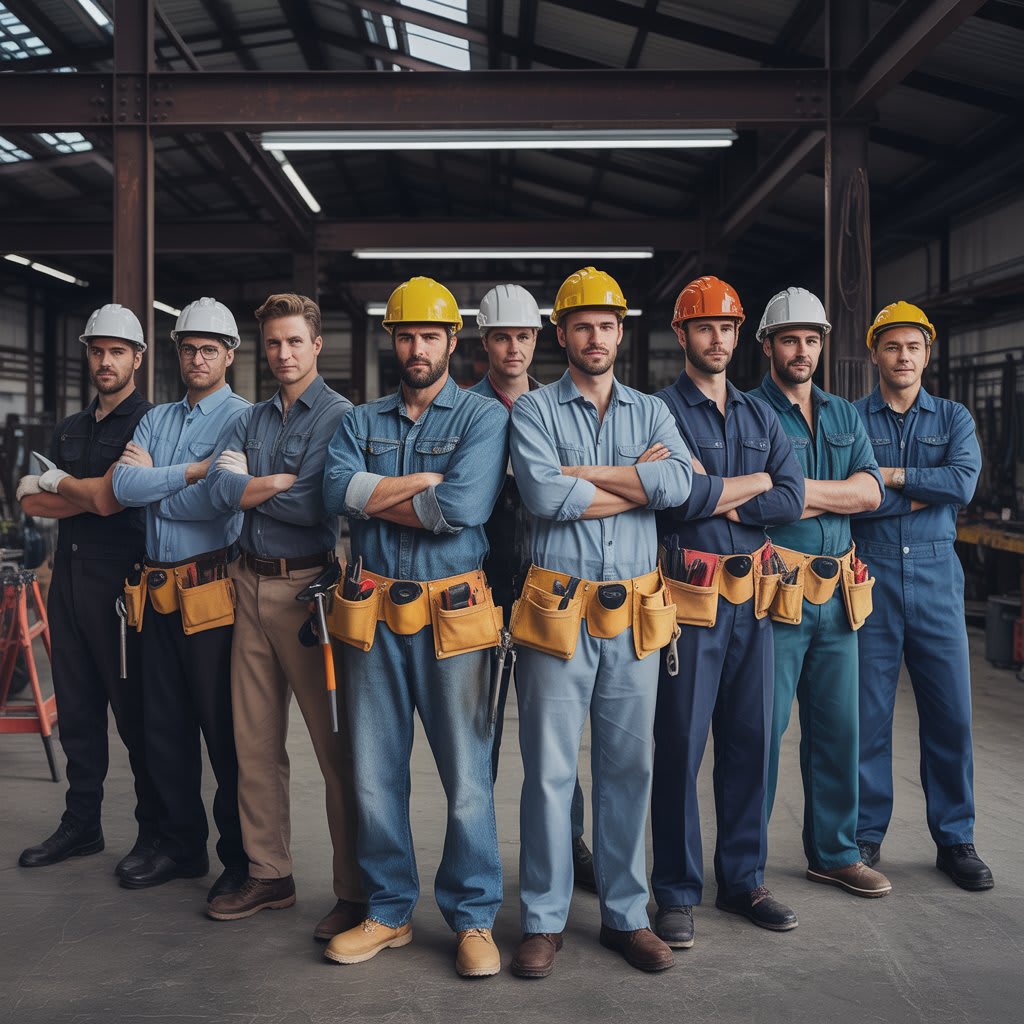
Skilled trades have always been the backbone of the working world. Electricians wire our homes, plumbers fix our water systems, welders build the structures we live and work in, and HVAC technicians keep our buildings comfortable year-round. These are not easy jobs — they take real training, real skill, and real commitment. For years, though, trade careers were pushed aside while four-year college degrees got all the attention. That conversation is finally shifting. CREW Magazine covers the skilled trades industry from the inside bringing workers the news, stories, and career information that actually speaks to their lives.
What Is CREW Magazine?
Trade workers are needed now more than ever, and the shortage of qualified people to fill these roles is a real and growing problem across the country. According to the U.S. Bureau of Labor Statistics, construction and extraction jobs alone are projected to see strong growth over the coming decade. The reasons behind this demand are practical and straightforward:
Aging legacy workers: They are in their 50s, 60s or 70s and are “aging legacy workers” — the folks who have the necessary on-the-job skills and experience to stay on the job for another couple of years. But these valuable skilled workers are retiring or will leave jobs if new talent doesn’t show up in the next few years. In industries having a critical talent shortage, that absence looms larger and larger.
Getting a Job-Ready Career Path: That’s why industry, government and education officials nationwide are joining forces to get America’s young people on a job
From power plants to pools, senior citizens to skyscrapers, from roads to runways, skilled trades workers are never more in demand than today.
Clean energy is booming — Finding skilled electricians and installers is no easy task, and the need is growing as solar and wind programs continue to expand, charging stations proliferate, and batteries are more frequently used to store surplus power
Industries are looking for skilled, local labor — The interrelated shortages and supply chain challenges caused by the COVID pandemic led many industries to rethink their sourcing models. Local, qualified tradespeople provide something that outsourced labor cannot: reliability and accountability within close reach
The numbers tell a clear story. There is more work available in the trades than there are qualified people to do it.
Financial Benefits of Trade Careers
A college degree is not the only way to build a financially stable life. Trade careers offer strong financial footing without the years of tuition and debt that come with a university education. Some of the most practical financial advantages include:
- Career advancement by the paycheck. As tradespeople take on more challenging project work, certifications and earn a reputation, their compensation doesn’t plateau like other professions. As their skills advance, so does the opportunity for better and better pay
- Income from steady employment. The demand for maintenance, repair, and construction is relatively consistent across the corporate economic cycle, which means that skilled workers usually stay in employment.
- Running your own business. Building on your experiences as a skilled worker, you could consider self-employment or starting your own business, giving you more control of your schedule, rates and clients.
- Overtime is common — Urgent repairs, project deadlines, and seasonal demand often translate into overtime hours, which add meaningfully to a tradesperson's annual income.
- A Debt-Free Adult Life – It is most likely to have the debt-free life because apprenticeships are cheaper, are managed by employers and union and are limited in cost as compared to college.
Education vs. Apprenticeship Pathways
There is more than one road into a stable career, and the apprenticeship path deserves far more attention than it typically gets. Here is how the two options stack up honestly:
College (4-year degree):
- Requires four or more years before entering the workforce
- Comes with significant tuition costs and often substantial loan debt
- Job placement after graduation is not guaranteed
- Coursework is often broad and theoretical, with limited hands-on experience
Trade Apprenticeship:
- Programs typically run between one and five years depending on the trade
- Low cost or no cost in many cases, with income earned throughout
- Graduates enter a field with active job openings and employer demand
- Training is entirely practical, conducted on real job sites under experienced supervision
- For people who want to get to work quickly, stay out of debt, and build skills that translate directly into employment, the apprenticeship route is worth taking seriously.
How CREW Magazine Highlights Trade Culture
Culture influences all industries, but it is particularly relevant in the skilled trades. For much of our history, the skilled trades were seen in a less than positive light, as jobs you were trying to avoid rather than as a career you were actively choosing. This perception has done real harm. It has discouraged skilled workers from entering the trades and undervalued and dismissed their hard-earned expertise.
Magazine pushes back against that by treating trade work with the seriousness it deserves. The publication gives workers a place where their profession is covered with knowledge and respect, not condescension.
Topics regularly covered include:
- Career development for workers at every stage, from new apprentices to seasoned professionals
- Workplace safety guidance drawn from real industry practices
- Industry news covering changes, regulations, and trends that affect daily work
- Worker stories that put real people and their experience at the center
- Trade events and competitions that bring the professional community together
When workers see their field represented honestly and taken seriously, it strengthens the culture around the trades and makes the industry more attractive to the next generation coming up.
The Impact of AI and Technology on Skilled Trades
It’s easy to see how technology is scary. It threatens our jobs. A very different story unfolds in the skilled trades, though. Figuring out how to build things is tricky, especially when it comes to constructing and renovating real estate. Physical, hands-on work is hard for robots to execute, especially in the unplanned and unpredictable jobsite and existing building environments.
More accurate diagnostics — Electricians and HVAC technicians can now diagnose issues more quickly and easily, thanks to the smart home.
Drones allow for inspections of hard-to-reach areas — Drones are increasingly being used for inspections of rooftops, construction sites, and industrial facilities to improve safety and productivity.
High-tech tools rely on high-tech humans — The talented operators still required to operate, calibrate and maintain the cutting-edge equipment.
In America, more than 1.4 million workers have jobs in markets like solar, wind and electric vehicles, creating entirely new trade careers that did not exist a generation ago.
Why Gen Z Is Choosing Trade Careers
People born between 1997 and 2012 came of age watching the consequences of student debt, unstable job markets, and careers that did not deliver on their promises. Many of them are making deliberately different choices — and the trades fit what they are looking for.
Reasons Gen Z workers are turning to skilled trades:
Avoiding the debt cycle — Watching older siblings and parents struggle with loan payments has made the debt-free trade path genuinely appealing
Steady, in-demand work — Trade skills do not go out of style, and the shortage of workers means job security is real and not theoretical
Flexibility in how they work — Many trade careers open doors to self-employment, contract work, or owning a small business — all things Gen Z workers value
Visible, satisfying results — Finishing a project and being able to point to something built or repaired by hand is a form of satisfaction that desk work rarely offers
Social media has changed perceptions — Tradespeople sharing their day-to-day work online have made the career path more visible and appealing to younger audiences who previously had little exposure to it.
Future Outlook of Skilled Trades
The skilled trades are heading into a period of sustained demand. Several factors point toward long-term strength in the field:
jlegacy workers” — the folks who have the necessary on-the-job skills and experience to stay on the job for another couple of years. But these valuable skilled workers are retiring or will leave jobs if new talent doesn’t show up in the next few years. In industries having a critical talent shortage, that absence looms larger and larger.
Getting a Job-Ready Career Path: That’s why industry, government and education officials nationwide are joining forces to get America’s young people on a job
From power plants to pools, senior citizens to skyscrapers, from roads to runways, skilled trades workers are never more in demand than today.
Clean energy is booming — Finding skilled electricians and installers is no easy task, and the need is growing as solar and wind programs continue to expand, charging stations proliferate, and batteries are more frequently used to store surplus power
Industries are looking for skilled, local labor — The interrelated shortages and supply chain challenges caused by the COVID pandemic led many industries to rethink their sourcing models. Local, qualified tradespeople provide something that outsourced labor cannot: reliability and accountability within close reach
The numbers tell a clear story. There is more work available in the trades than there are qualified people to do it.
Financial Benefits of Trade Careers
A college degree is not the only way to build a financially stable life. Trade careers offer strong financial footing without the years of tuition and debt that come with a university education. Some of the most practical financial advantages include:
- Career advancement by the paycheck. As tradespeople take on more challenging project work, certifications and earn a reputation, their compensation doesn’t plateau like other professions. As their skills advance, so does the opportunity for better and better pay
- Income from steady employment. The demand for maintenance, repair, and construction is relatively consistent across the corporate economic cycle, which means that skilled workers usually stay in employment.
- Running your own business. Building on your experiences as a skilled worker, you could consider self-employment or starting your own business, giving you more control of your schedule, rates and clients.
- Overtime is common — Urgent repairs, project deadlines, and seasonal demand often translate into overtime hours, which add meaningfully to a tradesperson's annual income.
- A Debt-Free Adult Life – It is most likely to have the debt-free life because apprenticeships are cheaper, are managed by employers and union and are limited in cost as compared to college.
Education vs. Apprenticeship Pathways
There is more than one road into a stable career, and the apprenticeship path deserves far more attention than it typically gets. Here is how the two options stack up honestly:
College (4-year degree):
- Requires four or more years before entering the workforce
- Comes with significant tuition costs and often substantial loan debt
- Job placement after graduation is not guaranteed
- Coursework is often broad and theoretical, with limited hands-on experience
Trade Apprenticeship:
- Programs typically run between one and five years depending on the trade
- Low cost or no cost in many cases, with income earned throughout
- Graduates enter a field with active job openings and employer demand
- Training is entirely practical, conducted on real job sites under experienced supervision
For people who want to get to work quickly, stay out of debt, and build skills that translate directly into employment, the apprenticeship route is worth taking seriously.
How CREW Magazine Highlights Trade Culture
Culture influences all industries, but it is particularly relevant in the skilled trades. For much of our history, the skilled trades were seen in a less than positive light, as jobs you were trying to avoid rather than as a career you were actively choosing. This perception has done real harm. It has discouraged skilled workers from entering the trades and undervalued and dismissed their hard-earned expertise.
CREW Magazine pushes back against that by treating trade work with the seriousness it deserves. The publication gives workers a place where their profession is covered with knowledge and respect, not condescension.
Topics regularly covered include:
- Career development for workers at every stage, from new apprentices to seasoned professionals
- Workplace safety guidance drawn from real industry practices
- Industry news covering changes, regulations, and trends that affect daily work
- Worker stories that put real people and their experience at the center
- Trade events and competitions that bring the professional community together
When workers see their field represented honestly and taken seriously, it strengthens the culture around the trades and makes the industry more attractive to the next generation coming up.
The Impact of AI and Technology on Skilled Trades
It’s easy to see how technology is scary. It threatens our jobs. A very different story unfolds in the skilled trades, though. Figuring out how to build things is tricky, especially when it comes to constructing and renovating real estate. Physical, hands-on work is hard for robots to execute, especially in the unplanned and unpredictable jobsite and existing building environments.
More accurate diagnostics — Electricians and HVAC technicians can now diagnose issues more quickly and easily, thanks to the smart home.
Drones allow for inspections of hard-to-reach areas — Drones are increasingly being used for inspections of rooftops, construction sites, and industrial facilities to improve safety and productivity.
High-tech tools rely on high-tech humans — The talented operators still required to operate, calibrate and maintain the cutting-edge equipment.
In America, more than 1.4 million workers have jobs in markets like solar, wind and electric vehicles, creating entirely new trade careers that did not exist a generation ago.
Why Gen Z Is Choosing Trade Careers
People born between 1997 and 2012 came of age watching the consequences of student debt, unstable job markets, and careers that did not deliver on their promises. Many of them are making deliberately different choices — and the trades fit what they are looking for.
Reasons Gen Z workers are turning to skilled trades:
Avoiding the debt cycle — Watching older siblings and parents struggle with loan payments has made the debt-free trade path genuinely appealing
Steady, in-demand work — Trade skills do not go out of style, and the shortage of workers means job security is real and not theoretical
Flexibility in how they work — Many trade careers open doors to self-employment, contract work, or owning a small business — all things Gen Z workers value
Visible, satisfying results — Finishing a project and being able to point to something built or repaired by hand is a form of satisfaction that desk work rarely offers
Social media has changed perceptions — Tradespeople sharing their day-to-day work online have made the career path more visible and appealing to younger audiences who previously had little exposure to it.
Future Outlook of Skilled Trades
The skilled trades are heading into a period of sustained demand. Several factors point toward long-term strength in the field:
- Job openings in construction and trade jobs grow over the next decade as the baby boomer generation retires and we spend more on our infrastructure needs.
- Government transportation and infrastructure package represents real projects that need real workers, employers will be able to fill those 300,000 job openings and build prosperity in communities across the country
- We have more demand for well-built and certified clean energy tradespeople than we have skilled workers to fulfil it. Labor shortages are pushing up wages in multiple trades and the income averages are improving.
- Clean energy installations need ongoing maintenance, upgrades and, eventually, replacement. This structural shift towards clean energy demands tradespeople for the long-term.
- With an aging workforce and competing industries, it is important that we adapt to changing business needs and continue to attract new talent. That’s why British Gas is encouraging greater diversity in the workforce, ensuring that we are learning from and employ an increasingly diverse range of people – improving our skills, our expertise and ultimately, our service to customers.
The trades are not in decline. They are in a period of growth, and the workers entering the field now are doing so at a time when their skills are genuinely needed.
Conclusion
Trades jobs are secure, lucrative and rewarding. Like building the future. And with current trends, the field of skilled trades is poised for growth and bolstered by an increasing need for qualified professionals. Beyond its shores, CREW Magazine provides those knowledgeable in these trades with news, information and trends, fueled by an unwavering understanding of the impact on those who drive the nation forward.
About the Creator
CREW Magazine
Blue Collar Crew Magazine is a quarterly publication for hands-on workers like electricians, plumbers, and carpenters. We share practical tips, career advice, and real-life insights to support and inform those living the trade life.
Enjoyed the story? Support the Creator.
Subscribe for free to receive all their stories in your feed.
Comments
There are no comments for this story
Be the first to respond and start the conversation.