
Craig Dipetrillo Properties: Rethinking Real Estate Development Through Creative Problem-Solving in Rhode Island
How Adaptive Thinking and Strategic Planning Shape Smarter, More Resilient Development Outcomes

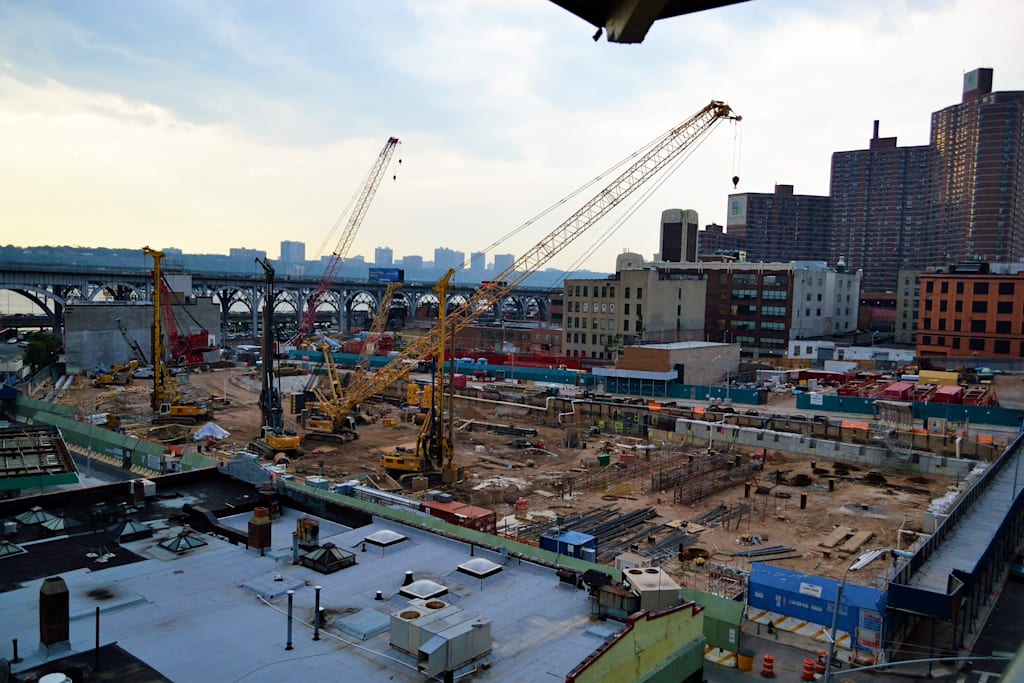
Craig DiPetrillo, a Rhode Island real estate developer and President of DiPetrillo Properties known for strategic vision and creative leadership. His approach to development is grounded in the idea that real estate is not simply about constructing buildings but about solving complex, layered problems that involve land use, regulation, finance, and community dynamics. In Rhode Island, where development is shaped by limited land availability, coastal restrictions, and detailed zoning frameworks, this perspective is particularly relevant. It allows Craig Dipetrillo Properties to operate in a way that emphasizes adaptability and structured decision-making in every stage of a project.
Understanding the Complexity of Rhode Island Real Estate
Rhode Island presents a development environment that is both opportunity-rich and constraint-heavy. Its geography is compact, its coastline is heavily regulated, and its municipalities often have distinct zoning rules and approval processes. These conditions make real estate development more intricate than in many other states.
In this context, success depends on the ability to interpret constraints correctly. A zoning limitation is not just a restriction but a design parameter. A coastal regulation is not just a barrier but a guide for resilience. This shift in perspective is central to how developers operate in the state.
Craig Dipetrillo Properties approaches this environment by recognizing that complexity is not an obstacle to be avoided but a condition to be managed. This mindset shapes how projects are evaluated, designed, and executed from the earliest stages.
Creative Problem-Solving as a Development Framework
At the core of modern real estate development is the ability to solve problems creatively. This is especially important in Rhode Island, where each project often involves multiple overlapping constraints.
Creative problem-solving in development involves more than design adjustments. It includes rethinking how land is used, how structures are configured, and how regulatory requirements are interpreted. It also involves understanding how financial and community factors influence what is possible.
Craig Dipetrillo Properties applies this framework by treating each project as a system rather than a linear process. Instead of following a fixed sequence of steps, development is approached as an evolving structure where each decision influences the next. This allows for flexibility while maintaining strategic direction.
This systems-based thinking helps ensure that design, finance, and regulatory considerations remain aligned throughout the life of a project.
Navigating Zoning and Regulatory Structures
One of the most significant challenges in Rhode Island real estate development is zoning variability. Each municipality has its own set of rules, review boards, and interpretation standards. This creates a fragmented regulatory environment that requires careful navigation.
Developers must not only understand the technical aspects of zoning but also the procedural aspects of approval. This includes how proposals are presented, how feedback is incorporated, and how revisions are managed over time.
Craig Dipetrillo Properties addresses this challenge by focusing on early-stage planning and multiple scenario development. Instead of committing to a single design too early, several versions of a project may be evaluated to determine which aligns best with regulatory expectations and community priorities.
This approach reduces friction during the approval process and increases the likelihood that projects move forward without significant delays.
Adaptive Design in Limited Space Environments
Space constraints are a defining feature of Rhode Island real estate. In many cases, developers are working with small, irregularly shaped, or previously developed parcels of land.
Adaptive design becomes essential in these situations. It involves rethinking how space can be used more efficiently and how existing structures can be repurposed rather than replaced. This includes strategies such as vertical development, mixed-use integration, and adaptive reuse of older buildings.
Craig Dipetrillo Properties incorporates adaptive design principles into its development approach by focusing on flexibility and long-term usability. Instead of designing for a single fixed purpose, projects are often structured to accommodate multiple uses over time.
This increases the resilience of developments and allows them to remain relevant as market conditions and community needs evolve.
Financial Structuring and Risk Awareness
Real estate development is inherently capital intensive, and financial structuring plays a critical role in determining project success. In Rhode Island, where approval timelines and construction schedules can vary, financial flexibility is especially important.
Developers must consider a range of financial variables, including funding availability, construction costs, and potential delays. These factors can significantly impact project viability if not properly managed.
Craig Dipetrillo Properties integrates financial planning into the early stages of development. Rather than treating financing as a separate step, it is considered alongside design and regulatory planning.
This integrated approach allows for better alignment between project scope and financial capacity. It also provides the flexibility needed to adjust plans if conditions change during the development process.
Community Engagement and Local Alignment
Real estate development does not occur in isolation. It directly affects the communities in which it takes place. In Rhode Island, where local identity and neighborhood character are particularly strong, community alignment is essential.
Projects that fail to consider local impact often face resistance or delays. Issues such as traffic, housing density, and architectural fit can all influence how a development is received.
Craig Dipetrillo Properties emphasizes the importance of understanding community priorities early in the planning process. This includes evaluating how a project will affect daily life in the surrounding area and how it aligns with broader municipal goals.
By incorporating community input, developments are more likely to achieve long-term acceptance and stability.
Sustainability and Environmental Considerations
Environmental responsibility is an increasingly important factor in real estate development. In Rhode Island, coastal conditions and environmental regulations make sustainability a key consideration in nearly every project.
Sustainable development involves more than energy efficiency. It includes site planning, material selection, and long-term resilience to environmental changes such as flooding and sea level rise.
Craig Dipetrillo Properties integrates sustainability into its development framework from the beginning. This ensures that environmental considerations are not added later but are embedded in the core design of each project.
This approach supports both regulatory compliance and long-term asset stability.
Strategic Vision and Long-Term Thinking
While technical execution is essential, long-term success in real estate development depends on strategic vision. This involves understanding how markets evolve, how regulations change, and how community needs shift over time.
In Rhode Island, where constraints are significant, long-term thinking is especially important. Developers must anticipate future conditions rather than only reacting to present ones.
Craig Dipetrillo Properties emphasizes this forward-looking approach by evaluating projects not just for immediate feasibility but also for long-term relevance. This helps ensure that developments remain useful and valuable over time.
Conclusion
Rhode Island real estate development is shaped by complexity, constraint, and opportunity. Success requires more than construction knowledge. It requires the ability to think creatively, plan strategically, and adapt continuously.
Craig Dipetrillo Properties demonstrates how these principles can be applied in practice. By integrating adaptive design, financial planning, zoning strategy, and community engagement, development becomes a structured process for solving real-world challenges.
In this environment, real estate is not defined by limitations but by the ability to work within them effectively. Through this lens, Craig Dipetrillo Properties shows how thoughtful problem-solving can shape more resilient and sustainable outcomes in Rhode Island’s evolving real estate landscape.
About the Creator
Craig Dipetrillo
Craig DiPetrillo is a Rhode Island real estate developer and President of DiPetrillo Properties, known for strategic vision and creative leadership.
Enjoyed the story? Support the Creator.
Subscribe for free to receive all their stories in your feed.
Comments
There are no comments for this story
Be the first to respond and start the conversation.