
Crafting Tomorrow: Tackling America's Carpenter Shortage
Why America Needs More Carpenters
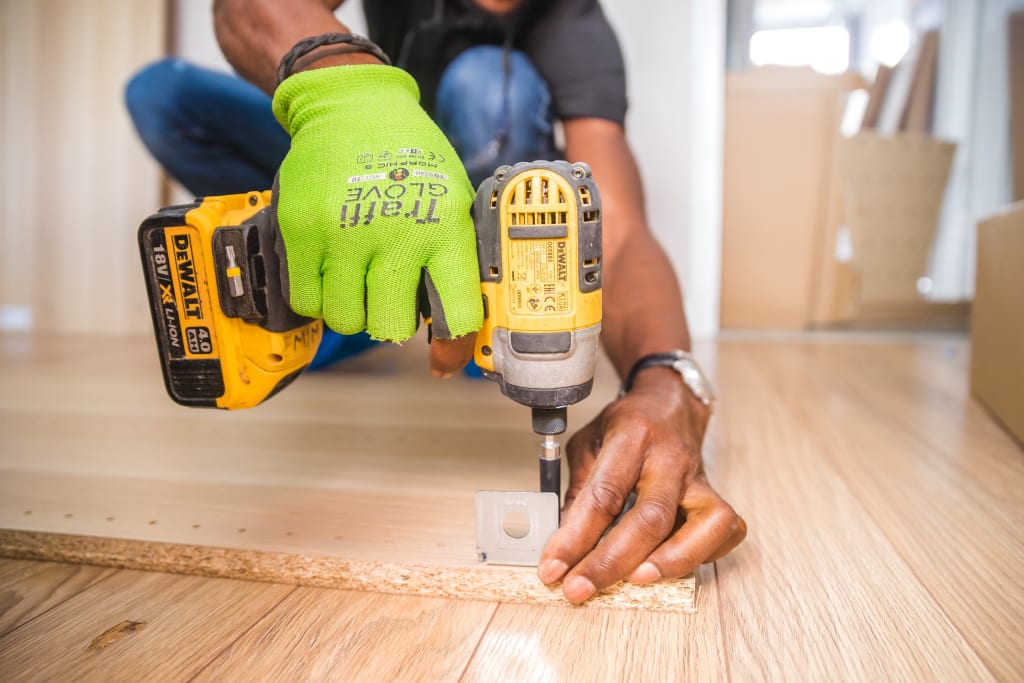
In the big world of construction in America, there's a problem that's been hanging around since the 1940s—there just aren't enough skilled carpenters.
Even though we got a bit of a break during the 2008 financial crisis and the 2020 pandemic, we're now on the edge of a new problem. Home construction is almost back to where it was before 2008, but there's a shortage of around 650,000 tradespeople, and carpenters are leading the pack, according to the National Association of Home Builders in 2021.
But why is carpentry losing its appeal? Let's break it down into three things: money, certificates, and folks retiring early. Carpenters make around $48,000 a year, which is not as much as what other skilled workers like plumbers or electricians make. Ethan James, the guy behind "The Honest Carpenter" on YouTube, says it's because carpentry jobs take a long time. Unlike a plumber who might be in and out for a quick fix, a carpenter working on something like a deck is in it for the long haul, which makes it tricky for them to ask for higher pay per hour.
The shortage of good carpenters is part of a bigger issue. In 2021, Stanley Black and Decker, along with KRC Research, talked to 800 high schoolers, 200 parents, and 500 skilled workers. Turns out, most young folks think skilled trades are cool, but many believe the starting pay is even less than it really is. This misunderstanding adds more stress to the carpentry scene.
And then there's there is the issue of certification. Unlike other trades that need a license or certification, carpentry has looser rules. In some states, practically anyone can call themselves a carpenter without jumping through too many hoops. This has people worried that being a carpenter might lose its meaning if just about anyone can claim to be one.
The pandemic didn't help either. Lots of carpenters decided to retire early. According to the Associated Builders and Contractors, the average age for construction workers to retire is 61, and now, one in five of those working in construction is over 55. There's a worry that in the next 10 years, most carpenters will retire, leaving us with even fewer skilled hands. It's not just about losing people; it's about losing all the know-how that comes with them. For the first time in forever, there's a risk that the knowledge about carpentry won't get passed on to the younger generation.
But wait, there's a ray of hope in high schools! Even though there was a drop in students taking construction classes from 2007 to 2017, things are looking up again. Some say it might be because of social media and reality shows about homes and construction. Carpenters on these platforms are making education fun with their fix-it-yourself videos, injecting humor and personality into the craft.
Now, let's dive into some facts about carpentry that make it a pretty cool gig. Carpentry is one of the oldest trades in the world, dating back thousands of years. From building ancient structures to crafting modern homes, carpenters have been at the heart of construction. In the U.S., carpenters play a vital role in shaping our skylines and creating spaces where we live, work, and play.
Beyond the glamour of creating impressive structures, carpentry involves mastering various tools, from basic hammers and saws to advanced power tools. It's a craft that blends creativity with precision, as carpenters translate architectural designs into tangible structures. Each piece of wood they shape contributes to the overall strength and aesthetics of a building.
The demand for skilled carpenters isn't just a domestic issue; it's a global one. As countries worldwide continue to grow and develop, the need for construction, and consequently skilled carpenters, remains constant. This makes carpentry a skill that not only opens doors locally but can also lead to exciting opportunities on a global scale.
In essence, carpentry isn't just about fixing things; it's about building the future. It's a hands-on, practical art that shapes the world we live in. While we navigate the current challenges facing the carpentry profession, it's essential to recognize the invaluable contributions carpenters make to society and to inspire the next generation to carry this tradition forward. By addressing the issues of compensation, certification, and retirement, we can ensure that the craft of carpentry continues to thrive, providing us with sturdy foundations for a brighter and more beautifully crafted tomorrow.
About the Creator
Enjoyed the story? Support the Creator.
Subscribe for free to receive all their stories in your feed.
Comments
There are no comments for this story
Be the first to respond and start the conversation.