
Chad Pratt California on Why Consistency Often Matters More Than Speed
What Steady-State Running Can Teach Us About Patience, Resilience, and Long-Term Well-Being
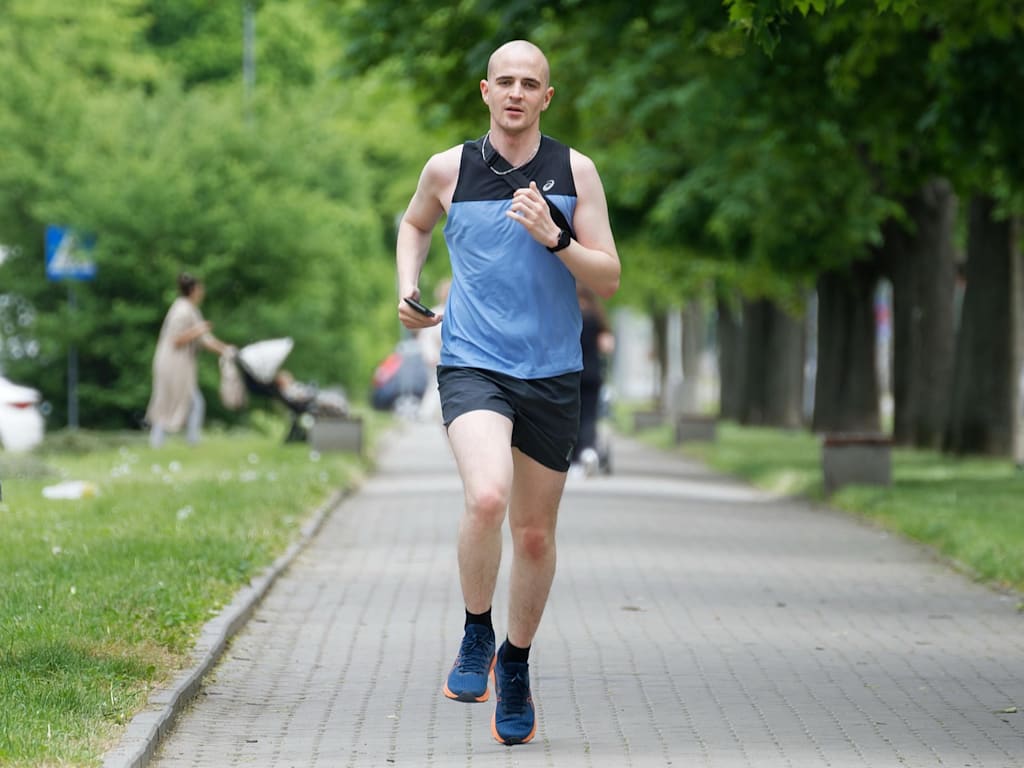
Chad Pratt California is a lifelong runner, devoted father, and passionate community servant. Over the years, running has become more than a form of exercise in his life. It has provided a practical framework for understanding how meaningful progress often happens. Through thousands of miles spent on roads, trails, and sidewalks, he has experienced a lesson that extends far beyond athletics: lasting growth usually comes from consistency rather than speed.
This idea can feel countercultural. We live in a world that frequently rewards urgency. Faster results, quicker solutions, and immediate gratification are often presented as ideals. Yet many of the most valuable outcomes in life develop slowly. Strong relationships, personal character, physical health, and emotional resilience are rarely built overnight.
Running offers a clear reminder of that reality. The body adapts gradually. Endurance develops over time. Improvement often arrives quietly, revealed only after weeks, months, or years of steady effort.
The philosophy behind steady-state running reflects this process. It encourages patience, commitment, and trust in long-term progress. Those principles can influence not only athletic performance but also how people approach life itself.
The Pressure to Move Faster
Modern culture often creates the impression that speed equals success.
People are encouraged to maximize productivity, accelerate career growth, and reach goals as quickly as possible. Social media can reinforce these expectations by showcasing achievements without showing the years of effort that made them possible.
As a result, many individuals become frustrated when progress takes longer than expected. They may abandon healthy habits, creative projects, or personal goals because results are not immediate.
The problem is not ambition. Ambition can be a positive force. The challenge arises when people begin measuring success solely by how quickly something happens.
Running offers a different perspective.
Anyone who has trained for endurance understands that rushing the process rarely works. The body needs time to adapt. Fitness improves through repeated effort. Sustainable progress depends on consistency.
The same principle often applies outside of sports.
What Is Steady-State Running?
Steady-state running is a training approach that involves maintaining a challenging but manageable pace for an extended period.
Unlike sprint workouts, which focus on short bursts of intensity, steady-state runs emphasize controlled effort. The goal is not to run as fast as possible. Instead, the runner settles into a rhythm that can be sustained while still providing a meaningful training stimulus.
This type of running helps develop aerobic fitness, endurance, and efficiency. It also teaches pacing, discipline, and self-awareness.
Perhaps most importantly, steady-state running rewards patience.
The benefits do not appear instantly. A single workout may not feel transformative. The value comes from repetition. Over time, those runs accumulate, creating improvements that become increasingly noticeable.
That process mirrors many other forms of personal growth.
Learning to Trust Gradual Progress
One of the most challenging aspects of pursuing any goal is accepting that meaningful change often takes time.
People naturally want evidence that their efforts are working. When progress is visible, motivation tends to increase. When results are delayed, doubt can begin to appear.
Running provides regular opportunities to confront this reality.
A runner may train consistently for weeks without noticing dramatic changes. Then, gradually, a familiar route feels easier. Recovery improves. Endurance increases.
The transformation is real, but it unfolds incrementally.
Learning to trust gradual progress can be valuable in many areas of life. Whether someone is building a business, developing a skill, improving health, or strengthening relationships, significant growth usually occurs through repeated actions rather than isolated breakthroughs.
The willingness to continue despite slow progress is often what separates long-term success from short-term enthusiasm.
Patience Is an Active Practice
Patience is sometimes misunderstood as passive waiting.
In reality, patience often involves active participation. It requires continuing the work even when immediate rewards are absent.
For runners, patience means following a training plan without constantly seeking shortcuts. It means accepting that fitness develops over time rather than trying to force rapid improvements.
This mindset can be surprisingly difficult.
Many people are conditioned to expect immediate feedback. When outcomes take longer than anticipated, frustration becomes tempting.
Steady-state running encourages a different response. It teaches individuals to focus on the process rather than obsessing over outcomes.
That shift in perspective can reduce unnecessary pressure and create a healthier relationship with achievement.
Patience becomes less about waiting and more about remaining committed.
The Connection Between Consistency and Resilience
Resilience is often associated with dramatic moments of adversity. While those moments certainly matter, resilience is usually built long before challenges arise.
It develops through everyday experiences that strengthen perseverance.
Running provides countless examples.
Weather conditions are not always ideal. Energy levels fluctuate. Schedules become busy. Motivation comes and goes.
Yet runners who remain consistent learn how to continue moving forward despite those obstacles.
Each completed run reinforces an important lesson: progress is possible even when conditions are imperfect.
That lesson becomes useful far beyond athletics.
Life rarely unfolds according to plan. Unexpected setbacks, disappointments, and changes are unavoidable. Individuals who have practiced consistency often discover they are better equipped to adapt when challenges appear.
Their resilience has been strengthened through repetition.
Building Health Through Sustainable Habits
Health is frequently discussed in terms of major transformations, but long-term well-being is usually shaped by ordinary daily choices.
Steady-state running highlights the importance of sustainability.
A training approach that cannot be maintained for long periods is unlikely to produce lasting results. The most effective routines are often the ones people can continue consistently.
This idea extends to nutrition, sleep, stress management, and physical activity.
Small healthy habits may seem insignificant on any given day. Over months and years, however, they can create meaningful changes.
The philosophy embraced by Chad Pratt California reflects this long-term perspective. Rather than focusing exclusively on short-term outcomes, the emphasis remains on creating habits that support overall well-being over time.
Consistency becomes a practical strategy for maintaining health rather than pursuing perfection.
Why Mental Endurance Matters
Running is often viewed as a physical activity, but it also places significant demands on the mind.
Long runs require concentration, discipline, and emotional control. There are moments when discomfort appears, motivation fades, or self-doubt surfaces.
Learning how to navigate those experiences can strengthen mental endurance.
Steady-state running is particularly effective in this regard because it requires sustained focus. The runner must maintain effort without becoming distracted by temporary discomfort or impatience.
This skill translates into everyday life.
Whether facing professional challenges, personal responsibilities, or long-term goals, mental endurance helps individuals remain engaged when progress feels slow.
It encourages persistence without requiring perfection.
Over time, confidence grows not because difficulties disappear but because people learn they can handle them.
Finding Clarity Through Movement
Many runners describe a sense of mental clarity that emerges during longer efforts.
Away from screens, notifications, and constant demands for attention, running creates space for reflection.
Ideas often become clearer while moving. Problems seem more manageable. Priorities become easier to identify.
There is something powerful about sustained physical movement that encourages thoughtful observation.
For some individuals, running becomes a form of active meditation. The repetitive rhythm allows the mind to settle while the body continues working.
These moments can contribute to emotional well-being and self-awareness.
Rather than serving solely as exercise, running becomes a practice that supports mental and emotional balance.
The Spiritual Dimension of Consistency
Not everyone views spirituality in the same way, but many people find that consistent physical practices create opportunities for deeper reflection.
Running often encourages gratitude.
It can foster appreciation for health, nature, relationships, and the simple ability to move forward.
Steady-state running also promotes humility. There is always more to learn, more room for growth, and new challenges to face.
This combination of gratitude and humility can create a stronger sense of perspective.
The spiritual lesson is not necessarily about achieving extraordinary experiences. Instead, it may be about recognizing the value of ordinary moments repeated over time.
Consistency itself becomes meaningful.
Each run represents a commitment to showing up, even when circumstances are not perfect.
That commitment can carry significance beyond fitness.
Lessons That Extend Beyond Running
The principles learned through steady-state running apply naturally to other areas of life.
Parenting offers one example.
Children are influenced by consistent presence, guidance, and support. Meaningful relationships are built through everyday interactions rather than isolated grand gestures.
Community involvement follows a similar pattern.
Positive contributions often result from ongoing participation rather than occasional activity. Small actions performed consistently can create lasting impact.
The same is true in careers, education, and personal development.
Progress is rarely the result of a single decision. More often, it emerges from repeated efforts sustained over time.
Running simply makes this reality easier to see.
Redefining Success
Many people define success in terms of speed. How quickly can a goal be reached? How rapidly can results appear?
Steady-state running suggests a different definition.
Success may be better measured by consistency than by acceleration.
The individual who continues showing up often achieves more than the person who relies on occasional bursts of effort.
This perspective can reduce unnecessary comparison and encourage a healthier relationship with achievement.
Instead of constantly asking, "How fast am I progressing?" people may begin asking, "Am I staying committed to the process?"
That question often leads to more sustainable growth.
Looking Ahead With Confidence
One of the most encouraging aspects of consistency is that it places progress within reach of nearly everyone.
Not everyone can be the fastest runner.
Not everyone will experience rapid success.
But nearly everyone can choose to take another step.
Steady-state running demonstrates the power of that choice. The decision to continue, even at a manageable pace, can produce remarkable results over time.
The journey may not always be dramatic. It may not attract attention. Yet it often leads to meaningful and lasting growth.
For Chad Pratt California, the lessons found in steady-state running reflect a broader philosophy about life. Patience, resilience, and long-term commitment remain valuable guides in a world that often prioritizes speed.
The path forward is not always about moving faster.
Sometimes it is about continuing to move with purpose, trusting that consistency will carry us farther than we might initially imagine.
About the Creator
Chad Pratt
Chad Pratt, based in California, is a lifelong runner, devoted father, and passionate community servant.
Read more here:
https://chadthomas-williamprattcalifornia.info/
https://chadprattcalifornia.net/
https://about.me/chadpratt
Enjoyed the story? Support the Creator.
Subscribe for free to receive all their stories in your feed.
Comments
There are no comments for this story
Be the first to respond and start the conversation.