
Can You Really Be a Digital Nomad in China in 2026?
Many digital nomads gather around Bangkok, Bali, Da Nang. We barely see anyone becoming a digital nomad in China.


In this article I will break down the reasons why most people do not choose China as their digital nomad destination, the benefits of becoming a digital nomad in China, and the current domestic digital nomad situation.

Benefits of Becoming a Digital Nomad in China
China has so many cities like Shanghai, Beijing, Shenzhen, Guangzhou. Each city offers a different unique experience for digital nomads.
If you are a digital nomad who likes spicy food and pandas, you can choose Chengdu. If you like modern cities and convenience, you can go to Shanghai — there are many Western-style restaurants, endless bars and cafes, and it is English-friendly. If you like ancient towns, nature, mountains, and a budget-friendly lifestyle, you can go to Dali.
When you step into China, you will be amazed by how convenient it is. Order food using Meituan — there are millions of options, it is a foodie’s heaven. The delivery guy will deliver it within 30 minutes. China is also very safe — walking outside at 4 AM, no one is going to attack you. You can enjoy the same quality of life as in London, New York, or Singapore, but at one-third to two-thirds of the cost.
Does that fascinate you?
If all of this fascinates you, it is time to tell you about some obstacles you may face if you intend to become a digital nomad in China.
Obstacles for Foreign Digital Nomads in China
Right now China has only launched a visa-free policy for up to 30 days for most countries (check if your country is on the list). If you transit through China to a third country, you can stay for only 10 days.
Also, the Chinese government does not allow foreigners to work in China on a tourist visa. This is the biggest problem and is often called a “grey area.” If you want to work while travelling in China, you have to apply for a work visa.
The internet problem: the Chinese government blocks Western social media like Facebook, YouTube, Instagram, TikTok… In order to access these platforms you have to download a VPN. But sometimes the Chinese government takes VPNs very seriously. For example, during the biggest festivals like National Day, or when some major events happen, most VPN suppliers stop working because the government shuts them down. But you can still switch to another VPN supplier that is not affected at that time — though it will cost you some extra money.
Language barriers: in China, most people learn a few basic vocabulary words in school like “hi,” “where are you from,” “my name is…” and these are mostly younger people. Elderly people barely speak English in China, unless you stay in big international cities like Shanghai, Beijing, or Shenzhen. Even most restaurants in smaller cities do not have English menus. So it is really necessary for you to learn some Chinese before coming to China.
If you can accept all of these obstacles, I would suggest you do a small experiment — use the 10-day transit visa to test it out.
Recommended Places for Digital Nomads and Cost of Living
Let us move to the next stage: which place should you choose to stay as a digital nomad in China?
I would not recommend the big cities like Beijing, Shanghai, or Guangzhou for a few reasons. The cost of living is usually higher. Even though public transportation and infrastructure are really good in China, you have to know that in these big cities, landlords usually do not accept short-term rentals — most of them ask you to rent for at least 6 months or longer. Also, if you have friends to meet, commuting usually takes a large amount of time on the subway or bus. And the digital nomad community is not that good there — and community is the key.
Instead, I would recommend some places with more established communities.
Dali
Dali is located in Yunnan Province in the southern part of China. This place is well-known on Chinese social media among Chinese digital nomads. Dali used to be a famous destination for Western backpackers, but recently more and more Chinese tourists come here, so Western tourists have become fewer.
People are fascinated by the Cangshan Mountains, Erhai Lake, the ancient town, the local Bai people, and the unique food (Bai food — like “sheng pi” / raw pork skin). There are endless cafes, a very slow pace of life, co-working spaces, and digital nomad communities.

Press enter or click to view image in full size
There you will meet people who are just like you — digital nomads. You have the same topics to talk about and new business ideas to share with each other.
The cost of living in Dali for digital nomads is still affordable compared to big cities. If you want to live comfortably in Dali, you need to spend about 950 USD to 1,650 USD per month.
Write on Medium
Here is the expense breakdown:
Monthly Cost of Living in Dali
Accommodation
Studio or 1-bedroom apartment near the old town: 1,500–3,000 RMB/month
Food
A mix of home-cooking and eating out: 1,800–2,800 RMB/month
Transportation
E-scooter rental and occasional taxi rides: 300–600 RMB/month
Work
VPN, co-working space, or cafe workspace: 600–1,500 RMB/month
Socializing & Miscellaneous
Social activities, small trips, shopping, and other daily expenses: 1,000–2,000 RMB/month
Wanning
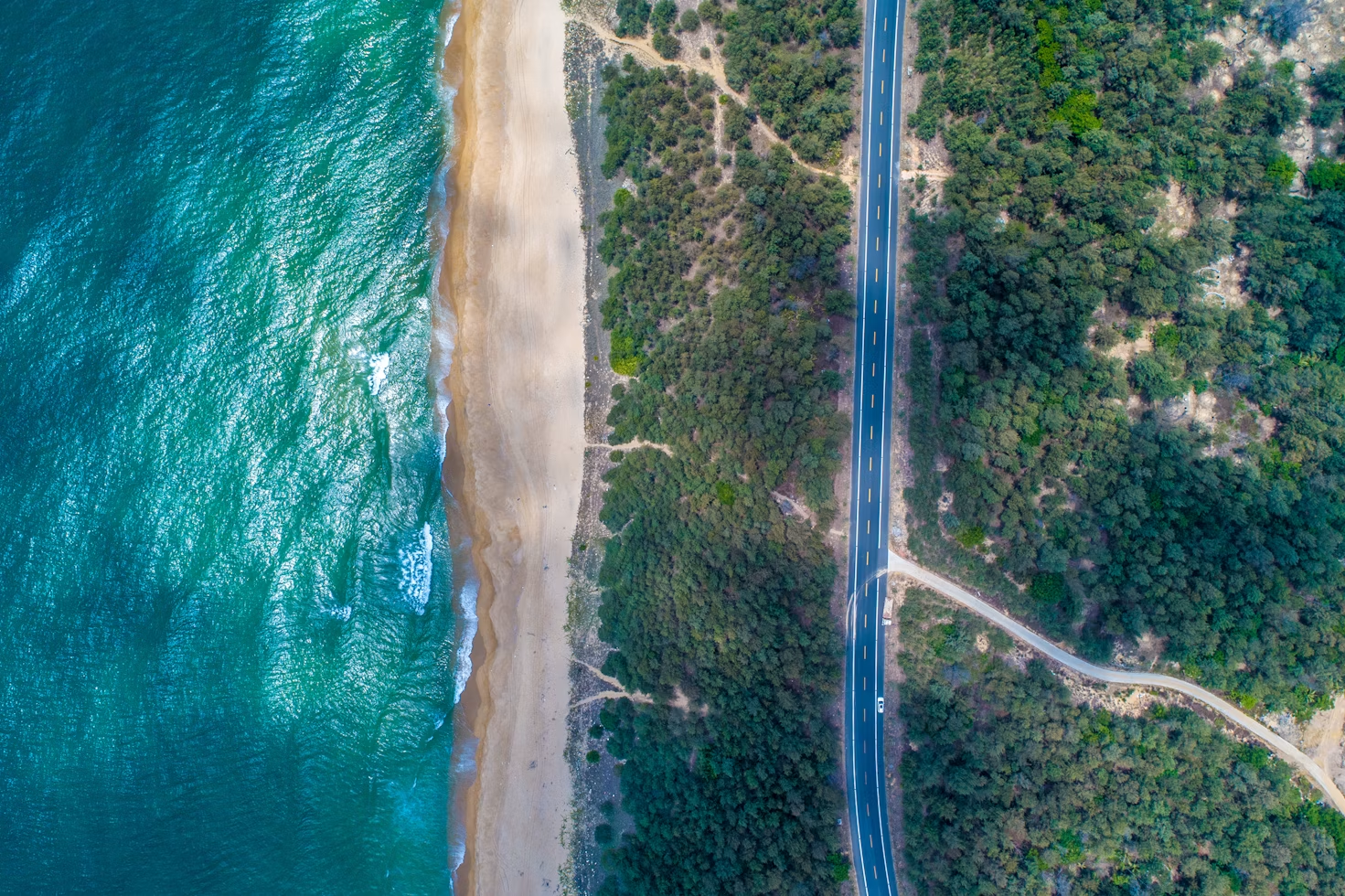
Wanning is located on the southeastern coast of Hainan Island, about 1.5 hours’ drive from Sanya and 2 hours from Haikou.
Press enter or click to view image in full size
If you are a person who likes surfing and the beach, this is the ideal place for you.
It has Riyue Bay — China’s most famous surfing bay and the absolute epicenter of Wanning’s digital nomad community.
If you dream of spending time after work drinking coffee in a local cafe, surfing, and socializing in the evening, do not miss Wanning.
If you want to live comfortably, you need to spend about 1,100 USD to 1,800 USD per month.
Monthly cost breakdown:
Monthly Cost of Living in Wanning
Accommodation
Single room or long-term rental near Riyue Bay: 2,500–4,500 RMB/month
Prices may surge by 30%–50% during peak season.
Food
A mix of home-cooking and local casual dining, mostly seafood: 2,000–3,500 RMB/month
Transportation
E-scooter rental and occasional cab rides to Wanning city: 300–1,000 RMB/month
E-scooter rental usually costs around 300–500 RMB/month.
Work-Related Expenses
VPN, cafe workspace, or co-working space expenses: 600–1,500 RMB/month
Surfing / Sports
Surfboard rental and optional private lessons: 800–2,500 RMB/month
Surfboard rental usually costs around 500–1,000 RMB/month. Private lessons may cost around 400–600 RMB/session.
Socializing & Miscellaneous
Meetups, daily supplies, phone bills, and other small expenses: 800–1,500 RMB/month
Or if you still prefer big cities, you can also choose Chengdu or Chongqing. Sichuan is known for its food and pandas. The pace of life and the pressure there is much smaller and slower compared to Beijing and Shanghai. Chongqing is well known as a “cyber city” and a mountain city, and also for its hotpot. But the weather here is very hot in summer, so you still need to do some research when choosing which city to stay.
Recently, the Chinese government has been gradually considering the introduction of digital nomad visas. Pilot programs are being planned in certain cities, including Shanghai. In the future, China is expected to open up digital nomad visas to specific groups or nationals of certain countries. There is also talk of mutual recognition agreements with other countries that already offer digital nomad visas. This means that becoming a digital nomad in China will likely become much easier in the years ahead.
The Chinese government also thinks it can bring economic benefits — they have even built digital nomad communities of their own accord in some places.
About the digital nomad culture in China: according to reports, in 2026, over 70 million people in China have chosen to live like nomads. That is because the Chinese job market is so competitive — people want to escape the “996” lifestyle (9 AM to 9 PM, 6 days a week). You will find in co-working places like Dali there are many young people aged 20–30. Some of them don’t even have a year and a half of formal work experience — they just chose to live as nomads.
COVID also changed the working environment. More and more people started working online, which helped digital nomad culture become known to more people.
But some of them grow tired of this lifestyle and return to a normal 9-to-5 life, looking for stability. Statistics say that most nomad lifestyles last at most 3 years.
About the Creator
kobe_change
if you like my content you can support me
https://buymeacoffee.com/kobe05
Enjoyed the story? Support the Creator.
Subscribe for free to receive all their stories in your feed.
Comments
There are no comments for this story
Be the first to respond and start the conversation.