
Blue Cotton Yarn—Quality, Uses, and Vendor Insights for Industry
Textile Manufacturers Expand Focus on Blue Cotton Yarn as Demand Shifts Across Global Industries
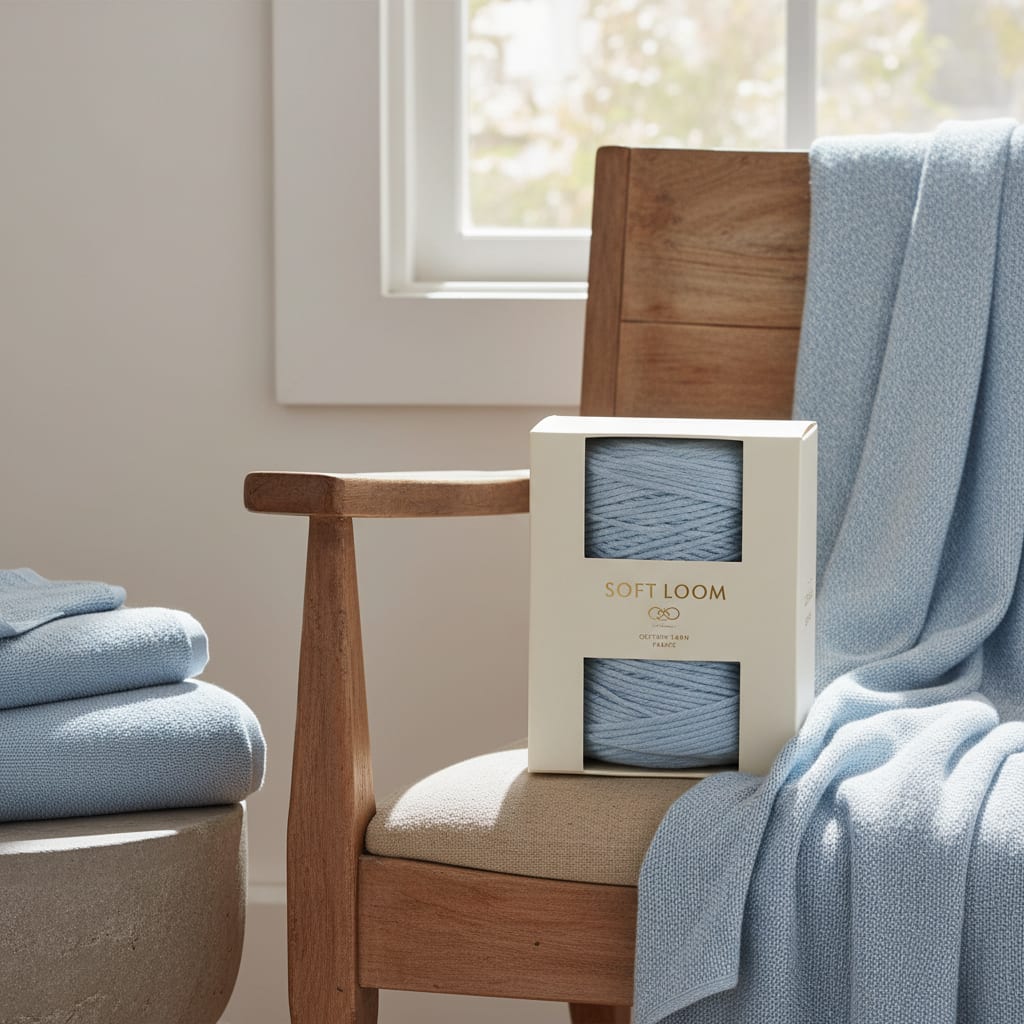
Inside the World of Blue Cotton Yarn: A Hands-On Perspective
Industry leaders report growing interest in colored cotton yarn solutions for apparel, home textiles, and sustainable manufacturing.
The textile sector is witnessing a notable shift in material preferences. Industry analysts report rising demand for colored yarns that support efficiency and product differentiation. Among these materials, blue cotton yarn has gained attention across several manufacturing segments.
Recent developments in textile production have encouraged manufacturers to explore versatile yarn options. Colored yarns help reduce additional processing steps while supporting design flexibility. This trend is particularly visible in apparel and home furnishing markets.
Industry experts note that color consistency remains a key factor in purchasing decisions. Buyers increasingly seek yarns that maintain shade stability during weaving and finishing processes. As a result, suppliers continue investing in improved dyeing and quality control technologies.
Growing Interest Across Manufacturing Segments
Textile producers worldwide are responding to changing customer expectations. Consumers now value products that combine appearance, durability, and responsible sourcing. This shift has influenced material selection at every stage of production.
Blue-colored yarns have become popular because they fit diverse product categories. Fashion brands frequently use them in denim-inspired collections. Home textile manufacturers also incorporate these materials into bedding, curtains, and upholstery products.
Market observers report that industrial buyers prefer materials offering reliable performance. Consistency helps reduce production disruptions and improves final product quality. Consequently, sourcing decisions increasingly focus on trusted suppliers with established quality systems.
Understanding Quality Standards
Quality remains the foundation of successful textile manufacturing. Yarn performance directly affects weaving efficiency and fabric appearance. Therefore, manufacturers carefully evaluate several technical characteristics before purchasing.
Fiber length plays an important role in yarn strength. Longer fibers generally contribute to smoother and more durable products. Uniformity is another critical factor because it supports consistent fabric construction.
Color fastness receives significant attention during quality assessments. Manufacturers expect yarns to maintain their appearance after washing and regular use. Reliable dye penetration helps achieve this objective.
Moisture management properties are also considered during evaluations. Properly processed cotton fibers provide comfort and breathability. These characteristics remain important in apparel and household applications.
Industry laboratories frequently conduct tests to verify compliance with production requirements. Such testing helps manufacturers maintain quality benchmarks and reduce operational risks.
Technology Enhances Yarn Production
Technological innovation continues transforming textile manufacturing processes. Modern spinning facilities use advanced equipment to improve precision and efficiency. These investments contribute to higher-quality yarn production.
Automated monitoring systems allow manufacturers to detect variations quickly. Real-time data collection supports better process control throughout production cycles. This approach helps maintain consistent yarn characteristics.
Digital quality management tools have also gained popularity. These systems assist manufacturers in tracking performance metrics and identifying improvement opportunities. As technology adoption increases, production reliability continues to improve.
Experts believe technology acceptance will remain a significant industry priority. Manufacturers seek solutions that balance operational efficiency with product quality. This objective drives ongoing investment in advanced textile equipment.
Applications in the Apparel Sector
The apparel industry remains one of the largest users of cotton-based yarns. Designers appreciate materials that support both functionality and aesthetics. Blue shades continue attracting attention because of their versatility.
Casual wear manufacturers frequently incorporate colored yarns into shirts, jackets, and trousers. The material provides a classic appearance that appeals to broad consumer groups. This flexibility contributes to sustained market demand.
Sportswear producers also value cotton-based materials for comfort-focused products. Breathability and softness remain important considerations in active clothing development. These features support positive user experiences.
Fashion industry reports suggest that demand for distinctive textures is increasing. Colored yarns help brands create visual interest without relying solely on surface printing methods.
Expanding Use in Home Textiles
Home furnishing manufacturers are exploring new design approaches. Consumers increasingly seek products that combine practicality with appealing aesthetics. Colored cotton yarns effectively support these objectives.
Bedding producers use them to create visually attractive fabric collections. Decorative cushions and upholstery applications also benefit from color-integrated yarn solutions. These products often require both durability and retention of appearance.
Interior design trends continue influencing material choices. Many buyers prefer calming color palettes that support comfortable living environments. Blue tones frequently align with these preferences.
Industry specialists expect continued growth within the home textile segment. Product innovation remains a key driver of market expansion.
Sustainability Considerations Gain Importance
Environmental responsibility has become a major discussion point across the textile industry. Manufacturers face increasing pressure to improve sustainability practices. Material selection plays an important role in achieving these goals.
Many suppliers now focus on responsible sourcing initiatives. Improved production methods help reduce waste and resource consumption. These efforts align with broader industry sustainability targets.
Cotton remains an important natural fiber within global textile markets. Advances in processing technologies continue supporting more efficient manufacturing approaches. Stakeholders view these developments as positive industry progress.
Sustainability reporting has also become more common among textile companies. Greater transparency helps buyers evaluate supplier performance and environmental commitments.
Vendor Selection Factors for Industrial Buyers
Choosing the right supplier requires careful evaluation. Industrial buyers often consider multiple criteria before making purchasing decisions. Product quality remains a primary concern.
Production capacity is another important factor. Reliable suppliers must meet delivery schedules while maintaining consistent standards. Strong operational capabilities help support long-term business relationships.
Technical support services can also influence supplier selection. Manufacturers value partners who provide guidance during product development and production planning. Effective communication contributes to smoother project execution.
Certification and compliance records receive growing attention as well. Buyers frequently seek suppliers that follow recognized industry standards. Documentation helps verify manufacturing practices and quality procedures.
Companies looking for dependable sourcing options often review supplier experience and product portfolios. For example, many industry professionals evaluate providers offering specialized solutions such as blue cotton yarn for commercial textile applications.
Future Outlook for the Market
Industry analysts remain optimistic about the future of colored cotton yarns. Demand continues expanding across apparel, home textile, and industrial sectors. Manufacturers are adapting to evolving customer expectations through innovation and technology adoption.
Digital transformation is expected to further influence production strategies. Automated systems and data-driven decision-making will likely become more widespread. These developments may enhance efficiency and quality performance.
At the same time, sustainability objectives will continue shaping market priorities. Companies that combine responsible practices with reliable products may strengthen their competitive positions.
As global textile markets evolve, quality materials remain essential for success. Blue cotton yarn represents one example of how manufacturers are responding to changing industry needs. Through technological advancement, quality management, and strategic sourcing, the sector continues moving toward a more efficient and adaptable future.
About the Creator
Emily Carter
Emily Carter is a freelance writer focused on SEO, digital marketing, content publishing, and online business trends. Her articles provide insights into search optimization, content strategy, and the evolving world of digital media.
Enjoyed the story? Support the Creator.
Subscribe for free to receive all their stories in your feed.
Comments
There are no comments for this story
Be the first to respond and start the conversation.