
Best Guide to Kilimanjaro: Routes, Tips, and What to Expect
Best Guide Kilimanjaro

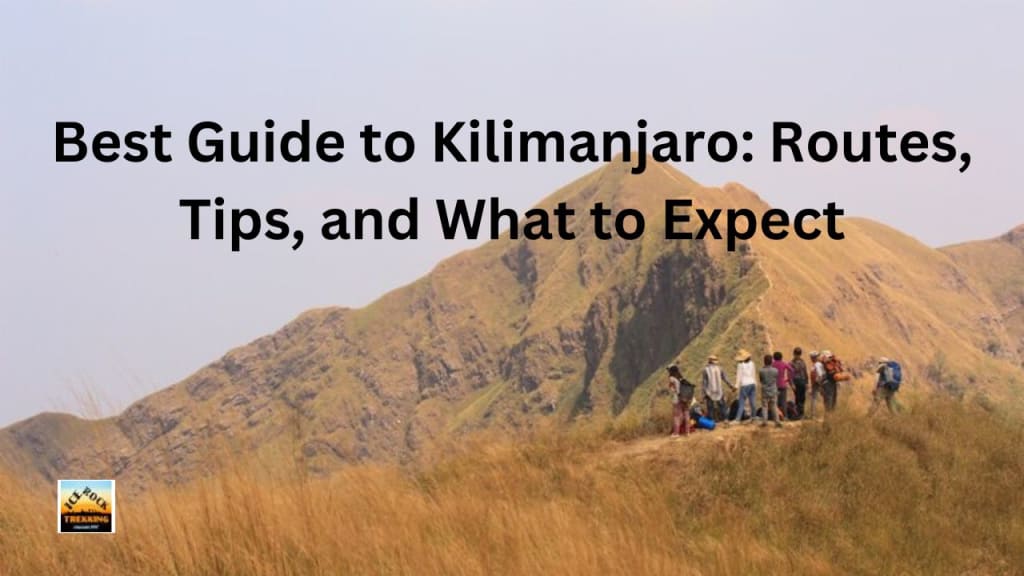
Climbing Mount Kilimanjaro is an experience unlike any other. As Africa’s tallest mountain, it offers stunning views, diverse ecosystems, and a thrilling challenge for adventurers from all walks of life. Whether you’re an experienced mountaineer or someone new to high-altitude treks, Kilimanjaro is accessible with the right preparation. Here’s a guide to help you navigate your way to the summit, covering routes, tips, and what to expect along the journey.
1. Choosing the Right Route
Mount Kilimanjaro offers several routes to the summit, each with its unique features and challenges. Understanding the different routes will help you pick the one that suits your fitness level, time frame, and personal preferences.
- Marangu Route (Coca-Cola Route): This is the most popular route due to its well-established infrastructure and hut accommodations. It’s considered one of the easier routes, though it still requires good physical preparation. It’s perfect for those who prefer not to camp in tents during the trek.
- Machame Route (Whiskey Route): Known for its scenic beauty, this route is one of the most popular choices for those seeking a more challenging climb. The trek takes longer, which allows for better acclimatization. Expect to camp in tents, which adds an adventurous element to the journey.
- Lemosho Route: This route is ideal for those looking for a quieter, more serene experience. Lemosho starts on the western side of the mountain and takes a longer, slower approach, giving hikers extra time to acclimatize. It’s often seen as a good compromise between scenic beauty and a reasonable level of difficulty.
- Rongai Route: The Rongai route approaches Kilimanjaro from the north, offering a less crowded experience. It’s slightly easier than other routes but still provides a good challenge, with camping accommodations along the way.
Each route has its unique appeal, but it’s important to choose one that aligns with your physical capability and the experience you’re seeking.
2. Preparing for the Climb
Climbing Kilimanjaro requires both physical and mental preparation. Here’s what you should keep in mind before embarking on this adventure:
- Physical Fitness: While you don’t need to be an elite athlete to climb Kilimanjaro, a basic level of fitness is essential. Hiking, cardio, and strength training will help you build the endurance needed for the climb. Aim for at least a few months of preparation before your trip.
- Acclimatization: Altitude sickness is a real concern when climbing Kilimanjaro. The higher you go, the less oxygen there is, and this can cause symptoms like headaches, nausea, and dizziness. To combat this, most routes have built-in days for acclimatization. Slow and steady progress is key, and it’s essential to stay hydrated and take time to adjust.
- Gear and Clothing: Kilimanjaro’s weather can change drastically. Temperatures range from tropical at the base to freezing at the summit. Layering is essential, with moisture-wicking base layers, insulating mid-layers, and waterproof outer layers. Don’t forget a good pair of boots, a warm hat, gloves, and sun protection.
- Guides and Porters: All Kilimanjaro treks require a licensed guide and a team of porters. Hiring a guide ensures you stay on the right path, and porters carry your gear, leaving you free to focus on the climb. This also supports the local economy, as many guides and porters are Tanzanian nationals.
3. What to Expect on the Trek
Climbing Kilimanjaro is not just about reaching the summit; it’s about the journey itself. Here’s what you can expect during your trek:
Changing Ecosystems: As you climb, the terrain and ecosystems change dramatically. From lush rainforests at the base, you’ll move through moorland, the alpine desert, and finally, the glaciers and snow at the summit. The diversity in flora and fauna is remarkable, and each step offers a new adventure.
The Summit Push: The final ascent to the summit, typically from Base Camp (Barafu), begins in the middle of the night. This is to ensure you reach Uhuru Peak (the highest point) by sunrise. The last part of the climb is steep, rocky, and challenging, but the sense of accomplishment when you reach the summit is indescribable.
Summit Views: Standing at 5,895 meters (19,341 feet), the view from the summit is breathtaking. The clouds below, the snow-capped peaks, and the African plains stretching out are awe-inspiring. The hard work pays off when you see the sunrise over the roof of Africa.
4. Safety and Tips
Take it Slow: One of the most important tips is to pace yourself. Kilimanjaro isn’t a race, and rushing increases the risk of altitude sickness.
- Stay Hydrated and Nourished: Drink plenty of water, and eat regularly to maintain your energy. Your guide will ensure you have enough food and water, but it’s your responsibility to stay hydrated.
- Mental Strength: The climb can be tough, both physically and mentally. It’s important to stay positive, take breaks, and focus on your goal. Support from fellow trekkers and guides is invaluable.
Conclusion:
Climbing Mount Kilimanjaro is a life-changing experience, offering not just a physical challenge but a chance to connect with nature and push your limits. Whether you’re seeking adventure or the chance to witness some of the world’s most incredible landscapes, Kilimanjaro delivers on every front. With proper preparation, the right route, and a steady mindset, you can reach the summit and enjoy the journey of a lifetime.
About the Creator
Ice Rock Trekking
We also arrange and guide technical climbing to the main peaks of Nelion and Batian on Mt Kenya. Additionally we can coordinate custom animal safaris in conjunction any expedition you pursue. https://www.icerocktrekking.com/
Enjoyed the story? Support the Creator.
Subscribe for free to receive all their stories in your feed.
Comments
There are no comments for this story
Be the first to respond and start the conversation.