
Air Pollution in Bangladesh: A Growing Crisis
The Problems, Causes, and Solutions of Air Pollution

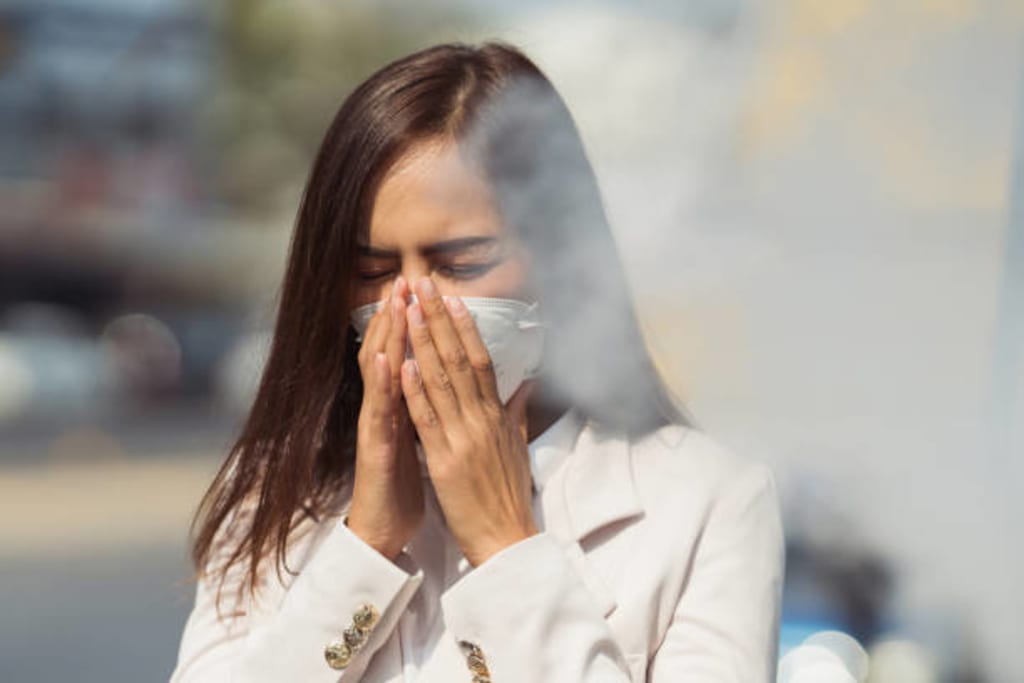
The term "air pollution" refers to the presence of harmful substances in Earth's atmosphere that can potentially negatively affect climate, ecosystems, and human health. It originates from human activities, such as burning fossil fuels, industrial emissions, vehicle exhaust, and natural causes like wildfires and volcanic eruptions.
Principal Air Pollutants:
• Particulate Matter (PM2.5 and PM10): These are tiny particles that can get into the lungs and bloodstream from smoke, dust, and vehicle emissions.
• Nitrogen Oxides (NOx) – Emitted from vehicles and industrial combustion, contributing to smog and acid rain.
• Sulfur Dioxide (SO2), which is produced when coal is burned, can cause respiratory problems and acid rain.
• Carbon Monoxide (CO) – A colorless, odorless gas from incomplete combustion (e.g., car exhaust).
• Ozone (O₃) – A ground-level pollutant formed by chemical reactions between NOx and VOCs, harmful to lungs.
• Volatile Organic Compounds (VOCs) – Found in paints, solvents, and fuels, contributing to smog.
• Heavy and lead metals are toxic metals that come from industrial processes and previous gasoline additives.
• Greenhouse Gases (CO₂, CH₄, N₂O) – Drive climate change by trapping heat in the atmosphere.
Pollutants in the Air Come From:
• Transportation (cars, trucks, airplanes)
• Industries (such as factories and power plants)
• Agriculture (emissions of fertilizer and methane from livestock)
• Residential (utilizing waste, coal, or wood)
• Pollen, dust storms, and wildfires are natural sources.
Health Effects:
• Diseases of the lungs (like asthma, bronchitis, and lung cancer) Cardiovascular problems (heart attacks, strokes).
• Children's reduced lung function and premature death as a result of prolonged exposure.
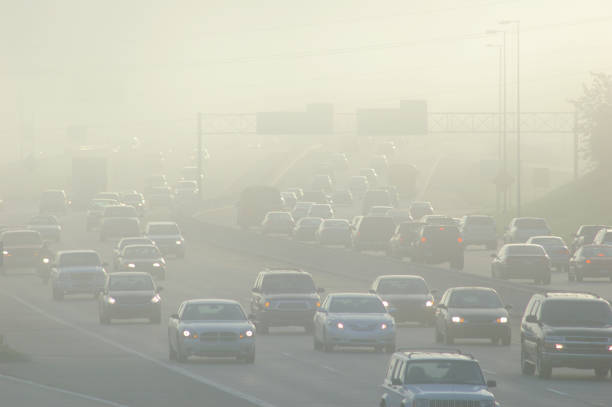
Environmental Impacts:
• Acid Rain (from SO₂ and NOx) damages forests and water bodies.
• Excess nitrogen harms aquatic ecosystems or eutrophication.
• Depletion of the Ozone Layer (certain pollutants degrade the ozone layer's protective layer).
• Changes in the Climate: CO2 and methane raise global temperatures.
Solutions for Reducing Air Pollution:
• Transition to clean energy: use hydropower, solar power, and wind power instead.
• More stringent emission standards – for businesses and automobiles.
• Reduce your reliance on automobiles powered by fossil fuels by using public transportation and electric vehicles.
• Afforestation – Trees absorb CO₂ and filter pollutants.
• Waste Management – Reduce open burning and landfill emissions.
• Awareness & Policy – Governments and individuals must act (e.g., air quality monitoring, masks in high-pollution areas).
Global Efforts:
• Paris Agreement (climate action to cut greenhouse gases).
• WHO Air Quality Guidelines (recommended safe pollutant levels).
• Acts to clean the air (many nations control industrial emissions).
Air pollution is still a major global problem, but its negative effects can be mitigated through sustainable practices and technological advancements.
Air Quality Index (AQI) & Real-Time Pollution Levels
• How the AQI is calculated and what the levels mean (for example, "Hazardous" or "Unhealthy").
• Websites/apps to check live air pollution data (e.g., IQAir, AirVisual, government monitors).
Measures to Protect the Health
• Best pollution masks (N95 vs. KN95 vs. cloth masks).
• Indoor air purifiers (HEPA filters, activated carbon).
• plants that improve air quality inside.
City/Country-Specific Air Pollution Data
• The most polluted cities (like Delhi, Beijing, and Lahore, for example)
• The cleanest cities (such as Wellington, Vancouver, and Zurich)
Pollution Sources in Detail
• Emissions from vehicles versus pollution from industry.
• Impact of agriculture (ammonia and livestock methane).
Climate Change Link
• How air pollution accelerates global warming.
• Differences between PM2.5 (health) and CO2 (climate).
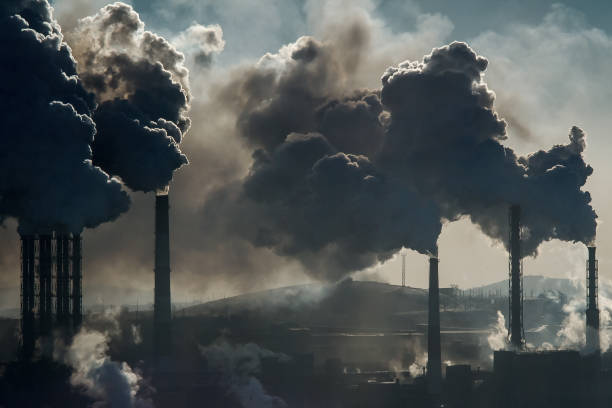
Policy and New Ideas
• Anti-pollution laws that work (like China's "Blue Sky" campaign).
• Tech solutions (carbon capture, electric vehicles).
Due to serious air quality issues that harm public health, the economy, and the environment, Bangladesh consistently ranks among the nations that are the most polluted in the world.
Key Facts & Current Situation
• World's Worst Air Quality in 2023 and 2024: With PM2.5 levels 10-15 times higher than the WHO's safe limit of 5 g/m3, Dhaka frequently tops IQAir's list of the most polluted cities. PM2.5, PM10, NO2, SO2, and black carbon are the primary pollutants.
Major Sources:
• Kilns made of brick (40% of PM2.5 emissions).
• Vehicular Emissions (old, poorly maintained vehicles, leaded fuel).
• Industrial Pollution (unregulated factories, tanneries).
• Road and construction dust.
• Cooking stoves and crop burning with biomass Pollution from across the border (from the Indo-Gangetic Plain in India).
Effects on Health
• Lung cancer, COPD, and asthma are respiratory conditions.
• Cardiovascular Problems: Increased heart attacks and strokes.
• Child Development: Stunted lung growth, cognitive impairments.
• Premature Deaths: ~200,000 deaths/year linked to air pollution (WHO).
Seasonal Variations
• Winter (November through February):
• The most polluted air because of temperature inversion.
• Dust storms and construction work raise PM10 levels during the dry season (March to May).
• Monsoon (Jun-Oct): Rain temporarily improves air quality.
Policy and Government Responses
Brick Kiln Regulations:
• Shift to cleaner zigzag kilns (still slow adoption).
• Ban on traditional kilns in the dry season.
Vehicle Emission Standards:
• Phasing out two-stroke engines.
• promoting CNG vehicles (although diesel use remains high).
Controls for industries:
• Relocating tanning facilities from Dhaka to Savar
• Fines for illegal emissions (weak enforcement).
Monitoring of Air Quality:
• In major cities, the Department of the Environment (DoE) monitors.
• Public alerts via Air Quality Index (AQI).
Challenges
• Corruption and weak penalties for polluters are examples of a lack of enforcement.
• Urbanization & Population Growth: Dhaka’s overcrowding worsens pollution.
• Transboundary Issues: Pollution from India’s industrial zones drifts into Bangladesh.
• Limited Public Awareness: Many still burn waste and use unclean fuels.
What Options Exist?
Administration Level:
• strict compliance with emission regulations.
• Invest in public transport (metro, electric buses).
• Encourage the use of solar and wind power.
Individual Initiatives:
• Wear N95 masks on highly polluted days.
• Use air purifiers at home (HEPA filters).
• Avoid burning waste, including plastics and leaves.
• Support clean energy (solar, biogas).
Cooperation with Other Countries:
• Agreements with India to reduce transboundary haze in the region, as well as World Bank and UN funding for green initiatives.
Future Prospects
Due to rapid industrialization and climate change, Bangladesh's air pollution crisis will get worse unless immediate action is taken. However, improvements may be achieved through public awareness, cleaner technology, and stricter policies.
About the Creator
Enjoyed the story? Support the Creator.
Subscribe for free to receive all their stories in your feed.
Comments
There are no comments for this story
Be the first to respond and start the conversation.