
8 Benefits of Using a Truck Cap for Camping vs Traditional Tents
Advantages of using a truck cap for camping vs traditional tents. Learn about gear security, weather resistance, and heavy duty truck caps for overlanding.

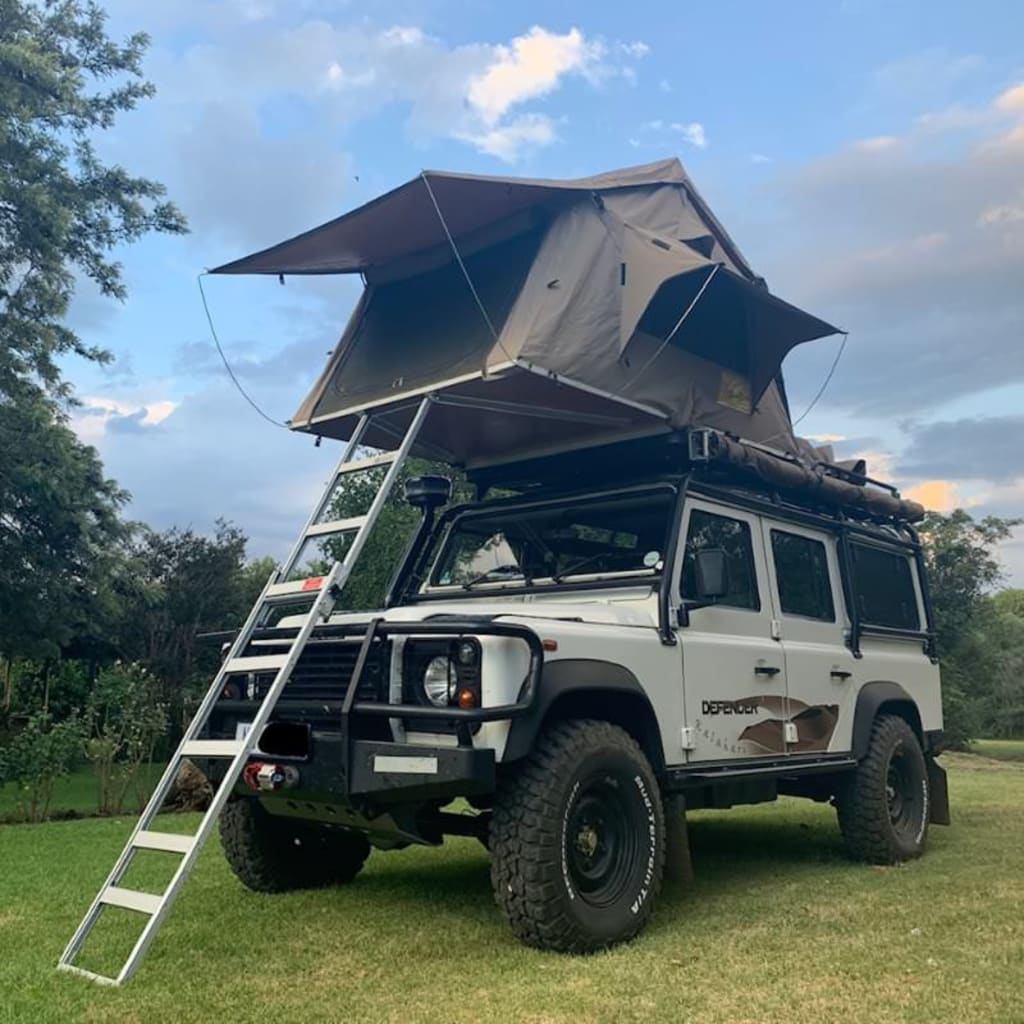
Transitioning from ground-based camping to a vehicle-integrated setup marks a significant shift in expedition efficiency. While traditional tents have served travelers for decades, the integration of a truck cap provides a structural advantage that aligns with the demands of remote travel and technical terrain. For those prioritizing durability and rapid deployment, understanding the functional benefits of a truck bed enclosure is essential.
1. Superior Weather Resistance and Insulation
Ground tents are inherently vulnerable to high winds and hydrostatic pressure from saturated soil. A truck cap provides a hard-sided barrier against the elements. According to the National Weather Service, wind speeds can double in mountainous or open-plain terrain where many overlanders camp. A rigid structure eliminates the noise and instability associated with fabric walls in high-wind conditions. Furthermore, the elevation off the ground provides natural thermal separation from the cold earth, a common source of heat loss in traditional camping.
2. Enhanced Gear Security and Organization
Security is a primary concern when traveling through remote areas or leaving a vehicle at a trailhead. Unlike the thin zippers of a tent, heavy duty truck caps feature locking mechanisms and reinforced glass or aluminum panels. This allows for the safe storage of expensive truck camping accessories, such as portable power stations, recovery gear, and refrigeration units. Keeping equipment inside a locked, hard-sided shell reduces the risk of theft and protects gear from opportunistic wildlife.
3. Rapid Camp Deployment
One of the most practical advantages of a truck cap for camping is the reduction in setup time. Traditional tents require level ground, staking, and assembly of poles and rainflies. With a truck cap, the sleeping platform is permanently integrated into the vehicle. This allows for "stealth camping" or quick stops in inclement weather where setting up a ground tent would be impractical. When the vehicle stops, the living space is already functional.
4. Structural Durability in Harsh Terrain
Overlanding often involves vibrating washboard roads and overgrown trails that can snag and tear tent fabrics. Hard-shell caps are engineered to withstand these mechanical stresses. Brands like PeakGear focus on providing equipment that survives the rigors of off-road vibration and debris. The structural integrity of a reinforced cap ensures that the sleeping quarters remain intact despite trail hazards that would easily compromise the thin nylon of a traditional tent.
5. Optimized Payload and Aerodynamics
While roof-top tents are popular, they raise the vehicle's center of gravity and increase aerodynamic drag. A truck cap maintains a lower profile, which can lead to better fuel efficiency and vehicle stability on off-camber trails. It is crucial to check truck cap measurements to ensure the unit fits flush with the cab, minimizing wind resistance. Efficient weight distribution is vital for maintaining the factory handling characteristics of the vehicle during technical maneuvers.
6. Protection from Ground Hazards
Camping in the bed of a truck removes the occupant from ground-level concerns such as mud, sharp rocks, and crawling insects. In many expedition environments, the ground may be too rocky for tent stakes or too saturated for a dry footprint. According to the U.S. Forest Service, maintaining a "Leave No Trace" profile is easier with vehicle-based camping, as it prevents the compaction of soil and destruction of vegetation often caused by large tent footprints.
7. Integrated Power and Lighting Systems
A truck cap allows for the permanent installation of electrical components. Hard-wiring LED lighting, USB ports, and 12V outlets directly into the cap creates a more functional living space than a tent. This integration supports the use of essential truck camping accessories like 12V fans or heaters, which are harder to manage in a fabric tent without creating trip hazards or compromising weather seals.
8. Versatility for Multi-Season Expeditions
Traditional tents are often categorized by "seasons" (3-season vs. 4-season), with many 3-season tents failing in heavy snow loads. A truck cap for camping is inherently a 4-season solution. The roof is designed to handle significant weight, including snow accumulation, and the sealed environment is much easier to insulate or heat using specialized diesel or propane heaters. This versatility extends the travel season deep into winter without the need for specialized high-altitude mountaineering tents.
About the Creator
Wahid Hussain
Wahid Hussain is a technical writer specialising in cloud technologies, SaaS platforms, business valuation, and digital transformation topics. With over five years of experience in SEO-driven content and technical documentation.
Enjoyed the story? Support the Creator.
Subscribe for free to receive all their stories in your feed.
Comments
There are no comments for this story
Be the first to respond and start the conversation.