Musicians
The Worst Interview Ever…Or the Best?
M Mehran I never believed in “bad luck” until the day of my interview. If there was an award for the most chaotic interview experience, I would have taken home the trophy—and a lifetime supply of embarrassment. It all started when my alarm failed. Not just once, but twice. I woke up 45 minutes late, panicked, and somehow spilled coffee on my shirt in my desperate rush. I barely made it to the office, hair sticking up like a cartoon character, and shoes mismatched—one polished, one scuffed. But I told myself, Hey, it’s character, right? The waiting room was crowded, and every other candidate looked like they had stepped out of a magazine. Confident. Calm. Completely untroubled by spilled coffee or late alarms. I slumped into a chair, trying to look busy with my phone, though I was mainly practicing deep breaths that did nothing. Finally, my name was called. I stood, tripped slightly over my own foot, and stumbled into the interview room. Three people looked up. Their expressions? Perfectly neutral. I cursed silently. Stay calm, stay calm. “Tell us about yourself,” the HR manager said. I opened my mouth, but at that exact moment, my stomach let out a loud growl. I froze. The silence in the room was deafening. I muttered, “Uh…I’m hungry?” and immediately wished the floor would swallow me whole. The interviewers blinked, then the senior manager leaned back and chuckled. “Honesty. That’s rare.” I took it as a good sign and soldiered on, despite my coffee-stained shirt, my mismatched shoes, and my very audible stomach rebellion. Questions came at me: experience, skills, problem-solving scenarios. And somehow, I survived each one—though not gracefully. Then came the “teamwork” question. “Tell us about a time you had a conflict at work and how you resolved it.” I panicked. I could either lie or tell the brutal truth. So, naturally, I went with brutal truth. “Well,” I said, “there was this one project where my teammate and I totally disagreed. It got heated. I yelled. They yelled. I cried…a little. But eventually, we laughed, talked it out, and actually finished the project successfully.” The room was silent. Then the HR manager laughed—a genuine, hearty laugh. Not the fake polite kind, but the kind that makes you feel like you just told the funniest story ever. The other two interviewers cracked smiles, and suddenly the room didn’t feel like an interrogation chamber anymore. Finally came the curveball question: “If you were a superhero, what would your superpower be?” I hesitated. Most people probably said invisibility, super strength, or mind reading. I paused dramatically and said, “I’d probably have the power to stop time…so I could sleep more before interviews.” All three burst out laughing. I laughed too, even though part of me worried it was the wrong answer. But judging by their smiles, it was exactly the right answer. At the end of the interview, the HR manager shook my hand. “You’re…unique. We’ll be in touch.” I walked out, expecting the worst. Days later, the email arrived. We would like to offer you the position. I stared at the screen, stunned. The chaos, the embarrassment, the mismatched shoes—it had all worked. Somehow, being completely honest, flawed, and unpolished had made me stand out more than any rehearsed answer ever could. That interview taught me something unexpected: perfection is overrated. Sometimes, authenticity, humor, and even a little disaster can win the day. It’s not about looking like the perfect candidate—it’s about showing you’re human, resilient, and able to handle life’s little catastrophes with a grin. And maybe, just maybe, showing up in mismatched shoes is your secret superpower.
By Muhammad Mehranabout a year ago in Interview
The Interview That Felt Like a Test
M Mehran The elevator ride to the 34th floor felt like a countdown. Each ding of the floors passing by made my heart thump louder. This wasn’t just any interview—it was the one that could define the next chapter of my life. I stepped out and found myself in a sleek, glass-walled lobby. The receptionist’s polite smile did little to calm my nerves. “You’re here for the 10 a.m. interview?” she asked. I nodded, my throat suddenly dry. She gestured toward the waiting area, where a few candidates sat quietly, scrolling on their phones or reviewing notes. I took a seat, clutching my portfolio like a lifeline. Around me, the other candidates radiated confidence. One of them even gave me a curt nod, the kind that said, you don’t belong here. I swallowed hard and tried to focus on my breathing. When my name was called, my legs carried me forward, but my mind was racing a hundred miles an hour. The interview room was stark—three chairs on one side of a polished wooden table, three men sitting behind it, expressions unreadable. They greeted me with nods, and I sat, trying to project calm I didn’t feel. “Why do you want this role?” the first interviewer asked. I hesitated. I knew the usual answers about passion and alignment with company values, but I wanted to stand out. “Because I’m tired of playing it safe,” I said. “I want a challenge that pushes me beyond what I think I’m capable of.” A brief silence followed. The second interviewer leaned forward. “Tell us about a time you failed.” My stomach twisted. I hadn’t expected that. I could give a generic corporate answer, but honesty felt heavier, more meaningful. “I once led a project that completely fell apart,” I said. “We missed deadlines, the client was unhappy, and I felt like I had let everyone down. But I learned how to communicate better, delegate tasks efficiently, and adapt under pressure. That failure taught me more than any success ever did.” The third interviewer’s eyes softened slightly. “Interesting. Most candidates avoid talking about failure.” I felt a small surge of confidence. Maybe being honest wasn’t a weakness—it was a strength. Then came the technical round, and my palms began to sweat again. Questions came fast and sharp. Some I knew; some I had to think through carefully. I could feel time slipping by, the clock ticking louder in my ears than any question. And then came the question that made me freeze: “Imagine you’re given a task outside your skill set, with an impossible deadline. What do you do?” I glanced at the panel, then took a deep breath. “I’d break it down, learn what I could along the way, and ask for guidance when necessary. I’ve learned that admitting what you don’t know isn’t weakness—it’s the first step to solving a problem.” Another pause. Then, unexpectedly, the first interviewer smiled. “You have a very different perspective. Most would claim they know everything and bluff through it.” By the end of the interview, I felt drained but strangely exhilarated. I had walked in nervous, unsure, and anxious. I walked out with a sense of accomplishment I hadn’t expected. I had faced the unknown and stayed true to myself. Three days later, the call came. I barely recognized the number, but I answered with a shaky, hopeful voice. “Congratulations,” said the HR manager on the other end. “We’d like to offer you the position.” Relief washed over me in waves, and I laughed out loud, startling a few people nearby. The interview that had terrified me, the questions that had made me question myself, had led to this moment. Sitting back that evening, I reflected on the experience. Interviews aren’t just about testing skills—they’re about revealing character, resilience, and honesty. They’re about showing you can handle pressure and still stand upright, even when the room seems designed to shake you down. That day, I realized something profound: sometimes, the interview isn’t just a gateway to a job—it’s a test of who you are when no one is looking. And if you can pass that test, everything else falls into place.
By Muhammad Mehranabout a year ago in Interview
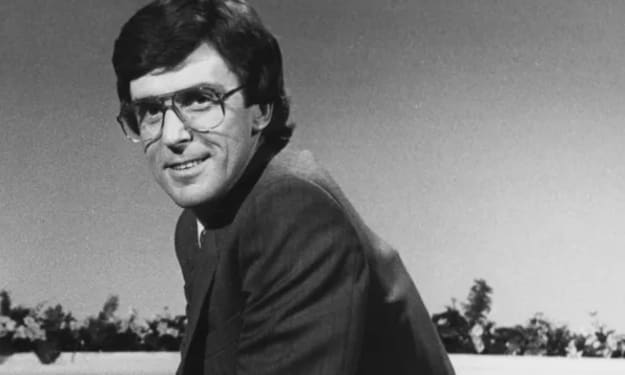
John Stapleton
John Stapleton: Celebrating a Broadcasting Legend and His Enduring Legacy For decades, John Stapleton was a fixture in British living rooms. As a co-host on iconic programmes like BBC's Breakfast Time and the consumer affairs show Watchdog alongside his wife, Lynn Faulds Wood, he became a trusted and familiar face. His straightforward presenting style and dedication to journalism made him a household name. However, recent online searches like "has john stapleton died" and "john stapleton death" have caused concern among his many fans. This article aims to separate fact from fiction and celebrate the life and career of this broadcasting veteran.
By KAMRAN AHMADabout a year ago in Interview
The EP That Changed Progressive R&B Music. James Artissen's "Blu Leisure"
In this article we discuss the EP that changed the landscape of Progressive R&B, and the talented artist that was behind the making of it. That artist goes by the name of James Artissen who is a Grammy Nominated Singer, Songwriter, and Music Producer. He is known for his unique sound, and prowess as a super producer for not only himself, but for other artists as well. Artissen also shares his insights into the meaning of Blu Leisure, and the inspiration driving his work. As he prepares to unveil new tracks, fans and music enthusiasts alike are eager to explore what this talented artist has in store. Join us as we delve into the mind of James Artissen, and celebrate his contributions to the music landscape.
By Shay McNaire about a year ago in Interview
Selena Gomez and DSAI Spark Viral Frenzy With Unreleased Teaser "Can’t Let Go Of Your Name"
Selena Gomez and DJ/producer DSAI have set the internet ablaze with what fans believe could be one of the biggest collaborations of the year. The viral moment comes from a dramatic teaser titled “Can’t Let Go Of Your Name”—a one-minute clip shared on DSAI’s Instagram that has already racked up millions of views and countless fan reactions.
By Arpan Thapaabout a year ago in Interview
Deep Dive: Dr. Hwanwook Lee Harmonizes Cultures Through Choral Education
Dr. Hwanwook Lee, a distinguished conductor, educator, composer, and scholar, is making profound waves in the world of choral music, effortlessly bridging continents, cultures, and generations. With a career spanning over a decade of international experience, Dr. Lee’s work is defined by an unwavering commitment to musical excellence, cross-cultural exchange, and education, establishing him as a respected figure in both academic and professional music communities.
By Lisa Rosenbergabout a year ago in Interview
From Brazilian Roots to Global Stages: Leo Varella Redefines Modern Musical Mastery
From Brazilian Roots to Global Stages: Leo Varella Redefines Modern Musical Mastery In an era where musical boundaries are constantly blurred and global connectivity is paramount, Los Angeles-based musician and music producer Leo Varella stands out as a true architect of sound and performance.
By Lisa Rosenbergabout a year ago in Interview