
An Interview with Corbin Bernsen and Maggie Lawson
Discussing Woodstockers, finding themselves in their characters, and what Psych really means to fans.

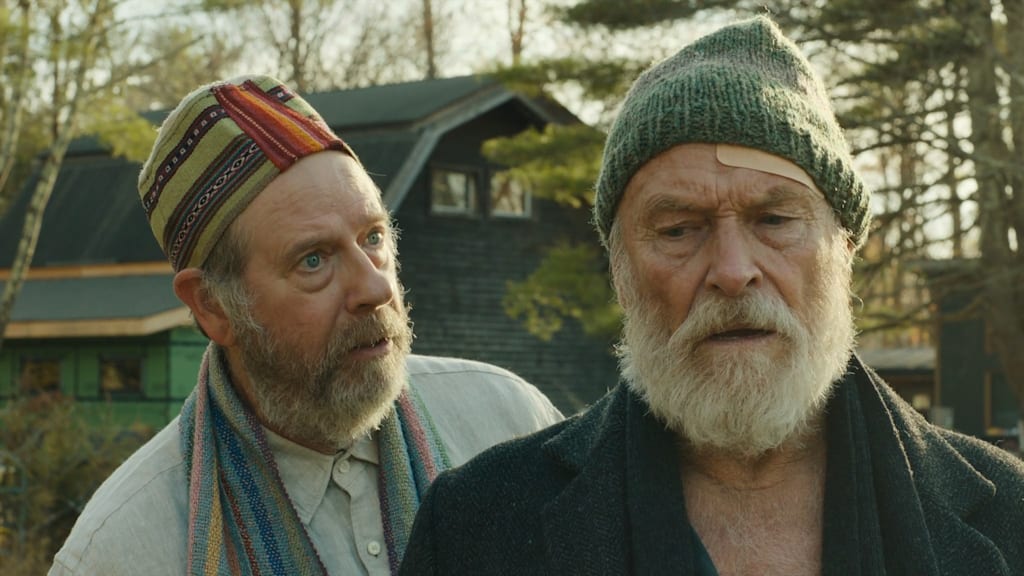
The May 8 premiere of Woodstockers at Series Fest is just around the corner, and the cast and crew of the upcoming dramedy have had plenty to say about the show.
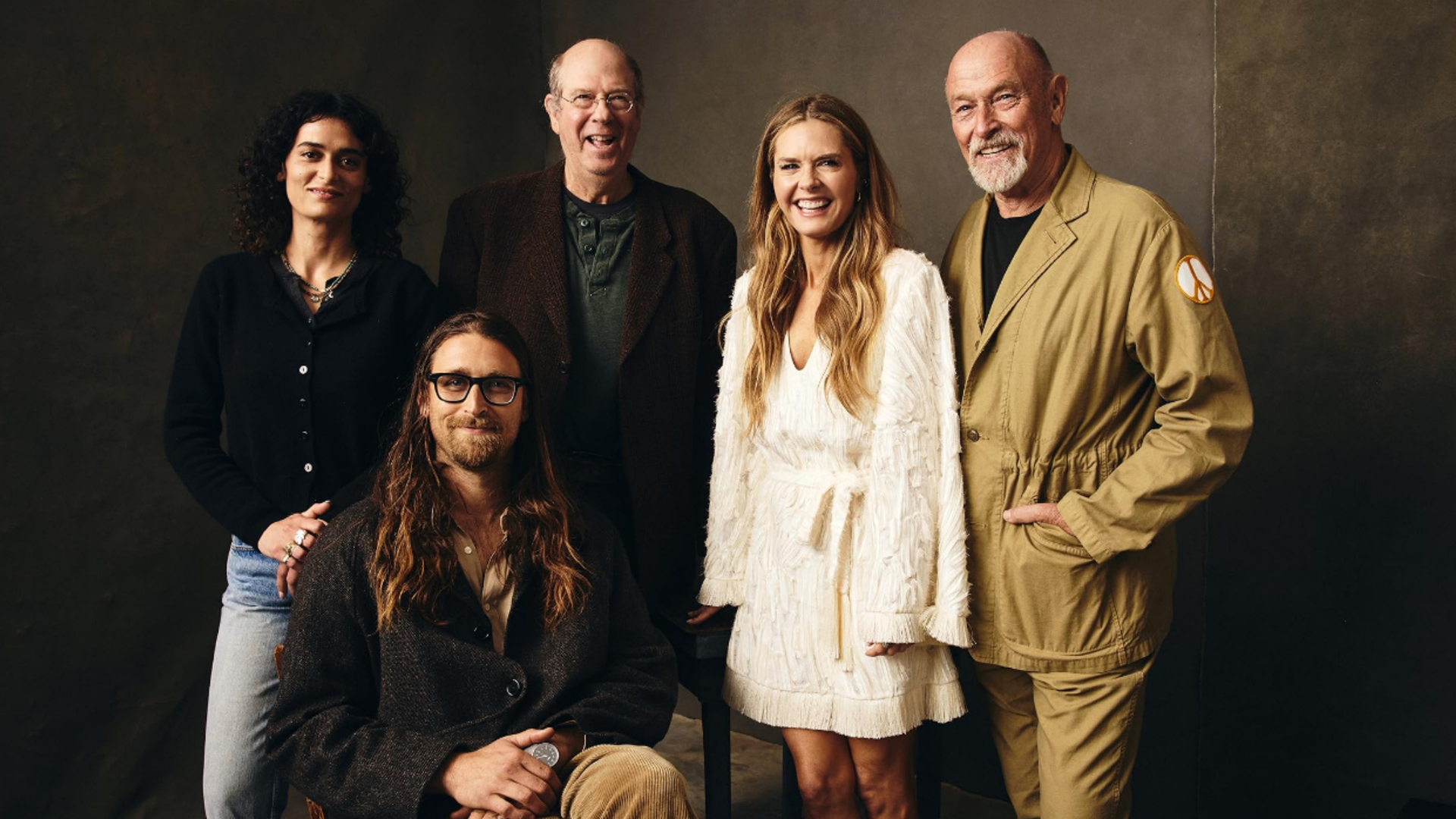
Prior to my interview with director Oliver Bernsen, I was lucky enough to speak with creator and star Corbin Bernsen and co-star Maggie Lawson, each of whom offered their own insights into the series, where Woodstockers falls on the genre line, and whether Psych 4 is ever going to happen.
John Dodge: Corbin, in the creator statement for Woodstockers, you talk about the series' base concept changing from a silly stoner comedy to what it is now. At what point in that shift did the whole four season overarching narrative come into play?
Corbin Bernsen: Really, it was after I spoke to this guy, this guy, this wonderful man, Michael Lang, who was one of the organizers of Woodstock.
He read, he's since his past, but he read 4 episodes of it, and we got into a deeper conversation about Woodstock was, and, you know, the idea at first. I mean, it's a pretty good elevator pitch — two guys who went to Woodstock and never left.
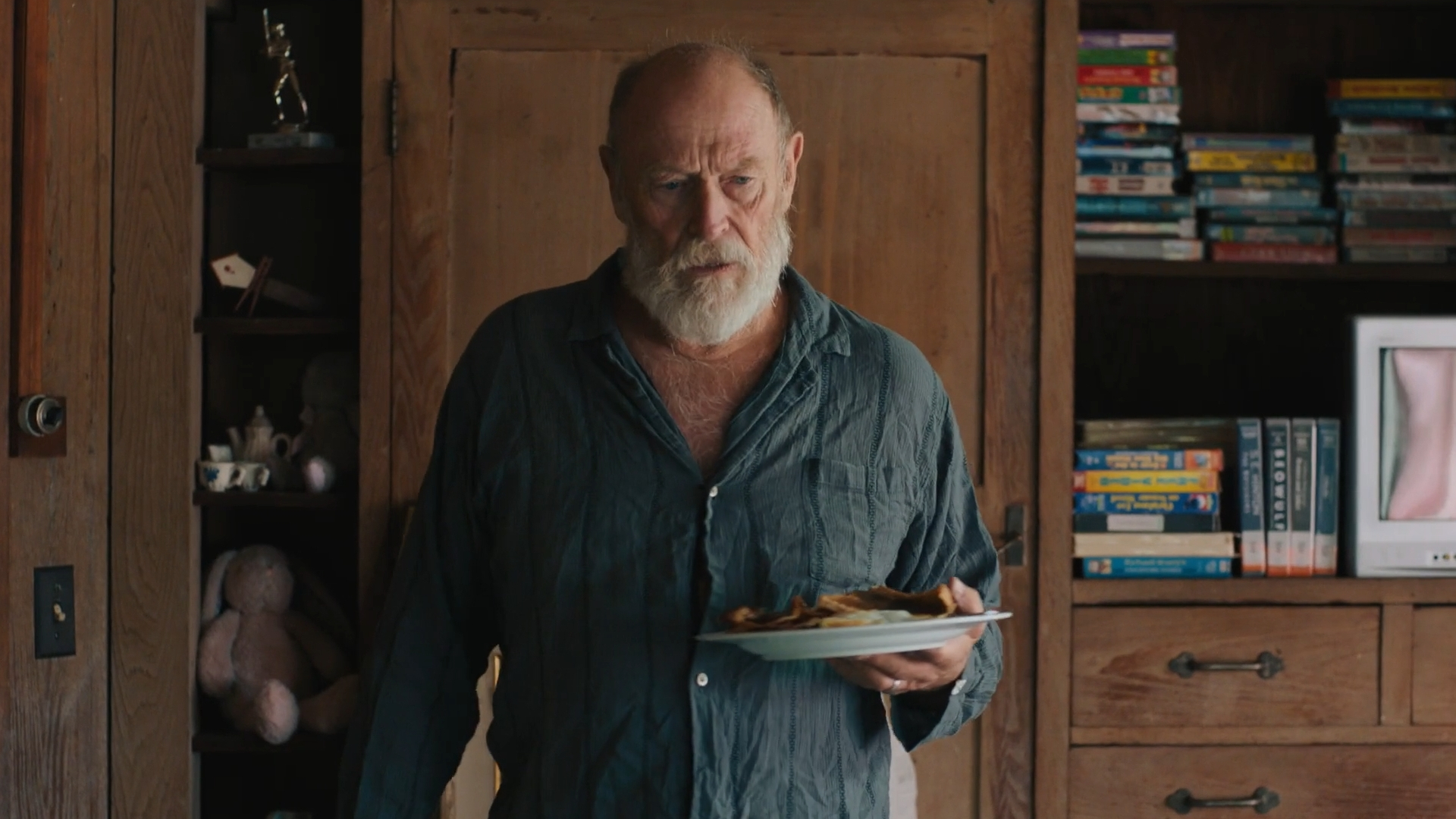
It's Cheech and Chong, it's Bill and Ted, you know, in your funny place. And as I got into it and I really realized what happened with that generation, it's sort of a failed experiment. Peace and love will win the day. I mean, look at where we're at.
And then another piece of my life collided with it, which is what I call The Reckoning, where you, you get to this Act 3, and all the parts add up. In fact, the episode title of the pilot, it will be "Part and Parcel." It's, you know, whether the pieces add up or not, that's the way it is.
And, and I got into this thing about really coming to peace with what you've done in the bed you've made and, not just sleeping in it, but embracing it and then moving forward with that knowledge. So it got it got heavier.
But then my son Oliver came in who very... In one of our reviews actually he said something really wonderful about he just, he won't let anything go too long, too serious until he kind of upends it and dismantles the whole thing and finds a humorous side. Which I love and really, historically, I go back and that's what Steven Bosco did with LA Law. That's the stuff I love.
So, within all that, and then when we started doing it, it just was, you know, I look at Maggie doing a scene, it's very real. We don't have to play humor. There's human stuff about fathers and daughters.
JD: All right. And so I assume you weren't there for the original Woodstock. You have been like 13, 14 something, right? But still, the event definitely had some profound cultural impact there. How much of young Corbin Bernson is there to Lenny?
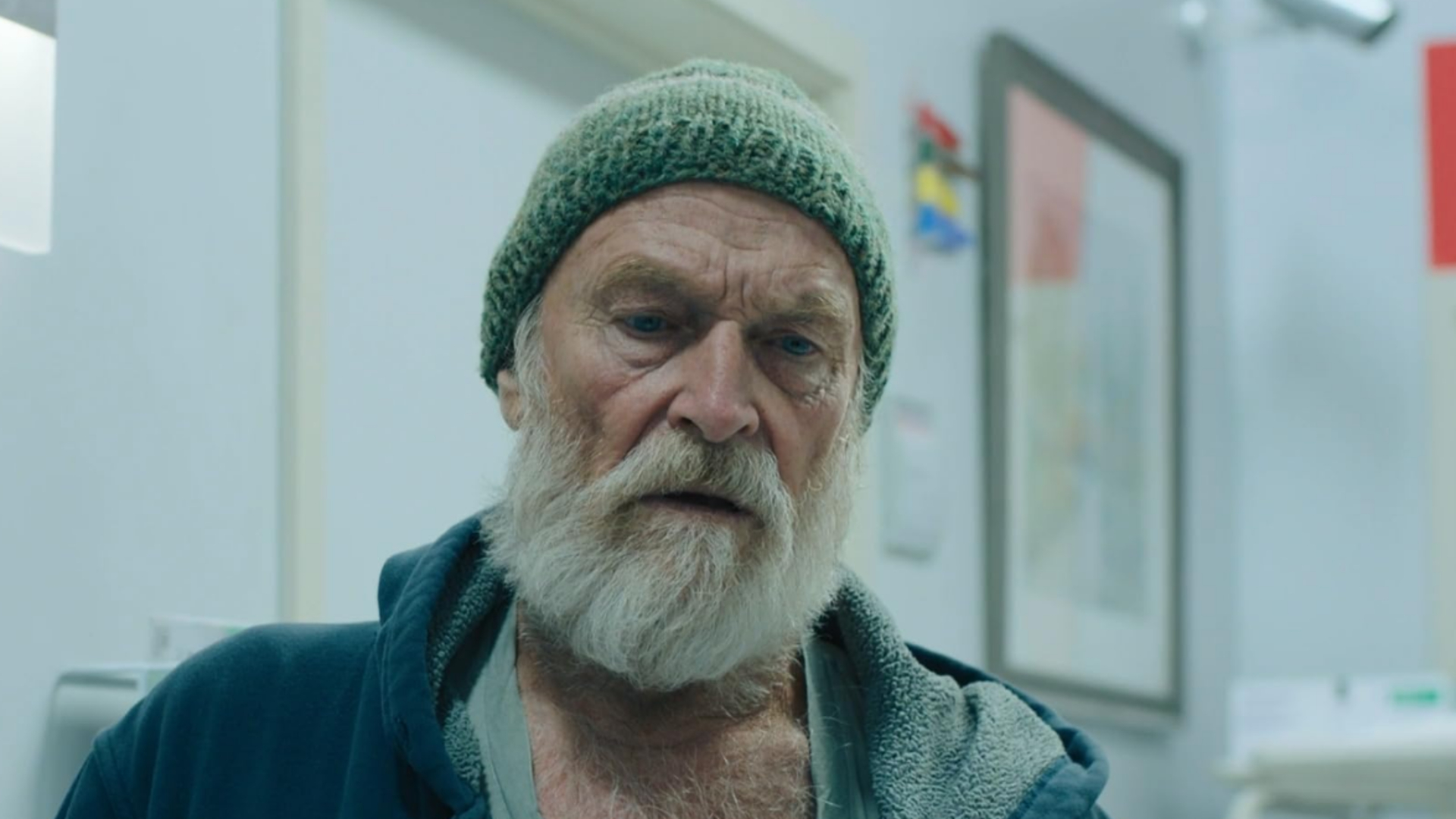
CB: The excitement about the music... I was super, super excited about that period. I was like, the kid who's 14 hanging on, I used to go stand at the back of the troubadour in the alley in Los Angeles, and Elton John would be playing inside and people I'd listen through the back door.
I was super, super excited. The little boy, I, that, Lenny is the old version of the little boy in me, in fact, you're going to find out when we do this show. I came to this conclusion the other day, actually in, in Austin, I took a long walk and I thought, "No, this is going to be me, man. I'm just going to let me pour through this."
Through Lenny, it's not my exact circumstance, but, there's a lot of Lenny... You know, I'm 71 years old and I'm trying to do this crazy wacky thing, this create an independent TV series, and not run with the normal big people and all that, and it's like, that's the spirit I had as a kid.
I was a kid who made a lemonade stand and drove to the bus stop, would make like 2000 or $300 a day with my lemonade, portable lemonade stand.
JD: That's incredible.
Maggie Lawson: I love that.
CB: Like back in the true story. I made so much money that Beverly Hills police actually stopped me because... I had this little electric cart and I rode to the bus stop at at Santa Monica Boulevard in Beverly Drive where there's a major change your bus thing.
I would make 20 to 300 bucks a day just sell. They're like, "You're making too much money on the street corner." They stopped me. They escorted me home. I was like 10.
JD: You get two seasons out of an idea like that right there.
CB: But, yeah, so that spirit, that, you know, that spirit is in me, and I think it's in Lenny and I, I think it will be reflected.
I have some good ideas about how music will progress in this thing, based off of that performance of Gillian Medford singing Ozzy's "Changes." I have an idea, I've been talking to Oliver about some cool ideas about [how] we want to bring music in.
JD: Maggie, kind of in the same vein, Alice in the show leaves home fairly early and goes to do her own thing. You went from WDRB to Unhappily [Ever After], right? Like, at a super young age.
How much of yourself did you get to bring to this role, even if the two journeys are very, very different in terms of their tone?
ML: I think that, oh, wow, you did your research. WDRB, wow.
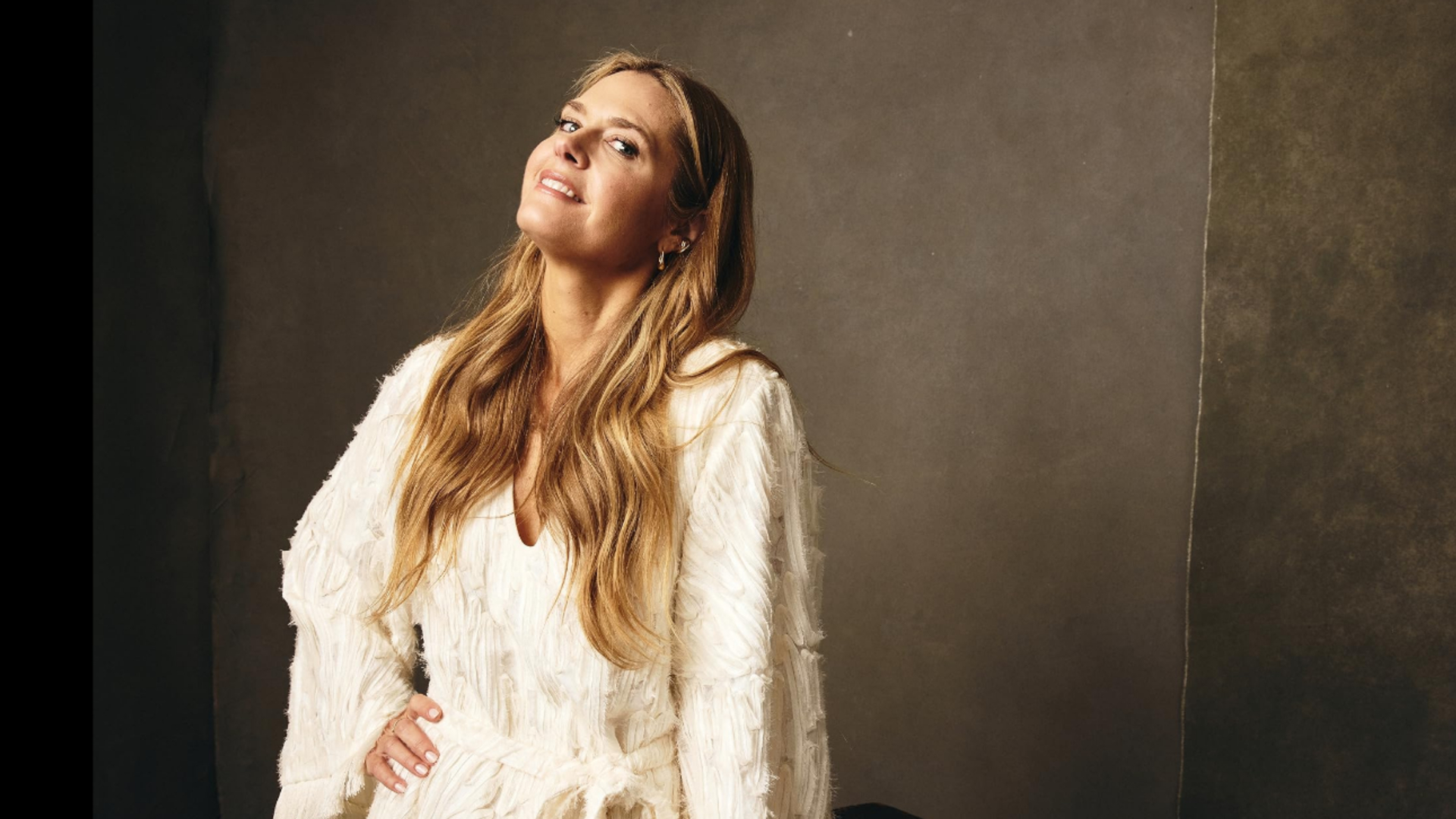
CB: what is that?
ML: Corbin, growing up in Louisville, I hosted, kids, I was like a youth journalist. From 10 to 16, from ages 10 to 16, for our Fox station, our local Fox station in Louisville.
So when the cartoons, like the afternoon cartoons would run after school when kids were getting home from school, I would do these commercials in between the cartoons about like local events for kids, and, "Be sure to check your Halloween candy and make sure there's nothing sharp in there." You know, like that kind of stuff and so it's really wild. Because, to just touch on that for a second, because I... During the pandemic, I had this feeling of wanting to get back into talk or hosting, and that's sort of how like the podcast came about.
And what I love... I feel like there's a little something in the air or something happening that I think Woodstockers is touching on, at least I'm feeling maybe in my life, which is how it feels like there's a little bit of a coming home feeling to it that. There's, there's like a nostalgia to it.
I mean, Oliver Corbin, like just the vision they had anyway, but the way this is captured in images. And I mean I talk about, I talked about this in Austin, like even the leaves, even the trees, even the nature of it, there is a character in it, and there is something that I think we all connect with when it comes to that...
That kind of takes us back to those smells and those feelings, and so it's really interesting you bring up Louisville. I'm actually going next week and so this, this to me it had been a long time since I had experienced, like, Fall. It had been a long time since I had experienced a story, that, like this, as Corbin's talking about this sort of indie... There's so much heart in it and to sort of jump into the experience and the way they kind of designed it, which is, you know, his whole family's a part of it.
And so there's naturally this family dynamic that's already in there, but then the dynamic between father and daughter, which Corbin knows me and he knows a lot about my life and he knows a lot about, you know, my relationship with my dad. And over years of Psych, you know, we had talked about so often how he wanted to to do something where we could play father and daughter because we, we love going deep.
There is no small talk with Corbin Burnson. Like you are in deep immediately or you're not having a conversation with him. It's one of my favorite things about you, Corbin. It's like he wants to get to the heart of it. Like he always wants to get to the heart of it and the truth.
And so, anyway, we would have these conversations, and he talked so much about it and people talk about this stuff all the time, "I want to do a project with you blah blah blah blah blah." And then he he did it, and there's this story that is something [that] has happened. There's something sort of like, divinely, I feel orchestrated about this whole thing, the timing of it, Corbin's family, our relationship in real life and my relationship even with my own dad in my life.
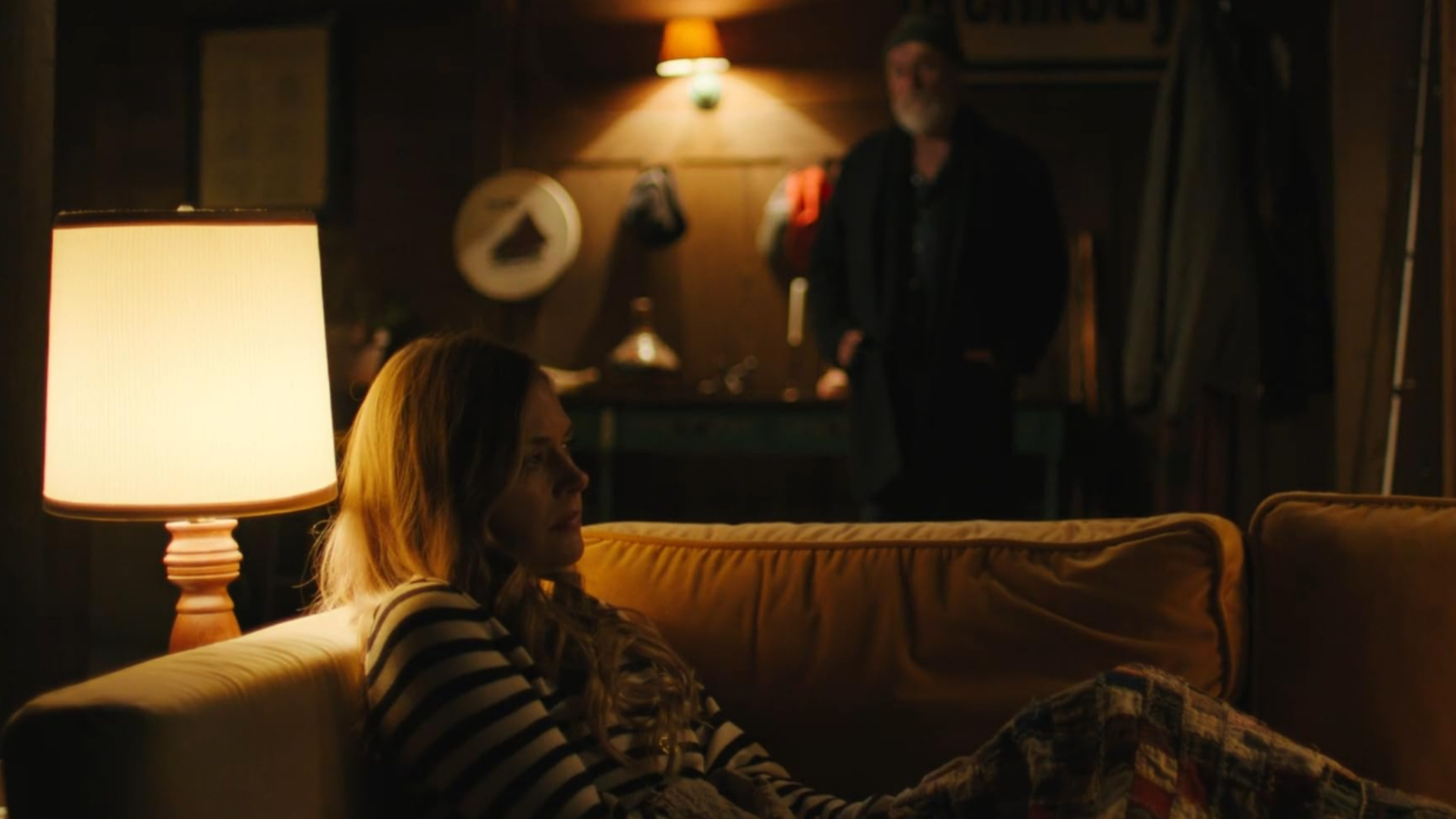
All of that is a part of it. It's all here. It's really beautiful.
I'm sorry, I went on a whole tangent... To come back to what you were saying, the relation between Alice and Maggie, I've talked to Corbin about this a lot. I learned a lot actually, and I think this opened a little bit of a channel or like a door for me in my own life to kind of, you know, make some moves and repairs, and it's just been a beautiful thing.
So yeah, I relate fully. But also I think it was, it's a very healing experience too.
JD: That's amazing to hear.
CB: just to add to that because it goes off what Maggie said, but it goes to something very '60s.
You know, in the '60s, what we, and I'm gonna put myself in that group even though I was standing in the alley outside the back of the stage door, we wanted, we knew, and it was coming out of Vietnam, World War II, things got, you know, really good in the country. Then we went back to Vietnam, and the songs are going back to the garden and, however metaphorically you want to look at what the garden is, Adam and Eve, the garden, you know, we're going back to the basics, and I think kind of what Maggie's saying here and is what's happening — This is not planned.
This is just, we're just doing stuff we believe in and this is happening. Yeah, there's no agenda. The world, there's zero agenda. And, and everything is a happy accident.
But the world, given everything, when you go from this and turn on your news channel, whatever it is, there's only one place to go, is back to the garden. Because it's so messed up right now. And I think again, that's just a beautiful piece of timing that we have, I wouldn't say lucked into. We just plugged into what's going on.
ML: That's why I said it. It feels almost like a divine, like we, that was not the plan.
It was like, let's just tell this story, this beautiful story. But it, it naturally has fallen into this space of, I think, and time where people are coming, as you said, going back to basics, back to the garden and coming home. Like to ourselves.
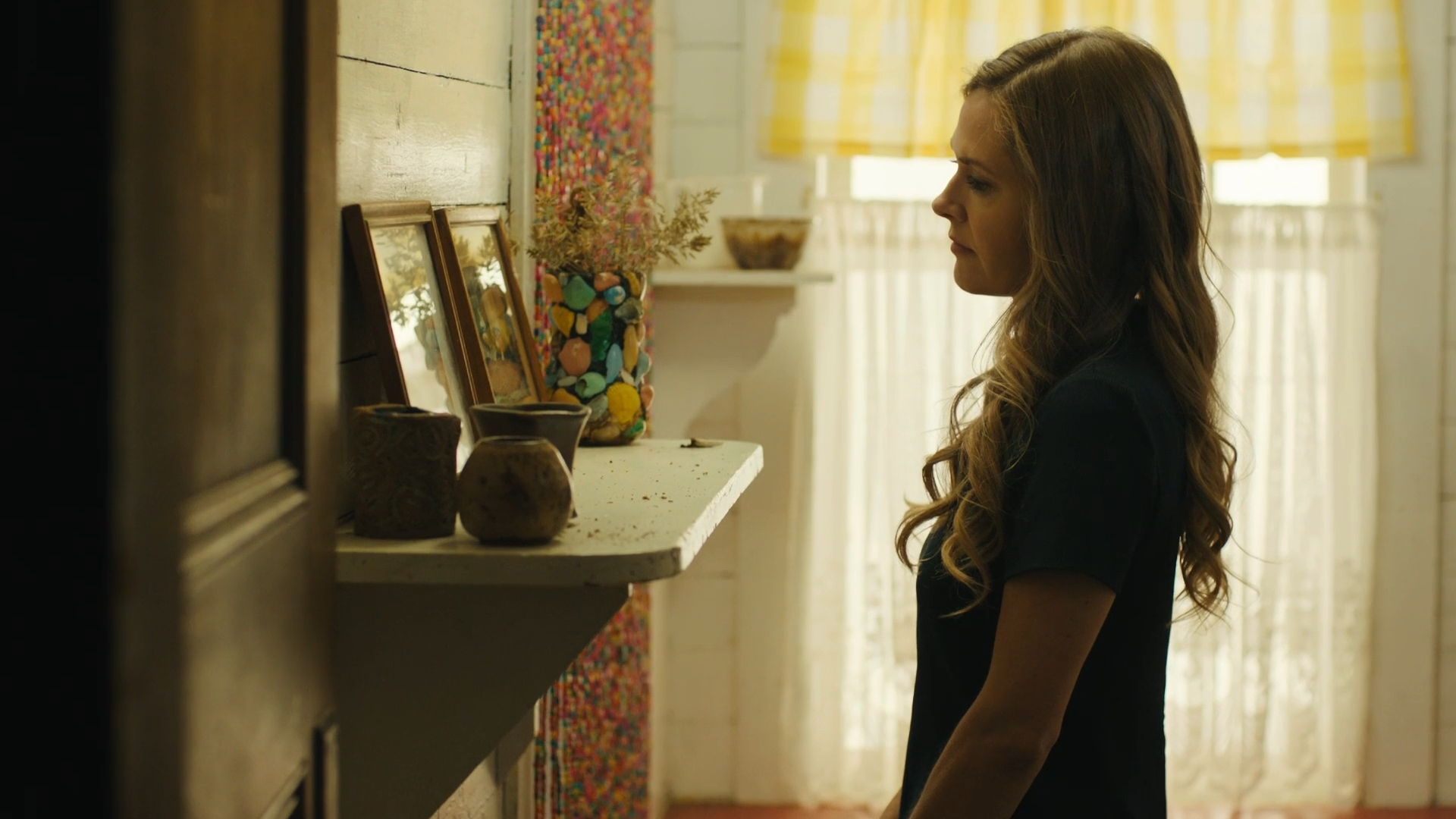
CB: There was a beautiful scene where you and I were staring at the dead garden, you know. And of course that's Oliver. We throw some funny line in. "You gonna grow some weed now?"
But you know, we're looking at the dead garden and we're, and the notion is fix it up, and I think we're at that sort of crossroads right now. But yeah, that's getting heady.
ML: Yeah, listen, I just, I'm like I'm in such a space with this where I'm just like, "Yeah, I'm just gonna share it." Because that's, yeah, that's what it is.
JD: So, the series is full of pretty drastic tonal shifts, which I think we kind of touched on a little bit, but was there any particular way that either of you approached maintaining the pacing and the humor throughout those?
CB: Mhm. Well, I can just say I just, as always, went for truth. And really the pacing and that comic, like when you let the air out and... Again, it's, it's, you know, Steven dies, everybody knows, we're going to tell people what's ahead, and, and I'm looking at, at my dead friend and there he is with a, you know, 7 to 8 inch erection in his deathbed. And, and that's just Oliver going like, "Let's not get too, too heady and let's not get too caught up in the melodrama. Let's dismantle it and let's put a piece of humor in."
That was all Oliver, so that shifting between the worlds, I really, I'm going to give a lot of credit to my kid and the editor .I think, I just, for me, I just played it real.
ML: That's how I feel too.
CB: Yeah. You know, I have goggles on when I'm chopping onions because my eyes sting, and you say, "Take off the stupid goggles." I mean, there's nothing, there's no written joke there.
ML: No.
CB: It's just I really don't want my eyes to sting and you really think I look like an idiot, you know. It's, it's life. That's how we deal in life and, and discomfort.
I think a lot of times it's like. You know, we, we make a joke just like, "What, are you going to grow some weed here?" Like I'm, I'm obviously having feelings about the situation, but at the same time we can't access that in a vulnerable way, so we make a joke, you know. Or we have to make a dig or a jab, but that's just life.
ML: It's exactly what Corbin said.
It's more just like the truth of it and the truth of the relationship and the dynamics of the characters because I don't feel like we ever go for humor.
JD: So I was watching Woodstockers last night, it's fantastic, by the way, so how —
CB: Do you just say that because you're doing an interview?
JD: Oh no, I really enjoyed it. This is, the, I was honestly kind of surprised by some of the shows it was compared to in the pitch deck.
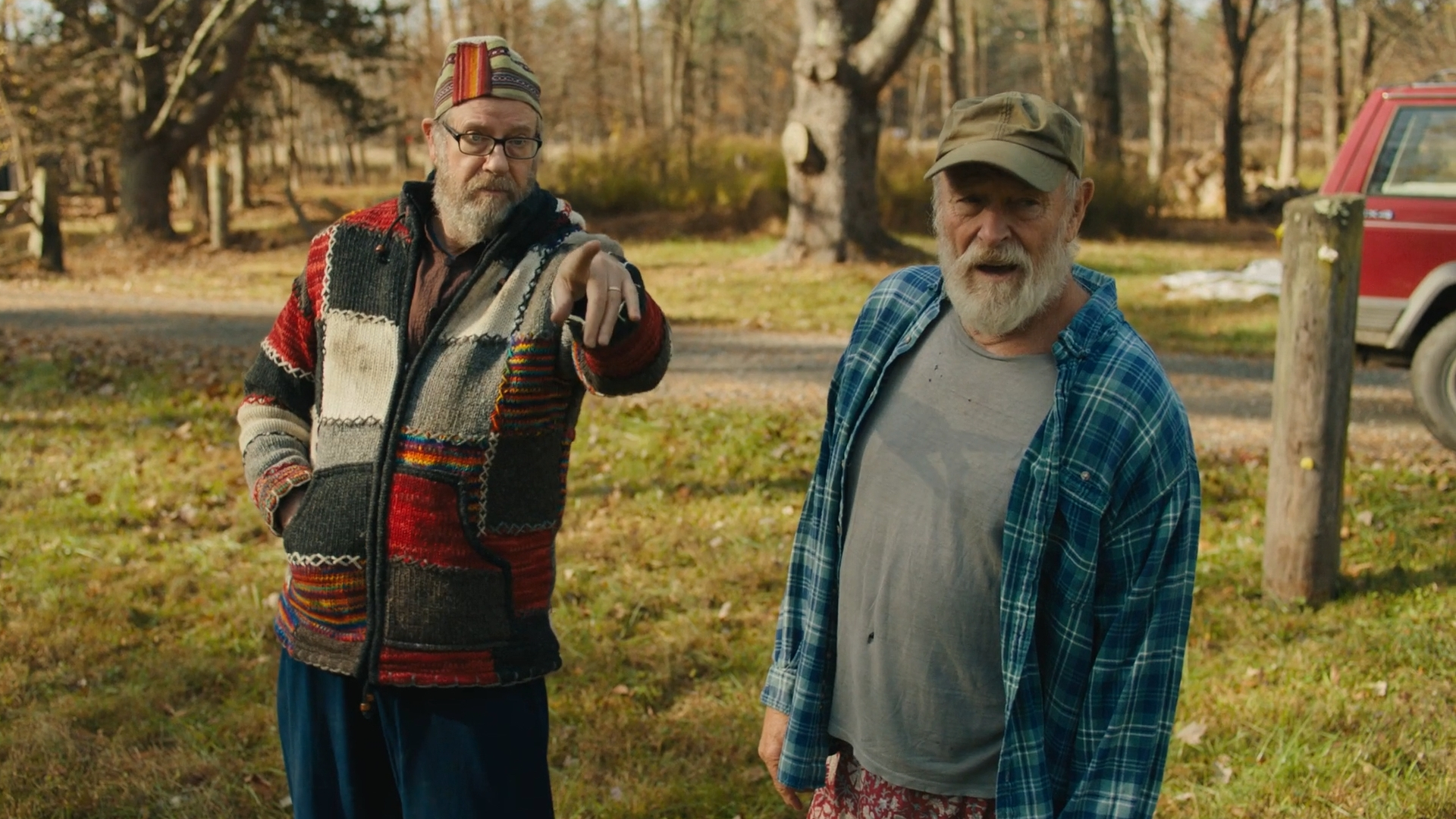
CB: Oh, no, I have a question for you. It, it's kind of, it kind of like, puts everything in perspective here. If, God willing, we get a show made, and it gets any kind of award, are we a comedy or a drama?
JD: Oh, man.
CB: That's a tough one, right?
JD: Oh man, that is, I —
CB: No category for dramedy.
JD: Unfortunately not, yeah. I would say it probably ends up in the drama category.
CB: Good, as it should. [Maggie], you wanna go comedy?
ML: No, I think, I think drama. I think drama.
CB: Yeah, because if you say comedy, it kind of creates this expectation of being a funny show.
JD: Right.
ML: Yeah.
CB: Okay. Anyway, sorry...
JD: No, not at all.
CB: Yeah.
ML: I don't know what it's been compared to. What's it been?
CB: Oh, in the pitch check we compare it to, what is it?
JD: Afterlife.
CB: Afterlife.
JD: The Kaminsky method is the other one.
CB: Well, The Kaminsky Method, I think, is the age, you know, my son Henry put the pitch deck together and actually did a really nice job with it. But I think it's more like Afterlife because I, I love that show.
It's not exactly the same, but, you know, the guy's grieving the death of his wife. We got this funny so that I think is the place, although that leans into humor because Ricky Gervais is just so funny, you know.
JD: Speaking of funny, even though the show is definitely not a comedy, a lot of the humor comes from, at least in my opinion, just the kind of pitch perfect casting that you got for this. How much of that had you decided going into developing and producing the pilot?
CB: Well, as I said, Maggie and I have been talking about, 20 years, trying to — Can you believe that? 20 years. Trying to like, I wanted to do something with her. There's an internal world in Maggie that fascinates me, and I'm just glad we could finally do it here.
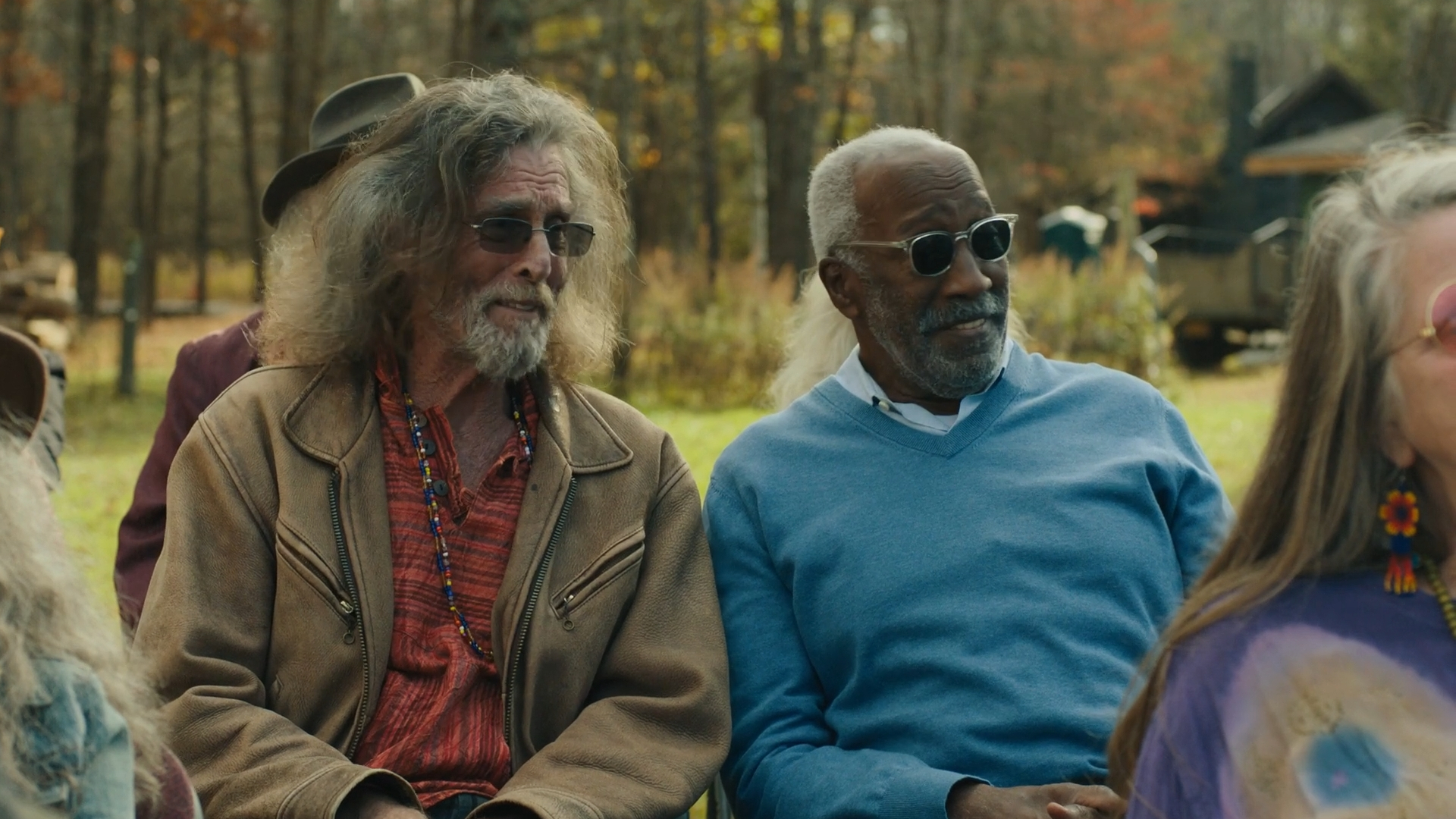
ML: Ditto, ditto.
CB: The rest of it was like, Susan Ruttan, I knew and I loved, and she was in, look, some of it is, First and foremost, it's all about the ability to do it and do it, be the right person.
I learned a lot about casting during this thing. When I don't get a gig and I get upset and I go like, "Well, no, he's better. He's it. He's that character." No matter how much I wanna be it, I'm not it. And Susan Ruttan was exactly who I wanted.
Some other friends like Lee Wilkof, who's just so funny, and I love Lee. I just talked to him for a bit. John Glover's an old friend. The only one that was kind of in a little bit of a flux was, because Maggie and I've been working with Kurt Fuller, and Kurt's so funny.
My original concept was that Kurt could be, although Stephen Tobolowski, but he was working quite a bit and Kurt was close to us. But then when I got in and I realized Kurt and I kind of offered the same vibe, oddly enough, and it needed somebody like Steven to be, it just Steven to be that guy. That, that, that old hippie dude.
That said, I have an incredible storyline for Kurt, and I can't wait to unseal that. I mean, hopefully Kurt will still want to play [the role]. I think he will, but, you know.
JD: I really hope we get to see this happen. It's, it really is a super fun pilot.
CB: You're gonna see it happen. It's, if it ends up on YouTube as an independent thing, it's gonna happen. I, it's, well, I think it's gonna happen. I hope so.
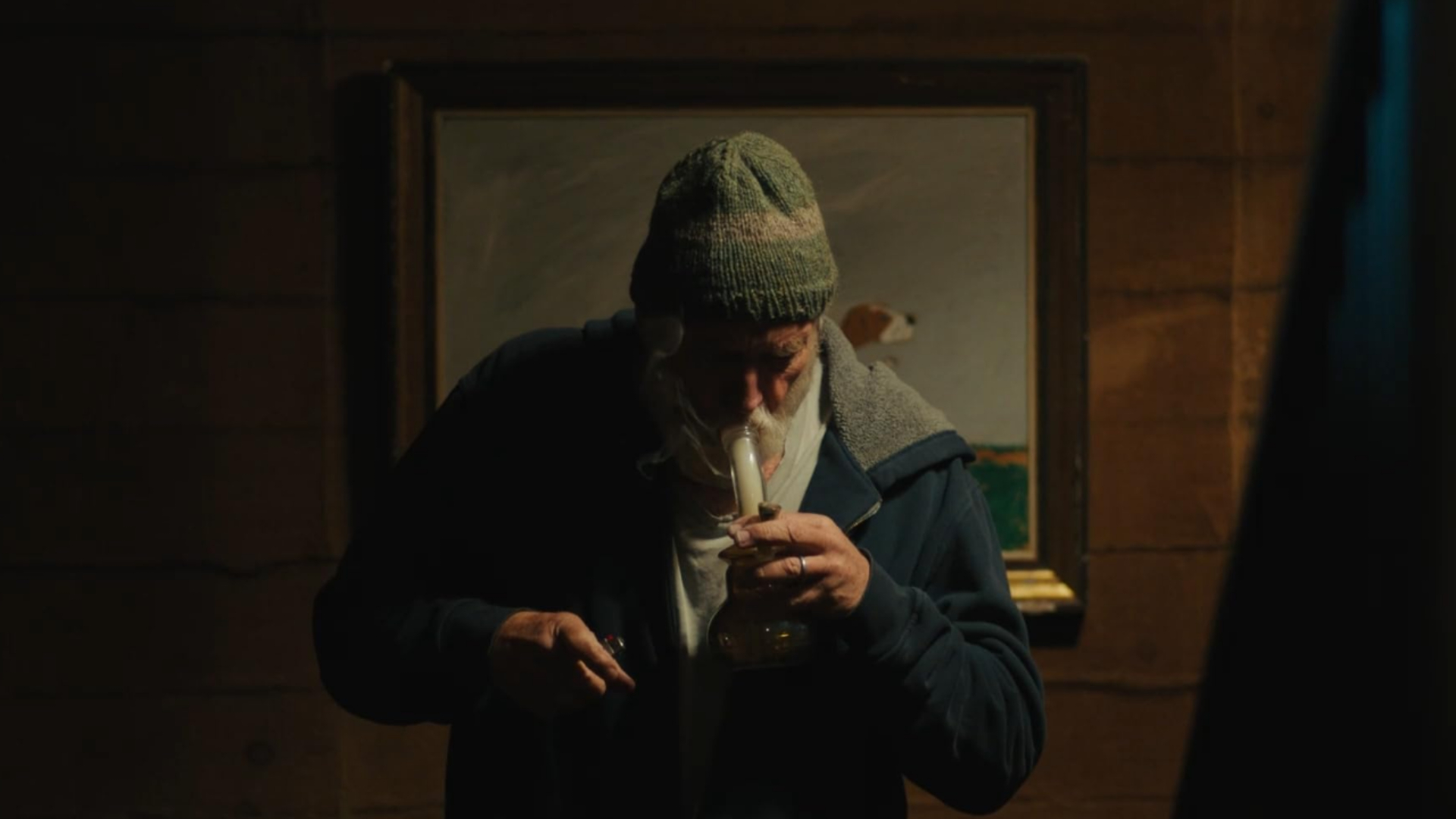
JD: So, a little bit of maybe a spoilery question, this is just for me. That final scene from the pilot, do ghosts actually smoke weed?
CB: Mhm, your ghost actually, first of all, is he a ghost?
And the important piece of that scene is not what you ask. It's Maggie, Alice, looking at the window, me talking to nobody.
So we have a whole place to go. Is, is there dementia? Is there, you know, she's concerned. You know, she's concerned for what she, she sees me holding out a joint. If you notice, we're, we're gonna have to come up with some rules.
Oliver is big on, I heard, you know, he had a film there called Bagworm, and he talked a lot about the rules of that film. We're gonna have to come up with some rules about the ghost thing. I call it my conscience.
JD: I love that.
CB: The ghost. And, if he did smoke weed in the day, he probably would still be smoking weed, you know.
And my mother was a, a drinker. And if I ever conjure her up now, she's probably, she doesn't drink anymore, but she's, I remember her as a drinker, so —
ML: I certainly hope I can have wine as a ghost.
JD: Oh, definitely.
ML: Yeah.
JD: All right, so, I just have a couple of questions left here. One, obligatory, any word on another Psych movie?
ML: I mean, it's still, it's still in the circling ether. I think that as of right now we don't have a next step in that. I just know that it is still being considered.
JD: All right.
CB: And the important thing is all of us would love to do it.
ML: Oh my God .
JD: That's good to hear.
CB: We all love to do it, you know, the longer it goes, it gets into this weird thing where we're all older, it's a little bit, you know. It's, some of the beauty of that is, you know, James is so young when he's doing it. And it just, it does something different if you're a guy, you know, in your 40s and you're still doing. It's, it, you know, it kind of, it's going to become, I don't know, not our problem, but —
ML: I think that's hooey
CB: What?
ML: I said I think that's hooey. Let's go have fun.
CB: Yeah, absolutely.
ML: No, but I hear, I hear you. I do think that the, that let's like, let's do it. Let's do it like, sooner than later for lots of reasons.
CB: I think let's not do it around Henry's death. That's the, I mean I'm 71.
JD: It came up.
CB: Do not wait too long till it's all about Henry's ghost.
JD: All right, and then the question that's just kind of for me, Corbin, do you have a new favorite snow globe right now that you've added to the collection? And Maggie, do you collect anything these days?
CB: I'll answer mine, and I did get one in Austin as I was sitting at that theater, the Alamo Drafthouse, thank you again, South by Southwest. They were extraordinary to us to do this. I'm walking out and in their little souvenir area, I see an Alamo Drafthouse snow globe.
And I thought, "That's a sign," and that was my newest one. Unfortunately, it's being shipped from, Texas to New York right now. .. Yeah, that's my newest one. And, by the way, just a little sneak peek here, I'm actually doing a snow globe book right now.
JD: Oh, phenomenal.
CB: I just shipped them all from [New York] to LA. I'm opening up the entire collection. Photographer's coming up. We're doing a story and it's going to, yeah, it'll be ready for Christmas 2027.
JD: That's amazing. I hope I get to see that.
CB: Like I need another thing to do I'm not really a collector of anything.
ML: The only thing that came to mind was like when I travel, I always pick up a new journal.
JD: Oh, I, I've got too many of those. I do the same thing. I'm staring at a pile of journals that came back from the Dominican last year that are still in the plastic.
CB: What's that?
ML: That is so cool.
CB: Hey, journals, what do you mean journals?
ML: Like, like I, I grab like usually a leather bound journal. Like I'll just go into like a paper store or a bookstore or something wherever I'm traveling and I try to like, pick up whatever journal sort of speaks to me to represent the, the significance or energy of the like time or whatever.
You know, so depending on where it is it can be a different color sometimes they're like different paper, yeah. That's the only thing that came to mind as a collection.
I don't think of it like it's just something that kind of marks the trip or like, you know, a new place I've gone and it can be literally like San Francisco. It's not like it has to be another country or something, but I do like to, I just like going in stores like that and then finding a piece.
I love that you have so many from the Dominican.
JD: Oh, yeah, we picked up a couple there and then my sister's been getting me journals every year for my birthday since I was like 15, since I started seriously writing, and it's just, it's, it's a problem at this point.
CB: Let me tell you, any collection becomes a problem. Yeah, collections are a problem, especially when you have 10,000 snow globes.
JD: Yeah, I was looking at the, I was looking at the stats on yours, and it's pretty impressive.
CB: Yeah, I might pull them out for the first time in New York, in two weeks.
ML: Oh, that's so cool.
CB: I have a question for you just before we go... What do you think the Psych... You think Psych people will Be okay with this show, or will it, I mean, I mean, I'm curious, is it?
I mean, obviously Maggie and I are in different roles and people love seeing that. How do you think it would play to that base?
JD: So, for me personally, Psych was a regular weekly thing with me and my parents. That's one of my favorite memories from when my dad was alive is just we had these, you know, because he was always working and at at the time I was getting into bartending and university and all this stuff, and so The regular shows that we got to watch together, were, were really important.
And Psych was a big one of those, you know, a lot of those USA and FX shows from that era. That being said, I don't know that a lot of diehard Psych fans hold so much of an affinity for Psych itself as kind of the period in our lives it represented, and for y'all as the stars.
Like seeing, seeing the two of you in Woodstockers together, just that was really fun for me and took me back to, you know, that era of really amazing network TV before everything fell into a streaming hole, right?
So yeah, I don't think Psych fans are gonna have any issues with [Woodstockers] other than we want to see all four seasons.
CB: Right, good. Good. Four seasons.
ML: Oh, Four Seasons. I love that.
CB: God, Winter is gonna be beautiful.
JD: I mean, that was my favorite part of the pitch deck was the way that you've broken it down conceptually. That's, that's just really beautiful.
CB: It's going to be. And I have a beautiful, you know, the hardest thing is do you know your ending, and I know the very last thing, and I'll tell you... It's going to be the hardest acting we both have to do is like, I'm good with it, but I still am not sure about it.
JD: I look forward to it. I really, I really hope we get to see the whole series play out.
Woodstockers premieres at Series Fest on Friday, May 8.
About the Creator
Enjoyed the story? Support the Creator.
Subscribe for free to receive all their stories in your feed. You could also become a paid subscriber, letting them know you appreciate their work.
Comments
There are no comments for this story
Be the first to respond and start the conversation.