urban legend
Urban legends have captivated us from ancient eras to the modern day; a deep dive into scary lore and 'could be true' tales about Bigfoot, Slender Man, the Suicide Forest and beyond.
The Aswang: The Shape-Shifting Terror of Philippine Folklore
The Aswang is perhaps of the most insane supernatural creatures in Filipino old folklore, dreaded for its abilities to shapeshifting and its dull extra as a savage, tissue eating part. This chilling figure has made a moving past draw on the social and mental scene of the Philippines, where records of experiences and sightings drive forward. We should plunge into the Aswang's course of action of experiences, social work, and dependable sightings that fuel its persona.
By Kyrol Mojikal2 years ago in Horror
Blue Whale
It started as a dare. Kane had seen the whispers online, the warnings, the horror stories. But he was skeptical, a thrill-seeker, always looking for something to push him beyond the mundane life of school and work. When he stumbled upon a link for the Blue Whale Challenge, a series of tasks supposedly curated by a shadowy "game master," he brushed off the warnings and clicked.
By Tawfique Alif2 years ago in Horror
VENUS BURIED
The girl in the graveyard is your best friend, so you take her home. The night is a bruise between you, a blotch of rogue in the passenger window; the colour of fruit left out to fester. The body pries at her seatbelt, a finger, then two. The radio echoes static, the body shuffles in her seat. You study the face; the similar slice of jaw, the nose humped from where a baseball had hit her at twelve, just slightly off centre. The skin like a rain-licked plastic bag. The stink of musk and sulphur. You want to look away but you cannot. She's so beautiful, even like this. Your headlights rake warbled slits through the dirt road, a yellow like jaundice. Your hands are stiff from the cold, your lips cracked. The girl beside you is dead and you are bringing her home.
By tatu lucian2 years ago in Horror
The Yūrei: Japan’s Iconic Ghostly Spirit
Yūrei, constantly portrayed as Japanese apparitions, are the spirits of individuals who have passed on with unsettled feelings or conditions, as unfulfilled love, reprisal, or huge hopelessness. Spread out in Japan's rich huge and social legacy, the yūrei holds a colossal spot in stories, creating, theater, and workmanship. Frequently depicted with a terrible euphoria, their presence brings out both interest and dread. We should plunge into the plan of experiences, characteristics, and affirmation related with these renowned Japanese spirits.
By Kyrol Mojikal2 years ago in Horror
The Headless Mule
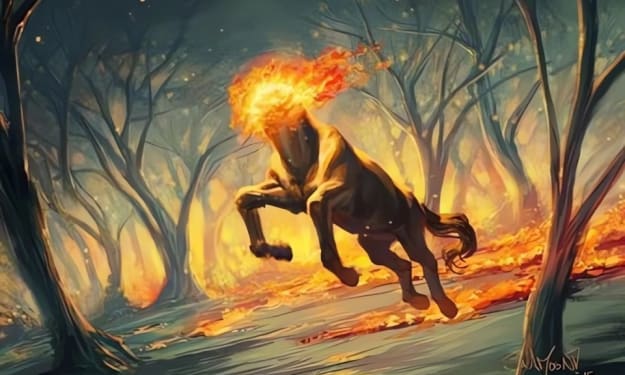
In the rich landscape of Brazilian folklore, the tale of the "Headless Mule," known as Mula sem Cabeça in Portuguese, remains a source of intrigue for audiences of all ages. This mythical being, which roams the rural areas of Brazil with its blazing breath and resounding hooves, embodies both fascination and fear. Let us explore the origins, symbolism, and cultural significance of this remarkable supernatural narrative. The story of the Headless Mule has its origins in Brazil's colonial era, with roots that stretch back several centuries. It is believed to be a blend of Indigenous folklore and European traditions introduced by Portuguese colonizers and African slaves. Many think that this legend was created to deter immoral conduct, particularly within the Catholic-centric society of colonial Brazil.
By A História2 years ago in Horror
La Lorona
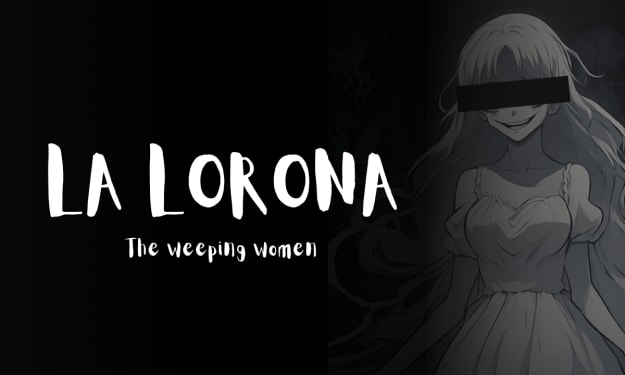
It was a humid, sticky night when Isabella and her little brother Marco wandered down the trail that led to the river. Their family had just moved to the small Mexican town, and though Isabella was only twelve, she was already tired of babysitting Marco. But when he begged to see the river under the moonlight, she finally agreed—if only to escape the cramped silence of their new home.
By Tawfique Alif2 years ago in Horror
Nightfox Reports: Got Brains?. Content Warning.
Today I have another tale to tell, a tale of decapitation, a mad scientist, and Section 8 housing, and it takes place right here in the suburban paradise of the San Fernando Valley, specifically the little community of North Hills, just north of Van Nuys. I was riding my skateboard down Nordhoff Street this afternoon and missing all the hookers that used to hang out on Sepulveda Boulevard before the big crackdown a year or two ago, when I saw some five-ohs racing down Nordhoff Street and turning (illegally) onto Columbus Avenue (a.k.a. Crack Alley), sirens blaring like a pack of howling wolves. One unit after another raced around the corner and went shooting down the street. My immediate thought was that something very, very bad must be happening and I should definitely not go near Columbus Avenue. I should just continue on to the local library to return my books and then head home to study and check my stocks on the internet like any normal person would. So of course I turned onto Columbus and followed the line of police cruisers…
By Samuel Wright2 years ago in Horror
Understanding Food Poisoning: Causes, Symptoms, and Duration
The Causes, Symptoms, and Duration Food Poisoning Food contamination, otherwise called foodborne disease, is a typical yet troubling condition brought about by devouring sullied food or refreshments. It can be caused by pathogens like bacteria, viruses, and parasites as well as the toxins they produce. Grasping the causes, side effects, and span of food contamination can help you oversee and forestall this undesirable experience.
By Unfiltered Guy2 years ago in Horror
The Evolution of Japan’s Urban Legends: From Kuchisake-Onna to Modern Myths
Urban legends have a special place in the cultural landscape, and Japan has its own chilling tales that have spread across generations, creating a mix of fear, fascination, and curiosity. One of the most infamous of these is the story of the kuchisake-onna, or "slit-mouthed woman," a terrifying figure who appears to unsuspecting people and asks a simple, yet horrifying question: "Am I pretty?" Behind the mystery of the kuchisake-onna, though, lies a larger story of how Japan's urban legends have evolved, impacted by modern culture, technology, and societal changes. The Legend of the Slit-Mouthed Woman The tale of kuchisake-onna has become one of Japan’s most well-known urban legends, with roots dating back to the late 1970s. The story usually follows the same format: a woman, often wearing a face mask, approaches a passerby—usually a child—and asks if they think she is beautiful. If the person says yes, she removes the mask to reveal her face grotesquely cut from ear to ear. Depending on the response, the person may suffer terrible consequences. What makes this tale so frightening is its simplicity and the familiarity of the masked woman, an everyday figure made horrific. The origins of this legend seem to have begun in a rural town in Gifu Prefecture when rumors spread about a woman with a slit mouth being seen in the area. Children passed the story around, each version adding new details, such as her wearing a red coat or holding a sickle. As the rumor gained traction, it spread beyond the town, moving rapidly through school districts and eventually the entire country. The story took on a life of its own, fueled by children attending cram schools and returning home late at night, their imaginations heightened by seeing strangers in the dark streets. By 1979, the story of the kuchisake-onna had spread nationwide, and the fear was so palpable that parents and teachers organized patrols to keep children safe. While the hysteria eventually died down, the kuchisake-onna legend left a lasting impression, becoming one of Japan’s most recognized modern folklore figures. The Role of Cram Schools and Social Changes The rise of the kuchisake-onna urban legend can also be linked to societal changes happening in Japan during the late 1970s. Cram schools were becoming increasingly popular, and children from different areas would gather, share stories, and spread rumors more quickly than ever before. The fear of walking home late at night after cram school made these stories even more intense. Children were not just scared of kuchisake-onna as a character, but of the dangers that lurked in the night streets, filled with unfamiliar adults and strangers. The legend also coincided with a period of rapid urbanization in Japan. Families were acquiring televisions, cars, and telephones, bringing about a new way of living. This shift in lifestyle added to the backdrop of anxiety, giving birth to legends like the kuchisake-onna, who represented a mysterious figure from the night that could cross paths with anyone. The Rise of Urban Legends in Modern Japan The term "urban legend" entered Japanese vocabulary in the late 1980s, introduced by American folklorist Jan Harold Brunvand, whose work on strange tales in the United States inspired Japanese researchers to investigate contemporary folklore. The phrase refers to modern, bizarre, but believable stories set in urban environments. These legends often have a mix of truth and fiction, where everyday situations turn terrifying, like the famous "vanishing hitchhiker" or the killer under the bed. In Japan, this concept took off quickly, especially among the youth. In the 1980s, rumors spread not only about mysterious creatures but also about everyday objects becoming sources of good fortune or bad luck. For example, Lotte’s Koala’s March cookies became a hit after rumors circulated that finding a koala with eyebrows on the packaging meant you’d have a lucky day. Companies soon capitalized on these trends, using urban legends as marketing tools. The Boom and Decline of 1990s Urban Legends In the early 1990s, Japan saw an explosion of urban legends, from cursed trucks with magical powers to couples doomed to break up if they rode in a boat together. Magazines and television shows covered these stories extensively, making them a part of popular culture. One bizarre tale introduced by the teen magazine Popteen was the “human-faced dog,” a creature that supposedly had the face of a middle-aged man and could run faster than cars. Despite the popularity of these stories, by 1995, the era of urban legends started to fade. Real-world tragedies like the Kobe earthquake and the Tokyo sarin gas attacks brought a sense of gravity and somberness to the country, making tales of ghosts and monsters feel out of place in the national conversation. The media began to shift its focus away from the supernatural, and the once-thriving world of urban legends quieted down. The Internet and the Second Wave of Urban Legends With the arrival of the internet in the 2000s, urban legends saw a revival. Websites and blogs dedicated to gathering and sharing these stories brought them back to life, and people who had grown up with legends like the kuchisake-onna found a new platform to discuss and relive these terrifying tales. Forums like 2channel became the breeding ground for new legends, including stories like kunekune, a ghostly figure seen in rice fields, and Hasshaku-sama, a towering woman who haunted rural areas. One particularly famous tale, "Kisaragi Station," began as a series of posts on a message board. A user claimed they had gotten off a train at a station that didn’t exist, sparking an ongoing story of a mysterious, otherworldly location that captivated internet users. These digital stories grew with each new contribution, forming a new type of collective folklore. Global Influence and Changing Nature of Urban Legends As urban legends traveled online, they began crossing borders. The kuchisake-onna legend, for example, made its way to South Korea, where it took on new characteristics, like the idea that the slit-mouthed woman could not climb stairs. This blending of cultures added layers to the original stories, adapting them to fit different societies. Yet, as more people turn to isolated corners of the internet, some folklorists worry that urban legends are changing in ways that could diminish their cultural significance. Online, stories can be copied word for word or altered completely with a single click. This instant, worldwide spread has led to fewer variations and fewer chances for stories to evolve naturally through oral tradition. The Legacy of Japan’s Urban Legends From the kuchisake-onna to modern internet horror stories, Japan’s urban legends reflect both the fears and the cultural changes of their times. They grow out of societal anxieties, whether it's fear of strangers or the unknown possibilities that come with new technology. These stories evolve, adapt, and continue to find new ways to scare and captivate, blending tradition with modern life. Urban legends like the kuchisake-onna will always have a place in Japan’s cultural memory, even as they change with the times.
By Viru Chauhan2 years ago in Horror
Nessie: The Enduring Mystery of the Loch Ness Monster
The Loch Ness Monster, lovingly known as "Nessie," is one of the most famous and intriguing urban legends of all time. This mysterious creature is said to dwell in the dark, deep waters of Loch Ness in the Scottish Highlands. Although the lake is in Scotland, the legend of Nessie has captured the imagination of people all over the world. For centuries, stories about the Loch Ness Monster have sparked curiosity, and even today, people are fascinated by the possibility that such a creature might exist. Physical Descriptions Descriptions of Nessie vary, but most say she is a large, snake-like creature with a long neck and one or more humps that rise above the water. Some accounts also mention flippers, giving her an appearance similar to a prehistoric reptile called a plesiosaur. These features give Nessie an almost mythical quality, as she seems like a mix of both ancient reptiles and modern-day sea creatures. This adds to her mysterious charm, making people wonder what could really be lurking in the waters of Loch Ness. The First Modern Sighting The legend of the Loch Ness Monster became widely known in 1933 when a couple claimed to have seen a large creature making a splash in the water. Their report, published in the *Inverness Courier*, caught the public's attention and led to a media frenzy. However, stories of strange creatures in Loch Ness go back much further. One of the earliest known mentions of a beast in these waters comes from a 7th-century manuscript written by Saint Columba. The story says that the saint came across a creature in the River Ness, which is connected to Loch Ness, and drove it away with his prayers. This ancient tale adds a layer of historical mystery to the legend. The Name and Popularity of Nessie While most people refer to her as "Nessie," she is also known as the "Loch Ness Monster." The name Nessie makes her sound friendly and even a bit playful, which might be why the legend has endured for so long. It gives the mysterious monster a more approachable, almost lovable, image. Yet, despite the cute nickname, the idea of a large, unknown creature living in the lake continues to intrigue and spark the imaginations of people around the world. Elusive Sightings Nessie is believed to live in the deep waters of Loch Ness, surfacing only on rare occasions. This makes sightings few and far between, adding to the mystery. Witnesses often claim to see her in the early morning or late evening, when the water is calm. Reports typically describe ripples, waves, or sudden splashes, followed by the sight of humps or a long neck rising from the water. Nessie is almost always spotted alone, reinforcing the idea that she is a solitary creature. These rare glimpses keep people hoping that one day, Nessie might show herself more clearly. Nessie in Pop Culture The legend of Nessie has left a lasting mark on pop culture. She has appeared in movies, books, TV shows, and even theme parks. In the 2007 film *The Water Horse: Legend of the Deep*, Nessie is portrayed as a magical, gentle creature. She has also been featured in popular shows like *Doctor Who* and *The Simpsons*, where her legend is often used for humor or mystery. Nessie’s fame even extends to a roller coaster at Busch Gardens called "The Loch Ness Monster." These pop culture appearances help keep Nessie in the public eye, ensuring that her legend continues to inspire new generations. Modern-Day Searches and Theories Even today, people are still searching for Nessie, hoping to prove once and for all whether the Loch Ness Monster is real. Technology like sonar and underwater drones have been used to scan the lake, but no clear evidence has been found. Despite this, Nessie continues to attract tourists from all over the world, contributing to the local economy. The mystery surrounding her makes Loch Ness a must-visit spot for those who are curious about what might be lurking beneath the water. Conclusion: The Legend Lives on The Loch Ness Monster remains one of the world’s most famous urban legends, and the mystery surrounding Nessie shows no sign of fading away. With each new sighting and every search expedition, people’s fascination grows. Whether Nessie is a real creature, a clever myth, or simply the result of people’s imaginations, she continues to inspire wonder and curiosity. For as long as the legend of Nessie exists, the deep, dark waters of Loch Ness will remain a symbol of mystery, drawing people in with the hope of catching a glimpse of the legendary monster.
By Viru Chauhan2 years ago in Horror