
Zeleznobrodske Sklo - a nationalized state run glass company.
Communist theft, history.

Železnobrodské Sklo (also known as ZBS) is a renowned Czech glass manufacturer founded in 1948 in the town of Železný Brod, Czechoslovakia. It is globally celebrated for its Mid-Century Modern, free-form organic glass vases, bowls, and animal figurines created by influential designers like Miloslav Klinger.
The History of Železnobrodské SkloFormation (1948): ZBS was created as a result of the nationalization of the Czechoslovakian glass industry. It consolidated nine private glass factories and workshops in the Železný Brod region under one umbrella organization.
The Golden Era (1950s–1980s): This period solidified the reputation of ZBS worldwide. Designers began experimenting with "free-formed" metallurgical art glass, moving away from traditional cut crystal to emphasize thick, sculptural, and fluid shapes.
Key Designers:Miloslav Klinger (1922–1977): The most prominent designer for ZBS, known for his biomorphic vases, sculptures, and Sommerso techniques.Miroslav Janků: Famous for designing highly collectible, multi-layered glass fish and abstract animal figurines.František Zemek: Innovator of organic and vividly colored asymmetrical glassware.
Evolution & Legacy: In the post-communist era of the 1990s, the company transitioned to modern manufacturing while maintaining its heritage of hand-crafted Bohemian crystal. Today, pieces from ZBS are considered highly sought-after mid-century modern collectibles.
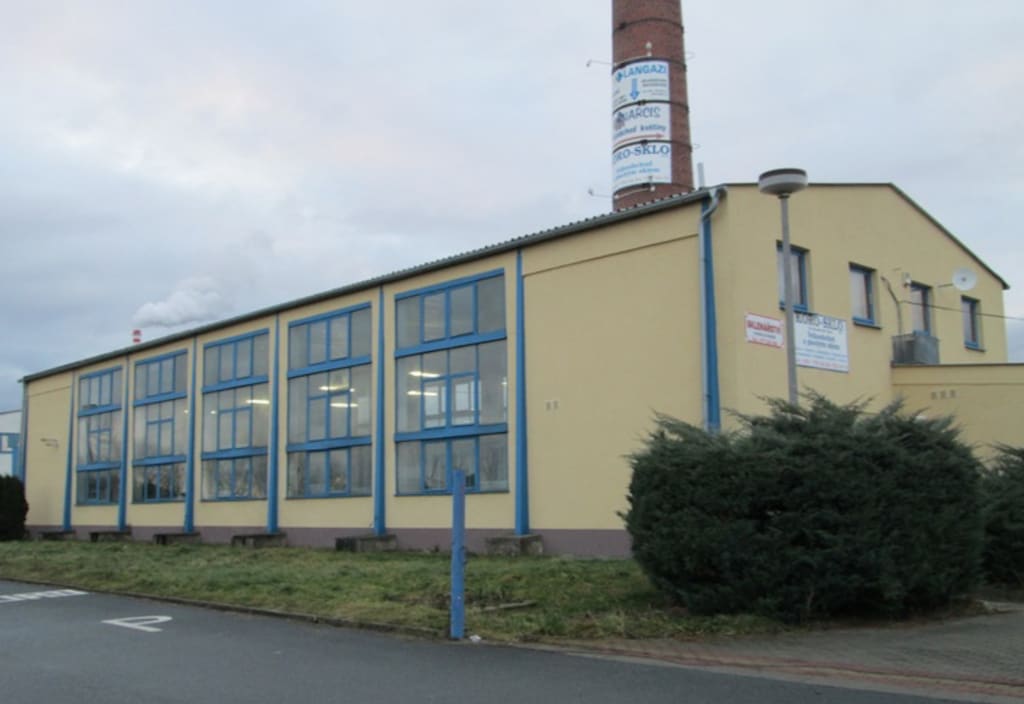
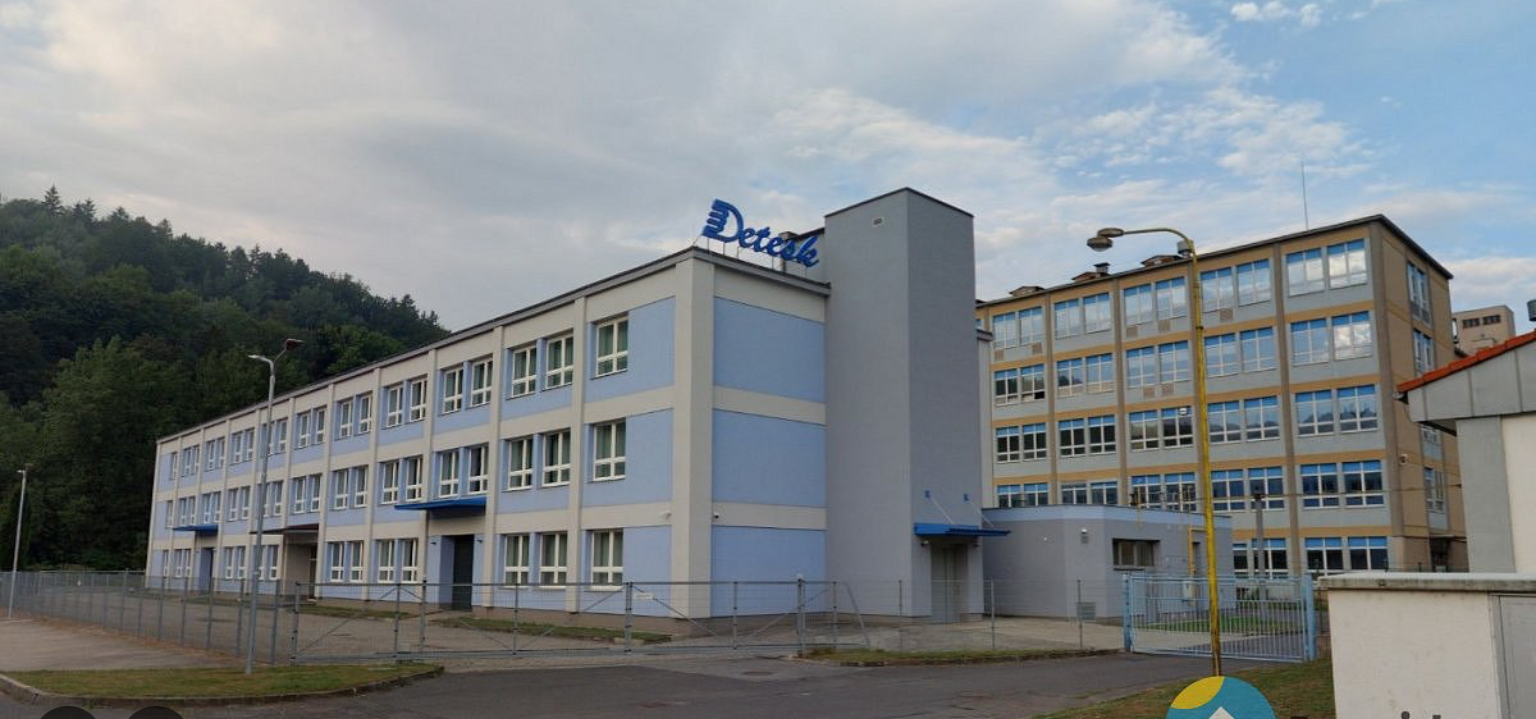
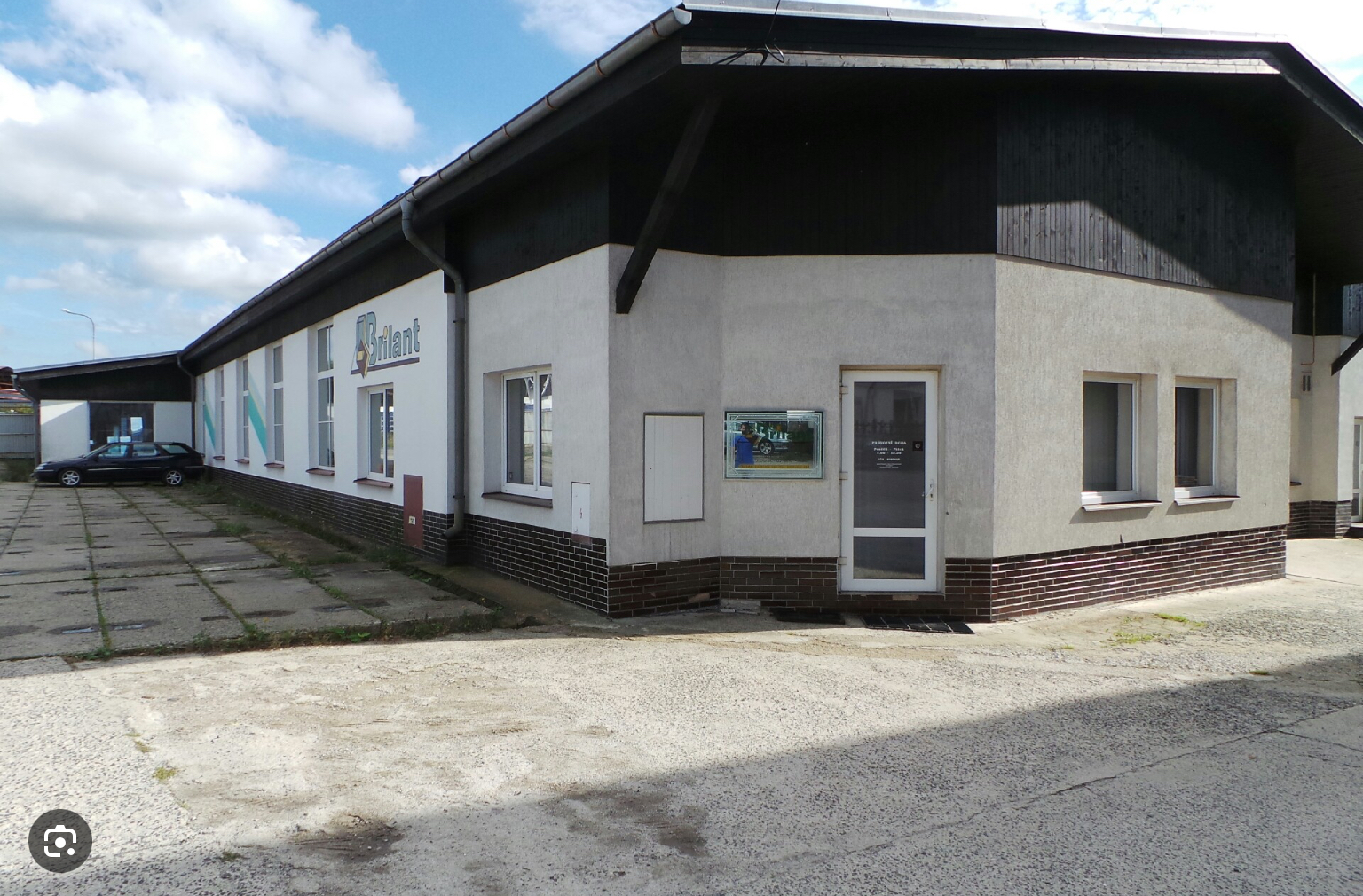
That is the story of Zeleznobrodske sklo as most people know it, and as I first knew it. I’ve been there, did not buy from them, and have researched the history of the company. It is a sad story of communist theft which shattered the lives and dreams of the artists and entrepreneurs who founded the companies that the communist regime of Czechoslovakia stole from under the name of state nationalization. And if those company owners were lucky they were forced to work at ZBS for minimal wages, never gaining any profit or recognition from their labor or ability, or creativity. Instead, the umbrella company of ZBS took all the credit, and the state took all the profit. I have been to the closed and abandoned factory building shown above. The parking lot is overgrown with weeds, most of the windows are broken, and the entire property is fenced off. Inside the fenced property and behind the main factory building were the empty and abandoned apartments constructed for the workers. They were just concrete boxes three and four stories tall, nothing luxurious, unpainted, very depressing. I tried to take photographs of the facilities but I was chased off by a security guard.
Of the nine founding companies in 1948, I have recorded the history of two. Besides that, over the years of me going to the region buying beads, buttons and glassware, I have found various vintage items at antik shops from those companies and other unknown companies that I haven’t been able to document their history yet, like lampwork teddy bear eyes, and pressed buttons. Who made them, or what original company made them, maybe we will never know.
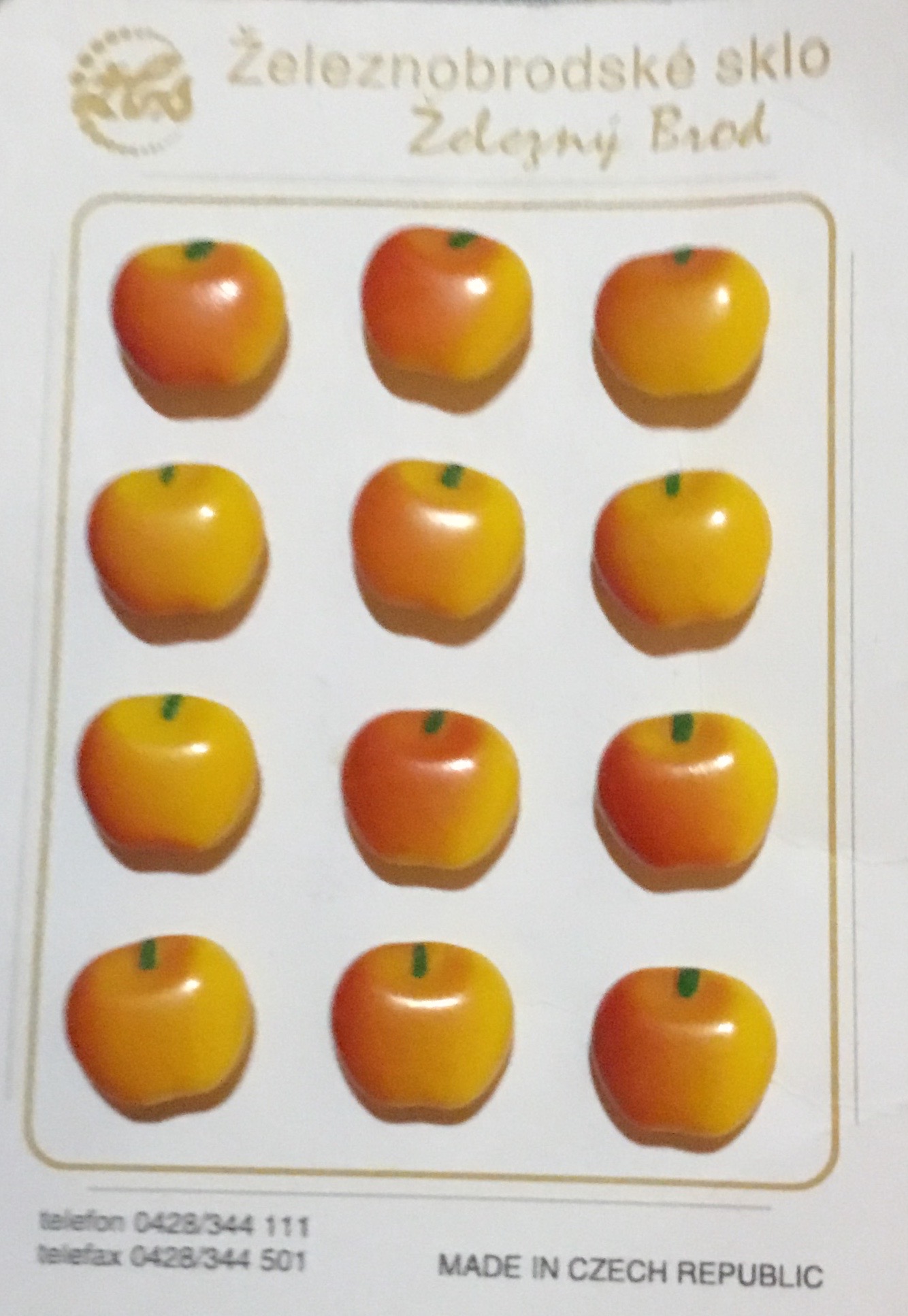
I found many fruit button like his card, pressed in the 1930s, carded in the 1970s, and when ZBS closed in the 2000s all the buttons were thrown away. A antik dealer friend found them in the landfill and rescued them. I found them in his antik shop.
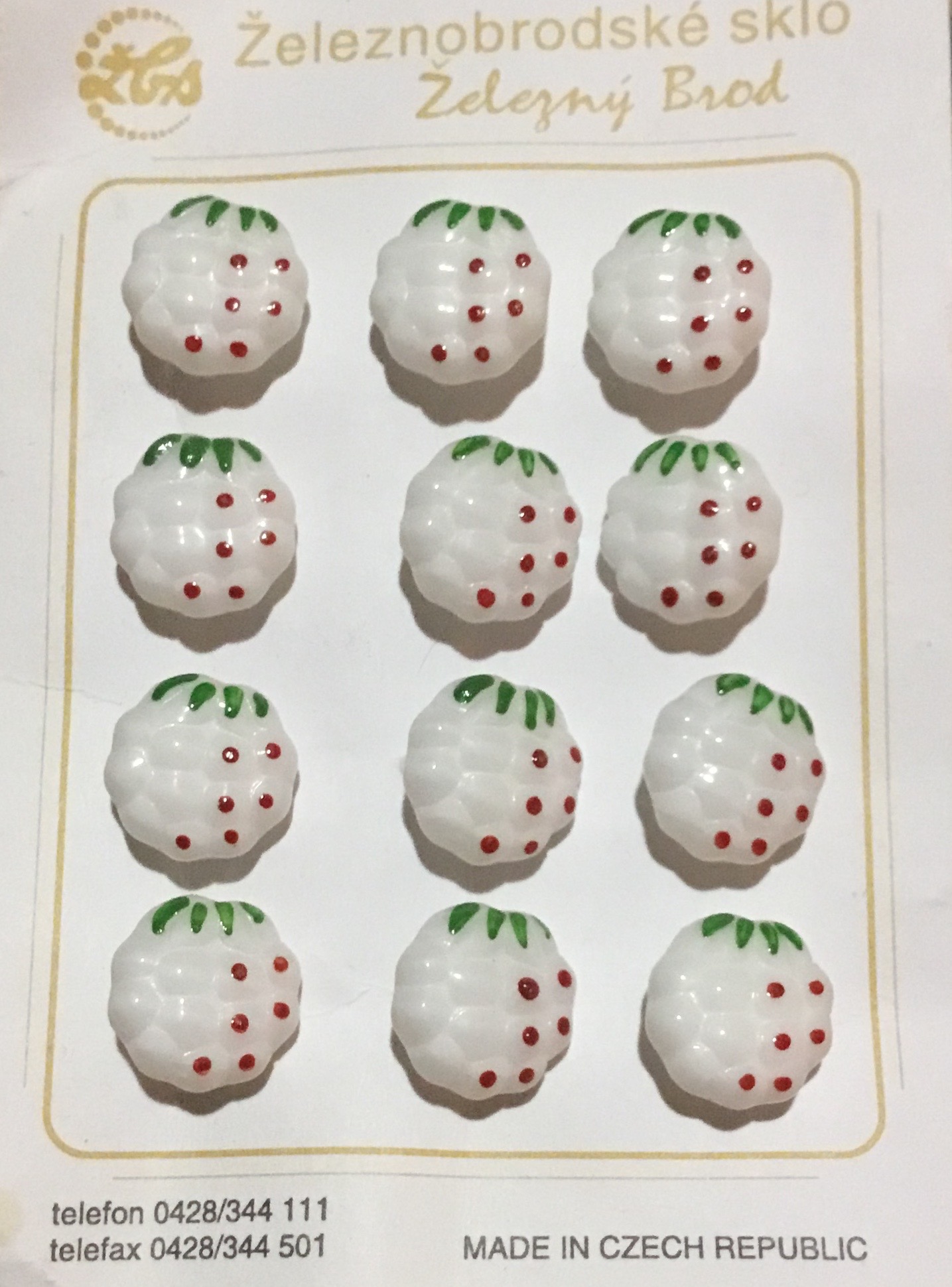
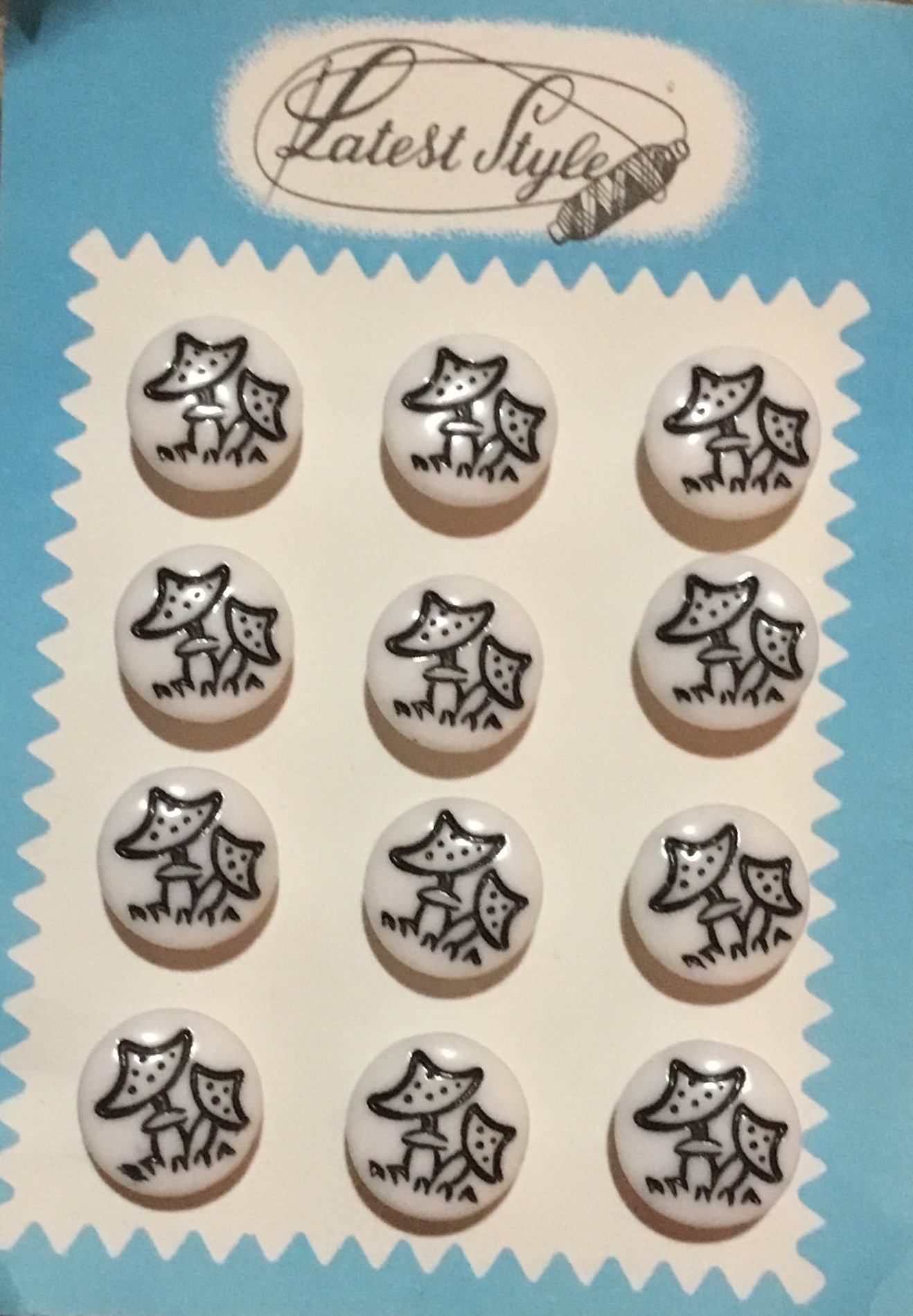
teddy bear eyes.
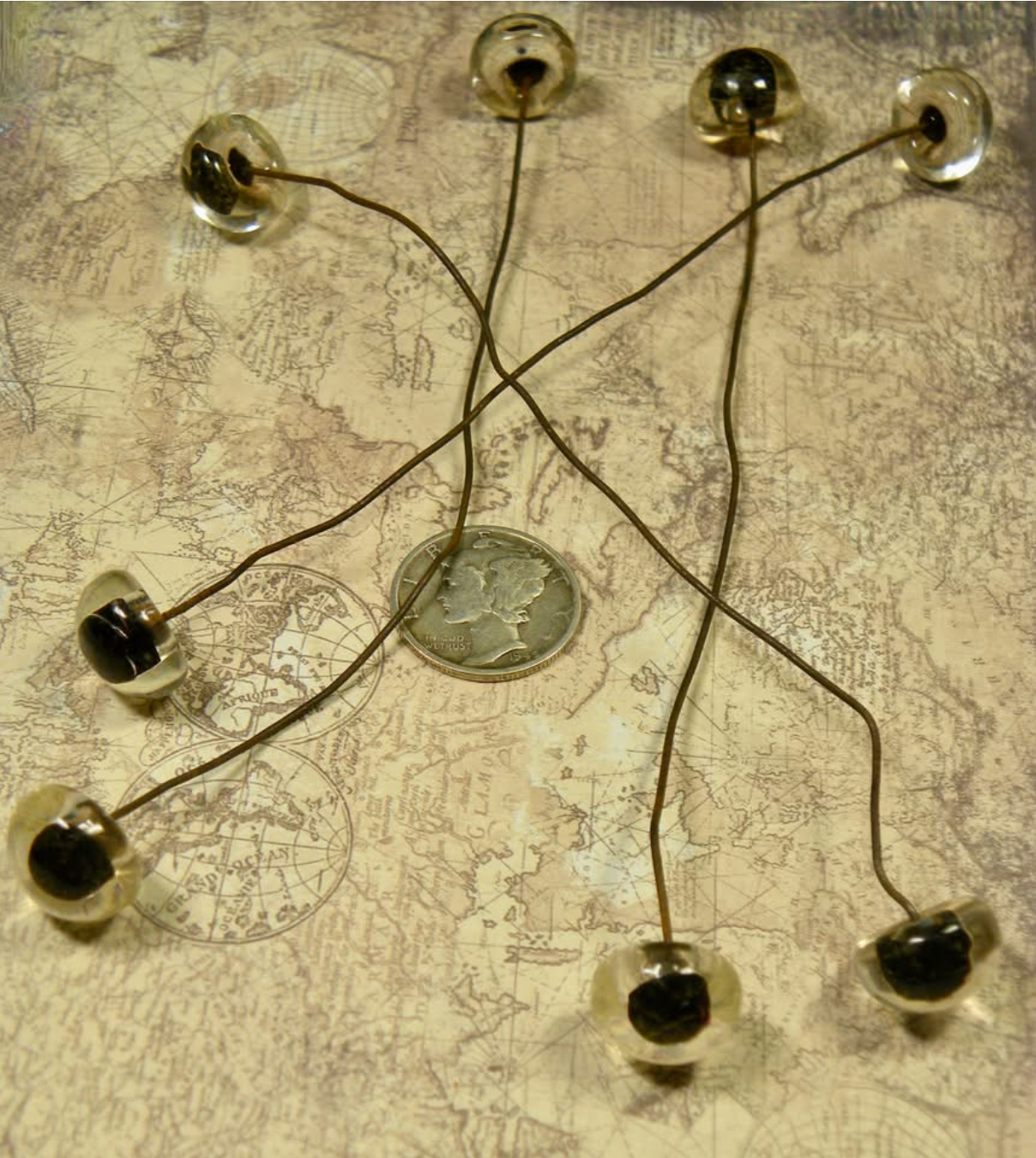
I found a huge quantity of these teddy bear eyes all tangled together , the antik dealer told me they were made about one hundred years ago by a Lampworker whose business was nationalized by the state and all his stock was taken by the state along with all his equipment and he was made a worker in ZBS under their control. The tangled bundle I bought from him had a fairly new paper label on it indicting it was made by ZBS. The dealer did not know the name of the Lampworker or if he even had a business name.
But here are the companies and the people we do know, and their history: Estrella beads and Frantisek Halama.
Estrella beads.

History of the firm
The company Estrella Es-Press, spol. s r.o. follows in the more than one-hundred-year tradition of manufacture of glass jewellery.
The firm was founded in 1892 by Mr Bohumil Hásek, who was a pioneer of technologies of the manufacture of pearl imitations and of cutting glass semi-products. After 1910, the production assortment was enlarged, and since then the firm manufactures imitation pearl beads, cut beads and pressed beads.
In 1948, the firm was nationalised and incorporated into the national enterprise Železnobrodské sklo (Železný Brod Glass). Also known as ZBS. After the nationalisation, the firm went on to produce glass jewellery and glass beads, too.
The delimitation and constitution of Estrela a.s. (Inc.) dates from 1990. In 1994, the firm was privatised. After the collapse of the Soviet Union and the velvet revolution of the Czech Republic which led to their independence, the company and the descendants of the original founders of Estrella were able to get the company back and get restitution from the new government.
Foundational History1892: The firm was originally established by Bohumil Hásek, pioneering technologies in glass bead cutting and pearl imitations.1910: The product line was significantly expanded to include mass-produced cut beads, pressed beads, and imitation pearl beads.
Nationalization & Privatization1948: Following the post-WWII political shifts, the firm was nationalized and absorbed into the state enterprise Železnobrodské sklo (Železný Brod Glass), where it continued producing beads and fashion jewelry.
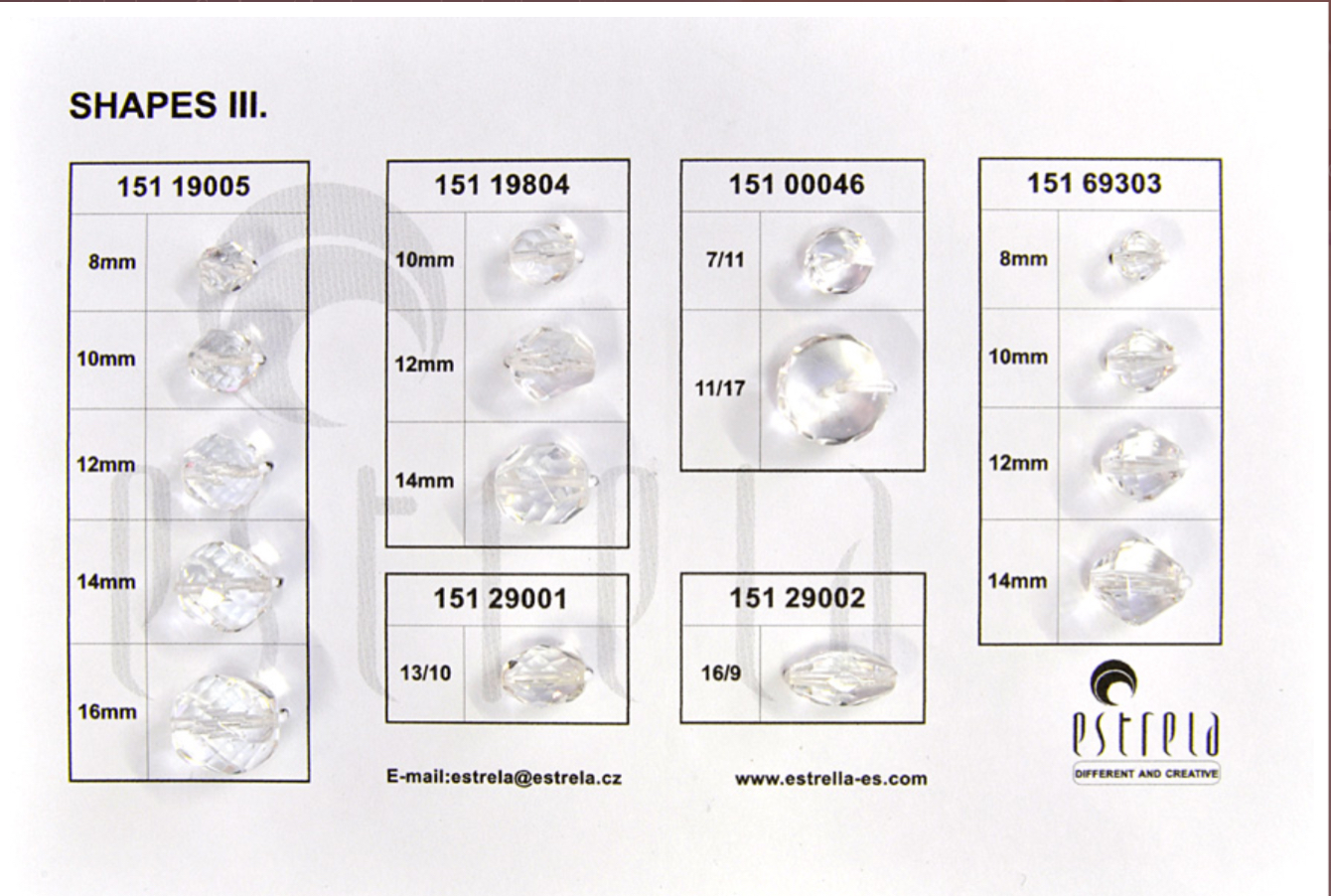
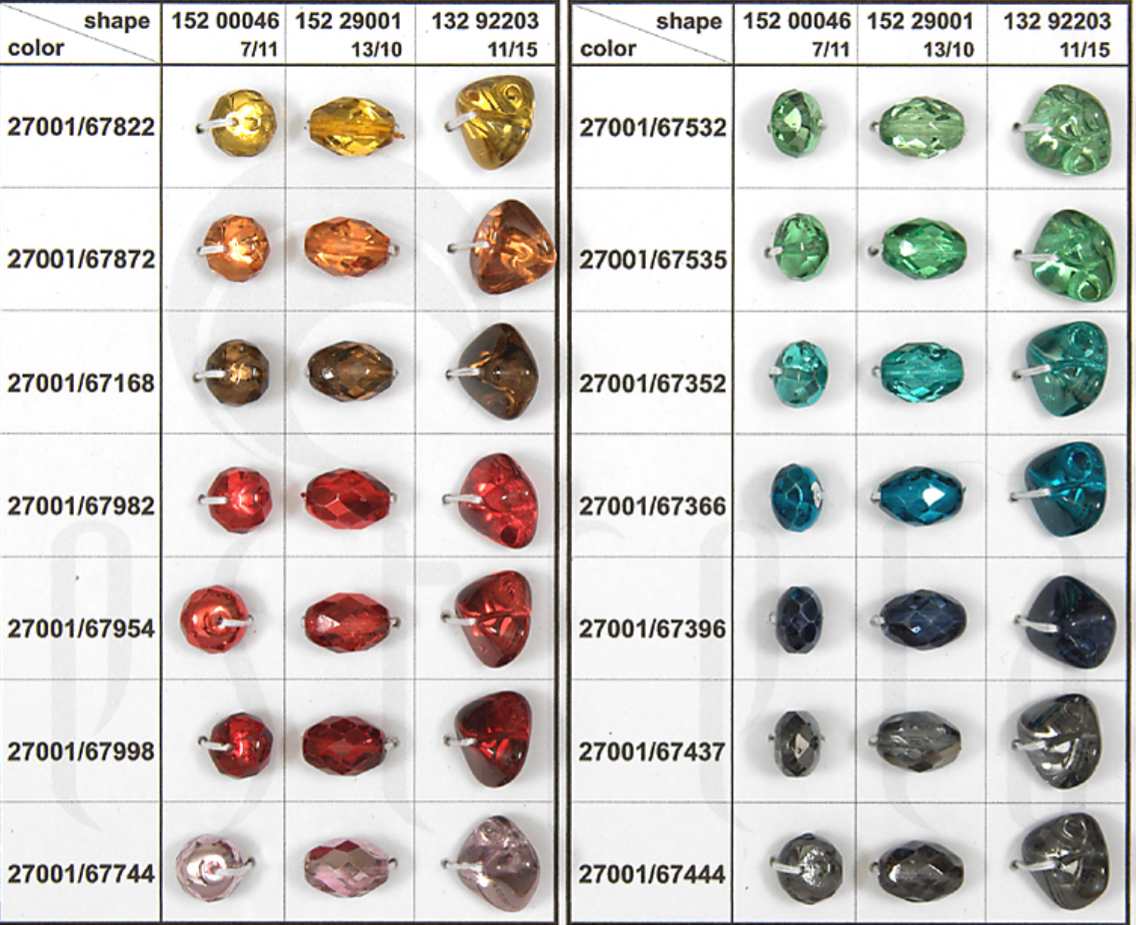
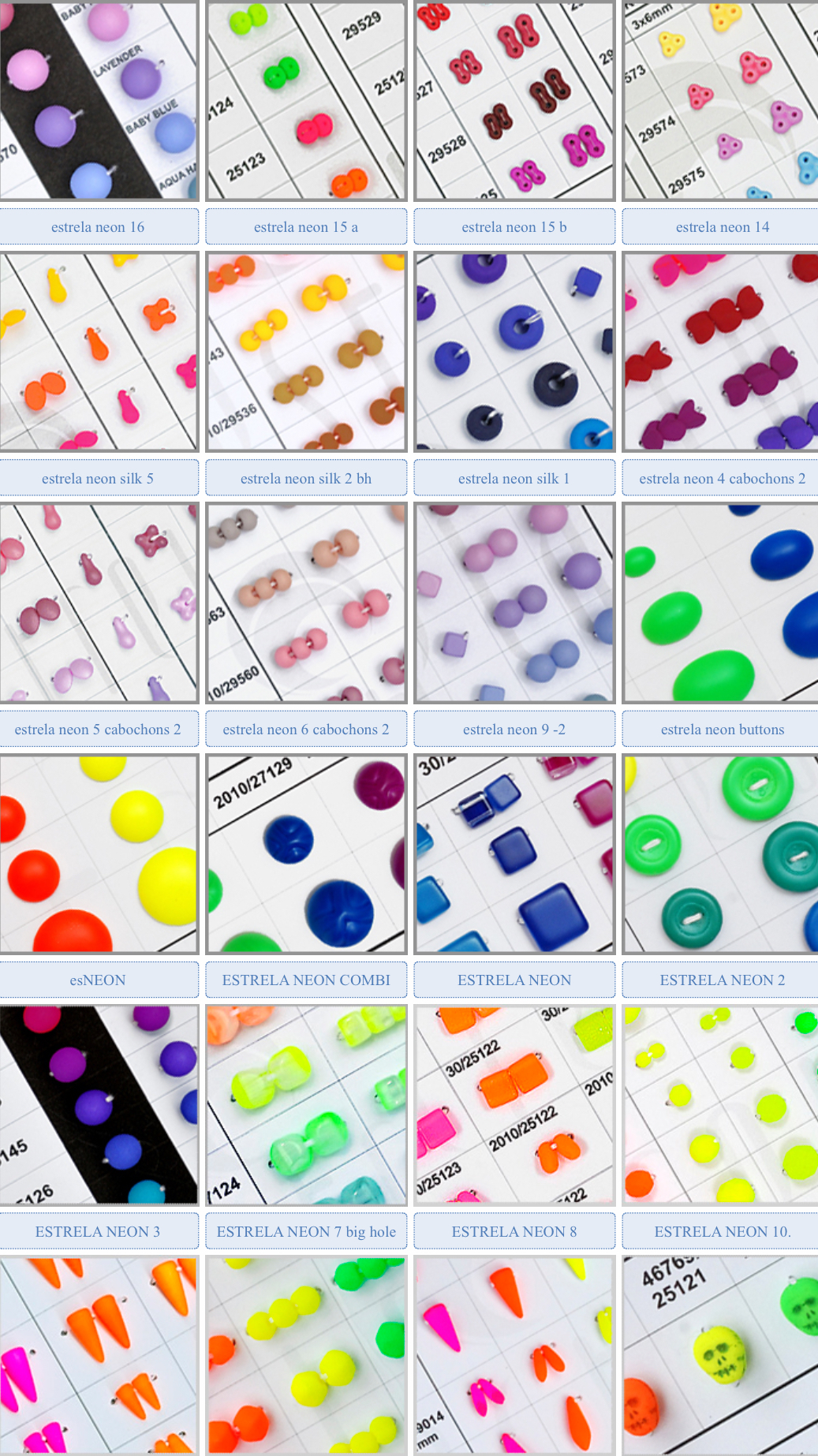
1990: Following the fall of the communist regime, the firm was deliminated and established as a joint-stock company (Estrela a.s.).1994: The company was fully privatized and transitioned into a purely Czech, family-run business known globally by the brand ESTRELA.Modern OperationsToday, Estrella is a primary global producer of surface-coated glass beads and imitation pearls. They own patents for their unique surface finishes, including ENT (Estrella Nano Technology), and boast one of the largest product portfolios in the world.
Frantisek Halama.

The original company stretches back over 200 years in the Zelezny Brod region, the glass crafting artisans would hand down their craft from generation to generation as a tradition, but it is almost impossible to document exactly what was produced in that long span of time. But what we do know is that the present owner of this company is Frantisek Halama. His father came from Alsovice, which is a village near Zelezny Brod, and worked for his father in his glass pressing business since childhood until his graduation fro high school, when he enrolled in the Zelezny Brod technical school of glass and later completed a master class of glassmaking at a school in Haida (Novy Bor). Then he opened his own company in 1932 and exported to Italy, India and America.
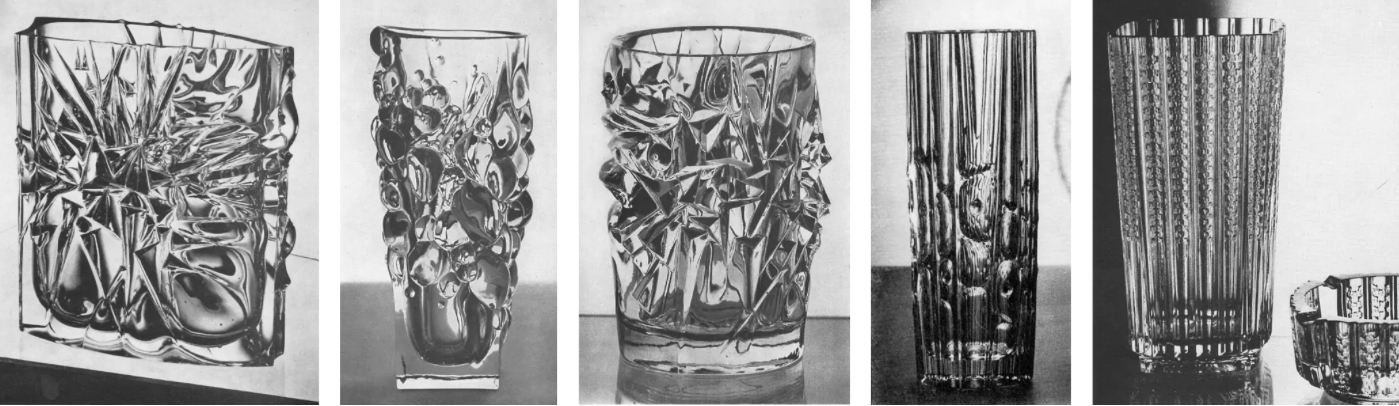
He relocated his glass hut to Zelezny Brod and expanded his production by opening two grinding shops for etching glass, as well as producing car headlights, buttons and beaded jewelry items. But his biggest and most loved items were the vases, cups, bowls and statues. His company employed dozens of people. Frantisek taught at the Zelezny glassmakers school, passing on his skills to a whole generation of young people. He also brought his own son, Frantisek Halama Junior, into the company.
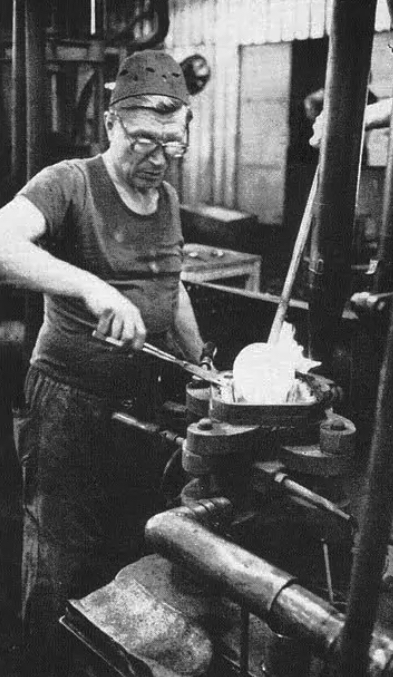
In 1948 the communist regime nationalized his company. All stock, equipment, unfinished product, raw materials, land, buildings, everything, was taken, and the company was assigned a state administrator to run it. Frantisek was forced to work in the glass division of the new state run company, ZBS. For years, the tyrannical oppression of the communist regime controlled his life, with home searches, surveillance, hostile examinations of his lifestyle and finances. His son was not allowed to attend higher education. All this stress hastened his death by age 63.
After the collapse of the Soviet Union and independent in 1994, Frantisek Halama Junior with his mother Olga applied for reinstatement of their company and all the assets. They were successful, although only partial recovery of assets, and even today it is still being adjudicated, but their company is now privatized and is exporting to all the countries in Europe and the U.S.A.
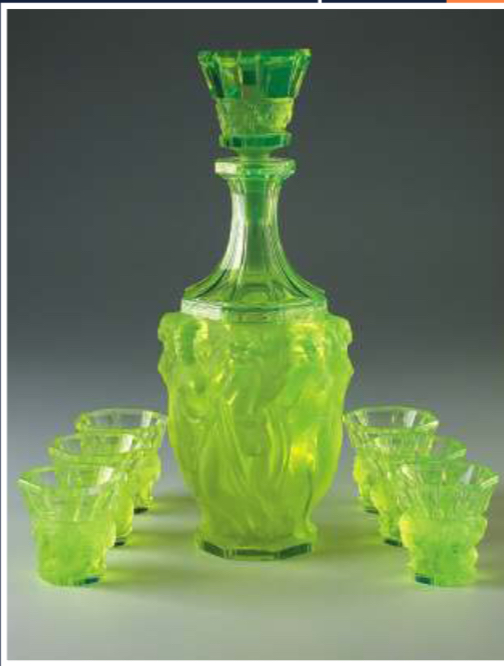
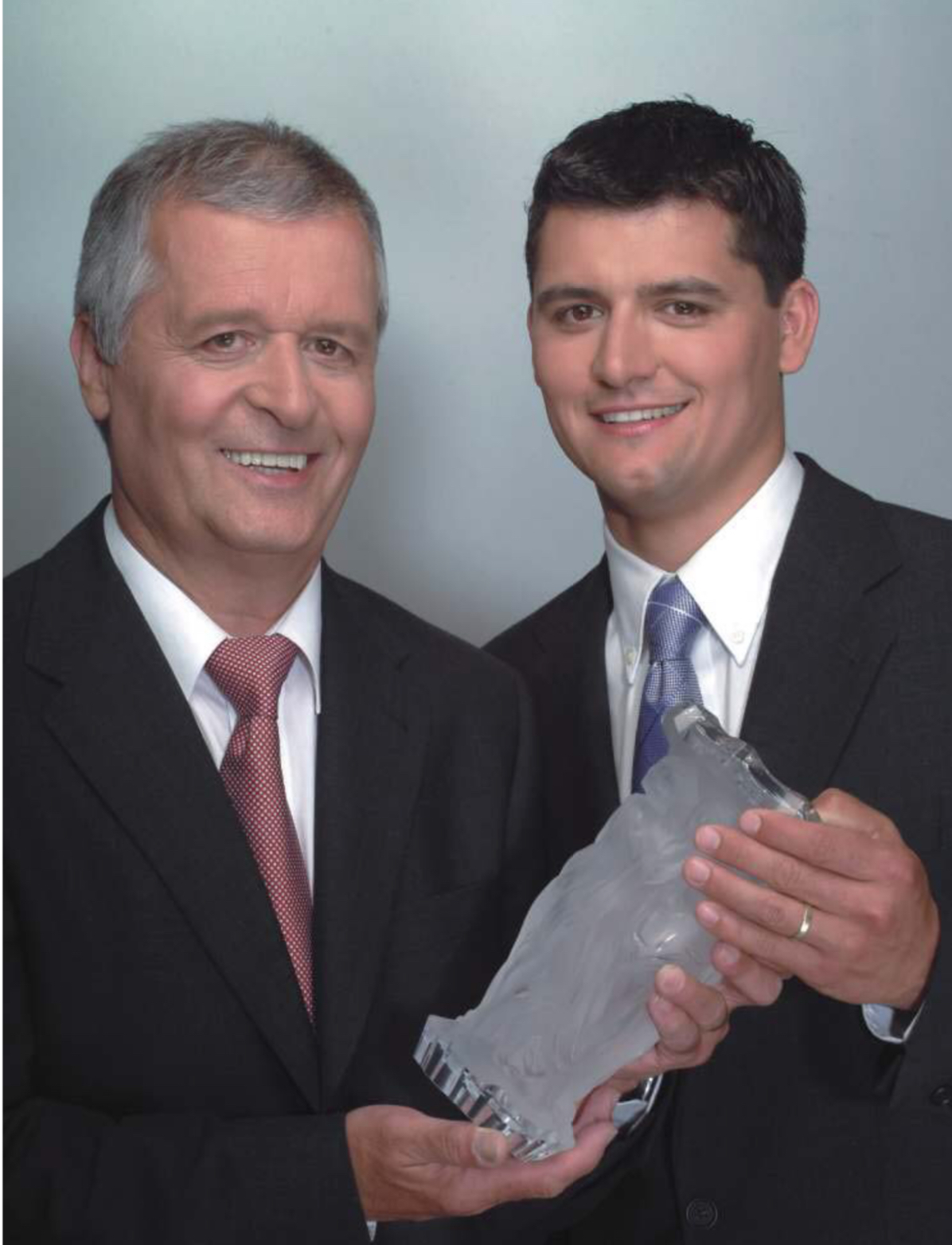
In the 2000s, ZBS declared bankruptcy and closed. By that time most of the nationalized companies had successfully applied for reinstatement and reopened their own privatized companies. Most of the management had seen the writing on the wall and left to open their own companies. ZBS is empty and abandoned, just a nightmare memory.
About the Creator
Guy lynn
I’m interested in history, space travel and the possibilities, Americana,( where I live now), Africa (Southern Africa, where I was born and raised), and I write about things that interest me ( bead history) and I hope will interest you.
Enjoyed the story? Support the Creator.
Subscribe for free to receive all their stories in your feed.
Comments
There are no comments for this story
Be the first to respond and start the conversation.