
Why Some Baptists Drink Alcohol While Others Consider It a Sin
Why Baptist attitudes toward alcohol vary so widely, from moderate acceptance to total abstinence.
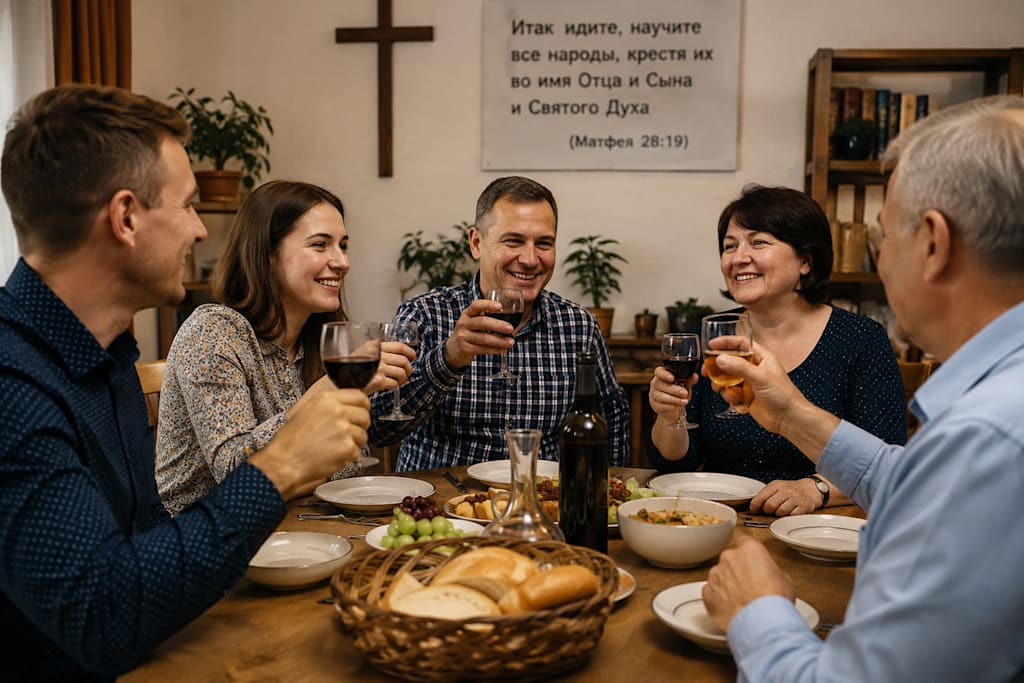
At first glance, it seems strange: the religion is the same, the Bible is the same, Christ is the same, yet Baptists can have completely different attitudes toward alcohol. In one congregation, a glass of wine at a family dinner may not surprise anyone, while in another, even a beer at a celebration may be seen as a serious spiritual fall. Why does this happen?
The main reason is that Baptists are organized differently from many traditional churches. They do not have a single global center that can set the same rules for everyone. Each congregation has a great deal of independence and decides many practical questions of Christian life for itself.
What the Bible says
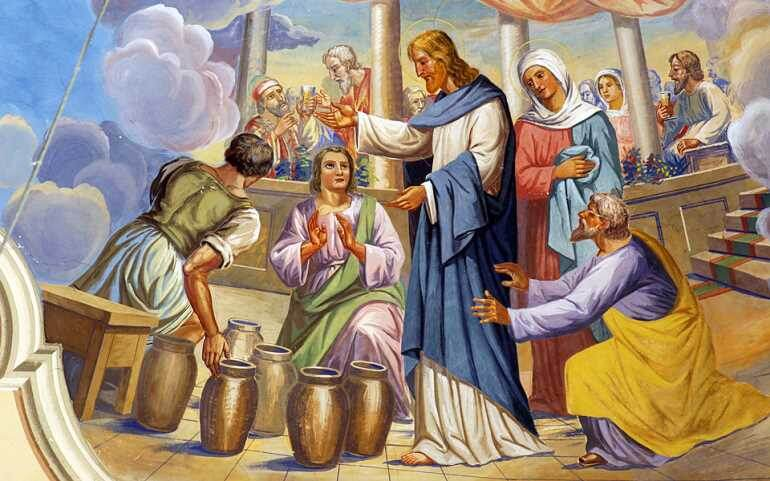
The Bible does not contain a direct ban on any use of alcohol. Wine is mentioned many times, including in the New Testament. Jesus turns water into wine at the wedding in Cana, and the apostle Paul advises Timothy to use a little wine for his health.
At the same time, the Bible strongly condemns drunkenness. For a Christian, the sin is not the mere fact that a person has had a drink, but the loss of control, addiction, looseness, the destruction of family life, and becoming a temptation to others.
That is why some Baptists say that moderate alcohol consumption is possible, as long as a person does not get drunk, does not lose dignity, and does not become a slave to the habit.
Why many Baptists do not drink at all

Other Baptists take a different view. They say that since alcohol often leads to addiction, scandals, poverty, and broken families, it is better not to touch it at all.
This position became especially strong in the nineteenth and twentieth centuries, when the temperance movement spread among Protestants. In the United States, many Baptist congregations actively fought drunkenness, supported Prohibition, and considered total abstinence from alcohol the best Christian choice.
In Russia and the countries of the former Soviet Union, this tradition also became very strong. Baptists there saw widespread alcoholism, broken families, poverty, and domestic violence around them. For many congregations, sobriety became not just a recommendation, but an important part of their way of life.
Why congregations decide differently
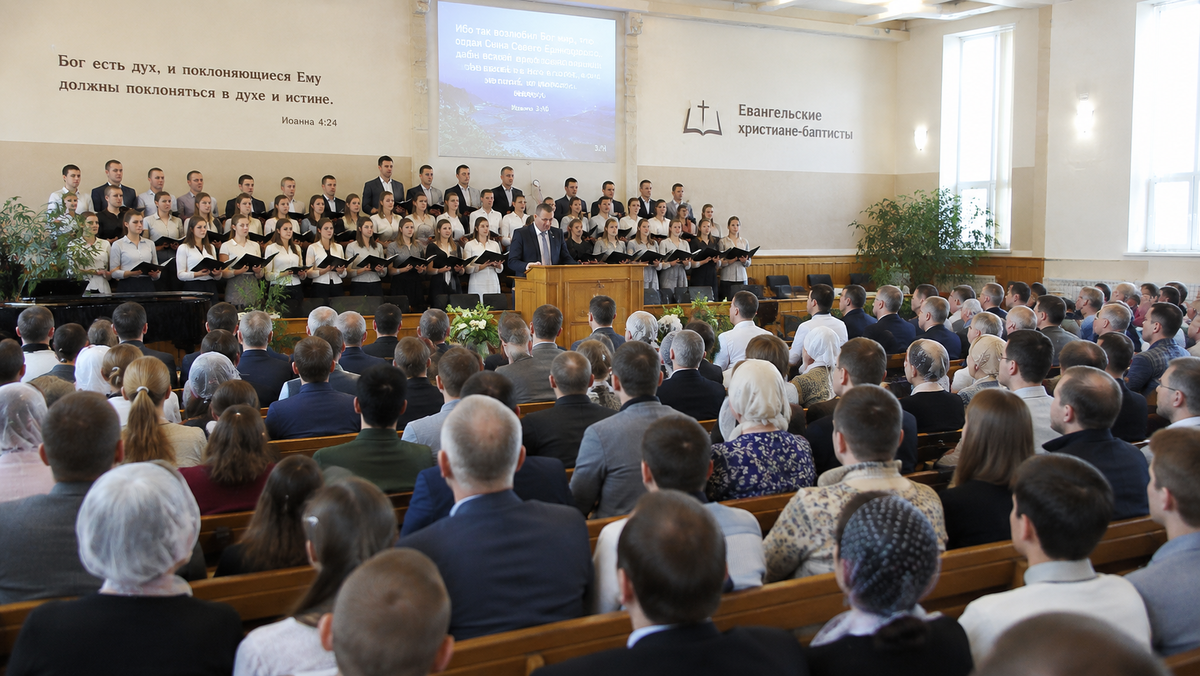
Baptists believe that the church is a gathering of believers, not a rigid vertical structure of power. That is why one congregation may hold to strict sobriety, while another may take a softer approach.
In Europe, for example, many Protestants are calm about a glass of wine. In Germany or France, this is often seen as part of the culture. But in Russian, Ukrainian, or conservative American Baptist congregations, avoiding alcohol may be considered the norm.
So the difference is connected not only with theology, but also with the history of the country, local culture, the experience of a particular congregation, and its attitude toward the problem of alcoholism.
Where the line is drawn
The main debate among Baptists is not really about a bottle of wine, but about freedom and responsibility. Some say that a Christian is free as long as he does not break God’s commandments and does not fall into addiction. Others respond that even if alcohol does not harm you personally, you may set a bad example for someone weaker.
That is why stricter congregations often choose total abstinence. This is not always because they believe every sip of wine is a sin. Sometimes they simply see sobriety as the safer and wiser path.
So who is right?
There is no universal answer. In Baptist circles, both approaches can be found. Some rely on the fact that the Bible forbids drunkenness, but not moderate drinking. Others believe that a Christian is better off giving up anything that can lead to addiction or become a temptation for others.
That is why two different Baptist congregations can have different attitudes toward alcohol and still remain part of the same religious tradition.
For Baptists, the main issue is not the drink itself, but the question: does a person remain in control of himself, does he avoid destroying his life, and does his freedom become a problem for others?
About the Creator
Enjoyed the story? Support the Creator.
Subscribe for free to receive all their stories in your feed.
Comments
There are no comments for this story
Be the first to respond and start the conversation.