
Why Japan Lost the Pacific War of World War II
The Reasons for Japan’s World War II Defeat
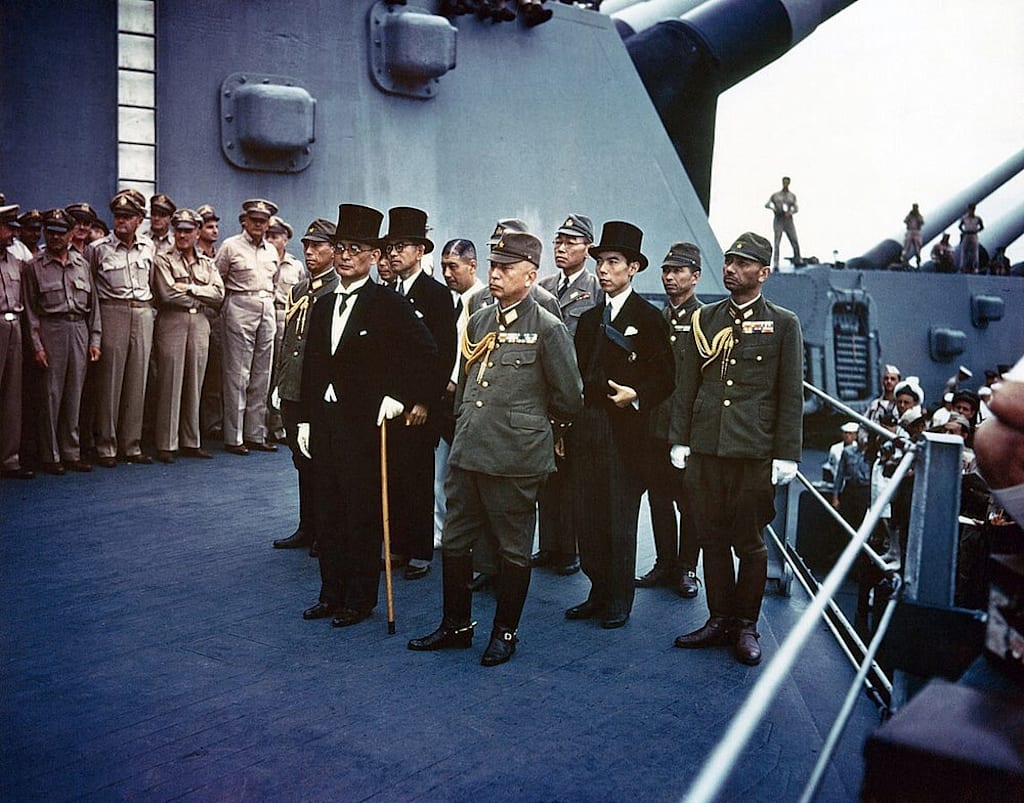
The Pacific War, which began in the early 1940s, ended in defeat for the Japanese Empire. The Japanese Empire had all but crumbled, with little left of an empire that previously stretched from Manchuria to New Guinea. Historians debate whether this was a war that Japan could have won, so there are a few factors behind their defeat.
First, consider that the very first bombs that Japan dropped at Pearl Harbor did not do enough on the first day. At Pearl Harbor, the four American carriers that were the primary target of the Imperial Japanese Navy were not present. The abandonment of a potential third wave of Japanese aircraft also spared other notable targets at Pearl Harbor, such as its oil depots. So, the Japanese bombers also missed a few of the best targets at Pearl Harbor.
Those four US aircraft carriers stationed at Pearl Harbor would be invaluable to the decimated American navy in 1942. For this was not a war that required battleships, but aircraft and aircraft carriers at sea, which had much greater range and could also provide greater support for land battles. Had these carriers been at Pearl Harbor, they might have been lost, and this would have provided Japan with a much greater advantage in 1942.
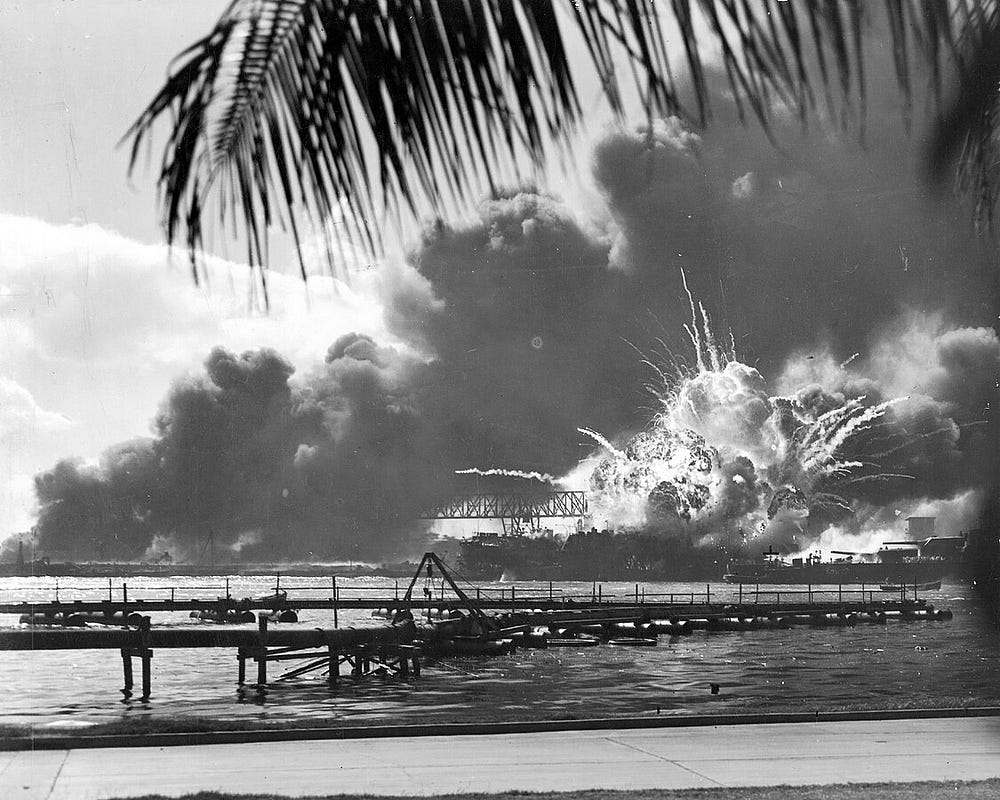
As it was, the aircraft carrier naval battles that emerged in 1942 went the Allies' way precisely because those aircraft carriers had remained intact. At the Battle of the Coral Sea and then the Battle of Midway, the Japanese carrier fleet was decimated by those aircraft carriers that had survived at Pearl Harbor. Hundreds of Japanese aircraft were lost, as well as five aircraft carriers, and the strategic targets of Port Moresby and Midway Island remained with the Allies. Much of the damage had been done at the most decisive Battle of Midway, which is the battle some say had the most impact in the war. Had the American carriers been wiped out at Pearl Harbor, then such battles may well have been won by the other side.
The survival of crucial US carriers may have been a key factor in the eventual Allied victory, but not the only factor. Another factor in Japan's defeat was Allied cryptographers. Allied cryptographers may have been asleep before Pearl Harbor, but afterward they were awakened and deciphered Japanese codes. This was a key factor in the Battle of Midway, as the Japanese plans were no secret; the US was able to send a suitable carrier fleet to Midway in advance. Such cryptographers would continue to provide the Allies with invaluable details as to future Japanese battle plans and fleet movements.
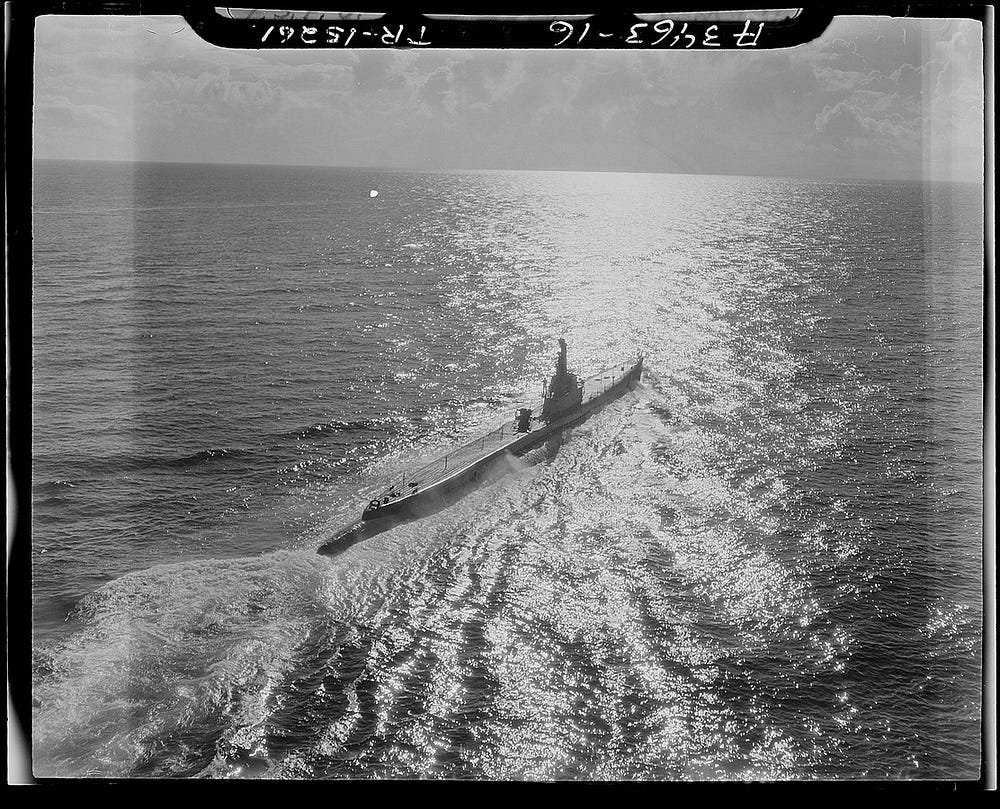
Other factors in Japan's defeat were Allied submarines. While the Japanese largely neglected submarines, primarily for surface fleet support in the IJN, the Allied subs blockaded Japanese supplies. As the subs expanded in number, so too did the effectiveness of the blockade, as Japanese merchant ships were sunk, as well as oil tankers and troop transport ships with potential reinforcements.
Aircraft were essential to the Pacific War, and as the war progressed, the Allies gained crucial air superiority thanks to new and more advanced aircraft models such as the F6F and F4U. While the A6M gave Japan an advantage at the beginning, by 1943, the new Allied aircraft were downing Japanese planes in increasingly large numbers.
This culminated in the Battle of the Philippine Sea, in which Allied aircraft outclassed Japan's obsolete planes. Japan lost hundreds of them during the battle, along with their aircraft carriers. Such air superiority ensured naval superiority for the Allies at battles such as Leyte Gulf, where much of the IJN was wiped out.
As the Allied armies advanced through the Pacific, the Japanese armies were increasingly outnumbered. Even at the beginning, they came up against larger Allied armies at Singapore. However, without such effective air and naval support, victories in such battles became increasingly improbable.
By 1945, Japanese armies were heavily outnumbered at Iwo Jima and Okinawa. The Japanese army was notably smaller than the American army, which usually had at least a 2:1 numerical advantage; when they were also reinforced by British and Commonwealth troops in some campaigns, not to mention the Chinese army in China and later the USSR, the numerical advantage was further enhanced. From a strictly numerical perspective, the size of the Japanese army did not compare favorably with the combined Allied armies in the Pacific.
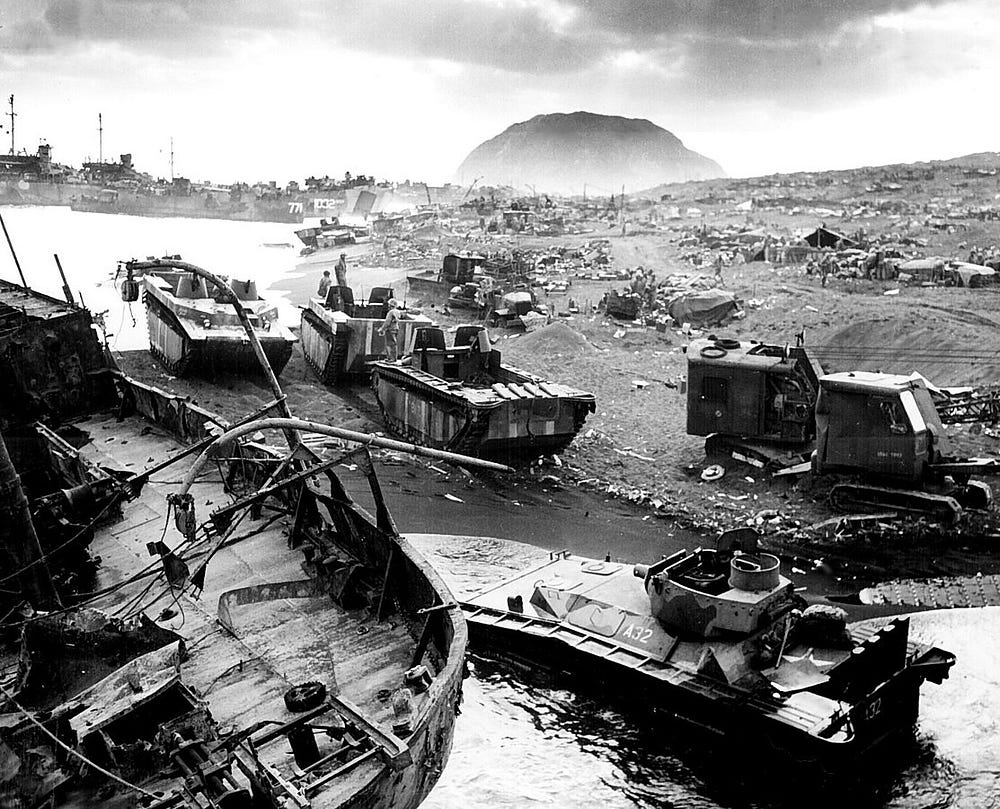
The Japanese had as good as lost the Pacific War after Pearl Harbor, because the US carriers were not present. These were crucial to the Allies and ensured further Allied naval victories in 1942. As the war progressed, better Allied aircraft models, cryptography, and larger armies would all ensure victory.
This article of mine was originally submitted to Medium, where you can read it here.
About the Creator
Matthew A
Matthew is the author of Battles of the Pacific War 1941-1945. Battles of the Pacific War is available on Amazon and Lulu in e-book and paperback formats. Check out the book’s blog at battlesofthepacificwar.blogspot.co.uk.
Enjoyed the story? Support the Creator.
Subscribe for free to receive all their stories in your feed.
Comments
There are no comments for this story
Be the first to respond and start the conversation.