
Why Did Tsar Nicholas II Abdicate on March 2, 1917?
Examining the Demise of the Tsarist Monarchy in Russia
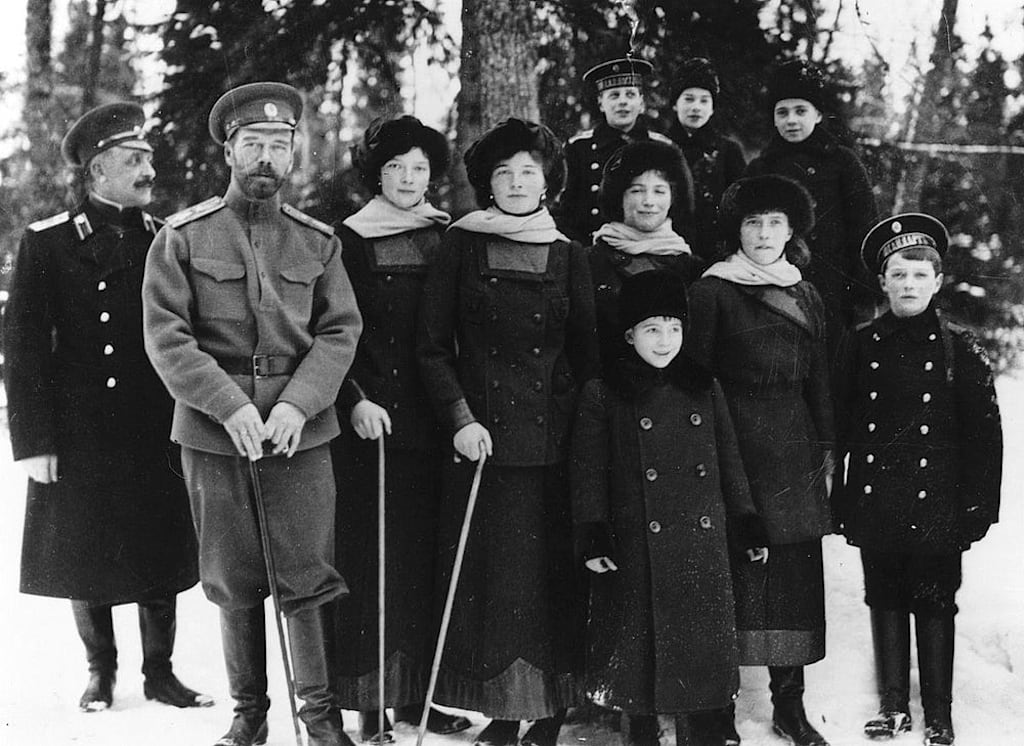
The fall of Nicholas II paved the way for the Bolshevik coup that followed in October 1917. However, the demise of the tsarist monarchy in Russia had little to do with the Bolshevik Party. The fall of Nicholas II had more to do with the general opposition to tsarist Russia.
The first signs of popular discontent with the Russian monarchy came in 1905. Increasing demands had been made beforehand regarding constitutional reform and a more democratic Russia. However, Nicholas II largely ignored such demands.
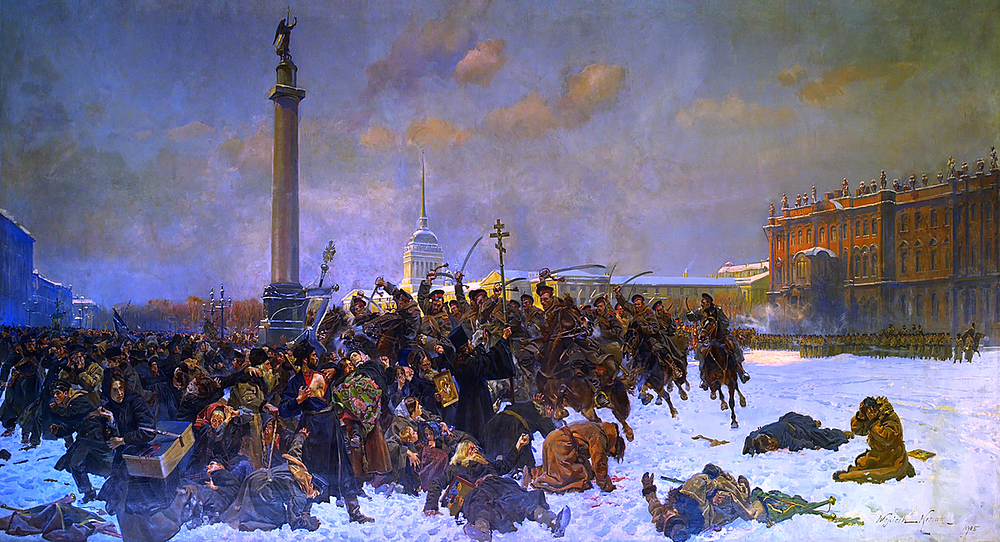
A trigger for revolution occurred in 1904 when a group of workers in St. Petersburg organized a peaceful protest outside the Winter Palace to deliver a petition to the tsar. In the event, guards outside the Winter Palace opened fire, resulting in thousands of casualties. Those actions prompted a series of widespread demonstrations in Russia and were the first clear signs of discontent with the tsarist monarchy.
Nicholas II weathered the storms and acted promptly enough. In response to the strikes, the tsar agreed to concessions and reforms. Essentially, these promised a new consultative assembly (the Duma), multiple parties, and a new constitution for Russia in 1906. Such reforms satisfied most opposition parties and were the beginning of a new, more democratic Russia.
Another outcome of this revolution was the rise of terrorist groups that would play a role in the 1917 revolutions. Bolshevik combat groups became more active from 1906 to 1909. Despite the reforms, opposition to the tsarist monarchy remained due to the events of 1904.
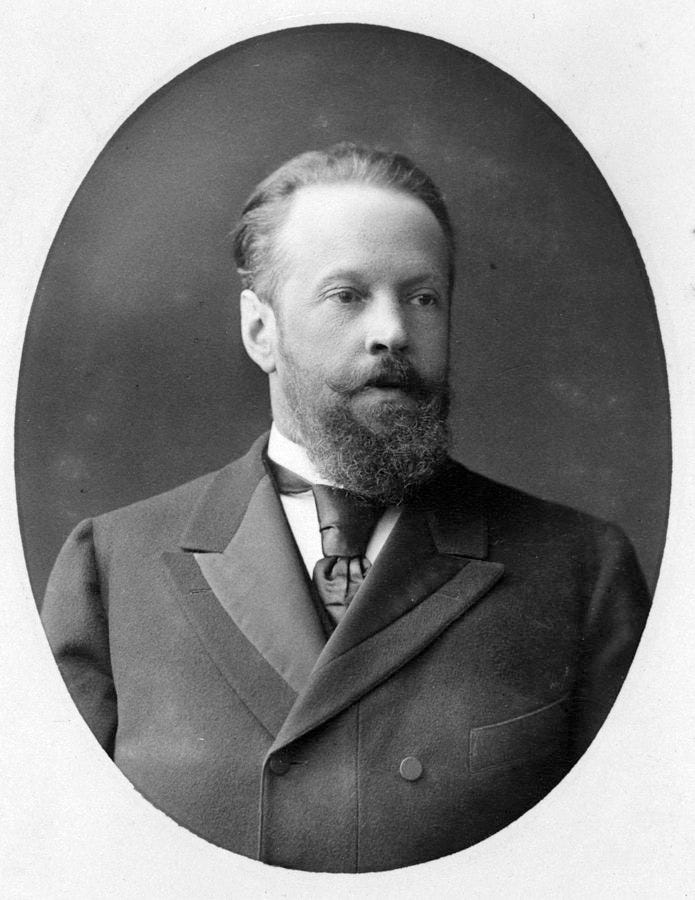
Russia made modest economic progress during the period. Thanks to ministers such as Sergei Witte, Russia began to build railroads. This established Russian heavy industry within cities such as Petrograd. Ironically, this paved the way for the rise of the Petrograd Soviets that were influential in the Bolshevik coup of 1917. However, by 1914, Russia was still a long way behind Germany and Great Britain economically. Primary sector farming remained the dominant economic sector.
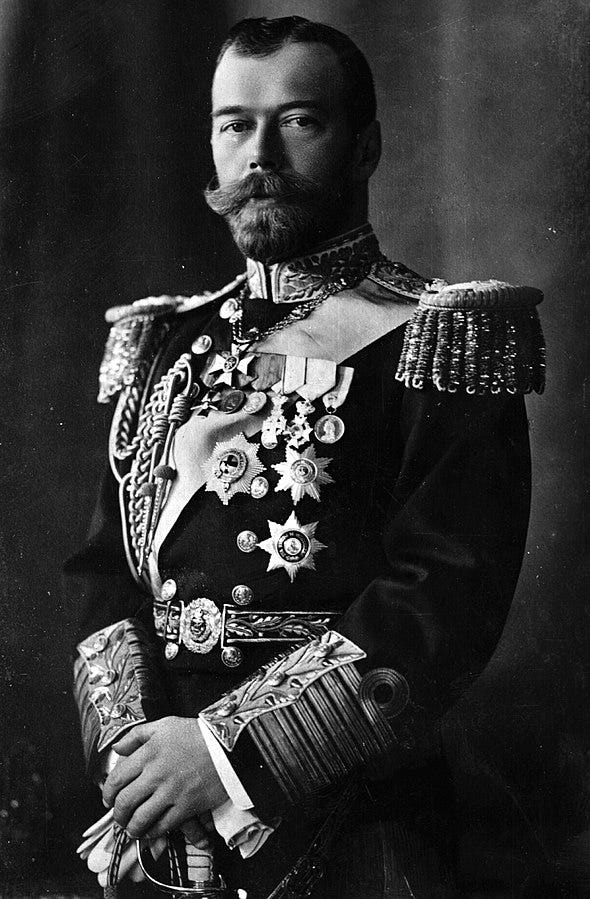
In 1914, Europe descended into war. Recognizing the potential for a war with Germany, Nicholas II had prudently entered the Triple Entente with France and Great Britain. However, Russia was not well prepared for a war against the German army. Despite this, Nicholas II assumed high command of the Russian army, and the mobilization of Russian troops in western Russia prompted Germany to declare war on Russia.
This was the beginning of the end of Tsarist Russia. The war Nicholas II was associated with proved to be a disaster for the Russian army. Poorly equipped and supplied Russian troops faced a smaller but far more effective German army that won numerous victories in Eastern Europe. As commander in chief of the army, the tsar was considered responsible for each Russian defeat.
Opposition to Nicholas II increased with the economic impact of the war. Food shortages in Russia occurred because the troops' supplies were prioritized. Widespread strikes were organized in February 1917 and were joined by the soldiers who further equipped the protesters. These protests prompted Nicholas II to abdicate on March 2, 1917 (for the Julian calendar). However, the date of the tsar's abdication is March 15, 1917, for the Gregorian calendar.
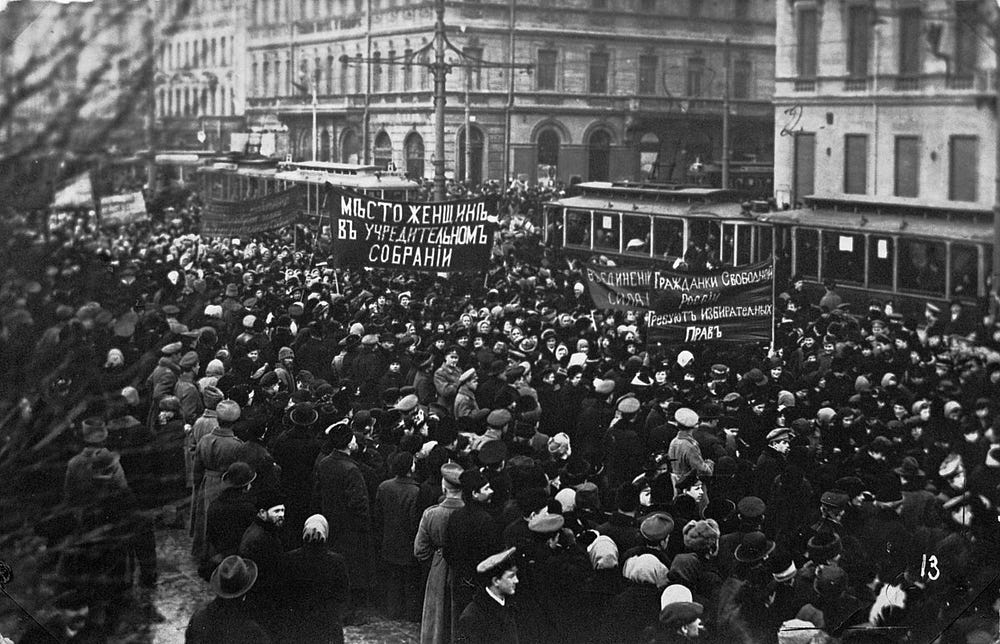
The fall of Nicholas II owed much to popular discontent with the Russian monarchy in both the long and short term. Despite the 1905 Revolutions and reforms, Russia remained economically backward with an outdated army. Anti-monarchy opposition parties emerged in Russia, such as the Bolsheviks. The military defeats during World War I and the economic impact sparked protests in 1917. The tsar had few supporters, and Russia's military defeats lost the loyalty of the soldiers.
Nicholas II’s abdication marked the end of the tsarist monarchy, as potential successors would also have little support. The Bolsheviks did not need to organize the February uprising but had to organize campaigns against the provisional government. Lenin led the October coup that established communism in Russia.
This article of mine was originally submitted to Medium, where you can read it here.
About the Creator
Matthew A
Matthew is the author of Battles of the Pacific War 1941-1945. Battles of the Pacific War is available on Amazon and Lulu in e-book and paperback formats. Check out the book’s blog at battlesofthepacificwar.blogspot.co.uk.
Enjoyed the story? Support the Creator.
Subscribe for free to receive all their stories in your feed.
Comments
There are no comments for this story
Be the first to respond and start the conversation.