
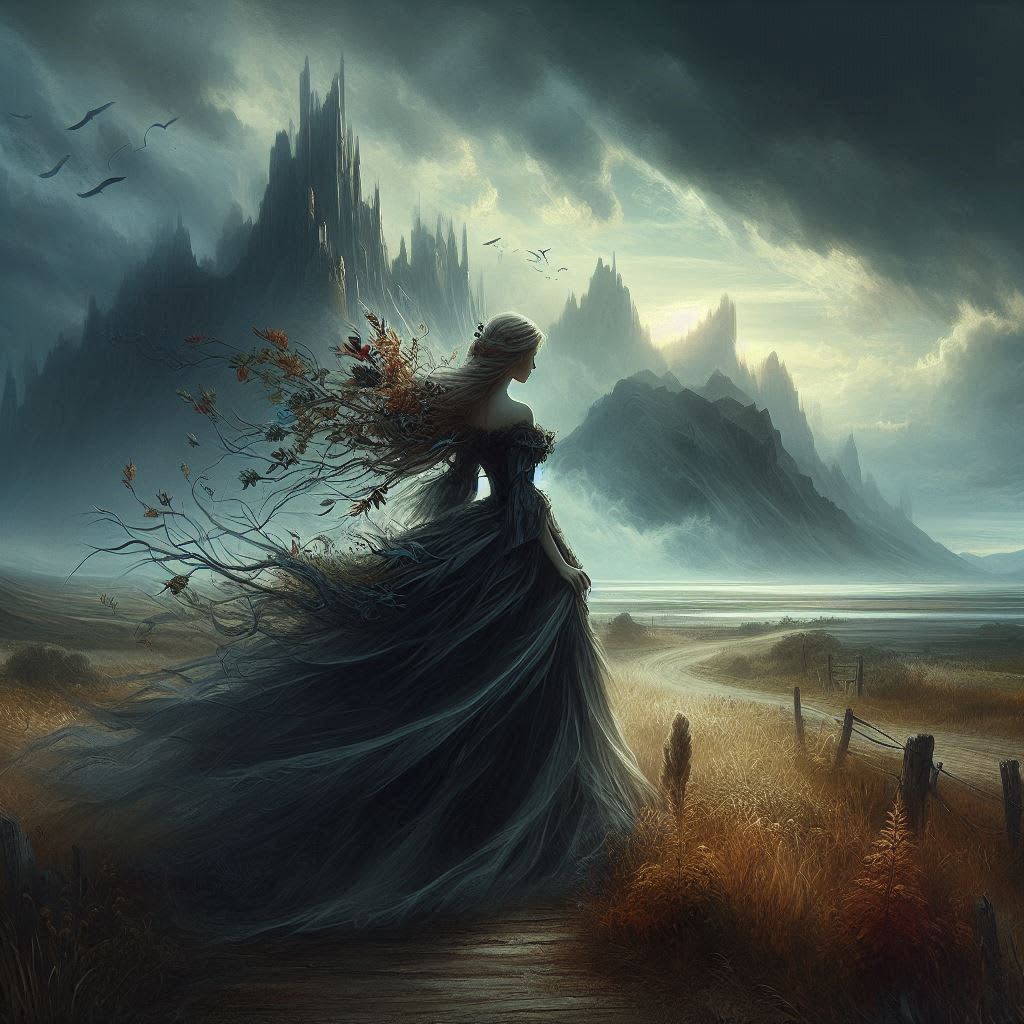
The phrase "Whispers of the Forgotten" had always felt like a gentle mantra—one carried by the wind through narrow lanes and crumbling stone walls. In the modest town of Sarmad, nestled at the edge of a timeworn mountain range, Laila lived in a house that once echoed with laughter and family stories. Over the years, however, the vibrant tapestry of her heritage had faded into silent relics. That all began to change one crisp autumn afternoon when a faded, handwritten letter arrived, stirred from beneath layers of dust in an old trunk.
The delicate script of the letter beckoned Laila to remember a time when quiet voices spoke of courage and unrecorded sacrifices. It recounted an evening long past—a night when the town’s subdued murmurs transformed into a collective plea to honor a forgotten hero. The letter mentioned a compassionate woman named Mariam, whose acts of quiet defiance had once rekindled hope when darkness had blanketed Sarmad. The note ended with an urgent whisper, “Remember me, for my story has not ended.” These words would reverberate in Laila’s heart, urging her to unearth the mysteries buried beneath layers of time.
Fueled by an unrelenting need to uncover the fragments of this lost chapter, Laila embarked on a journey that would lead her through the sinewy alleys of memory and history. With only a worn photograph of a smiling young woman and scattered lines of an ancient lullaby as her guide, she sought out the town’s elders. In the warmth of a crowded teahouse—where the clink of porcelain and soft exchanges of local lore wove into a comforting background—elderly men shared whispered recollections of that long-forgotten night. Their voices, though husky with age, painted a picture of Mariam: a modest, determined soul who had, in silence, mended broken hearts and lit the way through a time of despair.
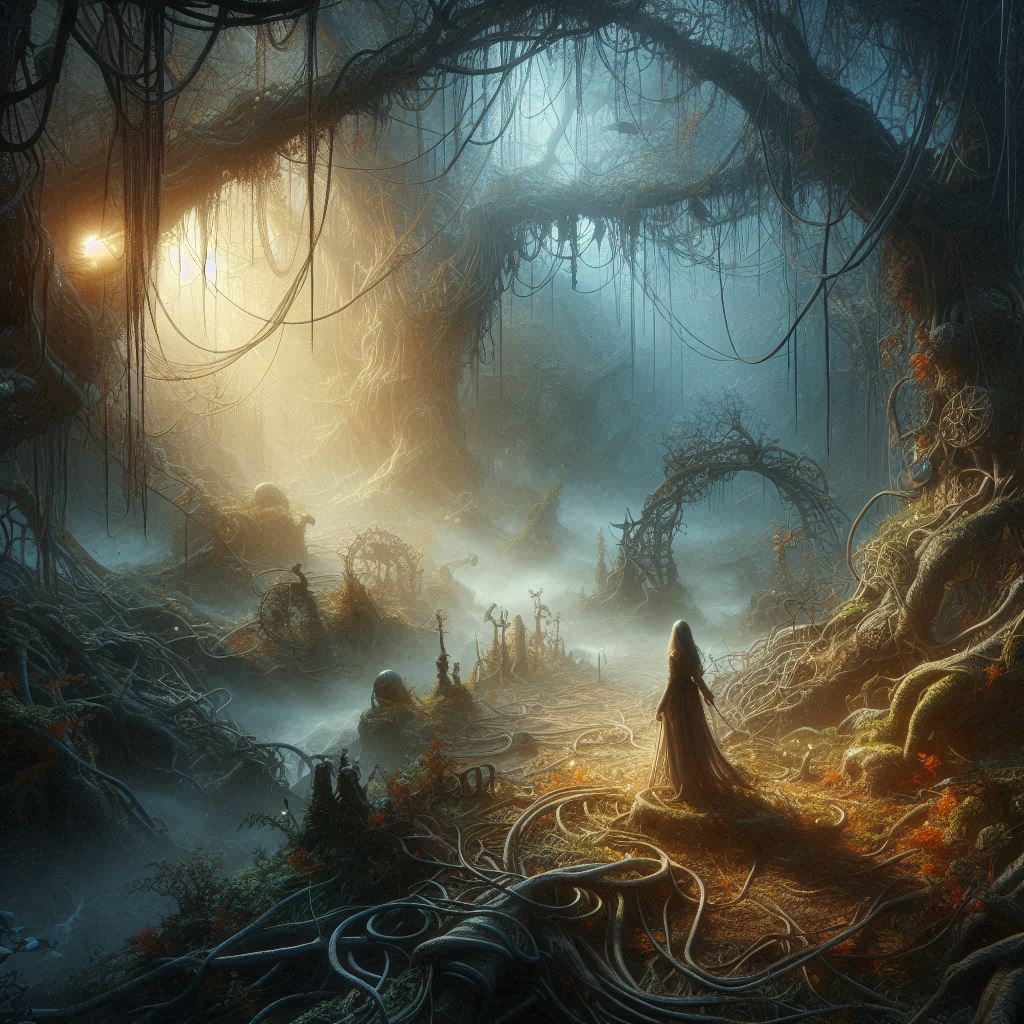
Walking the now-silent streets as dusk settled softly over Sarmad, Laila began to perceive the landscape as a living archive. Shadows draped over walls like memories of laughter and tears; each corner seemed to hold echoes of lost conversations. In these quiet moments, she felt as if the very air was infused with the voices of those who had once loved and suffered, who had dared to hope amidst adversity. The town’s architecture, weather-beaten and dignified, bore secret scars and tender imprints that formed a tapestry of endurance over the years.
Her quest eventually led her to the faded interior of a local library that time appeared to have lovingly forgotten. Tucked away on a creaking shelf was an unassuming ledger penned by a devoted schoolteacher. The ledger chronicled Mariam’s small yet transformative acts—providing warm blankets on icy nights, offering heartfelt words of comfort when hope seemed elusive, and nurturing a belief that compassion could triumph over despair. As Laila turned each yellowed page with trembling reverence, she began to see that the whispers spoken of in the letter were not mere remnants of the past; they were vibrant affirmations of a community’s enduring spirit.
Moved by these discoveries, Laila decided that the legacy of Mariam and the forgotten heroes needed to be resurrected. In the old community center, under the soft glow of innumerable candles, she organized an exhibition. The space was adorned with relics of the town’s past: sepia-toned photographs, fragile letters, and handwritten notes that echoed silent laments and quiet victories. Neighbors and long-lost friends gathered closely, sharing their own recollections and rediscovering the interconnectedness of their lives. In that shared space, the past and present intertwined, and the forgotten voices became a living chorus, reminding everyone in attendance that their history was built upon both grand triumphs and humble sacrifices.
In the collective murmurs of gratitude and remembrance that filled the room, Laila recognized that the whispers of the forgotten were not meant to be buried by time. Their gentle echo resided in the hearts of those who chose to listen—voices that continued to guide, inspire, and heal. That night, as the exhibition drew to a close and the soft night embraced Sarmad once again, Laila felt a profound serenity. The legacy of Mariam and countless unsung heroes had been revived, not with theatrical fanfare, but in the quiet, resilient bond of a community united by memory, love, and an unyielding pursuit of hope.
The story of Sarmad was no longer a collection of isolated fragments but a tapestry woven with genuine human triumphs—a testament that even in the deepest silences, the whispered voices of the forgotten continue to speak, reminding each generation of the power of remembrance and compassion.
About the Creator
Enjoyed the story? Support the Creator.
Subscribe for free to receive all their stories in your feed.
Comments
There are no comments for this story
Be the first to respond and start the conversation.