
Vladimir Lenin: The Revolutionary Who Shaped the Soviet Union
Biography: Vladimir Ilyich Lenin

Lenin was a Russian revolutionary who emerged as the Bolshevik Party's most prominent member and the first Premier of the USSR in the early 1920s. Lenin practised law for a few years before moving to St Petersburg in 1893. It was here that Lenin founded the St. Petersburg League of Struggle for the Emancipation of the Working Class. This group was a consolidation of Marxist groups in Russia, and the first time Lenin actively campaigned as a Marxist.
Lenin's campaigning as a Marxist led to his imprisonment in 1985. In 1897, Lenin was exiled to Siberia and remained in exile until the end of the decade. During this period, Lenin married Nadezhda Krupskaya.
At the beginning of the 20th century, Lenin emerged as the co-founder of Iskra. This newspaper included a variety of revolutionary articles. Lenin also began to recruit for the Russian Social Democratic Labor Party.
In 1903, Lenin attended the 2nd Congress of the Russian Social Democratic Labor Party. It was at this congress that Lenin headed the Bolshevik faction of the party. The Bolshevik faction was the majority faction, and a party split emerged that would see the Bolshevik Party and Menshevik Party founded.
Lenin returned to Russia in 1905 for the 1905 Revolution. However, the failure of this revolution to remove the Tsar ensured a further period of exile for Lenin. As such, in 1907 Lenin left Russia for Western Europe. Upon the outbreak of the First World War in 1914, Lenin remained in Switzerland.
Although most socialist parties actively supported Russia's involvement in the war, Lenin remained sceptical about the country's involvement. The defeats that followed for Russia on the eastern front left the country on the brink of defeat by 1917. The economic impact of war had brought food shortages in Russia and inflation. As such, support for the Tsar all but evaporated as soldiers joined the protesters, and so the Tsar abdicated in 1917.
After the February Revolution, Lenin returned to Russia via Germany. Upon his return, Lenin published his April Theses, which called for the establishment of socialism, or communism, in Russia. As such, the Bolshevik Party did not support the Provisional Government that had been established.
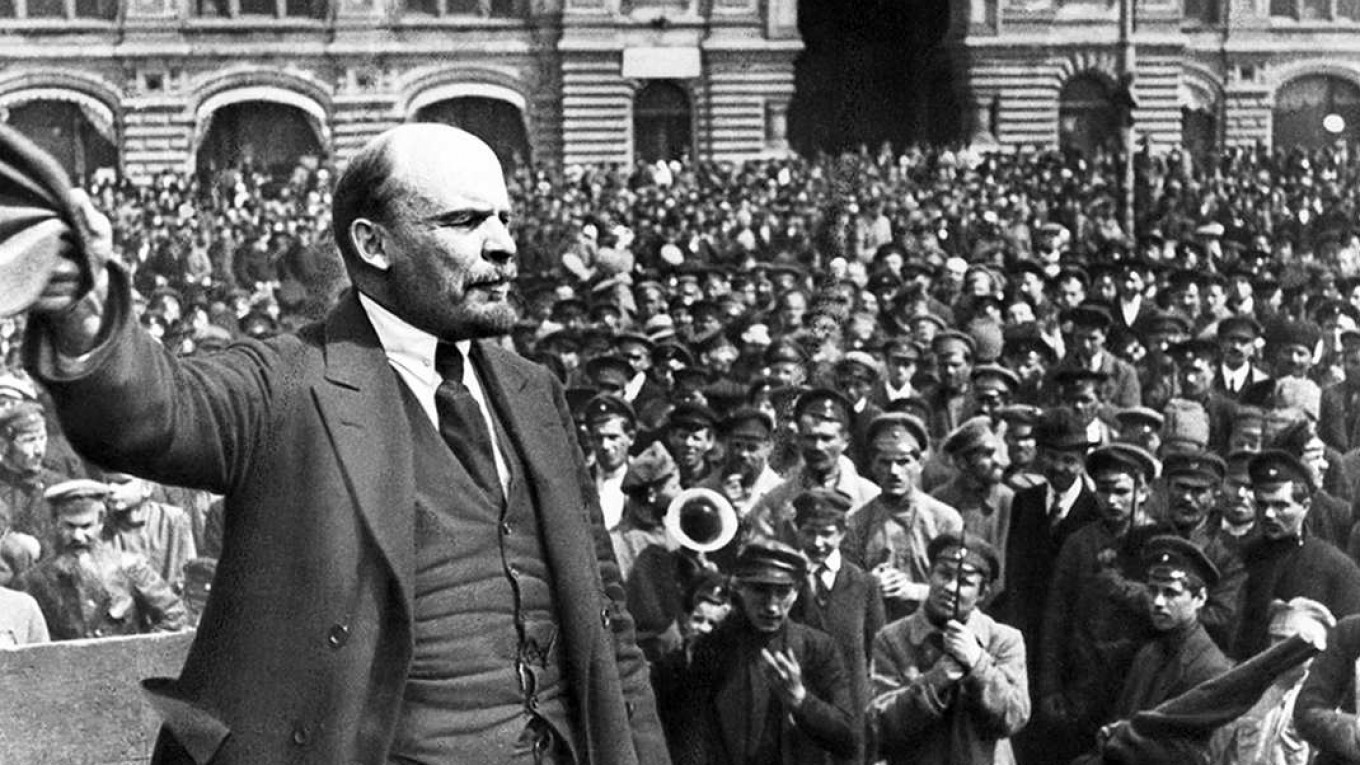
In October 1917, Lenin led the Bolshevik coup. They approached and seized the Winter Palace in Petrograd. As a result, the Provisional Government was disbanded by Lenin and the Bolsheviks. Soon after, the Congress of Soviets established the Bolshevik regime, and Lenin attended the conference, proposing the decree of bread, peace, and land, which would become a cornerstone of Bolshevik policy.
After the revolution, the USSR had yet to be established. The Russians accepted the Treaty of Brest-Litovsk with Germany, and the Russian Civil War would follow. The Red Army was victorious in this war, paving the way for the establishment of the USSR. In 1922, Lenin was elected Chairman of the Council of People's Commissars of the Soviet Union.
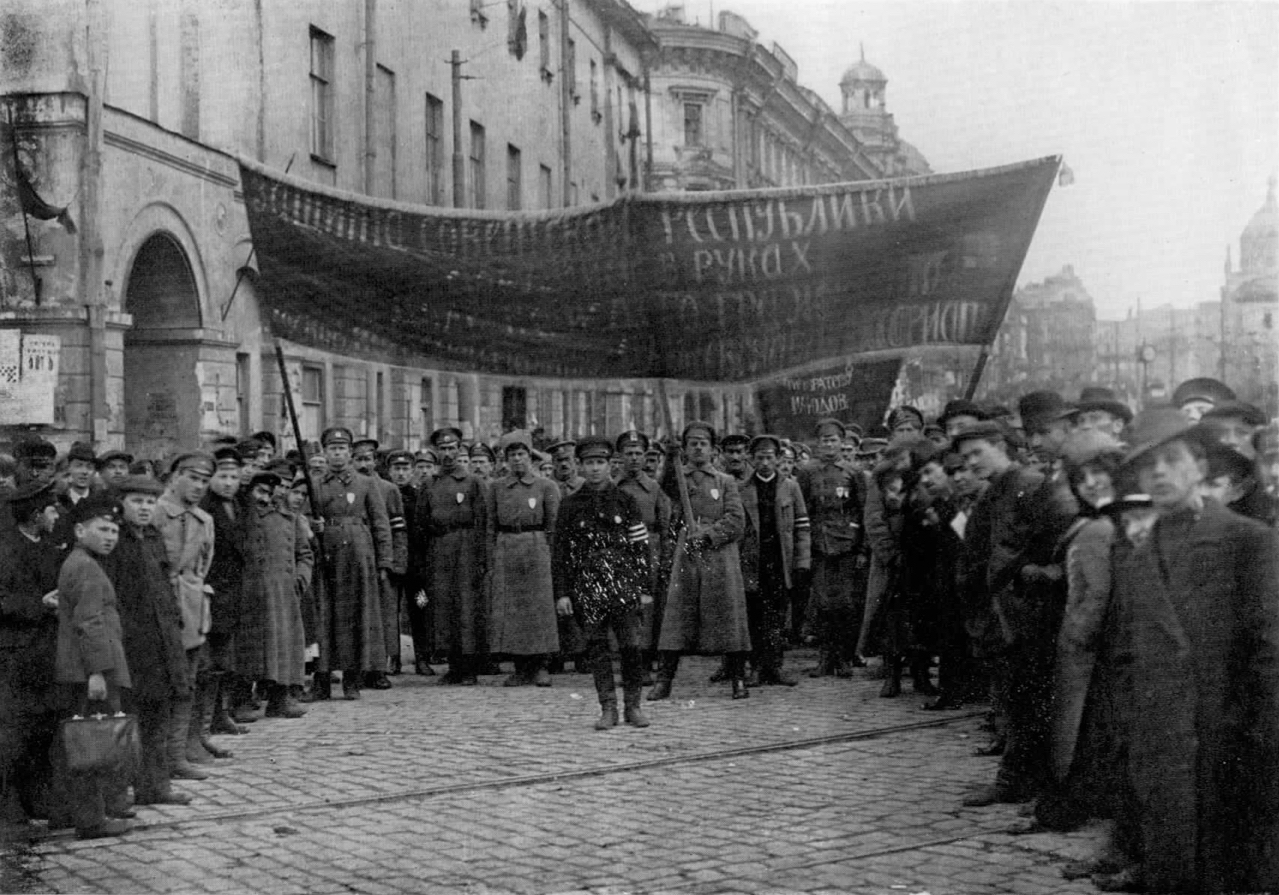
However, Russia remained in the economic mire after WWI and the Russian Civil War. The Bolshevik policy of War Communism had done little to reverse this. Lenin conceded that War Communism had to be abandoned, and in its place the New Economic Policy was established. This policy introduced a degree of free market reform in the USSR, which, although it did not fit easily with Bolshevik Party ideology, Lenin nonetheless felt had to be introduced.
Overall, NEP did go some way in providing a degree of economic growth. Private farmers recorded grain surpluses, and Russian railroads expanded markedly over the period. As such, the policy was continued while Lenin remained Chairman of the Council of People's Commissars of the Soviet Union.
However, Lenin would not remain Chairman of the Council of People's Commissars for much longer. In 1924, he was succeeded by Alexey Rykov. Stalin emerged as General Secretary of the Communist Party, despite Lenin's Testament, which requested that Stalin be removed from the position. The party removed this request as opponents of Stalin gradually dispersed, and Trotsky left the USSR.

Lenin inspired the Bolshevik coup during the Russian Revolution. Then came the rise of communism and the USSR. Lenin remained a national hero during the Soviet era, and Petrograd was renamed Leningrad.
About the Creator
Matthew A
Matthew is the author of Battles of the Pacific War 1941-1945. Battles of the Pacific War is available on Amazon and Lulu in e-book and paperback formats. Check out the book’s blog at battlesofthepacificwar.blogspot.co.uk.
Enjoyed the story? Support the Creator.
Subscribe for free to receive all their stories in your feed.
Comments
There are no comments for this story
Be the first to respond and start the conversation.