
This Woman Pilot Went On a Suicide Mission on 9/11
And Almost Nobody Knows Her Name

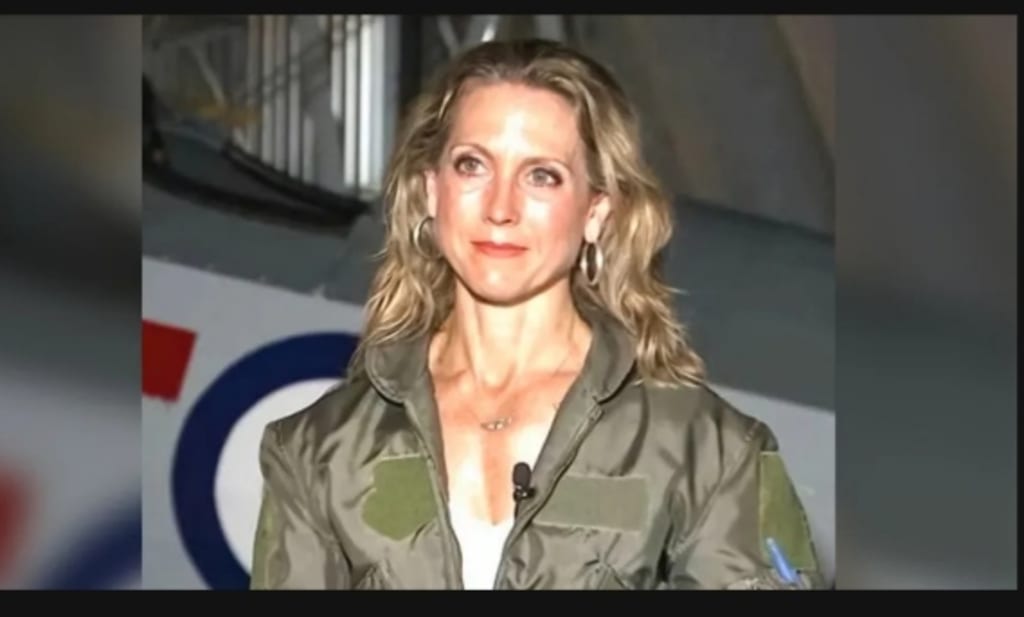
When people talk about the events of September 11, 2001, certain images immediately come to mind. The burning towers of the World Trade Center. The smoke rising from the Pentagon. The fear and confusion that spread across the United States as millions watched the attacks unfold live on television. It was one of the darkest mornings in modern history. But hidden inside that tragedy are stories that many people still do not know. Stories of ordinary individuals who were suddenly forced to make impossible decisions within minutes. One of those people was Heather Penney, a young Air Force pilot who willingly accepted what was essentially a suicide mission to defend her country. At the time, Penney was only 26 years old. She was stationed at Andrews Air Force Base, located just outside Washington, D.C. Unlike the experienced military heroes often portrayed in movies, Penney was still relatively new as an F-16 pilot. She had dreams, plans for the future, and a normal life ahead of her. That morning began like any other ordinary day. Then everything changed.
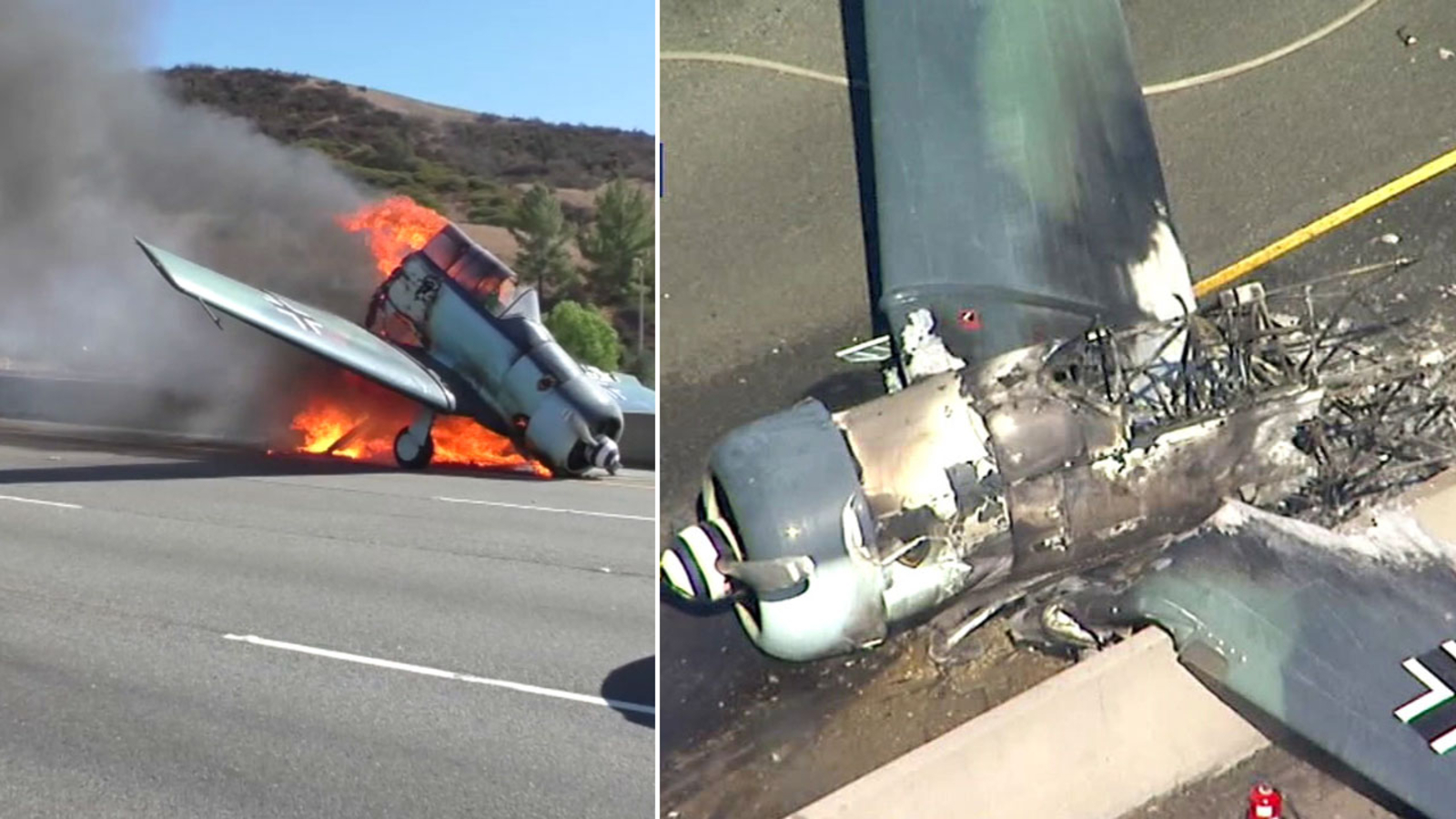
As news spread that two planes had crashed into the World Trade Center, confusion quickly turned into panic. Nobody fully understood what was happening. Reports came in rapidly and often contradicted one another. Soon another plane struck the Pentagon, confirming the horrifying truth that the United States was under attack. For military personnel across the country, the situation became chaotic almost instantly. The nation’s defense systems had been designed to protect against foreign threats from outside the country. They were not prepared for commercial passenger planes being turned into weapons inside American airspace. Communication systems were overwhelmed. Information was incomplete. Officials had no clear idea how many hijacked aircraft were still flying. Somewhere in the middle of that uncertainty came the terrifying possibility that another plane could be heading directly toward Washington. There was no time to waste. Penney and her commanding officer, Marc Sasseville, were ordered to take off immediately in their F-16 fighter jets to intercept the aircraft. But there was a major problem. Their planes were not armed. No missiles. No bullets. No weapons capable of stopping a hijacked commercial airliner. The pilots barely had time to think before climbing into their cockpits and taking off. Only after they were already in the air did the reality of the mission become painfully clear. If they located the hijacked aircraft, they might have to stop it by crashing directly into it themselves. It was essentially a one-way mission. Years later, Penney described the moment with remarkable calmness. She and Sasseville quickly discussed a strategy while flying. Sasseville planned to strike the cockpit to disable the hijackers controlling the plane. Penney would target the tail section if necessary to ensure the aircraft went down before reaching its target. Neither pilot expected to survive the collision. It is difficult to imagine the emotional weight of a decision like that. Most people will never experience a moment where they must choose between their own life and the lives of thousands of strangers. Yet within minutes, Penney silently accepted the possibility that she might die before the day was over. And perhaps the most incredible part of the story is how ordinary she was. She was not a movie character. She was not trying to become famous. She was simply a young woman doing her duty during one of the most frightening moments in American history. There is something deeply human about that kind of courage. Popular culture often portrays bravery as loud and dramatic. Heroes in films usually deliver emotional speeches or charge fearlessly into danger without hesitation. Real courage rarely looks like that. In reality, courage often means feeling fear very clearly and moving forward anyway because the situation demands it. That morning, Penney understood exactly what could happen. An F-16 crashing into a Boeing airliner would almost certainly destroy both aircraft instantly. There was no realistic expectation of survival. Still, she continued flying toward the threat. Fortunately, the mission never reached its tragic conclusion. The hijacked aircraft they were searching for was later identified as United Airlines Flight 93. Before the military could intercept it, passengers aboard the plane fought back against the hijackers after learning about the earlier attacks. The passengers’ actions prevented the aircraft from reaching its intended target, believed to be either the White House or the U.S. Capitol. Flight 93 eventually crashed into a field near Shanksville, Pennsylvania. The bravery of those passengers became one of the defining stories of 9/11. Yet above the clouds, another act of sacrifice had already begun. For many years afterward, Heather Penney’s story remained largely unknown to the public. While some heroes become instantly recognizable after historic events, Penney quietly returned to her life and military career without seeking attention. That humility is part of what makes her story so powerful.
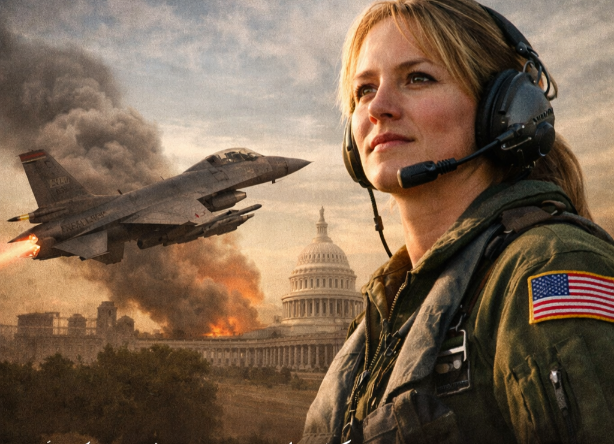
In today’s world, people often measure importance through visibility. Social media rewards recognition, followers, and constant self-promotion. Many individuals feel pressure to broadcast every accomplishment to the world. But Penney’s actions came from a completely different mindset. She did not volunteer for attention. She volunteered for responsibility. Her story reminds us that some of the bravest acts in history happen without cameras, applause, or public recognition. Real heroism is not always about being remembered forever. Sometimes it is simply about doing what needs to be done in a moment of crisis. That is why her story still matters today. Not because it glorifies tragedy or war, but because it reveals what human beings are capable of when confronted with unimaginable circumstances. In a moment filled with fear, confusion, and uncertainty, a 26-year-old pilot was willing to sacrifice everything to protect people she would never meet. Most people still do not know her name. But perhaps they should. Because behind every historic event are individuals like Heather Penney — ordinary people placed in extraordinary situations who choose courage over fear when it matters most. And sometimes, those are the stories history almost forgets.
About the Creator
Enjoyed the story? Support the Creator.
Subscribe for free to receive all their stories in your feed.
Comments
There are no comments for this story
Be the first to respond and start the conversation.