
The World Is Drinking Less Wine: Why Consumption Fell by 14%
Why global wine consumption is falling as prices rise, lifestyles change, and climate pressure reshapes the industry.
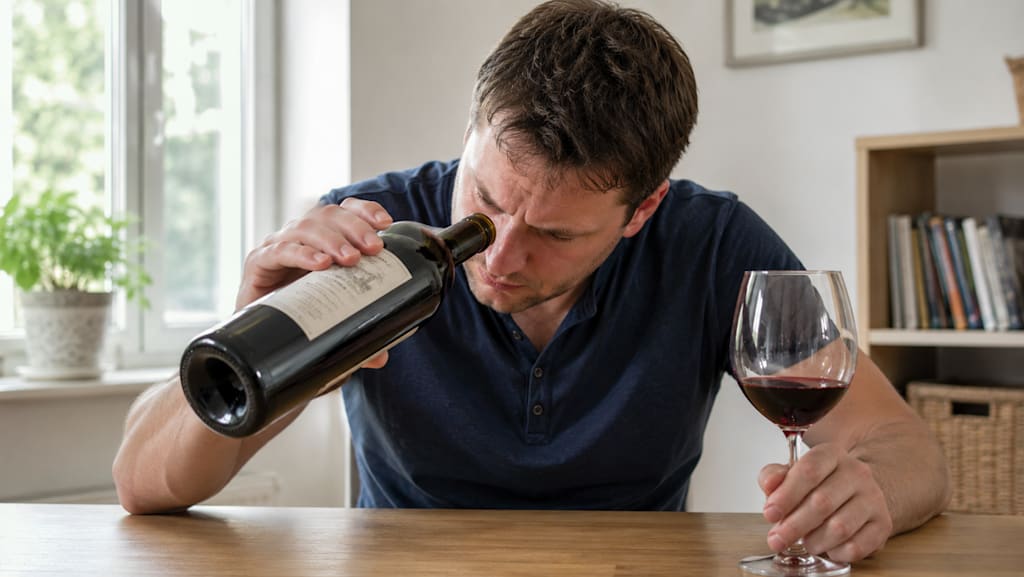
The global wine market is going through one of its most visible declines in decades. According to a report by the International Organisation of Vine and Wine (OIV), global wine consumption fell by another 2.7% in 2025, reaching about 208 million hectoliters. But the main figure looks even more serious: compared with 2018, global consumption has fallen by roughly 14%. For an industry that for centuries was seen as part of culture, gastronomy, and the way of life of entire countries, this is a very serious signal.
Why people have started drinking less wine
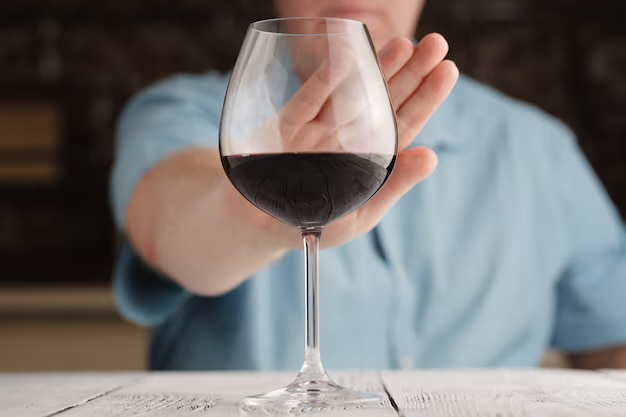
There are several reasons at once. The first is a change in lifestyle. Younger generations in Europe, the United States, and Asia are increasingly giving up regular alcohol consumption. What is becoming fashionable instead is: a healthy lifestyle; sports; giving up alcohol; non-alcoholic drinks; low-calorie products. If a glass of wine with dinner used to be seen as an everyday norm, many people now treat alcohol much more cautiously. This is especially noticeable among people under 35. They are less likely to buy wine for everyday use and more likely to choose either a rare expensive bottle for a special occasion or no-alcohol alternatives instead.
Wine has become too expensive
The second reason is rising prices. In recent years, winemaking has been hit by: inflation; higher glass prices; rising logistics costs; harvest problems; expensive electricity; climate change. As a result, a bottle of good wine has become noticeably more expensive in many countries. People start saving money and more often choose: beer; cocktails; spirits; cheaper drinks. This has hit the middle segment especially hard — ordinary table wine.
Climate change is reshaping the world wine map
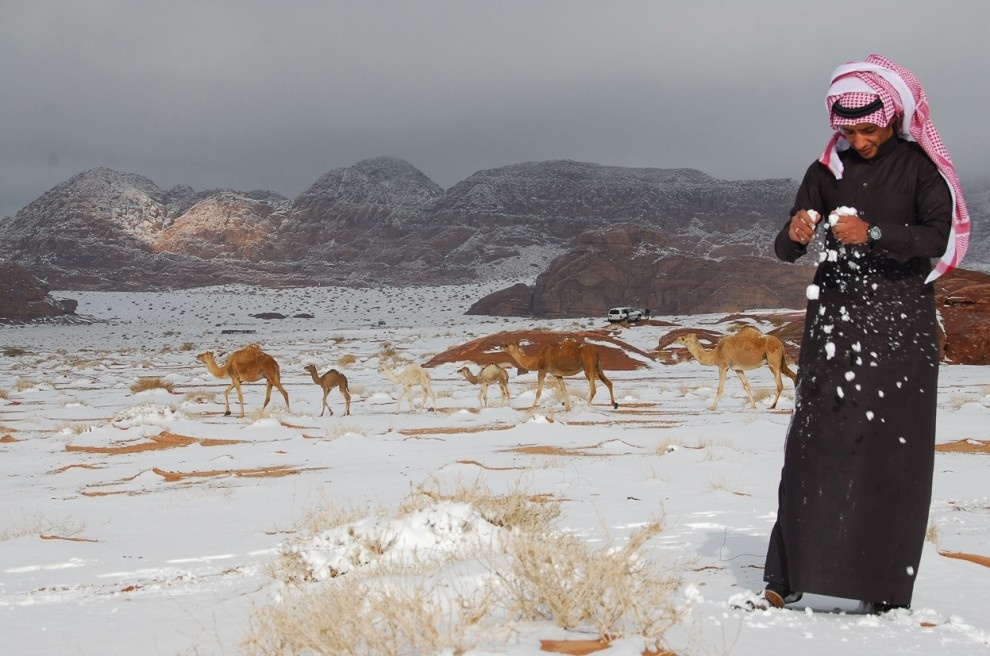
The OIV report also shows a decline in production. Wine-growing regions are increasingly suffering from: drought; heat; forest fires; unstable weather; hail; water shortages. For grapes, climate is critical. Even a small change in temperature affects taste, acidity, and the overall quality of wine. Because of this, some traditional regions in Europe are already losing harvests. Problems have been recorded, for example, in: France; Italy; Spain; Portugal. At the same time, some northern regions are beginning to benefit from warming. Winemaking is gradually developing in places where it was once almost impossible.
Europe is still the center of wine
Despite the decline, Europe remains the world’s main wine-producing region. France, Italy, and Spain continue to lead both in production and in cultural influence. But even there, habits are changing. In France, wine consumption per person has been falling for decades. If in the middle of the twentieth century a French person might drink wine every day, today it is increasingly becoming a drink for special occasions.
Non-alcoholic wine is becoming more popular
Interestingly, against the backdrop of the general decline, the market for non-alcoholic wine is growing quickly. Producers are trying to adapt to new consumer tastes. Large companies are now actively investing in: non-alcoholic wine; organic production; premium lines; environmentally friendly technologies. The industry understands that simply selling cheap mass-market wine the way it used to no longer works.
Why this matters for the economy
For many countries, wine is not just an alcoholic drink, but a huge sector of the economy. It is tied to: tourism; restaurants; exports; agriculture; logistics; the hotel business. A decline in demand means problems for thousands of wineries, farmers, and regions that depend on wine production. Small family estates are suffering especially hard, because it is becoming more and more difficult for them to compete in a shrinking market.
About the Creator
Enjoyed the story? Support the Creator.
Subscribe for free to receive all their stories in your feed.
Comments
There are no comments for this story
Be the first to respond and start the conversation.