
The Toll of the Trenches: Casualties in the First World War
Casualties of World War I

World War 1 was a bloody war of untold slaughter. Its tragedy that can be summed up by the casualties, which amounted to an estimated 40 million military and civilian on all sides, via military combat or other issues like famine due to blockade and inadequate supplies.
The two sides, the Entente alliance and the Central Powers, fought for four years between 1914 and 1918. A war, which was supposed to be quick and decisive, was actually quite the opposite and lasted much longer than expected. A lack of offensive armada did not help, and in the west, French, German, British (Commonwealth), and to a lesser extent American soldiers were ground down in trench warfare and failed offensives.
This was only broken in 1918 when the tank was used. In the East, the Russian Empire also fought the German Empire but was defeated. The Ottoman Turks and Austria-Hungary were also involved on the German side. There were, of course, a number of other nations involved, like Japan, Bulgaria, and colonies of the British, French, and German empires, which also sustained casualties.
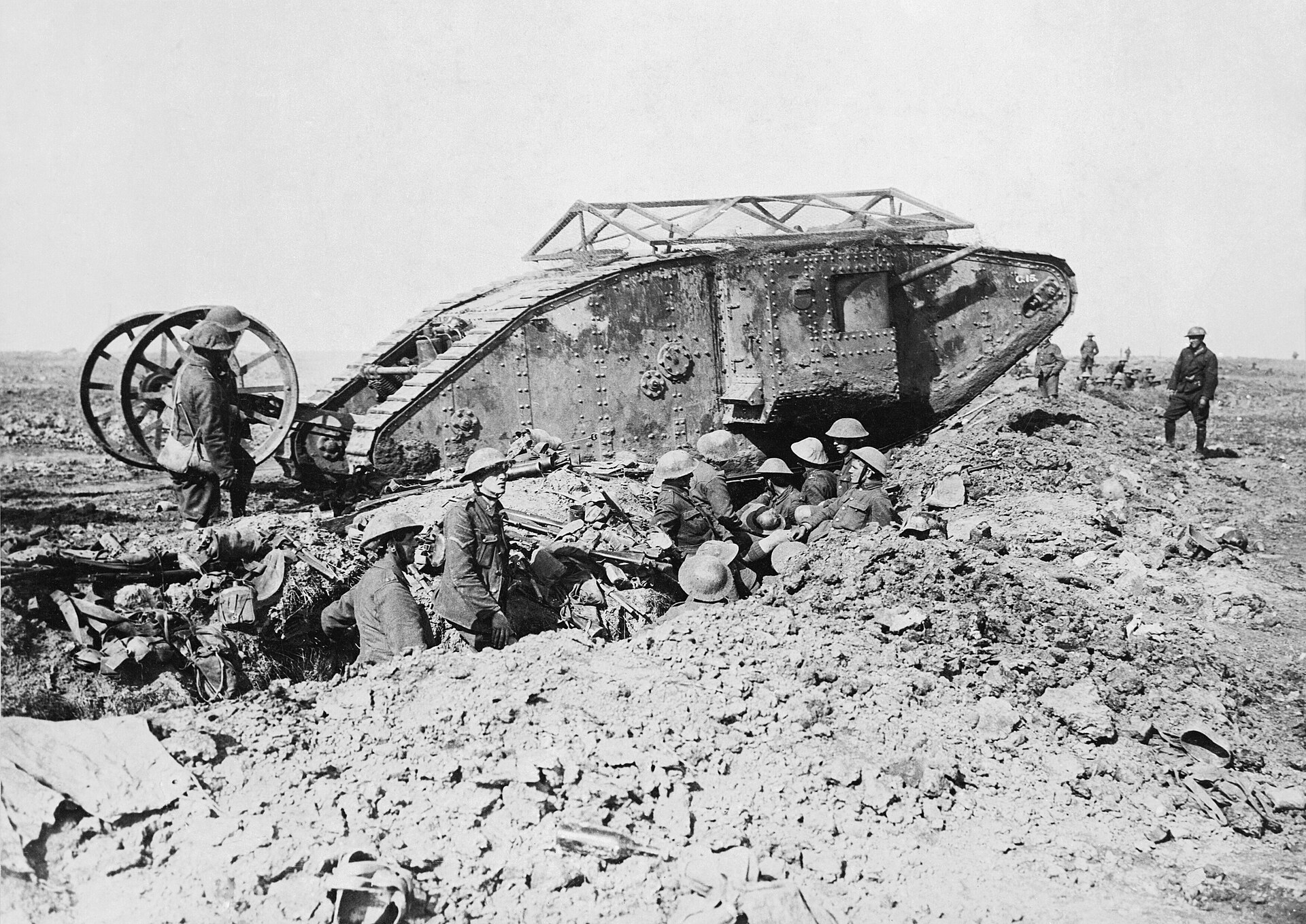
Of course, various sources now shed light on the casualties sustained. Sources that shed light on the war figures range from the Commonwealth War Graves Commission to historical books like The World War 1 Source Book. The number of studies carried out has now allowed for a reasonable amount of agreement on the subject.
To begin with, looking at military casualties alone tells a story. 9.7 million casualties are recorded on all sides of the conflict. Breaking this down further makes for interesting reading. The victorious Entente nations accumulated 5.6 million, while the defeated Central Alliance accumulated 4.4 million. As such, despite winning, the Entente lost more soldiers. This serves to highlight that it was a close conflict.
Militarily, the German Empire lost the highest number of soldiers. This is recorded at about 2 million. Alternatively, the second-highest number inflicted was on the Entente side, with the Russian Empire losing 1.8 million soldiers in the war.
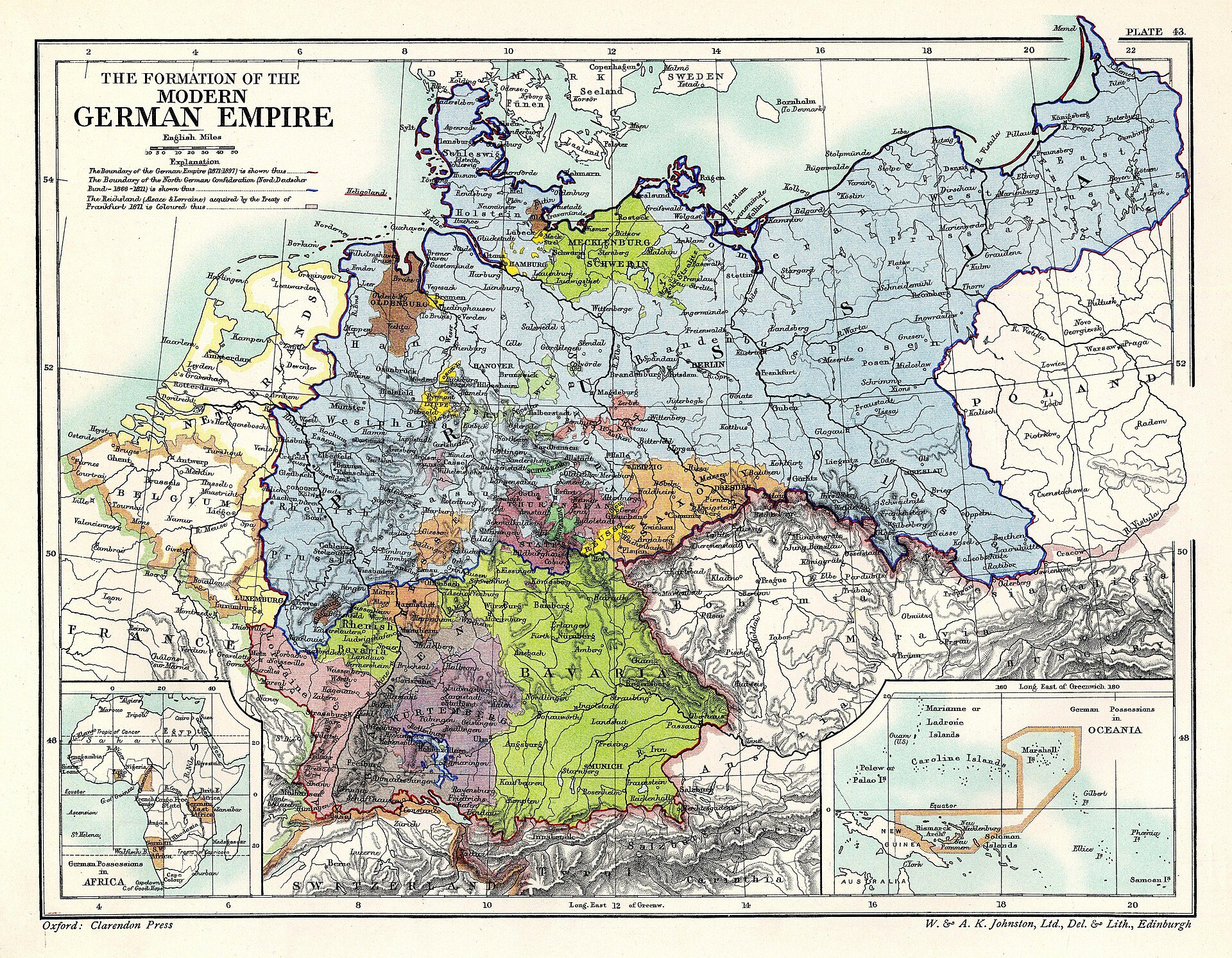
Civilian casualties are almost as high: 8.8 million on all sides. When broken down, the total on the Entente side amounts to 3.6 million, while on the other side, there were 5.1 million in total. The most curious figure is that given for the Ottoman Empire, 4.2 million civilian casualties is by far the largest recorded for any nation/empire involved. Not including them, the civilian statistics are actually relatively light on the Central side.
Of those that participated, the Russian Empire had the most recorded total casualties on the Entente side. Approximately 3.3 million, whilst on the other side, the Ottoman Empire lost the most. Figures given for the Ottoman Empire cite 5 million in total, and as such, the highest of any of the war's participants. As mentioned, however, only a much smaller number of Ottoman soldiers were lost: approximately 800 thousand.
Combining the civilian and military casualties leaves two very close figures: 9.3 million sustained by the Entente and 9.2 million casualties inflicted on the Central powers. When added together, approximately 18 million in total. A further 12 million are estimated to be wounded on the Entente side, while the Central alliance estimates are roughly 8 million, which gives a total of approximately 20-21 million wounded. The 18 million casualties and 21 million further wounded, when added together, give approximately 40 million war casualties in total, to the closest million.

With that, it can only be said that a generation was wiped out during World War 1, a war which is now remembered on the 11th November: Remembrance Day. Otherwise known as Poppy Day, the poppy tradition began in 1919, post-armistice, by Great Britain and the Commonwealth, and also includes ANZAC (Australian and New Zealand Army Corps) Day, which recalls Gallipoli on April 25th. Nowadays, the days serve as a remembrance to the casualties of World War 1, with memorials and services held. This article is dedicated to those services.
About the Creator
Matthew A
Matthew is the author of Battles of the Pacific War 1941-1945. Battles of the Pacific War is available on Amazon and Lulu in e-book and paperback formats. Check out the book’s blog at battlesofthepacificwar.blogspot.co.uk.
Enjoyed the story? Support the Creator.
Subscribe for free to receive all their stories in your feed.
Comments
There are no comments for this story
Be the first to respond and start the conversation.