
The Shattered Map: How the First World War Redrew Global Borders
Remembering the Aftermath of World War I
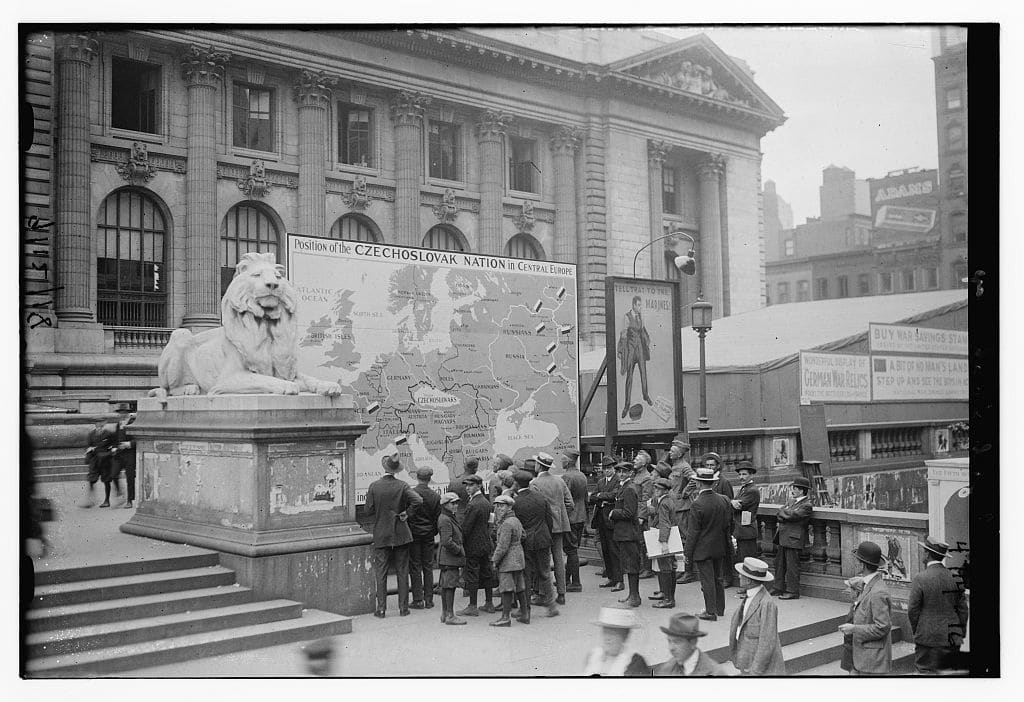
World War 1 ended on the 11th Nov 1918. That was the armistice date, but a number of postwar treaties still had to be drafted during the year that followed. Thus, the period from the end of 1918 up to 1919 was one in which the map of Europe was redrawn as three European empires all but crumbled.
After the armistice, the Germans established the Weimar Republic in 1919. President Ebert proclaimed the new republic in Weimar, Germany. In the first elections, an SPD, DDP, and Z coalition was established, headed by Chancellor Scheidemann. Once the republic was established, Germany had considerable debts, and an upward inflationary trend began.
Soon after the armistice, Germany surrendered much of its navy. The Royal Navy demanded that the German High Seas Fleet sail to their naval base at Scapa Flow. From November - January, the Scapa Flow naval base filled up with German battleships, U-boats, and other naval units.
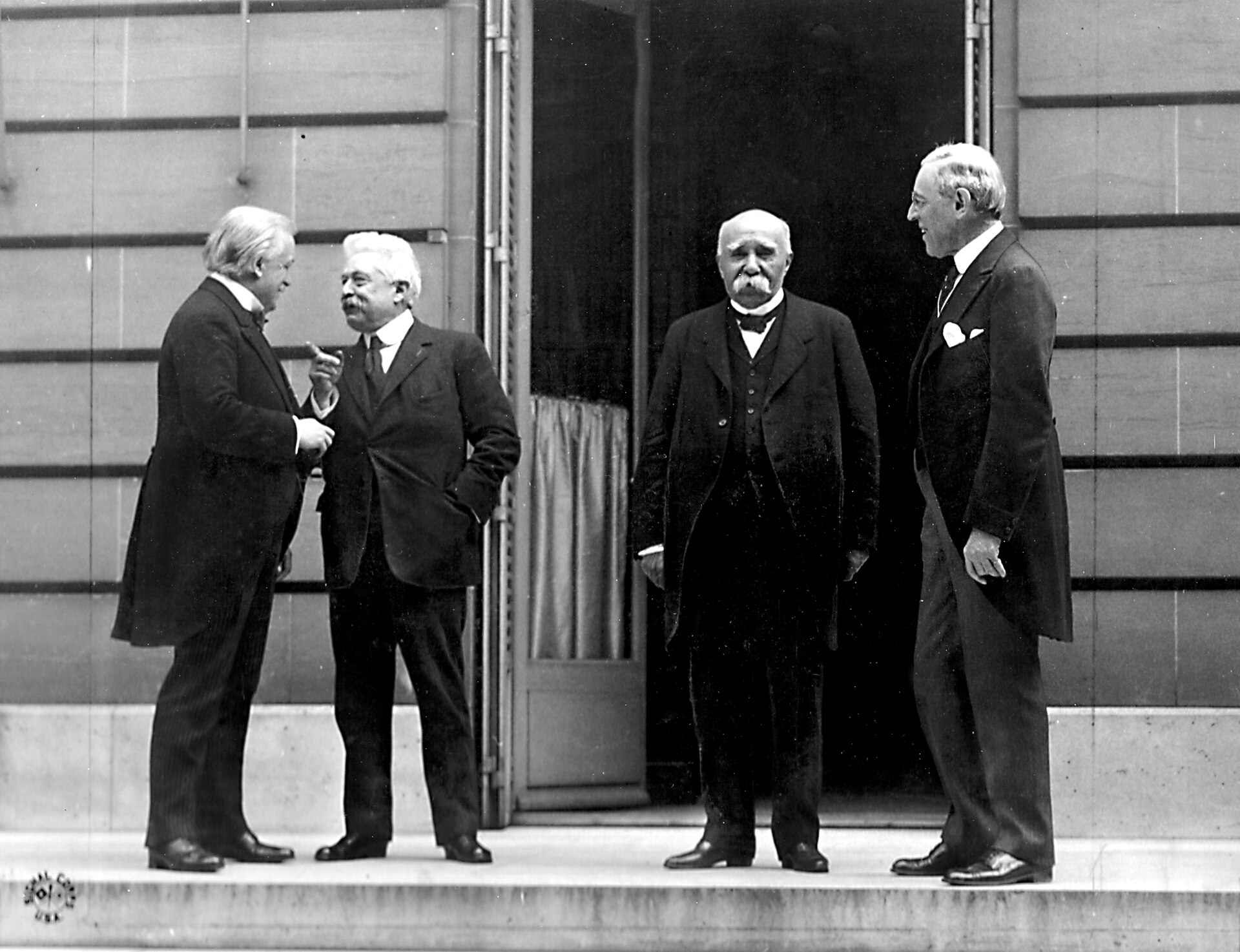
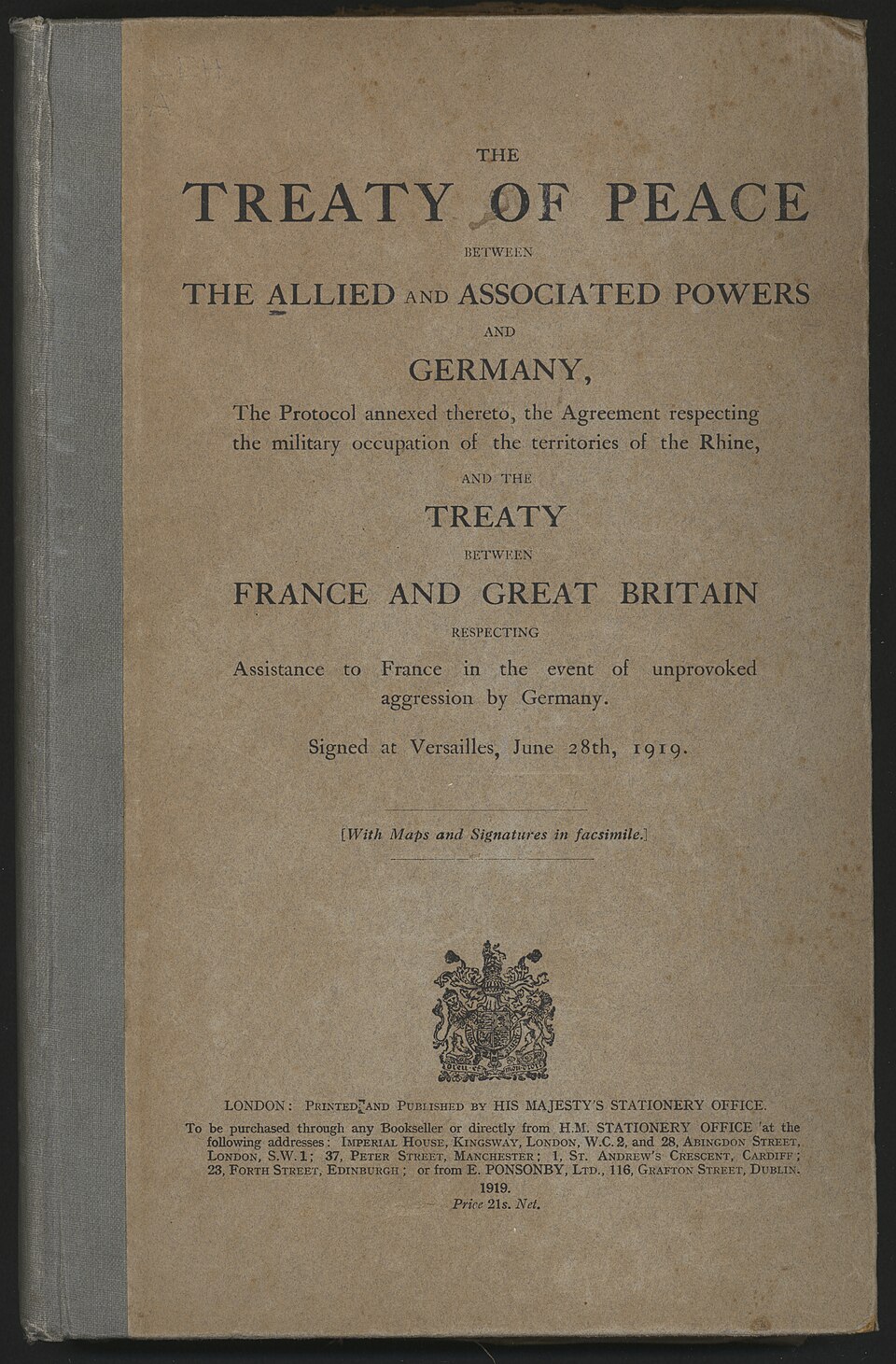
At the beginning of 1919, the Paris Peace Conference was opened in January. There, delegates from around the world met to draft postwar peace treaties. During the conference, the primary postwar treaty drafted was that of the Treaty of Versailles, which was to be given to the Germans. The treaty effectively dissolved the German Empire, returned Alsace-Lorraine to France, and also outlined German postwar reparation requirements. Most of the German navy was to be reduced to scrap, or handed over to the British, French, and Italian navies, and the German army was to be greatly reduced in size. When this treaty was handed to Germany, it was signed. Anything else, and Germany would most likely have been invaded by the British, U.S., and French armies that had amassed in eastern France.
At Scapa Flow, the German fleet was scuttled soon after. German battleships and other naval units were flooded within the port and gradually sank. This ensured that their ships were not added to the Royal Navy's fleets.
Aside from the Treaty of Versailles, other notable treaties drafted were those of the Treaty of Sèvres, the Treaty of Saint-Germain, and the Treaty of Trianon. These treaties all but dissolved the Austro-Hungarian and Ottoman empires in Eastern Europe. Thus, a patchwork of smaller Eastern European states, such as Poland, Czechoslovakia, and the Kingdom of Yugoslavia, was established. Other territories of these empires beyond Europe became League of Nations mandates or were absorbed into the French and British empires.
The League of Nations was also established in 1919. This was essentially a predecessor to the United Nations, but the United States was not included in it. When President Wilson returned to the United States, Congress did not ratify the Treaty of Versailles, and thus, they adopted an isolationist foreign policy. This ensured that they did not join the League of Nations during the postwar period.
Peace returned to much of Europe after the Paris Peace Conference, although smaller wars remained in Eastern Europe. The Polish-Soviet War continued up to 1921, which was something of a Polish victory as they were not absorbed into the USSR. However, the Bolsheviks triumphed in Russia and duly established the Soviet Union, which included Eastern European states such as the Ukraine.
In Germany, the economy gradually recovered after a period of rapid inflation. The election of Stresemann as chancellor began an economic recovery. When Stresemann later emerged as German foreign minister, he met with the British and the French at Locarno in 1925. The French and British permitted Germany to enter the League of Nations, and supposedly guaranteed the Franco-German border with the Rhineland Pact.
The Locarno Treaties were considered a notable step towards world peace. Germany and France had seemingly established firm treaties between them, and the Germans had greatly scaled back their own military as required by the Versailles Treaty. A clearer plan for German reparations had also been established. But not all were encouraged by the treaties. Some suspected, perhaps correctly, that Locarno was the beginning of an Anglo-Franco-German appeasement policy.
Overall, the war and subsequent postwar treaties did not ensure peace in Europe. Without the United States in it, the League of Nations was a toothless tiger. Postwar demilitarization was eventually abandoned as Germany and others rebuilt their militaries with new aircraft, tanks, and naval units.
About the Creator
Matthew A
Matthew is the author of Battles of the Pacific War 1941-1945. Battles of the Pacific War is available on Amazon and Lulu in e-book and paperback formats. Check out the book’s blog at battlesofthepacificwar.blogspot.co.uk.
Enjoyed the story? Support the Creator.
Subscribe for free to receive all their stories in your feed.
Comments
There are no comments for this story
Be the first to respond and start the conversation.