
“The Rise of Nazi Germany Under Adolf Hitler”
A historical look at how Adolf Hitler rose to power and led Germany into a devastating era.”

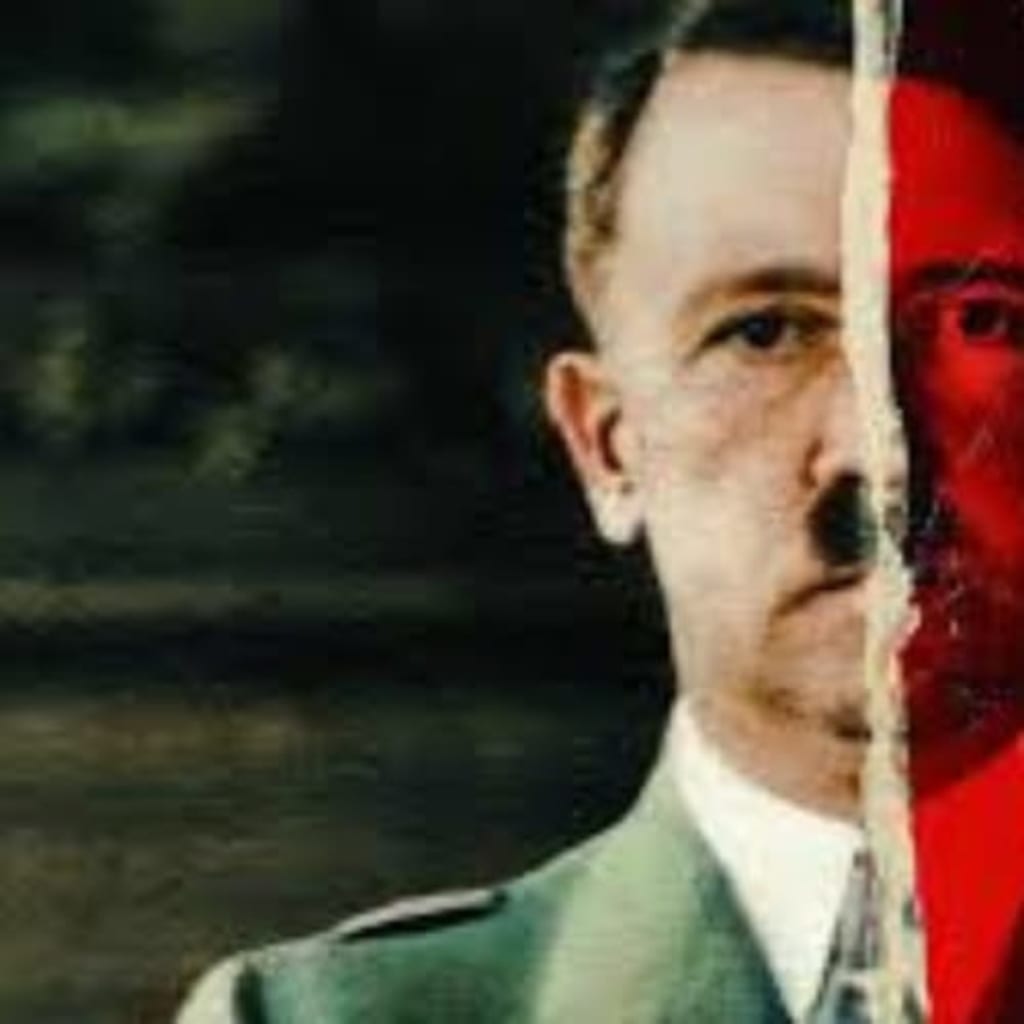
The Rise and Fall of Adolf Hitler: A Dark Chapter in History
The early 20th century was a time of uncertainty, fear, and change in Europe. In the aftermath of World War I, Germany was left weakened, humiliated, and struggling under the heavy terms of the Treaty of Versailles. Economic hardship, political instability, and widespread frustration created an environment where extreme ideas could take root. It was during this troubled period that a man named Adolf Hitler rose from obscurity to become one of the most powerful—and destructive—leaders in history.
Adolf Hitler was born in Austria in 1889. As a young man, he had dreams of becoming an artist, but his ambitions were repeatedly rejected. His early life was marked by disappointment and struggle. When World War I began, Hitler joined the German army and served as a soldier. The war deeply affected him, shaping his worldview and intensifying his sense of nationalism.
After Germany’s defeat in 1918, Hitler, like many others, felt betrayed. He blamed political leaders and certain groups for the country’s collapse. In the early 1920s, he joined a small political group known as the German Workers’ Party, which he later helped transform into the Nazi Party. Hitler was a powerful speaker, capable of stirring strong emotions in crowds. He used speeches and propaganda to spread his ideas, promising to restore Germany’s strength and pride.
Germany’s economic crisis during the Great Depression further fueled Hitler’s rise. Millions were unemployed, and many people were desperate for change. Hitler and the Nazi Party offered simple answers to complex problems, blaming minorities and promoting a vision of national unity under strict control. His message appealed to those who felt lost and angry.
In 1933, Adolf Hitler was appointed Chancellor of Germany. Once in power, he quickly moved to eliminate opposition and establish a dictatorship. Political parties were banned, freedom of speech was restricted, and critics were silenced. The Nazi regime used propaganda, fear, and control to maintain power. Over time, Hitler became the absolute ruler of Germany.
One of the darkest aspects of Hitler’s rule was his ideology, which was based on extreme racism and hatred. His policies led to the persecution of millions of people, especially Jews, as well as other minorities. This systematic oppression eventually escalated into the Holocaust, one of the most tragic and horrifying events in human history, where millions of innocent lives were lost.
Hitler’s ambitions extended beyond Germany’s borders. He sought to expand territory and build a powerful empire. In 1939, Germany invaded Poland, triggering World War II. The war quickly spread across Europe and beyond, drawing in many nations. At first, Germany achieved rapid victories, but the tide of the war eventually turned.
As the war continued, the destruction grew. Cities were bombed, millions of soldiers and civilians lost their lives, and entire nations were devastated. By 1945, Germany was facing defeat. Allied forces closed in from all sides, and Hitler’s control began to collapse.
In April 1945, as Soviet forces entered Berlin, Adolf Hitler retreated to a bunker beneath the city. There, he spent his final days as the world he had tried to control fell apart around him. Shortly afterward, his life ended, marking the fall of his regime.
The end of World War II brought relief to many, but the damage caused by Hitler’s rule could never be undone. The war left millions dead, countries destroyed, and families broken. The Holocaust remains a painful reminder of the consequences of hatred, prejudice, and unchecked power.
Today, Adolf Hitler is remembered not as a hero, but as a warning. His rise to power shows how fear, economic hardship, and manipulation can lead to dangerous outcomes. His story is studied to ensure that such events are never repeated.
History teaches us important lessons, and the story of Adolf Hitler is one of the most powerful examples. It reminds us of the importance of tolerance, critical thinking, and standing against injustice. While his actions caused immense suffering, understanding this chapter of history helps the world move forward with greater awareness and responsibility.
About the Creator
waqas durrani
Creative storyteller and digital explorer sharing ideas that inform, inspire, and spark curiosity. Passionate about history, trends, and real-world insights, I write to connect with readers and bring meaningful .
Enjoyed the story? Support the Creator.
Subscribe for free to receive all their stories in your feed.
Comments
There are no comments for this story
Be the first to respond and start the conversation.