
The Rise and Fall of German Communism: 1918–1990
The History of Communism in Germany

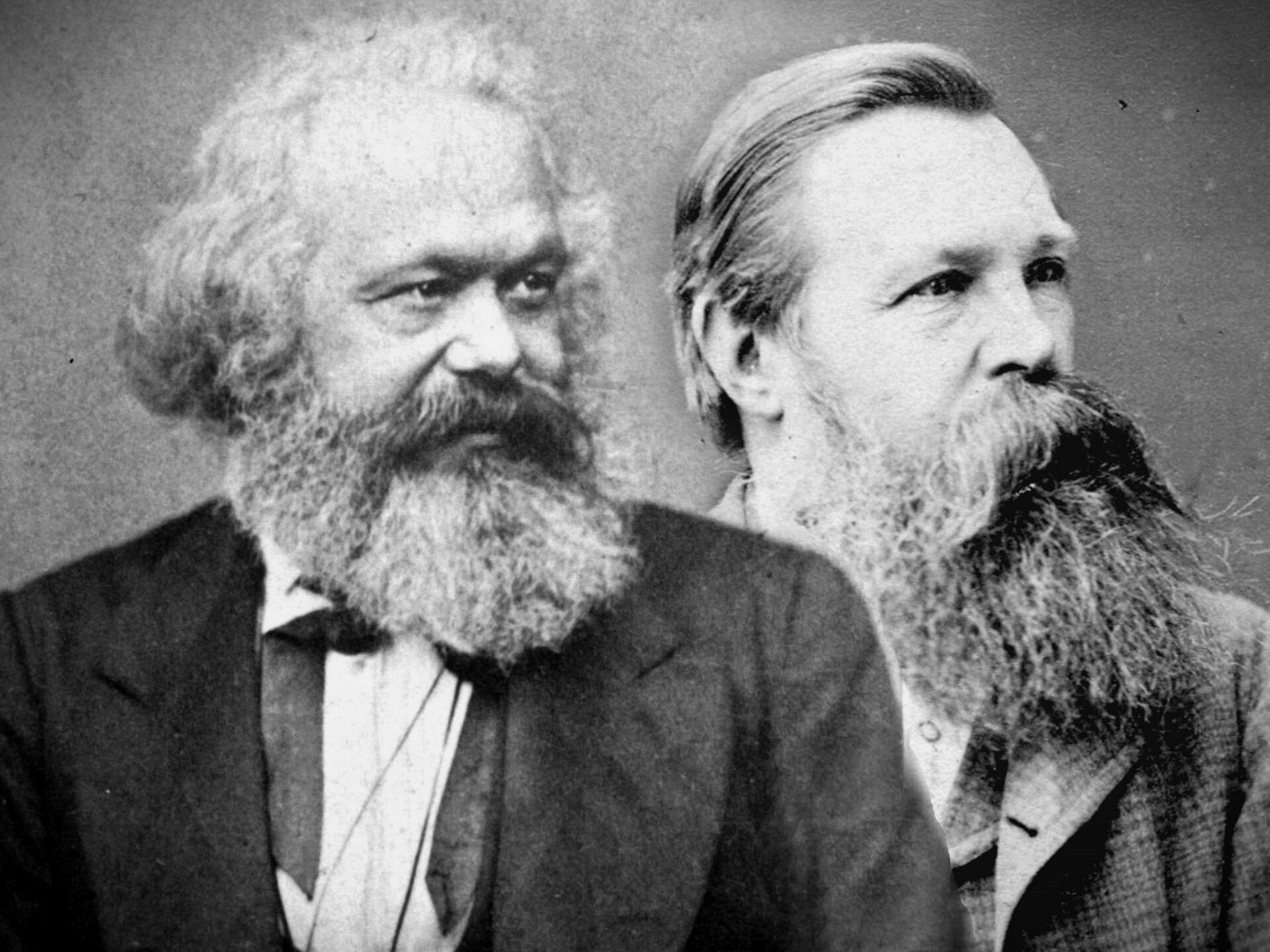
It was the German Marx who first published the Communist Manifesto during the 19th century. This book inspired various Marxist groups both inside and outside of Germany. However, left-wing politics did not really take off in Germany until Wilhelm 2nd sacked Bismarck in the late 19th century, who had previously banned German Socialist parties.
Bismarck was a Prussian aristocrat and was wary of the rise of Socialism. As such, there was little scope for communist parties and Marxist groups in Germany during this period. In fact, even after Bismarck was sacked, genuine Marxist groups in Germany did not emerge at the beginning of the 20th century. However, the German Socialist Party, the SPD, gained lots of support before the outbreak of the war. As such, by 1914, they were one of the biggest parties in the Reichstag.
During the war that followed Germany’s wartime defeats, support for the German monarchy eroded. By 1918, German troops were surrendering in numbers to the Entente, and calls for an end to the war and the abdication of Wilhelm 2nd became louder in Germany. The Entente also made it clear that they were not prepared to accept an armistice unless Wilhelm 2nd abdicated from the throne. As such, Wilhelm 2nd did this, and German delegates met with the Entente to discuss an armistice at Foch’s carriage. The war ended on the 11th November 1918.
The removal of the German monarchy was followed by the drafting of a new German charter for the Weimar Republic. The SPD was the most influential party in the Weimar Republic, although the new Reichstag would have many new parties, including the KPD, which was the German Communist Party. Partly inspired by Lenin and the Bolsheviks in Russia, KPD activists Rosa Luxemburg and Liebknecht would attempt a similar coup in 1919, the Spartacus uprising. This coup failed, and neither Luxembourg nor Liebknecht survived.
However, the KPD remained in the Reichstag and campaigned in the various Weimar Republic elections. The KPD gradually gained an increasing amount of support in Germany during the 1920s. By the end of the 1920s, they had gained a number of seats in the Reichstag. At the beginning of the 1930s, they were the biggest Communist Party in Europe, and as support for the Weimar Republic gradually declined, the likelihood of the KPD being voted into office had increased markedly.
Despite this, two factors prevented a communist regime from emerging in Germany during the early 1930s. The first was that they could not establish a united front with the SPD to defeat fascism. In addition to this, the Reichstag fire in 1933, which followed, was also blamed on the communists. It was the communist Van Der Lubbe who burnt the Reichstag, although debate has remained whether Van Der Lubbe did it alone. However, the Nazi Party blamed communists generally, and the left-wing parties disappeared from Germany entirely as the Nazis consolidated.
For the remainder of the decade, the only chance of a communist revival in Germany would likely come from war. Tensions between Germany and the USSR remained, and the Treaty of Versailles was gradually overturned by Germany. In 1938, German troops occupied Czechoslovakia, and war in Europe seemed likely. However, despite tensions, both Germany and the USSR established the Nazi-Soviet Pact, with the USSR promising neutrality if the German army advanced into Poland. In 1939, the war began as German troops occupied Poland, although the USSR remained neutral until 1941 when German troops marched into the USSR.
The war in the east did not begin well for the USSR, as the Germans advanced further into Russia. Bitter Russian winters and Soviet re-enforcements stabilized the front in late 1941. However, a renewed German advance into southern Russia in 1942 put the oil fields of the Caucasus within reach. The Russians held out and encircled the German army at Stalingrad, and in 1943, the Red Army began to advance westwards. By 1945, the Red Army had occupied much of Eastern Europe and then moved into East Germany and Berlin. Germany then surrendered to the Allies.
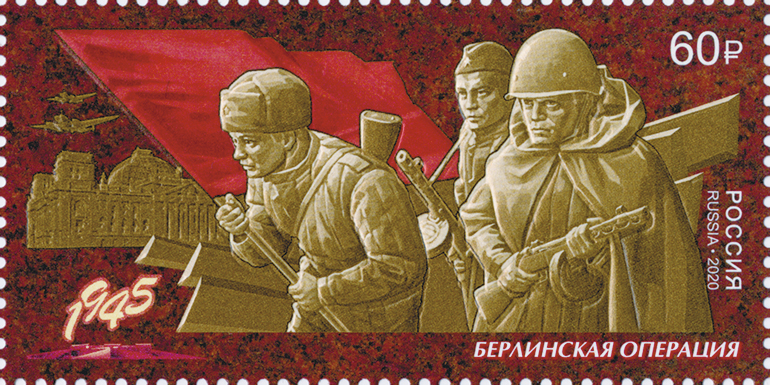
At Potsdam, Germany was divided into various occupation zones, including the Russian zone in East Germany, which included Berlin. As the Cold War began, the USSR established the GDR (German Democratic Republic) communist regime in 1949. As such, communism in Germany had been revived with a new communist regime in eastern Germany. However, many Germans fled the GDR and emigrated to western Germany, which prospered during the 1950s.
As emigration continued in the 1960s, the GDR began to establish a wall in Berlin. As such, the Berlin Wall emerged during the 1960s and would remain in place for much of the Cold War. Only in 1989, when communist regimes began to fall in the Eastern Bloc, would the Berlin Wall begin to crumble. Without the support of the Russian army, the GDR consented to the opening of the Berlin Wall. As such, East Berliners began to cross into West Berlin, and the Berlin Wall was gradually demolished.

This marked the end of the GDR and paved the way for German unification in the 1990s. In 1990, Germany united, and the GDR was history. On this note, communism in Germany effectively disappeared, and since unification, a number of left-wing groups have been dissolved. However, in 2007, the Left party was established as a successor to the KPD and today is one of the larger parties in the Reichstag.
It was the Russian army and the Communist Party of the Soviet Union that really established a communist regime in Germany in the post-war era. No Communist party within Germany has ever really been elected by the Germans, although the KPD had gained an increasing amount of support in the early 1930s. Since German unification, there has been little sign that this could change, except perhaps the rise of the Left party, which is the largest left-wing party in Germany.
About the Creator
Matthew A
Matthew is the author of Battles of the Pacific War 1941-1945. Battles of the Pacific War is available on Amazon and Lulu in e-book and paperback formats. Check out the book’s blog at battlesofthepacificwar.blogspot.co.uk.
Enjoyed the story? Support the Creator.
Subscribe for free to receive all their stories in your feed.
Comments
There are no comments for this story
Be the first to respond and start the conversation.