
The Rise and Fall of England’s Soccer Team: 1963–1973
Remembering How England's World Champions Declined
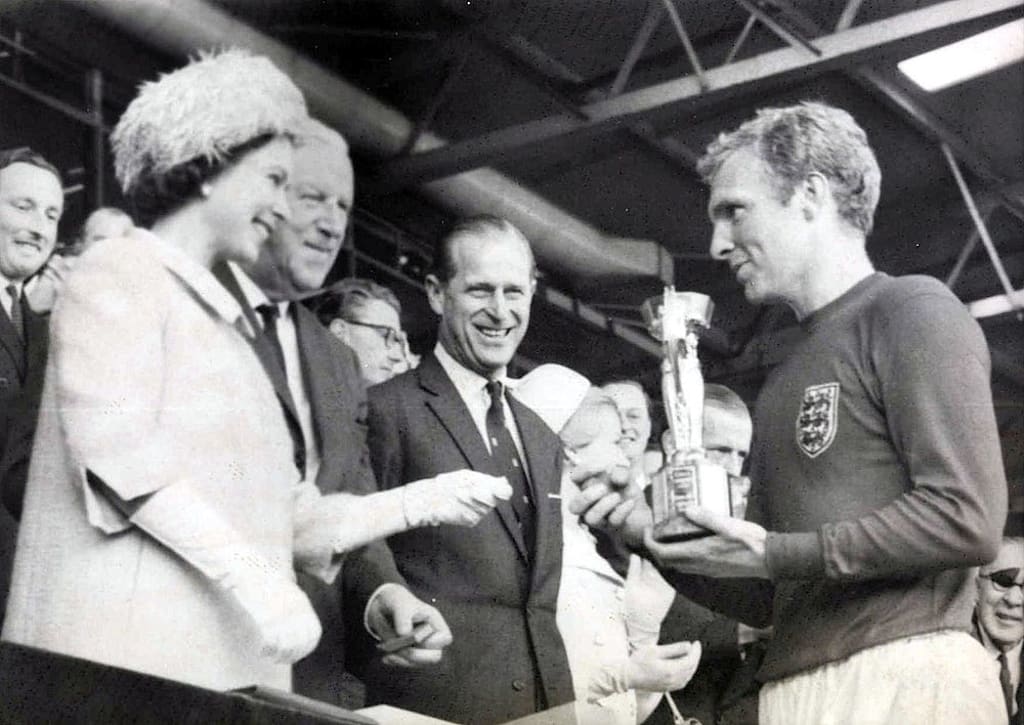
In the 1962 World Cup, England reached the quarter-finals under Walter Winterbottom. It was not a bad World Cup for them and was the furthest England had ever gone in a World Cup tournament at the time. England's soccer team had yet to prove it had the best side in the sport, but in 1963, Sir Alf Ramsey was appointed team manager. During his decade as England manager, England rose to new heights but then entered a gradual decline, which would see them fail to qualify for the World Cup for the first time.
Sir Alf Ramsey was appointed England manager after Walter Winterbottom stepped down. His appointment in 1963 signaled an FA policy change, as Alf Ramsey would pick the players and select the team. Gone was the FA selection committee.
Upon his appointment, Ramsey undoubtedly had a good crop of players to select from. Moore, Charlton, and the prolific striker Jimmy Greaves were all great players. He soon selected his captain, Moore, who would be an influential player for England.
A suitable formation was required for the team. Ramsey made notable changes and introduced a relatively new formation to the England football team. He was not in favor of the 4–2–4 formation or wingers. Instead, Ramsey favored attacking midfield players, who could also drop back and defend. As such, his team became known as the Wingless Wonders for their lack of attacking wingers.
In friendly games played before the World Cup, England played well with this formation. They gained some notable victories, most notably against Spain, where they were able to defeat the European champions. Opposition full-backs were confused by the lack of wingers, expecting them to be coming down the flanks.
Aside from the good results in friendlies, England also had home advantage at the '66 World Cup. When the World Cup came, England kicked off against Uruguay but was held to a 0–0 draw. However, victories in their other group games ensured progress into the knockouts. Victories against Argentina and Portugal in the semi-finals put England in their first World Cup final.
As such, they had already had their best World Cup. In the final, against West Germany, they would play with Hurst. Hurst led the England line after solid displays in previous games. Hurst's goals would win the World Cup for England after he scored a hat-trick in the World Cup final. Although the game went to extra time, England ran out 4–2 winners to Germany. Moore lifted the trophy at Wembley, and England had won the World Cup. England's soccer team had peaked - and it would soon begin a decline.
For the 1970 World Cup, England were the defending champions. The climate was warmer, but the team seemed to be as strong as the '66 side. A 1–0 defeat to Brazil in the group stages did not prevent England from progressing to the knockouts. However, against West Germany, they surrendered their lead, and Germany would knock England out of the World Cup in the quarter-finals.
Signs of an emerging decline began when England failed to qualify for the 1972 European Championship. Ramsey's tactics, so successful in '66, were now questioned.
Qualification for the 1974 World Cup rested on one final game against Poland in 1973. England needed a win against the Poles to qualify. However, with some fine saves from the Polish goalkeeper, they could not secure the win needed to qualify for the 1974 World Cup.
As such, Ramsey not only became the first England manager to win the World Cup but also the first not to qualify for the finals. From his appointment in '63, England had risen to World Cup champions and then declined as a team that could not qualify for the '74 World Cup.
England's decline from the '66 World Cup was due to over-relying on the same tactics in 1966. The England team lacked flexibility in an era of 'Total Football.' Therefore, England continued to struggle and failed to qualify again in 1978.
This article of mine was originally submitted to Medium, where you can read it here.
About the Creator
Matthew A
Matthew is the author of Battles of the Pacific War 1941-1945. Battles of the Pacific War is available on Amazon and Lulu in e-book and paperback formats. Check out the book’s blog at battlesofthepacificwar.blogspot.co.uk.
Enjoyed the story? Support the Creator.
Subscribe for free to receive all their stories in your feed.
Comments
There are no comments for this story
Be the first to respond and start the conversation.