
The Origins of World War II's Pacific War
Remembering the Causes and Reasons for World War II in the Pacific
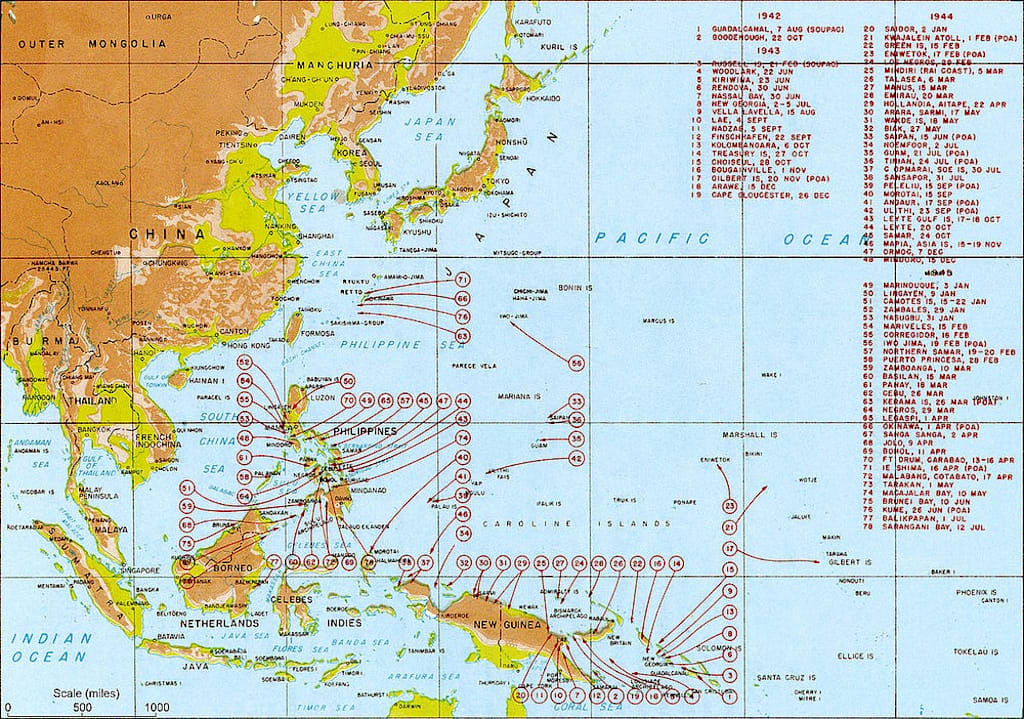
The Pacific War began in 1941 after the Japanese airstrike at Pearl Harbor. The Pacific War lasted a few years and involved millions of soldiers across the Pacific. The war's origins date back at least to the 1930s, when the first conflicts in the Pacific between Japan and China began.
In 1931, Japanese troops advanced into Manchuria. The Chinese had hundreds of thousands of troops, but could not hold Manchuria. Japan occupied Manchuria, and the League of Nations requested that the Japanese soldiers withdraw. Such requests fell on deaf ears, and the Japanese duly withdrew from the League of Nations. Japan would remain in occupation of Manchuria for over a decade, and this occupation ensured that Japan's former alliances with Britain and France would be shattered.
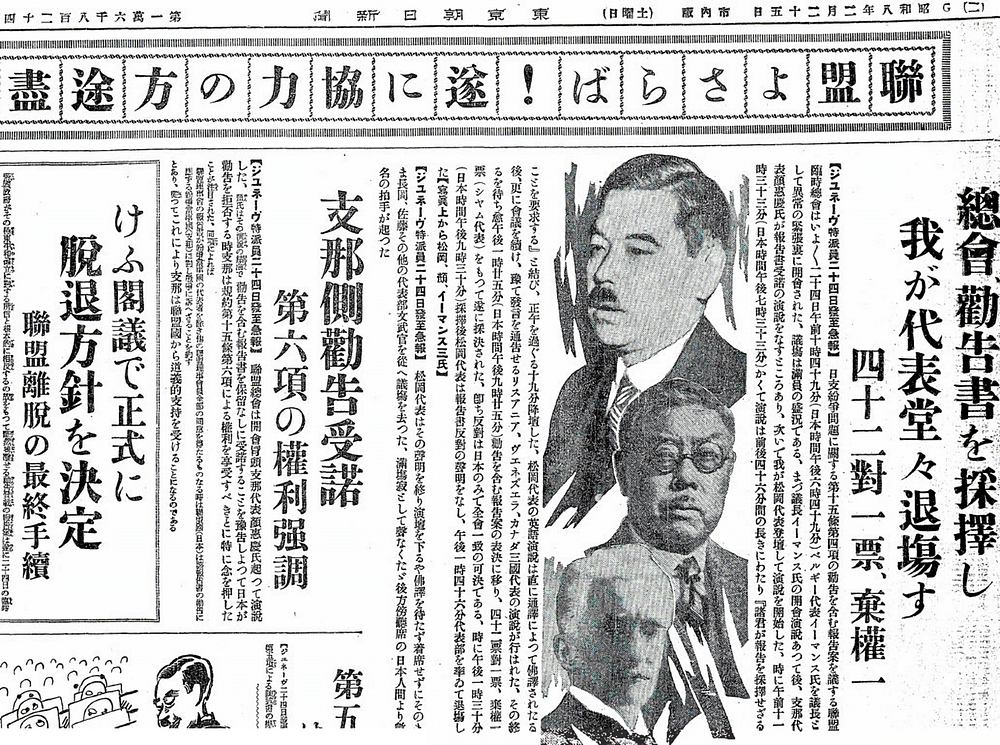
Japanese imperialism in the Pacific was not new, and as Japan was no longer a member of the League of Nations, it launched a renewed military campaigns in the region. War between China and Japan emerged in 1937 as Japanese troops began to advance further into China. This war would continue for several years into the 1940s, and some consider it an early phase of the wider Pacific War that would follow in 1941.
As the Japanese advanced further into China, the West responded with economic sanctions against Japan. This culminated in the United States' economic embargo in 1940. As such, US steel, iron ore, and oil exports were frozen. Although small quantities of oil were still shipped to Japan in the early 1940s, as evidenced by photographs of Japanese oil tankers at US ports in the 1940s. Despite this, the embargo still had a notable economic impact on Japan.
This embargo left Japan with few options in the Pacific beyond war. The alternative would have been the withdrawal of Japanese troops from Manchuria and most of China, which was unlikely after years of war in China. If the embargo had continued, then Japan would not have been able to continue the war with China, as its oil reserves would have run dry.
While open diplomacy with the Americans continued in the early 1940s, it was merely a facade, as both Japan and the Americans considered war in the Pacific likely. It has been suggested by some historians that the Americans required a Japanese strike at US military positions in the Pacific to end American neutrality. The economic embargo was just one factor likely to draw Japan into a war with the United States and the European colonies in the region.
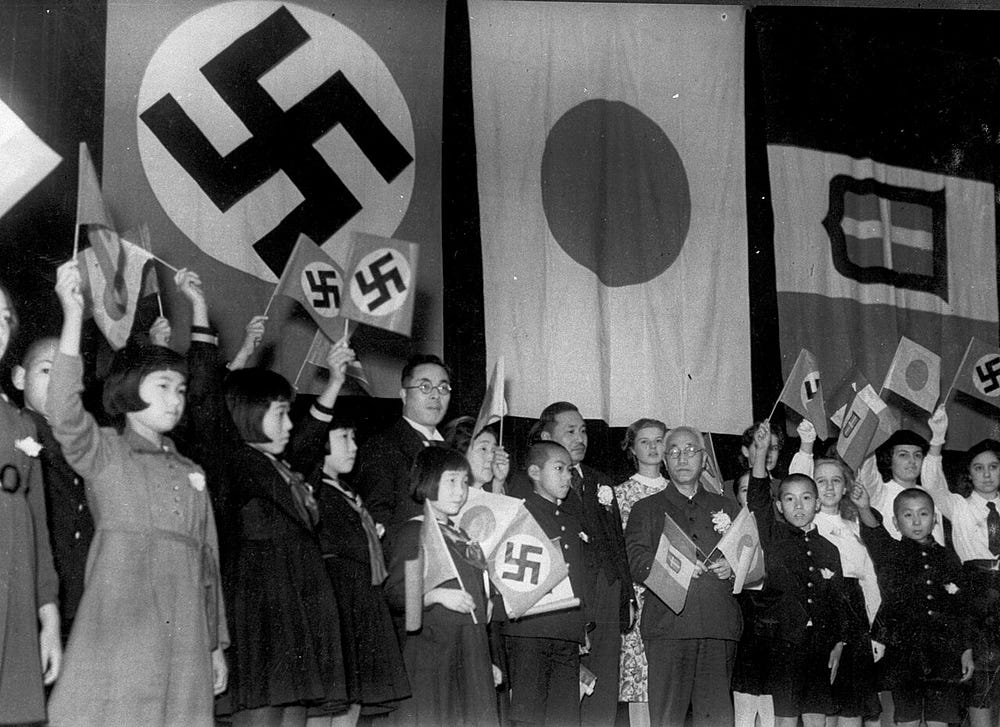
Germany became an ally of Japan. The Tripartite Pact of 1940 was drafted, which ensured that Germany was now firmly behind Japan. With Britain preoccupied on other fronts, Japan's prospects in the Pacific War were further enhanced.
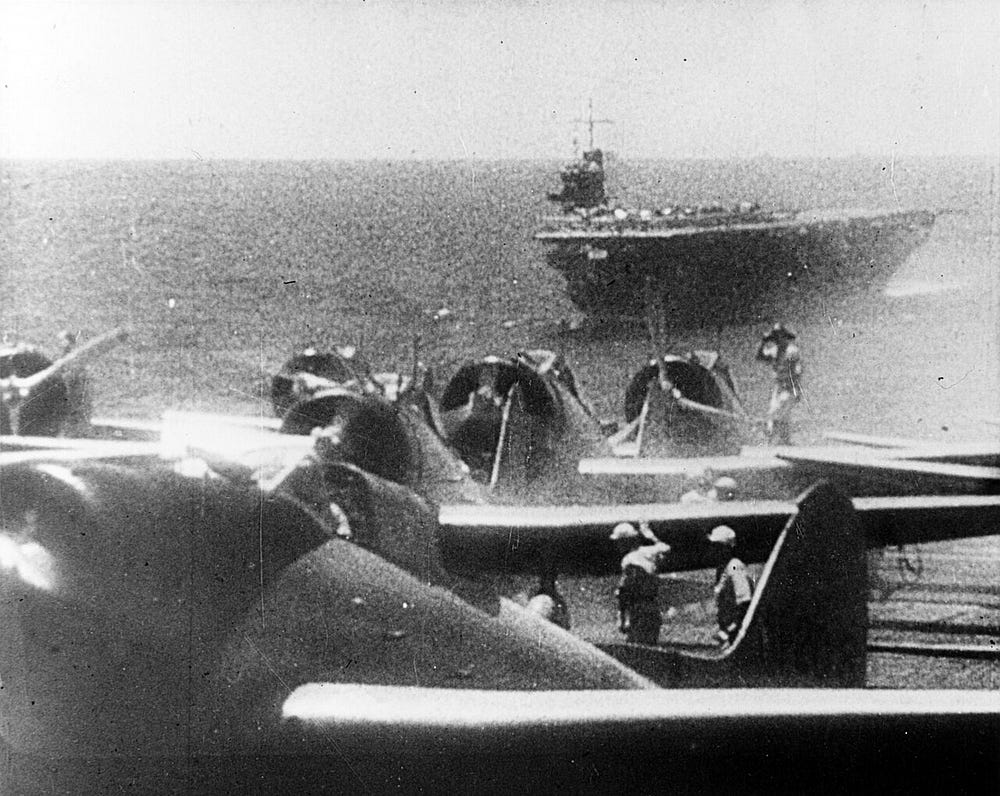
Japan began drafting plans for a potential war in the Pacific. Pearl Harbor became the primary target for a Japanese airstrike, and so plans for an aircraft carrier sortie at Pearl Harbor were drafted. With the final plan in place, the Japanese would begin preparing their carrier fleet for the airstrike.
To this day, historians have debated how much the Allied cryptology network had uncovered about Pearl Harbor. Revisionist historians have openly questioned the findings of previous Pearl Harbor investigations, which have suggested that the Allies had not adequately detected the Japanese Pearl Harbor carrier fleet. Such suggestions claim that naval officers at the Pearl Harbor naval base were not informed of all the cryptographic breakthroughs.
Regardless, the war in the Pacific began in 1941. The occupation of Manchuria, the withdrawal from the League of Nations, the escalating war in China, the Allied economic embargo, and the Tripartite Pact of 1940 were all factors in the Pacific War that followed. The expansion of the Japanese Empire in the Pacific had gone as far as it could without potential US involvement, and despite Japan's victories in 1942, the Japanese Empire would crumble in the following years.
This article of mine was originally submitted to Medium, where you can read it here.
About the Creator
Matthew A
Matthew is the author of Battles of the Pacific War 1941-1945. Battles of the Pacific War is available on Amazon and Lulu in e-book and paperback formats. Check out the book’s blog at battlesofthepacificwar.blogspot.co.uk.
Enjoyed the story? Support the Creator.
Subscribe for free to receive all their stories in your feed.
Comments
There are no comments for this story
Be the first to respond and start the conversation.