
The Naval Tactics of World War I
Remembering the Tactical Naval Warfare of War
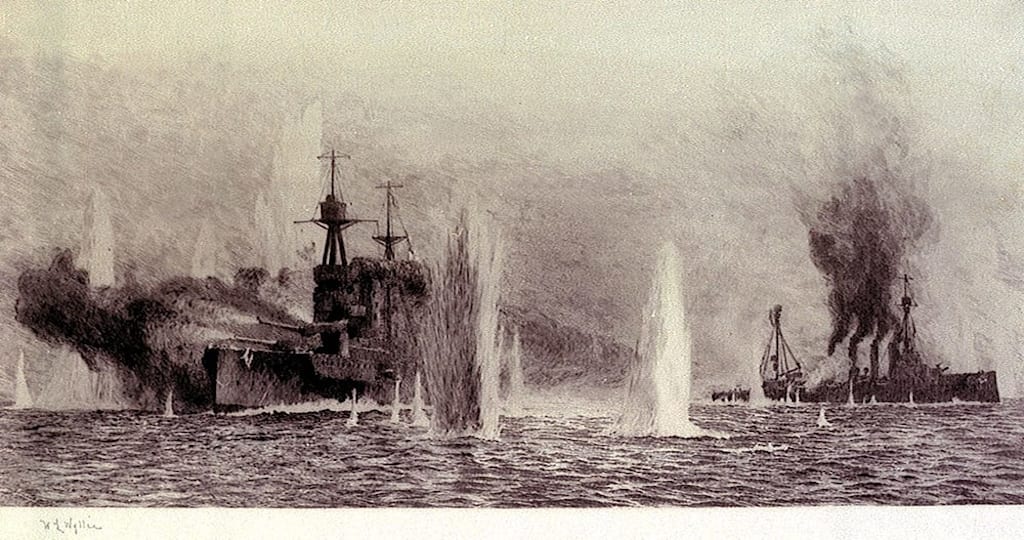
In the First World War, the Royal Navy and Imperial German Navy were the largest navies. During the naval race preceding the war, both navies had expanded their fleets with new dreadnought-class battleships. As such, these warships might have been expected to win the war at sea. However, there were relatively few notable battleship battles.
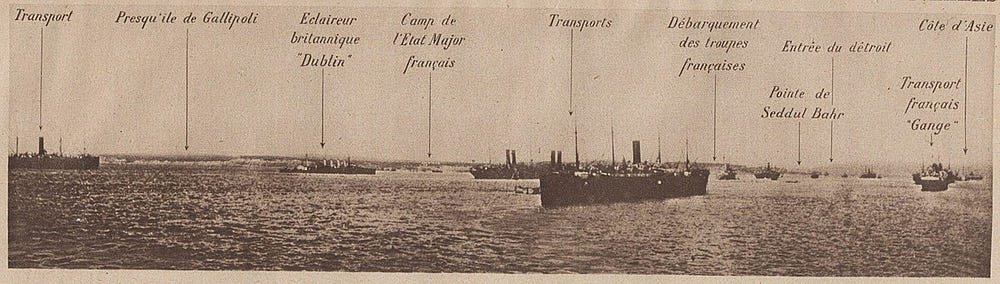
Undoubtedly, battleships were still a key part of naval tactics. For example, during the Gallipoli Campaign in 1915, the operation was supposed to be won with French and British battleship bombardments at Turkish positions along the Dardanelles. However, if anything, this campaign highlighted the shortcomings of such naval tactics as their battleships ran into sea mines, and a number were lost in action. When it became clear that their naval bombardment had been ineffective, the Entente began land operations in Gallipoli with troop landings.
While the battleships were the largest warships, newer developments in naval warfare provided greater scope for naval tactics. Among these were German U-boats, otherwise submarines, which the Germans added to their navy. These underwater vessels had the advantage of being almost entirely invincible, except when they had to resurface. Early submarines could not stay underwater for long; aerial reconnaissance was very limited at the time, so it was not so easy to find U-boats.
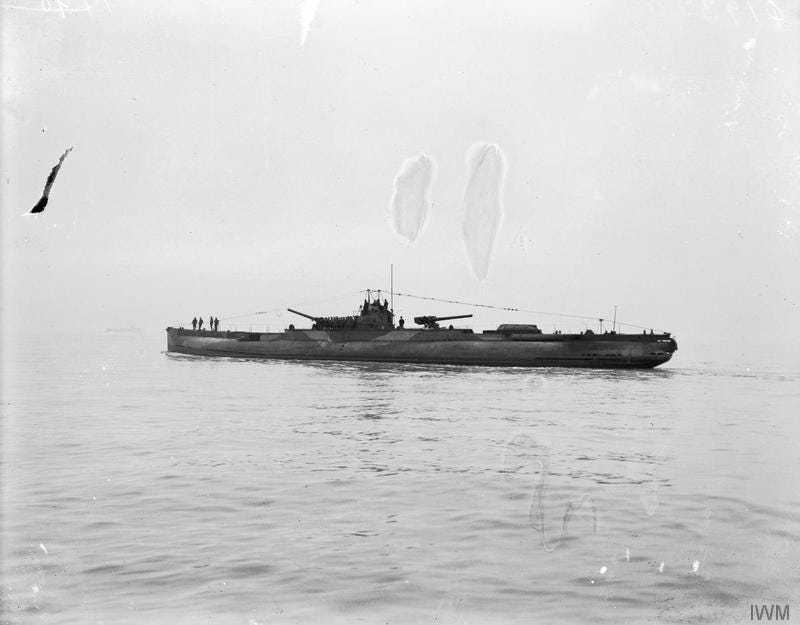
U-boats would become a key part of German naval strategy. As the Royal Navy was bigger than the Imperial German Navy, surface fleet battles against the Royal Navy were not especially welcome by those within the German High Command. Instead, with the U-boat, Germany could target and sink British merchant ships' supplies. U-boat warfare began in the early stages of the war, and U-boats even targeted large ocean liners such as the Lusitania, which carried some armaments and munitions back to Britain along with their passengers.
One notable exception to U-boat tactics was the Battle of Jutland. An economic blockade was also a big part of the Royal Navy's naval tactics, and with its larger surface fleet, it blockaded German supplies. By 1916, this blockade had become more effective, so the Germans were ready to mobilize their surface fleet for battle with Britain's Grand Fleet. The plan to defeat the blockade was to trap and wipe out much of the Grand Fleet with two German warship fleets.
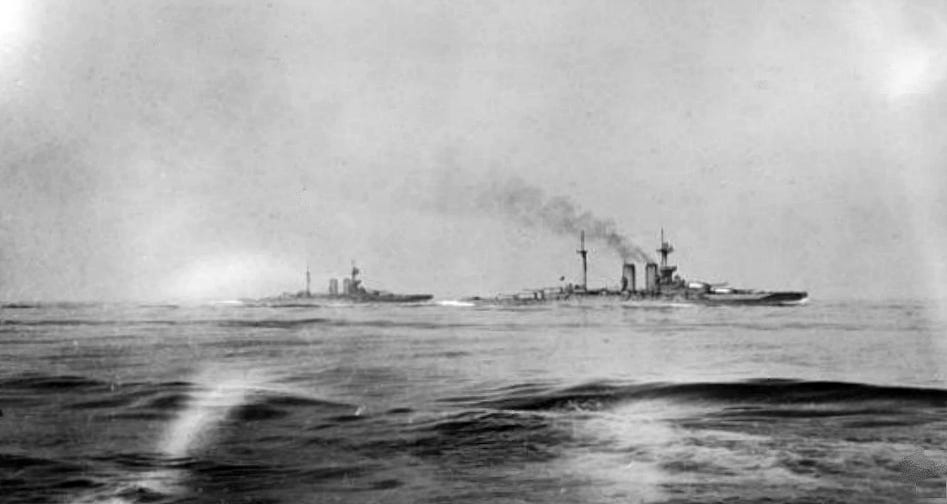
The Grand Fleet met the Imperial German Navy off the coast of Jutland. The Battle of Jutland involved many of the larger dreadnought-class battleships of the two navies, and it was Germany that was more effective. Britain lost a greater tonnage of ships during the battle, but the Germans still withdrew and did not wipe out the Grand Fleet.
As Britain's economic blockade continued after the Battle of Jutland, U-boat tactics may have seemed the only viable naval strategy. A renewed campaign began in 1917, which was expected to defeat Britain by targeting a greater tonnage of merchant ships. The campaign began well, and merchant ship losses increased during the early months.
This might have been a period when Britain came close to losing the war. If the losses were not cut, food shortages in Britain might have become prevalent. Only when the Royal Navy turned to and expanded naval convoy tactics would the shortages begin to decrease. Providing more destroyer and cruiser escorts began to decrease merchant shipping losses during the campaign.
In addition to this, Britain would also begin to target German U-boat bases. By blocking their bases, the British could further reduce the number of German U-boats. The Royal Navy sank obsolete warships in an attempt to block German U-boat bases in Belgium. Among these U-boat raids was the Zeebrugge Raid in 1918.
Overall, economic blockades were the most effective naval tactics of this war. Britain and Germany had different tactics for the blockade, but both were effective. Only surface fleet convoys could reduce Britain's losses in 1917. The battleships had not been so effective in campaigns like Gallipoli, and neither side could win a decisive victory at the Battle of Jutland with their battleship fleets. They would become more obsolete during the interwar period becaue the leading navies constructed submarines and aircraft carriers in increasing numbers by the leading navies.
This article of mine was originally submitted to Medium, where you can read it here.
About the Creator
Matthew A
Matthew is the author of Battles of the Pacific War 1941-1945. Battles of the Pacific War is available on Amazon and Lulu in e-book and paperback formats. Check out the book’s blog at battlesofthepacificwar.blogspot.co.uk.
Enjoyed the story? Support the Creator.
Subscribe for free to receive all their stories in your feed.
Comments
There are no comments for this story
Be the first to respond and start the conversation.