
The Light of Mercy
A short story about the life of Prophet Muhammad

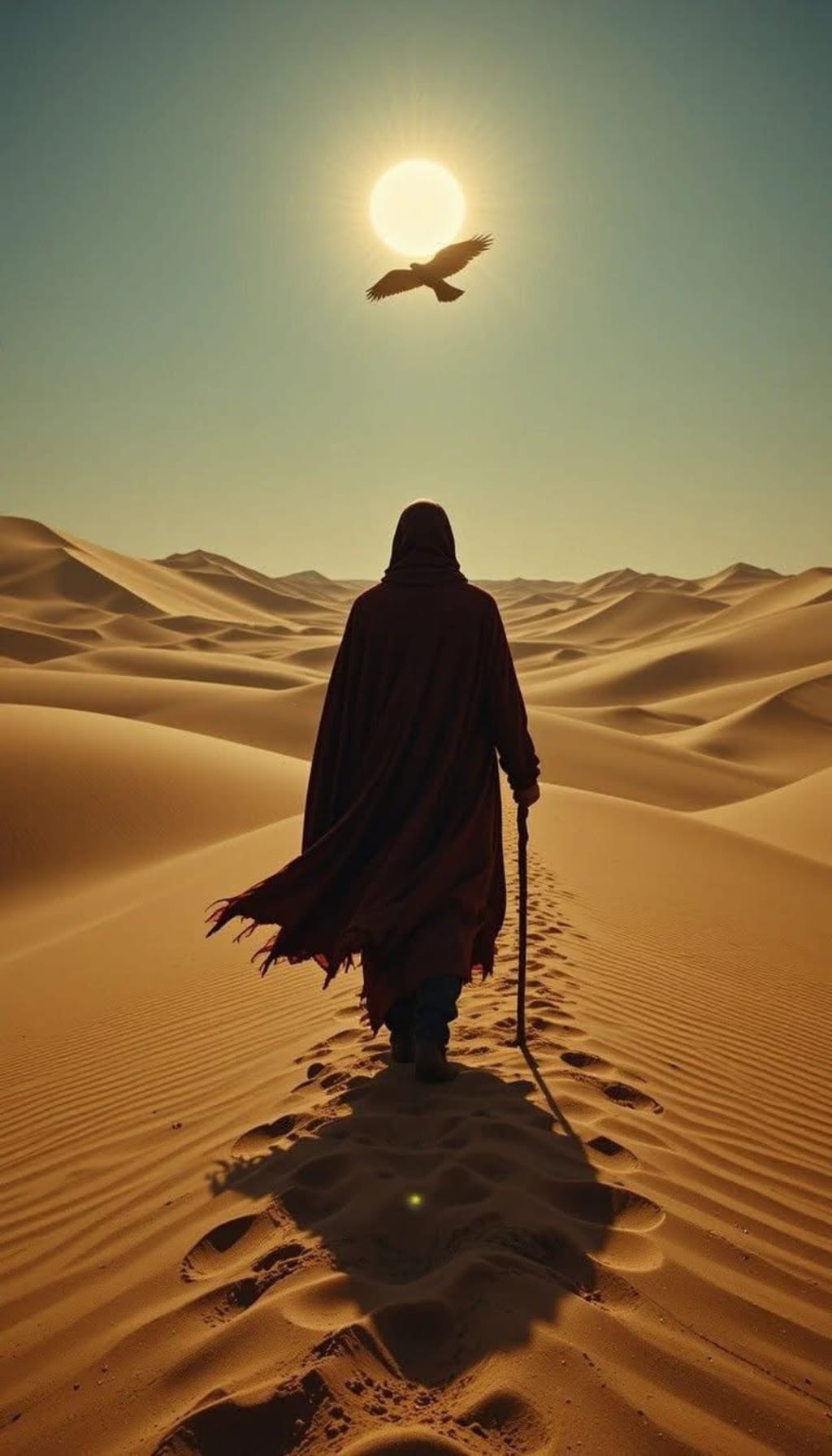
Prophet Muhammad (Peace Be Upon Him) is one of the most influential figures in human history. Born in 570 CE in the city of Mecca, located in the Arabian Peninsula, he emerged as a beacon of light in a world that was often darkened by injustice, idolatry, and conflict. His life and teachings have shaped the lives of billions of people and continue to inspire hearts with messages of peace, compassion, and wisdom.
Muhammad’s early life was marked by hardship and resilience. His father, Abdullah, passed away before he was born, and his mother, Amina, died when he was still a young child. Orphaned at an early age, Muhammad was cared for by his grandfather, Abdul-Muttalib, and later by his uncle, Abu Talib. Despite these difficulties, Muhammad grew up to be known for his honesty, kindness, and trustworthy nature. People around him called him "Al-Amin," meaning "the trustworthy," because of his truthful and honorable character.
As a young man, Muhammad worked as a merchant and gained a reputation for fairness in trade. It was during this time that he met Khadijah, a wealthy widow who admired his integrity and character. She proposed marriage, and their union became one of deep love and support. Khadijah played a vital role in Muhammad’s life, providing him with emotional strength and encouragement, especially when he later received the call to prophethood.
At the age of forty, Muhammad retreated to the cave of Hira, seeking solitude and reflection. It was there that he received his first revelation from Allah through the Angel Gabriel. This moment marked the beginning of his mission as a prophet and messenger of God. The message was clear: there is only one God, and humanity must worship Him alone with sincerity and justice.
At first, the message of Islam was met with skepticism and hostility from many of the powerful leaders in Mecca. They feared losing their influence and wealth, as their polytheistic beliefs and social order were challenged by Muhammad’s call for monotheism and equality. Despite the opposition, Muhammad remained steadfast and continued to preach the values of justice, mercy, and compassion.
His early followers were few, but they were dedicated. They faced persecution, boycott, and social isolation. Many Muslims suffered greatly for their faith. Yet, the spirit of patience and perseverance remained strong within the community. Muhammad’s leadership during these difficult times was a testament to his strength and faith in Allah.
One of the greatest examples of Muhammad’s character was his compassion even towards his enemies. He forgave those who wronged him and taught his followers to respond to evil with good. His message extended beyond religious beliefs to include respect for all human beings, regardless of race, class, or gender.
As the number of Muslims grew, the situation in Mecca became increasingly tense. Eventually, Muhammad and his followers migrated to the city of Medina, an event known as the Hijra. This migration was a turning point not only for the Islamic community but for world history. In Medina, Muhammad established a society based on Islamic principles of justice, brotherhood, and mutual respect.
In Medina, Muhammad served as both a spiritual leader and a political head. He created a constitution that governed the relations between Muslims, Jews, and other communities, ensuring peace and cooperation. Under his guidance, Medina became a model city of fairness and religious tolerance.
The conflicts between the Muslims and their enemies continued, with several battles fought to defend the new community. Despite the struggles, Muhammad maintained his commitment to mercy and ethical conduct. Even in warfare, he prohibited harm to innocent people, destruction of property, and cruelty to prisoners.
Over time, Islam spread across the Arabian Peninsula. The conquest of Mecca was a defining moment, where Muhammad entered the city with humility and forgiveness rather than vengeance. He cleansed the Kaaba, the sacred house of worship, from idols and restored it as a place dedicated solely to the worship of one God.
Prophet Muhammad’s life was also filled with deep spirituality and devotion. He prayed regularly, often spending long nights in worship. His connection to Allah was profound, and he encouraged his followers to seek closeness to God through prayer, charity, and good deeds.
In addition to his spiritual role, Muhammad was a devoted family man. He cared deeply for his wives, children, and companions. His teachings emphasized kindness within the family and the importance of treating women with respect and dignity.
Throughout his mission, Muhammad faced numerous challenges and trials, yet his faith never wavered. He remained patient, humble, and loving. His legacy is one of hope and guidance, teaching that true success lies in faith, good character, and service to humanity.
After approximately 23 years of prophethood, Muhammad passed away at the age of 63. His death marked the end of a remarkable life dedicated to the service of God and humanity. However, his message lived on, carried by his companions and spread across continents.
Today, Muslims around the world honor the life and teachings of Prophet Muhammad. His example serves as a guide for justice, compassion, and devotion. Through his life, we learn that even in the face of hardship, kindness and faith can transform the world.
The story of Prophet Muhammad is not just history; it is a living inspiration. His words and actions encourage us to be better human beings, to seek peace, and to uphold the values of mercy and justice. His life teaches us that no matter how difficult the path, with faith and perseverance, we can overcome challenges and build a better world.
About the Creator
Zaki Salimankhil
Storyteller, dreamer, and lifelong learner writing to inspire and make a difference.🖤
Enjoyed the story? Support the Creator.
Subscribe for free to receive all their stories in your feed.
Comments
There are no comments for this story
Be the first to respond and start the conversation.