
The Incredible True Story of Louis Zamperini’s Survival Through War, Death, and Defeat
A Hero’s Journey Through the Abyss of War, Torture, and Unyielding Hope

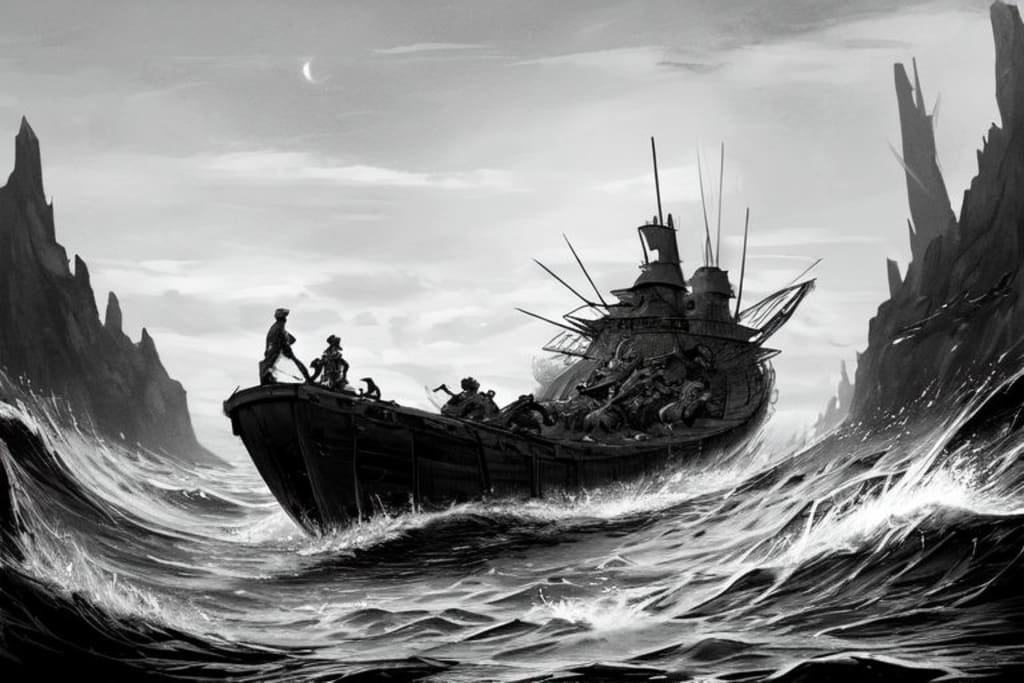
Louis Zamperini was born in 1917 in Olean, New York, a place far removed from the grandeur of Olympic stadiums or the horrors of battlefields. Yet from an early age, Louis displayed an undeniable force of will. He was a rebellious boy, a troublemaker in school, always running just a little faster, swimming a little longer, and fighting through every challenge with fiery determination. His childhood was marked by the rough-and-tumble streets, but it was this same unyielding spirit that would carry him through some of the most unimaginable trials humanity could offer.
In the 1930s, Louis’s life took a pivotal turn when he discovered track and field. He wasn’t just fast—he was a natural, breaking records in his high school and college days. His raw talent propelled him all the way to the 1936 Olympics in Berlin, where he represented the United States in the 5000 meters. The event was overshadowed by the shadow of Nazi Germany and Hitler’s eyes on the athletes, but Louis’s tenacity shone through despite the tense political climate. Though he didn’t win a medal, his time in the Olympics cemented his place as a national athlete, and he was recognized as one of the best long-distance runners in the world.
War Beckons
By the time the world was thrown into the flames of World War II, Louis was no longer just an athlete; he was a young man ready for action. The attack on Pearl Harbor in 1941 ignited a sense of duty in him, and by 1942, he enlisted in the U.S. Army Air Corps. Louis was determined to do his part, leaving behind his promising career in athletics for the uncertainty of war.
He soon became a bombardier on a B-24 bomber, flying dangerous missions over the Pacific. His days in the air were fraught with peril, as his squadron was tasked with bombing strategic targets, and the skies were often filled with enemy fire. Despite the intense pressure, Louis remained a steady hand, focused and calculating. Yet even the most skilled pilots couldn’t evade the inevitable strikes of war.
In 1943, disaster struck. During a mission, Louis’s plane, the Green Hornet, was severely damaged by enemy fire, and the crew barely managed to return to base. After this close call, it was clear to Louis that fate was testing him. But he did what he always did—he carried on.
The Crash
In May of 1943, Louis and his crew were assigned to a new plane, the Super Man, for a search-and-rescue mission. Unfortunately, disaster was once again waiting for them. During the mission, the plane suffered mechanical failure. The crew was forced to abandon the mission and make an emergency crash landing in the Pacific Ocean. Louis and two other survivors—Russell Phillips, the pilot, and Francis McNamara, the tail gunner—found themselves stranded in the vast, unforgiving ocean with only a life raft, minimal supplies, and no means of communication.
For days, the trio floated aimlessly in the shark-infested waters. The heat was oppressive during the day, and the nights were cold and unforgiving. They had no fresh water and barely any food. To survive, they had to rely on what little they had: rainwater, fish, and whatever they could catch. The sharks circled beneath them, a constant reminder of the danger that lurked just below the surface. At times, the men fought off their own despair, wondering if rescue would ever come.
Louis, who had been trained to push through physical and mental exhaustion, became the unspoken leader of the group. It was his unbreakable will, his athlete’s mentality, that kept him going when the others were ready to give up. He kept his mind sharp by focusing on the task at hand: surviving. He would remind his fellow survivors of the importance of staying hopeful, even when hope seemed distant.
The Fight for Survival
The men were forced to endure unimaginable hardships. The days became a blur of dehydration, sunburn, and starvation. The ocean was both their prison and their battleground. Yet even in the midst of it all, Louis found ways to keep his spirits high. He would tell stories of his Olympic days, recounting the races he’d run and the cheers of the crowds. These memories, though distant, were like a lifeline for him, reminding him of a time when life had meaning beyond mere survival.
After more than a month of drifting at sea, the trio had no choice but to face the brutal truth: their hope of being rescued was fading. Their chances of survival were slim, and they had all but run out of supplies. But just when it seemed like all was lost, a glimmer of hope arrived. A Japanese warship appeared on the horizon, and before they could react, they were captured.
The Japanese Prison Camps
Louis and his comrades were taken as prisoners of war by the Japanese, and they were transported to a series of brutal prison camps in Japan. The conditions in the camps were horrific—men were beaten, starved, and subjected to unspeakable cruelty. The Japanese soldiers, especially a sadistic officer named Matsuhiro Watanabe, took pleasure in torturing the prisoners. Louis was no exception. For over two years, he endured physical and mental abuse that would have broken most men.
Watanabe, who became obsessed with breaking Louis’s spirit, did everything in his power to degrade him. He was forced to do grueling labor, live in unsanitary conditions, and endure constant humiliation. But Louis was not a man who could be broken. Though the years of torment took a toll on his body, his spirit remained unyielding.
Throughout his time in the camps, Louis clung to the memory of his family, his Olympic days, and his dream of one day returning home. He found solace in the thought that if he could survive this, he could survive anything. His faith in his ability to endure gave him the strength to keep going, even when the world around him seemed to crumble.
Redemption and Return
Finally, after nearly two and a half years, the war ended with the surrender of Japan in 1945. Louis was freed, but he returned home a changed man. The physical scars of his imprisonment were evident, but it was the psychological scars that would prove more difficult to heal. Louis struggled with anger, guilt, and post-traumatic stress disorder. He was haunted by the memories of the war and the cruelty he had suffered at the hands of his captors.
It wasn’t until Louis found faith that he was able to find peace. In 1949, he attended a Billy Graham crusade in Los Angeles. It was there that he found the strength to forgive his captors, including the officer who had tormented him for years. This act of forgiveness was his ultimate redemption, a final victory over the darkness that had tried to consume him.
Louis’s story didn’t end with forgiveness, however. He went on to lead a full life, becoming an advocate for veterans, a speaker, and a symbol of the strength of the human spirit. He returned to the Olympics in 1964, not as an athlete, but as a man who had endured the unimaginable and had emerged from it unbroken.
A Legacy of Resilience
Louis Zamperini’s story is not just one of survival, but of profound resilience and redemption. His journey through the darkest hours of war, his fight against the odds in the open ocean, and his ability to forgive those who had wronged him are lessons for us all. His life is a testament to the power of the human spirit, the importance of hope, and the unbreakable nature of resilience.
In the end, Louis Zamperini’s survival wasn’t just about staying alive—it was about finding a deeper sense of meaning in life, even in the face of death. He showed the world that no matter how deep the defeat, the human will can always rise again.
About the Creator
Qazi Zaid
Short & Engaging
Creative & Snappy
Crafting tales that take you places. Ready for your next adventure? 📚✨
Simple & Intriguing
Writer. Dreamer. Explorer of stories. Let’s get lost in a good tale
Enjoyed the story? Support the Creator.
Subscribe for free to receive all their stories in your feed.
Comments
There are no comments for this story
Be the first to respond and start the conversation.