
The History of the Royal Italian Navy in the 20th Century
Remembering the Triumphs and Defeats of the Royal Italian Navy
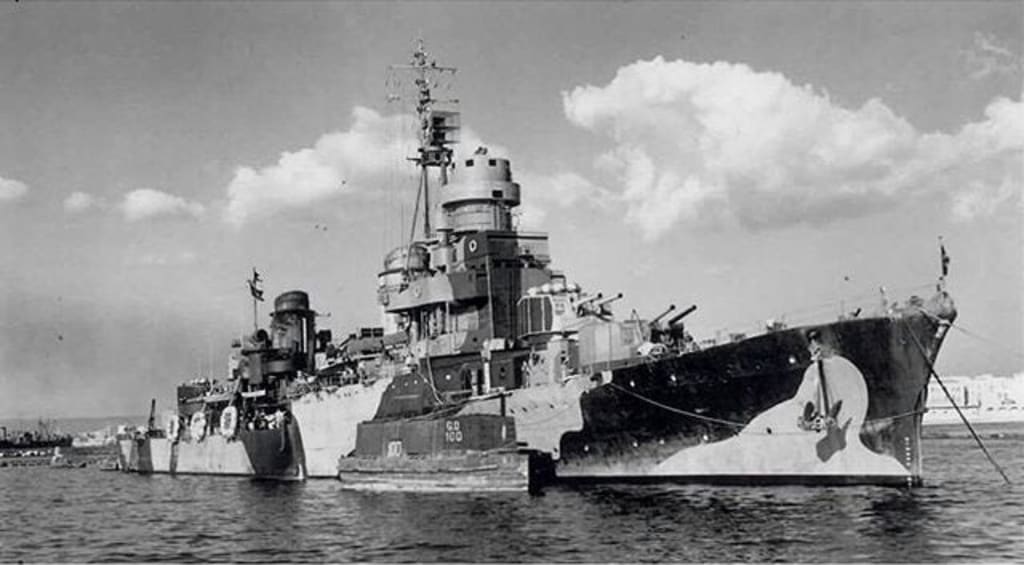
The Italian Royal Navy was one of the larger navies in Europe in the early 20th century. This was the navy of the Italian Empire, needed in both World Wars. It provided notable naval support for Italy's allies in the Mediterranean, and its fleets also fought wars against Ottoman Turkey and Albania.
In the early 20th century, the dreadnought battleship began a new naval race in Europe. The Royal Navy and Imperial German Navy were expanding their fleets with dreadnoughts, and the Royal Italian Navy also added new dreadnoughts with the Cavour Class of battleships. By 1914, they maintained approximately six dreadnought-class battleships.
The Italian Empire, initially aligned with Germany, joined the Triple Entente in 1915. However, their battleships were largely left out of the naval skirmishes that followed from 1915 to 1918. Generally, the Royal Italian Navy was limited to blockading the German and Austro-Hungarian naval fleets in the Adriatic. Shortly before the November 11th armistice, Italian manned torpedo boats decimated two Austrian battleships with naval mines planted with the battleships in port. This was an entirely new tactic that was effective.
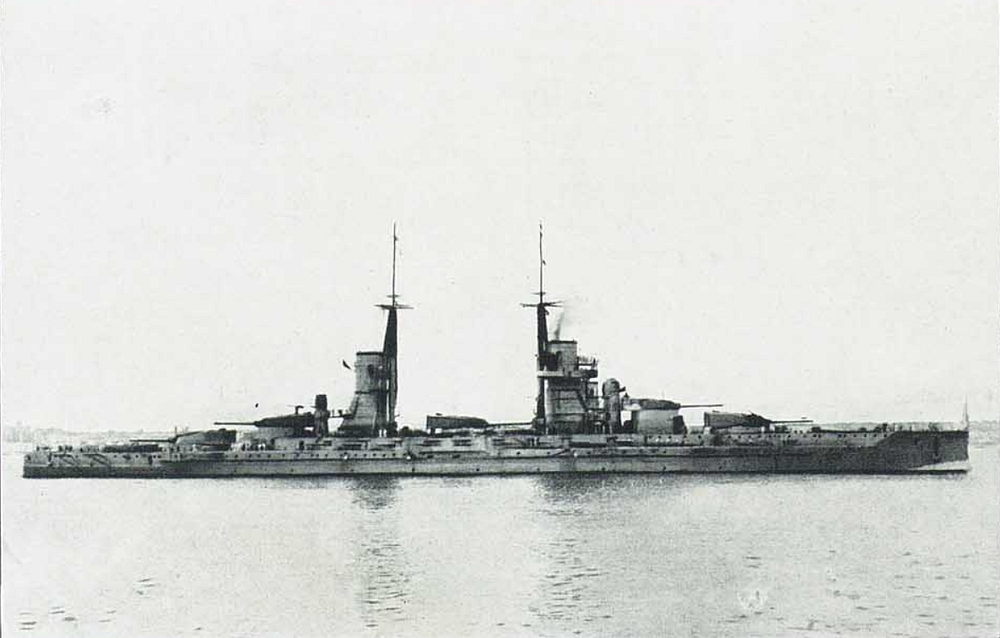
During the interwar period, the Royal Italian Navy expanded with more battleships. The Littorio-class of battleships was added from 1937 to 1940. As such, the Royal Italian Navy was among the largest navies in the world during the 1930s.
In the Mediterranean and Adriatic, the Royal Italian Navy provided naval support in the Spanish Civil War and for Italian troop landings in Albania in 1939. Italian submarines were required for operations against the Republican navy, whilst all Italian ground troops had to be transported to Albania via the Adriatic Sea. In both campaigns, the Italians were victorious.
In 1940, the Italian army advanced in Egypt. Thus, it was the beginning of a new war with the European empires, France and Britain. The Royal Italian Navy had to preserve a clear supply line in the Mediterranean for troops in North Africa. The Royal Navy had its fleets in the Mediterranean, as well as bases at Crete and Malta, from which its aircraft could bombard Italian supply convoys.
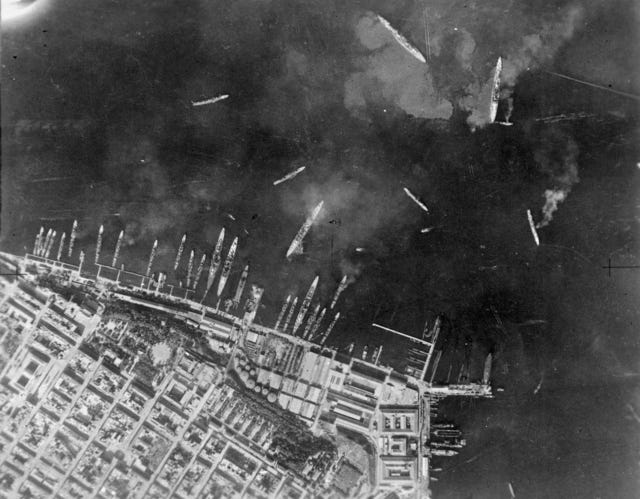
Whilst the Italians had the larger Mediterranean naval presence, aircraft carriers provided the Royal Navy with a notable advantage in the Mediterranean. This became more evident at the Italian naval base of Taranto in November 1940. Here, British torpedo bombers blitzed the Italian ships stationed in the shallow-water port. Most notably, the raid ravaged three Italian battleships.
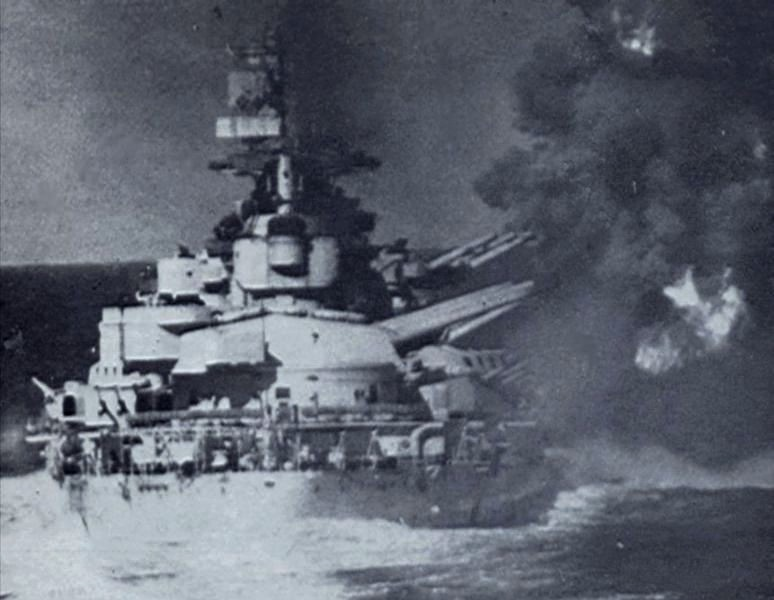
In 1941, the Italians sent a fleet to intercept Allied convoys in the Mediterranean, but the Royal Navy detected that fleet off Cape Matapan. At the Battle of Cape Matapan, the Royal Italian Navy took a pounding, losing three cruisers and a couple of destroyers. It was a heavy defeat for the Italians in the Battle of the Mediterranean.
Their most notable victories in the Mediterranean were not won by surface fleet ships but by Italian manned torpedo submarines. In much the same way as in 1918, manned torpedoes were sent to wipe out battleships in the harbor. This time, it was at the Alexandria harbor where two Royal Navy battleships were decimated by limpet mines planted below the water.
Such victories may have briefly swung the Battle of the Mediterranean, with an Italian victory seemingly more likely for periods in 1942. However, Italian fuel shortages ensured that some of their primary naval units had to be sidelined in the final year of Italy's alliance with the Germans. During that period, the Allies defeated their ground troops in North Africa and sent hundreds of thousands of soldiers to capture Sicily (Operation Husky). The king sacked Mussolini, and the Italians made peace with the Allies in 1943.
The defeat of Italy in this war ensured the dissolution of the Italian Empire and monarchy. Thus, the Royal Italian Navy became the Italian Navy. The Royal Italian Navy was defeated, and in the postwar period, the new navy would gradually rebuild its fleet.
I previously submitted this article of mine to Medium.com, where you can read it here.
About the Creator
Matthew A
Matthew is the author of Battles of the Pacific War 1941-1945. Battles of the Pacific War is available on Amazon and Lulu in e-book and paperback formats. Check out the book’s blog at battlesofthepacificwar.blogspot.co.uk.
Enjoyed the story? Support the Creator.
Subscribe for free to receive all their stories in your feed.
Comments
There are no comments for this story
Be the first to respond and start the conversation.