
The Golden Age of Ocean Liners 1900–1914
Remembering Golden Age for Ocean Liners
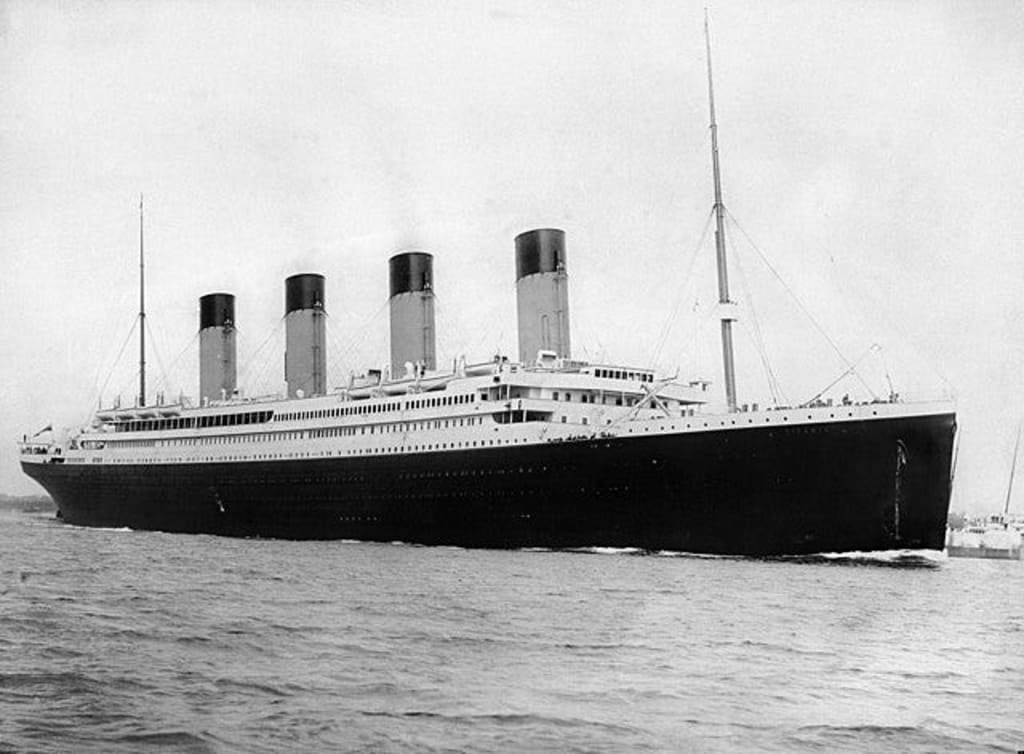
The golden age of ocean liners was the 1900–1914 period. There was a considerable increase in emigration to the United States as Europe gradually descended into war. In a time when there were no passenger aircraft, demand for an ever-increasing number of larger, faster, and more refined ocean liners increased. As such, the shipping industry boomed during the period.
In 1900, the British shipping industry was still the largest. The two biggest names in the industry were Britain's White Star Line and Cunard, which constructed a variety of ocean liners in the 19th century. During the golden age of ocean liners, they built larger, faster, and grander ships than ever before to remain at the forefront of transatlantic travel.
White Star began the trend of ever-increasing ocean liner size with the construction of the RMS Celtic. The RMS Celtic, which first sailed in 1901, was the first of a quartet of White Star ocean liners that would eclipse 20,000 gross tons. Before then, the ocean liners were constructed with more emphasis on speed than scale. It was followed by three similar ocean liners that collectively became White Star's Big Four, which could transport 2,800–2,900 passengers.
White Star's ocean liners were not the pacesetters during the period. It was their German competitors that had snatched the Blue Riband away from Britain. Norddeutscher Lloyd's Kaiser-class ocean liners were among the most famous German ships on the high seas.
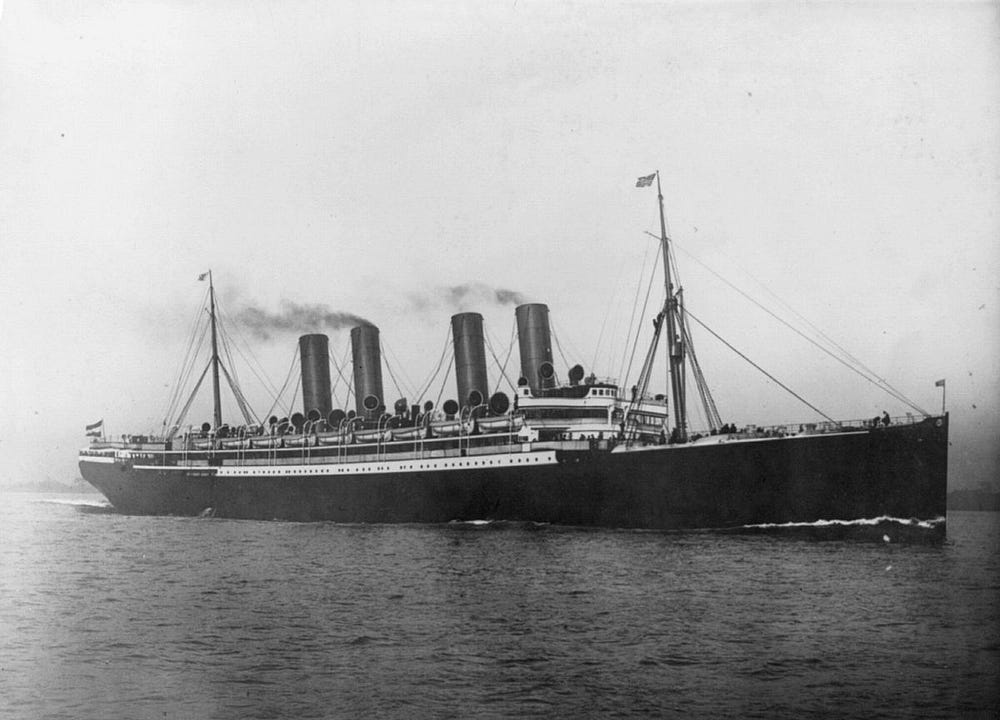
The Kaiser Der Grosse was the first of these that sailed during the period, and among the others were the SS Kronprinz Wilhelm and the SS Kaiser Wilhelm II. All of those ocean liners set Blue Riband records. They were also renowned for their extravagant interior décors and set a trend for four-funnel ship designs, which White Star would adopt for their ocean liners.
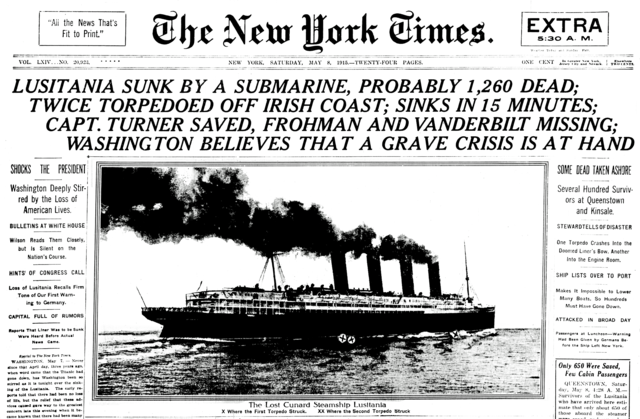
White Star ocean liners never had the engines to return the Blue Riband to Britain, but Cunard's were an entirely different breed. To restore Britain and Cunard to the forefront of the shipping industry, they began the construction of two revolutionary superliners that would be the Mauritania and the Lusitania. During construction, the Mauritania and Lusitania were the first fitted with new Parsons steam turbines.
When the Lusitania first sailed in 1907, it was clear that it would reclaim the Blue Riband. It did so soon after its maiden voyage. Both eastbound and westbound transatlantic crossing records were set by the ocean liner. But the eastbound record was held only briefly before the Mauritania sailed and broke it. It also beat the Lusitania's westbound record in 1909 and held both until the decade of the 1920s.
These Cunard ships were undoubtedly two of the great ocean liners of the golden age. Not only were they Blue Riband holders, but when they first sailed, they were also the largest to have been constructed, with the Mauritania eclipsing 31,000 tons. White Star's 'Big Four' were no longer a match for Cunard's new class of ships.
Whilst they could not match Cunard's engines, White Star ocean liners were set for a considerable expansion with the Olympic-class ships. White Star embarked on the construction of a triumvirate of ocean liners that would be the largest, grandest, and most famous of their period.
The first of these, the RMS Olympic, was completed by 1910. This had a tonnage that amounted to 45,324 tons, so it was the largest ocean liner to have been built then. It laid the template for its predecessors with a lavish Grand Staircase, four funnels, a swimming pool, and an à la carte restaurant.
The Olympic made its maiden voyage in 1911 but was soon overshadowed by the Titanic. The Titanic was completed in 1912 and had an almost identical design to its sister ship. It was fractionally larger, with a GRT of approximately 46,328. The interior décor of this ship mixed Renaissance with Victorian architecture.
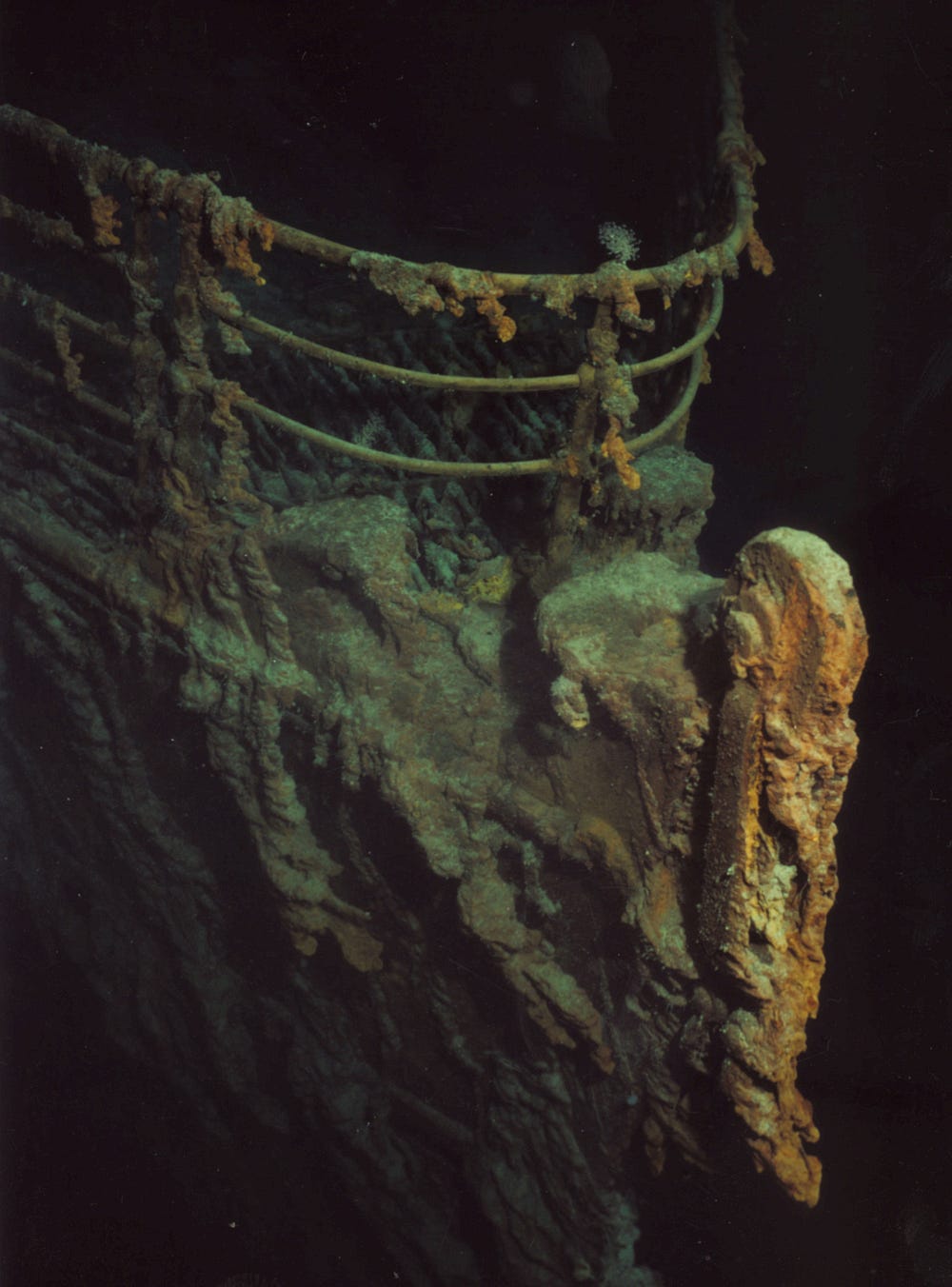
In spring 1912, it began its maiden voyage to Southampton. The ship sailed into icy Atlantic waters with over 2,000 passengers aboard. When it struck an iceberg, five of its watertight compartments were penetrated. The flooding of the fifth ensured the ship's demise, as it could not remain afloat with more than four losses.
As such, it became one of the most famous ships constructed for the wrong reasons, as it slipped beneath the sea in a couple of hours. With fewer than half the number of boats aboard its decks, only a minority aboard could be rescued by ocean liners, which were hours away.
The loss of the Titanic ensured a construction delay for the third Olympic-class ocean liner. The Britannic was almost complete just before the outbreak of the First World War and was the largest of the three Olympic-class ships. That war also ensured that there were no transatlantic voyages for the Britannic, as it was requisitioned by the military and made regular trips to the Mediterranean until 1916. Then, it was lost at sea when it struck a mine off the coast of Kea.
The war effectively ended the golden age of ocean liners in 1914. The Britannic was one of the famous ocean liners lost at sea during the war. The Lusitania continued its regular transatlantic crossings but was torpedoed out of the water by a German U–boat in 1915. Famous German ocean liners, such as the Kaiser Der Grosse, were converted to cruisers, and that ocean liner was scuttled during battle in 1914. The United States seized other Kaiser-class ships during the war that were not restored to ocean liners.
In the postwar period, great ocean liners, such as the Olympic, returned to regular crossings. But even during the 1920s, air travel became an alternative to giant passenger airships. Passenger aircraft steadily expanded in size and gradually eclipsed ocean liners for overseas travel.
This article of mine was originally submitted to Medium, where you can read it here.
About the Creator
Matthew A
Matthew is the author of Battles of the Pacific War 1941-1945. Battles of the Pacific War is available on Amazon and Lulu in e-book and paperback formats. Check out the book’s blog at battlesofthepacificwar.blogspot.co.uk.
Enjoyed the story? Support the Creator.
Subscribe for free to receive all their stories in your feed.
Comments
There are no comments for this story
Be the first to respond and start the conversation.