
The Fall of the Wilhelm Monarchy in Germany
How the Wilhelm Dynasty Crumbled
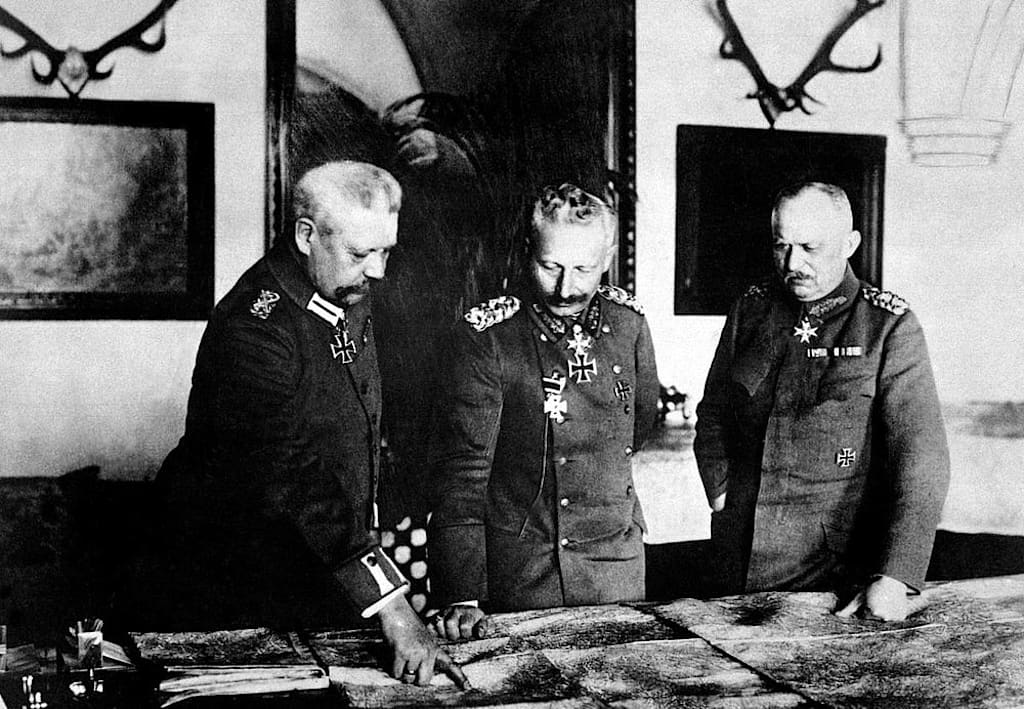
Wilhelm II was the last monarch of the German monarchy. The successor to Wilhelm I assumed the crown in the late 19th century, when Germany was flourishing economically. The beginning of the German Empire played a key role in Wilhelm's foreign policy. However, by 1918, the German monarchy would be shattered.
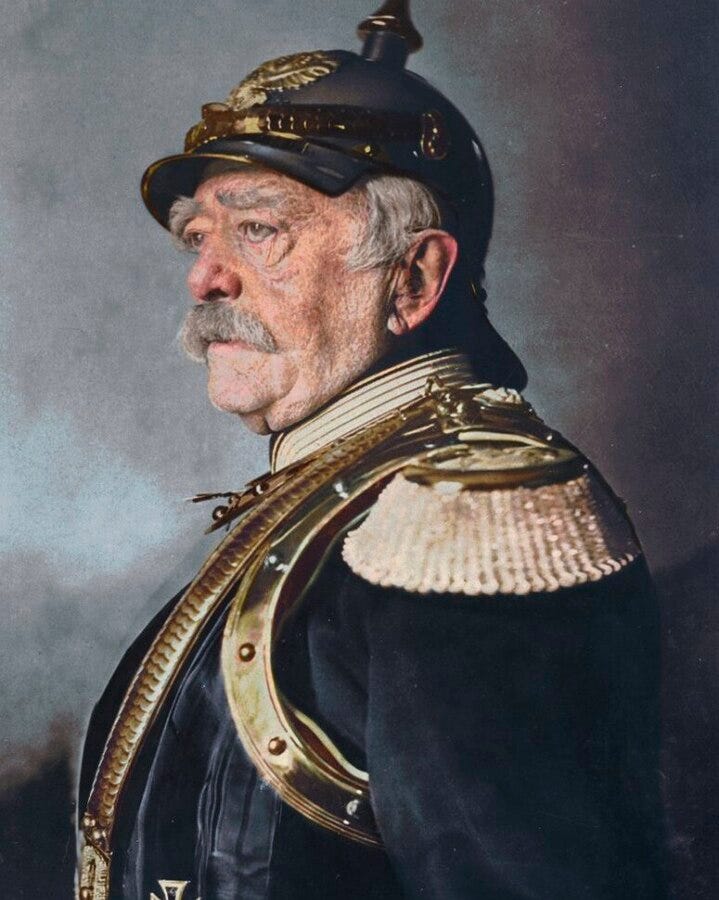
Upon assuming the throne, one of the most significant developments was the split with Bismarck. Bismarck had been the German chancellor for almost two decades. At this time, he pursued a foreign policy that saw Germany form alliances with Austria-Hungary and, to a lesser extent, Italy, with the Triple Alliance in 1882. Russian neutrality with the Reinsurance Treaty remained.
However, it became clear that Wilhelm II wished to have a bigger impact on German foreign policy. As such, Bismarck resigned from his post. This would mark the beginning of new German foreign policies actively pursued and promoted by the new monarch, Wilhelm II. The Reinsurance Treaty was soon discontinued.
Overall, there were few complaints regarding the German monarchy. The right wing remained prevalent in German politics. Germany had emerged as one of the leading industrial nations alongside Britain.
However, popular support for the SPD and other left-wing groups became a feature in German politics. The SPD was banned until 1890, but still gained support. The party resumed in the Reichstag in the 1890s and was an active promoter of a more democratic Germany, which, despite the Reichstag, had little parliamentary democracy. In truth, the Kaiser lay at the forefront of an autocratic monarchy.
Proponents of democracy opposed the German monarchy, or at least called for democratic reform rather than the Bolshevik anti-monarchist platform. In the 20th century, the SPD emerged as the largest party in the Reichstag. This illustrated a strong left-wing shift in German politics.
By 1912, international circumstances were reaching a high-water mark. Germany and most of Europe were at peace, but German friction with the British and French, along with tensions in the Balkans, raised the possibility of war. Kaiser Wilhelm had actively promoted the German Empire and military expenditure, including the expansion of the German navy, much to the alarm of Britain.
By 1914, World War One began. Overall, Germany was united behind the war effort as Wilhelm 2nd declared war on Russia in the east and France in the west. Even the SPD supported the war.
However, as the war dragged on, Germany became increasingly uneasy. By 1918, no victory in the war had yet been won. German troops remained tied down on the Western Front, with many casualties. Britain's economic blockade also began to increase food shortages in Germany. War weariness in Germany had increased. A last German advance was made in Western Europe, which ultimately failed. An Entente counter-attack was a desperate reversal for the German army, which swiftly retreated westwards in the face of increasing Entente military superiority.
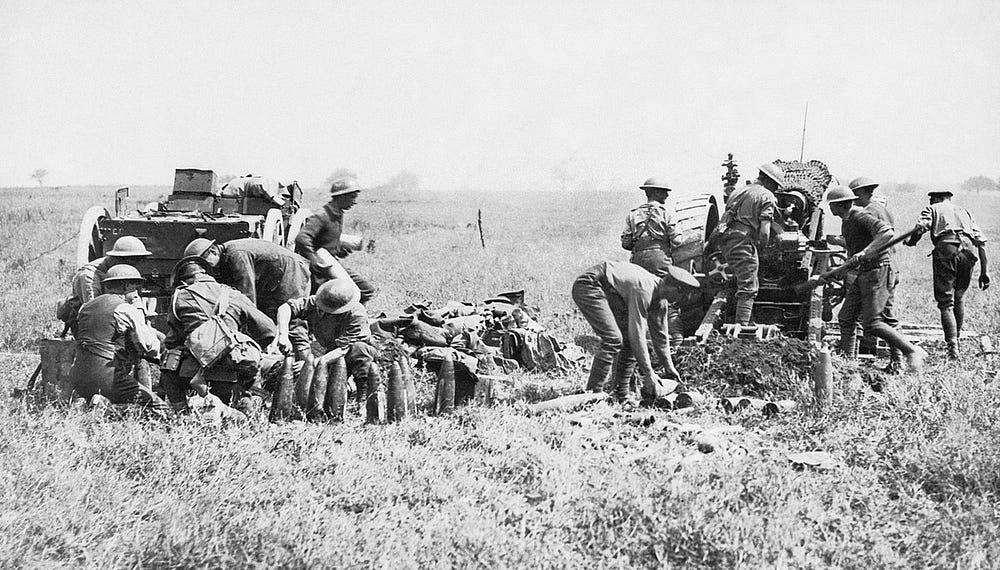
Therefore, it became clear to most of the German High Command that the war could no longer be won. Peace negotiations with the Entente were reopened. One of President Wilson's conditions for peace outlined the abdication of Wilhelm II.
The German populace also became increasingly disappointed with the Kaiser's government, and the defeat of the German army would be a catalyst for revolution. When the orders were given for the navy to engage the Royal Navy, the sailors refused to follow orders. The mutiny spread and gained the support of left-wing parties such as the USPD. Thousands joined the sailors' calls for 'peace and bread' with uprisings in Berlin.
Therefore, Ebert made it clear that to avoid further unrest and potential social revolution, the Kaiser had to abdicate. With Hindenburg also suggesting the same, Wilhelm II duly consented to abdicate in November 1918. After abdicating, he left Germany and went to Holland.
Without anybody to succeed to the throne, the Wilhelm dynasty was all but ended. In its place, the German democracy of the Weimar Republic was established with the SPD's Ebert as president and Scheidemann as chancellor.
Overall, the fall of the Wilhelm monarchy had much to do with World War I. Germany's military defeat on the Western Front left the much-promised victory a false one. Wilhelm's military and foreign policies had failed to deliver victory for the German people. Equally, the SPD had gained considerable support from the German people before the war and established the Weimar Republic after the king's abdication.
This article of mine was originally submitted to Medium, where you can read it here.
About the Creator
Matthew A
Matthew is the author of Battles of the Pacific War 1941-1945. Battles of the Pacific War is available on Amazon and Lulu in e-book and paperback formats. Check out the book’s blog at battlesofthepacificwar.blogspot.co.uk.
Enjoyed the story? Support the Creator.
Subscribe for free to receive all their stories in your feed.
Comments
There are no comments for this story
Be the first to respond and start the conversation.