
The Battle of Midway a Turning Point in the Pacific War
Remembering How the Midway Battle Changed the Course of World War II in the Pacific
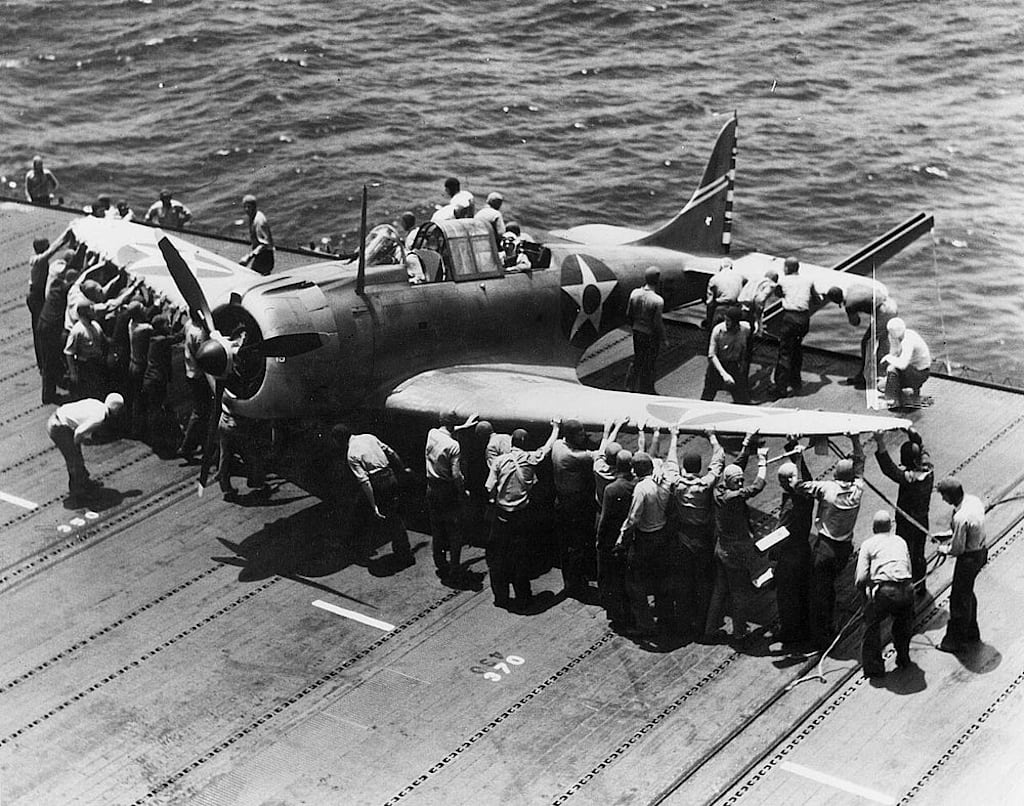
After the Japanese bombing of the American naval base of Pearl Harbor, the Pacific War began. The Japanese had pinpointed a variety of targets in the Pacific, which they then advanced toward after the Pearl Harbor strike. Throughout early 1942, the Allies retreated or surrendered in almost every battle as Japanese troops overran European and American positions in the region.
The best fortune that the Allies had during this period was that the American aircraft carriers that were usually stationed at Pearl Harbor were not present on the day the Japanese planes struck, and so four US aircraft carriers were still ready for battle in the Pacific. It was these aircraft carriers that would turn the Pacific War at Midway later in 1942.
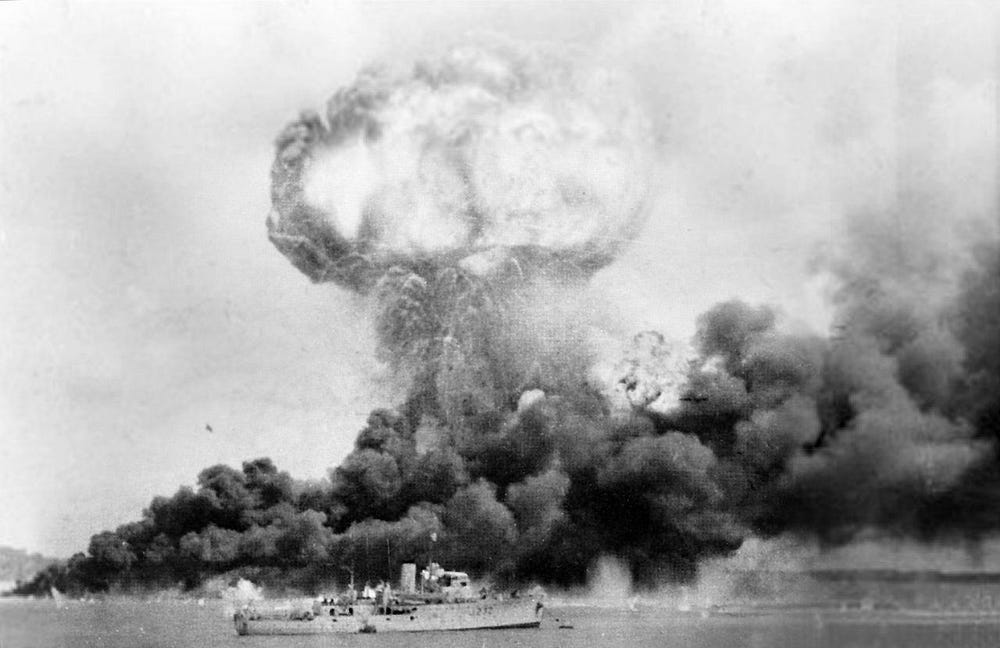
By the time of the Battle of Midway, the Japanese were undoubtedly winning the war. Their advances in the Pacific had expanded the Japanese Empire to include the Philippines, Malaya, Hong Kong, and New Guinea. The British army had been overrun during the Battle of Singapore as hundreds of thousands of Commonwealth troops surrendered. The Japanese Empire now extended toward the Australian mainland, leaving the Australian port of Darwin within bombing distance of Japanese bombers. As such, the Japanese also bombed Darwin with hundreds of bombers, today called the Pearl Harbor of Australia.
At sea, the Imperial Japanese Navy had also had its victories. Pearl Harbor was obviously one that had taken out four US battleships. However, further to this, the ABDA (American, British, Dutch, and Australian) Navy had also had heavy losses during the Battle of the Java Sea, where few of their ships survived the battle. The Battle of the Coral Sea was far less decisive, although the Japanese had struck the US carrier Yorktown and also sunk the Lexington aircraft carrier.
However, for all their victories, the Japanese had still not won the Pacific War. This was largely because of the remaining American aircraft carrier presence in the region. Although one of the American carriers had been lost during the Battle of the Coral Sea, they still retained three aircraft carriers, which carried a noteworthy strategic value. To win the Pacific War, a more decisive blow was therefore required that would knock out these US aircraft carriers.
Midway was chosen as the point of a Japanese advance that would secure Midway Island and trap the defending US aircraft carrier fleet that would be sent to defend Midway. It was here that the IJN's large aircraft carrier fleet was supposed to trap and destroy the remaining US aircraft carriers, along with hundreds of their supported aircraft. If this had happened with minimal Japanese losses, then the Japanese would have been in a strong position to negotiate a potential armistice with the Americans. At the very least, an IJN victory here might well have prevented the unconditional surrender of Japan and preserved some of the Japanese Empire.
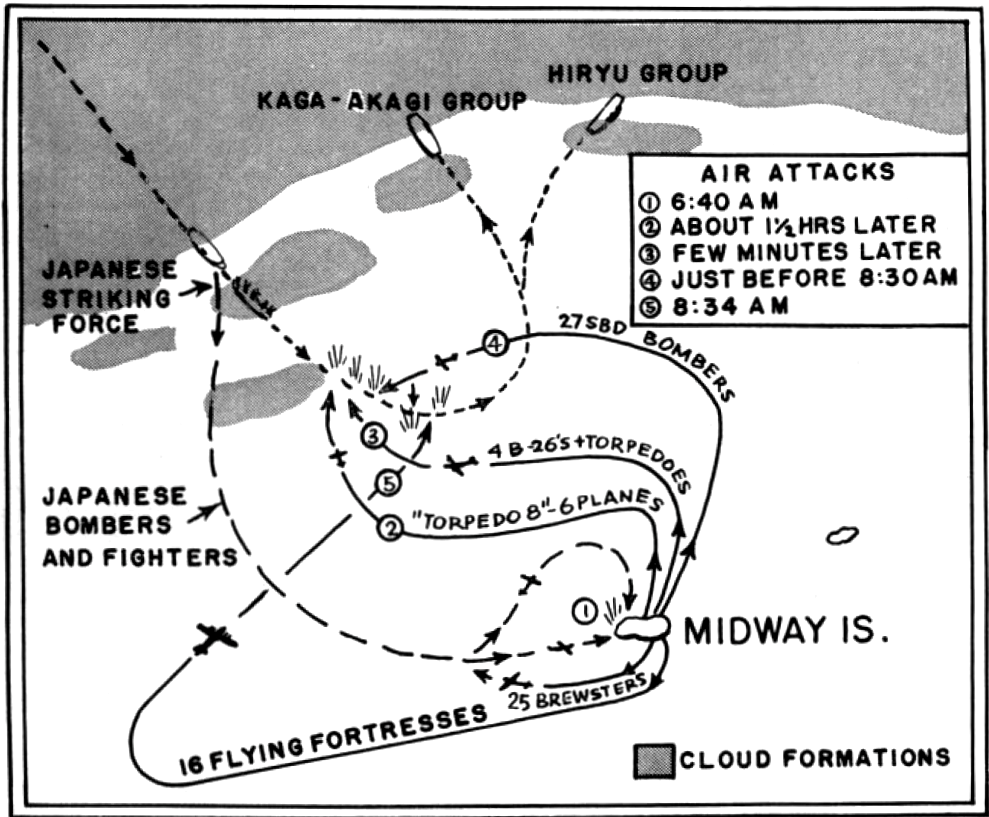
However, the outcome of the Battle of Midway was a complete reversal for Japan. American codebreakers deciphered Japanese codes relating to the battle, and so an American carrier fleet was sent out in advance to defend Midway Island. When combined with the aircraft stationed at Midway, the American fleet had relative parity with the four Japanese aircraft carriers, and also arrived far earlier than the IJN had ever expected. One bold US sortie was enough to decisively defeat the IJN's fleet during the battle as SBD Dive Bombers dived through the clouds towards the IJN aircraft carriers that were left as sitting ducks to the Americans. Relentless anti-aircraft firing from the carriers could do little to prevent the bombers from striking and sinking three Japanese aircraft carriers.
That was a decisive moment of the battle, and the remaining Japanese aircraft carrier was also later finished off by the Americans. Although the Japanese also sank the Yorktown during the battle, the Battle of Midway was still a big defeat for Japan, which wiped out much of their aircraft carrier fleet. Hundreds of Japanese aircraft were also lost along with irreplaceable air crews. As such, Japan's genuine chances of victory had entirely evaporated during this battle.
After this battle, the Japanese never really had another victory in the Pacific War. The Allies drafted new plans for advances in the Pacific that would ensure the loss of most of the territory of the Japanese Empire. Further calamitous naval defeats also followed at the Battle of the Philippine Sea and the Battle of Leyte Gulf. By 1945, the Allies landed at and occupied the Japanese home islands, such as Okinawa, and the war was all but lost. The Japanese surrendered shortly after the loss of Okinawa.
Today, the Battle of Midway is therefore considered a turning point in the Pacific War. Before it, the Allies never had any genuine victories, while after the battle, they never had any genuine defeats. The Japanese Empire had all but crumbled just a couple of years later.
This article of mine was originally submitted to Medium, where you can read it here.
About the Creator
Matthew A
Matthew is the author of Battles of the Pacific War 1941-1945. Battles of the Pacific War is available on Amazon and Lulu in e-book and paperback formats. Check out the book’s blog at battlesofthepacificwar.blogspot.co.uk.
Enjoyed the story? Support the Creator.
Subscribe for free to receive all their stories in your feed.
Comments
There are no comments for this story
Be the first to respond and start the conversation.