World History
Marooned:
Have you ever wondered what it would be like to be stranded on a deserted island? The story of Alexander Selkirk takes us on an extraordinary journey of survival and resilience. As an Englishman, Selkirk had a deep affection for his mother tongue, appreciating its unique idioms and peculiar words. Little did he know that his own life would become a fascinating tale that would inspire generations.
By Myke & Amy3 years ago in History
Harvest of Hope
Emily stared out of her apartment window, her eyes tracing the lines of concrete that stretched endlessly before her. The city had always felt suffocating, its noise drowning out the whispers of her dreams. But today, something caught her attention—an abandoned lot, overgrown with weeds, tucked away between towering buildings.
By Nwaeze christian arinze3 years ago in History
Historic NBA Playoff Moments
One of the most iconic moments in NBA playoff history is undoubtedly Michael Jordan's "Flu Game" during the 1997 NBA Finals. This remarkable display of determination and resilience solidified Jordan's status as one of the greatest basketball players of all time.
By Tshepo Modiselle3 years ago in History
Philippines Independence day
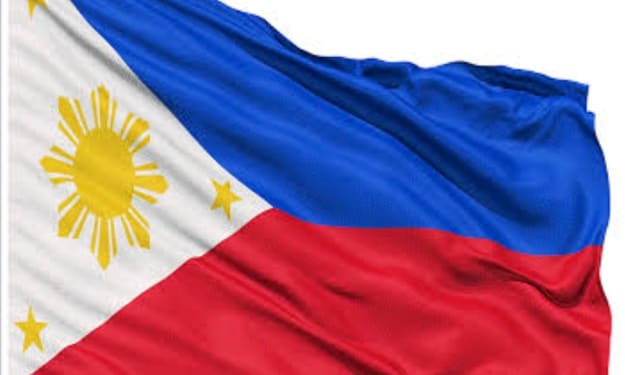
The commemoration of INDEPENDENCE DAY is approaching again on the coming June 12 DAY OF INDEPENDENCE. There are many who celebrate it in the Philippines, every where you can see the flag of the Philippines and the same in other countries where there are our NEW HEROES (BAGONG BAYANI) who are ready to sacrifice and others are sacrificing their lives to have a higher income for their family. It also contributes a lot to the country's economy and gives us a lot of honor because there are many good qualities Filipinos have, that's why other races like us. Every where in the world, you will find Filipinos. But it's sad to think that many of them are still slaves of foreigners, thier taking risks And even Filipinos in their homeland continue to be slaves because of the abuse of power, corruption of some government officials, agencies, organizations and the greedy of private sectors and media. This is related in a song by Freddie Aguilar (Sa Kuko Ng Agila) "In The Claw Of The Eagle" We owe our lives to our heroes today because if it wasn't for their bravery, caring, loving for the people, nation and sacrificing thier life, maybe we don't exist today we weren't born, we wouldn't be free from the SLAVERY. Let's look back at the past. What happened and who contributed to achieve our freedom? The history of the Philippines and its struggle for independence is a complex and fascinating tale that spans centuries. From the Spanish colonial rule to the American occupation, until japanese war the journey towards independence was marked by resistance, revolution, and political negotiations. This article will explore the key events and figures that shaped the Philippines' path to freedom, highlighting the nation's resilience and determination. The story of Philippine independence begins with Spanish colonization, which commenced in 1521 when Ferdinand Magellan arrived in the archipelago. For the next three centuries, the Philippines remained under Spanish rule, enduring economic exploitation and cultural oppression. The Filipinos were subjected to forced labor, heavy taxes, and limited access to education and political representation. When Magellan arrived at Mactan with thier troops, they are defeated and killed by Datu Lapulapu with he's tribes on 1521. However, the seeds of resistance were sown during this period. In the late 19th century, a nationalist movement emerged, advocating for reform and greater autonomy. One of the prominent figures in this movement was José Rizal, a writer, and national hero, who used his literary works to expose the injustices of Spanish rule and inspire a sense of national identity among Filipinos. The revolution against Spain gained momentum in 1896 when Andres Bonifacio founded the Katipunan, a secret society dedicated to liberating the Philippines from Spanish control. The Philippine Revolution erupted the following year, led by Emilio Aguinaldo. The revolutionaries achieved several notable victories but faced internal divisions and external challenges, including the outbreak of the Spanish-American War in 1898. The turning point came when the United States, seeking to expand its influence in the Asia-Pacific region, entered the conflict. In the Battle of Manila Bay, the American navy defeated the Spanish fleet, effectively ending Spain's control over the Philippines. The Filipinos expected that the United States would grant them independence, but instead, the Treaty of Paris in 1898 transferred the Philippines from Spanish to American rule. The American occupation introduced a new chapter in the struggle for independence. Initially, the Filipinos welcomed the Americans as liberators, but soon disillusionment set in as it became clear that the United States intended to establish its own colonial rule. This sparked the Philippine-American War, a conflict that lasted from 1899 to 1902 and resulted in significant casualties on both sides. Despite the military defeat, the Filipinos continued their quest for independence through diplomatic and political means. In 1907, the Philippine Assembly was established, providing a platform for Filipino politicians to advocate for self-government. Meanwhile, leaders such as Manuel L. Quezon and Sergio Osmena plan for greater autonomy and representation within the American colonial administration. The turning point in the fight for independence came during World War II. When the Japanese invaded the Philippines in 1941, the United States was forced to retreat. The Filipinos, led by guerrilla fighters and political leaders like Manuel L. Quezon, fought alongside American forces against the Japanese occupation. Their resistance and sacrifice demonstrated the nation's determination to achieve independence. As the war drew to a close, the United States recognized the Philippines' aspiration for independence. On July 4, 1946, the Philippines became a sovereign nation, marking the end of nearly 400 years of foreign rule. Manuel Roxas, the first president of the independent Philippines, played a pivotal role in negotiating with the United States for a peaceful transition of power. However, the struggle for true independence did not end with the grant of sovereignty. The Philippines faced numerous challenges in the post-independence era, including political instability, economic inequality, and corruption. Nevertheless, the Filipino people's determination to build a strong and prosperous nation has been a driving force in shaping the country's modern history. In conclusion, the path to Philippine independence was a long and arduous journey that required unwavering resilience and determination. From the Spanish colonization Especially now the Philippines will adopt the modern methods such as the Digital Money similar to other countries that are cash less. What will be the use of bills and coins? We can only see them in the museum, how can we remember the heroes on our money, which will remind us that our people once defended us to achieve our freedom. The statues we pass by and sometimes are desecrated. Once again our national hero Jose Rizal said Those who do not turn back to the past will not reach the destination.. It will be non sense What our heroes did if we continue to lose our rights and freedom. Always remember The KKK Kalayaan sa kahirapan Kalayaan sa panggigipit Ng kapwa Pilipino Kalayaan sa pang aalipin Ng Ibang lahi Freedom from poverty, Freedom from being oppressed by fellow Filipinos, Freedom from being enslaved by other races. Thank you very much to Our Heroes, new heros and to the future Heroes that will stand for the rights and the Freedom it's all start in each every one of us. The blood of Heroes lies in our body. To God be the Glory
By Teodorick Acuña 3 years ago in History
Unveiling the Sands of Time: Tracing the Discovery of the Sahara Desert in Africa.
Embark on a captivating voyage through the ages as we delve into the fascinating history of the Sahara Desert's discovery in Africa. "Unveiling the Sands of Time: Tracing the Discovery of the Sahara Desert in Africa" invites you to uncover the remarkable tales of ancient civilizations, intrepid explorers, and the gradual unraveling of the mysteries concealed within this vast expanse of sand. Prepare to be transported across centuries, immersing yourself in the rich tapestry of human exploration and understanding of one of the world's most awe-inspiring landscapes.
By Dansoh Lawrence Appiah3 years ago in History
The Historical Interactions Between Britain and the Ashanti Kingdom in the 18th Century
The 18th century witnessed significant interactions between Britain and the Ashanti Kingdom, a powerful West African empire located in present-day Ghana. This period marked the emergence of British colonial interests in Africa, as well as the Ashanti Kingdom's attempts to protect its sovereignty and expand its influence. The relationship between these two entities was characterized by a complex interplay of trade, diplomacy, conflict, and cultural exchange. This article aims to explore the history of their interactions throughout the 18th century, shedding light on the key events, motivations, and outcomes that shaped their relationship.
By Dansoh Lawrence Appiah3 years ago in History
Little Women. Content Warning.
Annotated Introduction Louisa May Alcott's novel, "Little Women," has captivated readers since its publication in 1868. This beloved coming-of-age story follows the lives of the four March sisters—Meg, Jo, Beth, and Amy—as they navigate the challenges and triumphs of growing up in Civil War-era America. Through their journeys, Alcott weaves a tapestry of sisterhood, love, and personal growth. In this blog, we will delve into the enduring appeal of "Little Women," exploring its timeless themes, memorable characters, and the impact it has had on generations of readers.
By Muazzam shahzad3 years ago in History
Tracing the Evolution of Football
Football, the beautiful game, has captivated the hearts and minds of people across the globe for centuries. From humble beginnings to a global phenomenon, the history of football is a fascinating tale of passion, skill, and camaraderie. In this comprehensive article, we will embark on a journey through time, tracing the origins, milestones, and transformative moments that have shaped football into the beloved sport we know today.
By Football Article3 years ago in History
A Tale of Two Cities
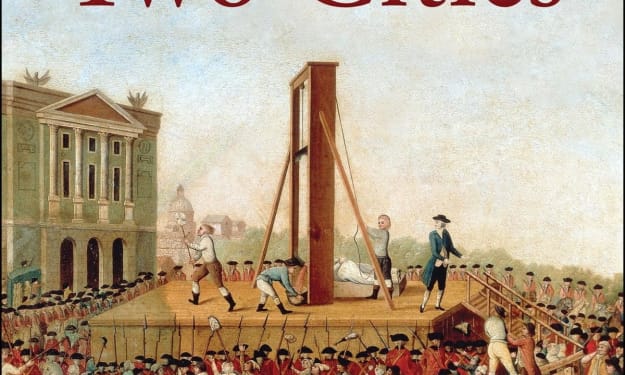
Introduction Charles Dickens, the renowned British author, penned one of his most iconic works in 1859: "A Tale of Two Cities." Set against the backdrop of the French Revolution, this historical novel intertwines the lives of characters in both London and Paris. Dickens masterfully weaves a story of love, sacrifice, and redemption, capturing the tumultuous period with vivid descriptions and profound social commentary. This blog delves into the timeless appeal of "A Tale of Two Cities" and its enduring relevance, exploring the themes, characters, and historical context that have captivated readers for generations.
By Muazzam shahzad3 years ago in History