World History
The Igbo's
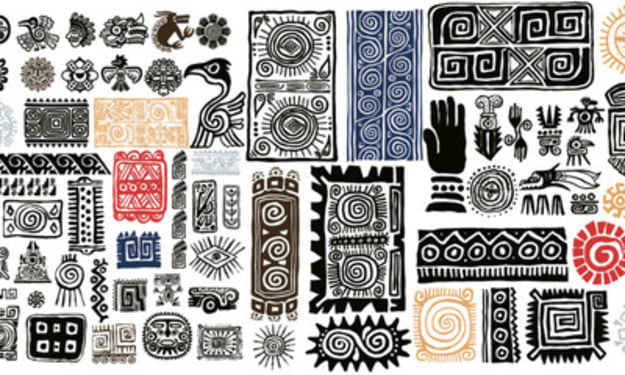
Once upon a time, in the highlands of southeastern Nigeria, there existed a tribe known as the Igbo people. They were a proud and industrious people with a rich cultural heritage, steeped in tradition. The Igbo people were known for their elaborate religious ceremonies, their intricate art forms, and their unique language, which was spoken by over 25 million people around the world. The Igbo people were skilled farmers and traders, who lived in villages scattered throughout the region. They were known for their yam cultivation, which was the staple of their diet. The Igbo people had a strong sense of community, and their traditions were passed down from generation to generation, with the elders serving as the keepers of their culture. One of the most important aspects of Igbo culture was their religion. The Igbo people believed in a supreme being known as Chukwu, who was the creator of the world and everything in it. They also believed in numerous lesser deities who oversaw various aspects of their lives. These deities were celebrated in elaborate ceremonies, which involved music, dance, and offerings. The Igbo people were also known for their art, which was expressed in a wide range of forms. Their sculptures were highly detailed, with intricate designs and elaborate symbolism, while their textiles were brightly colored and intricately woven. Music was also an important part of Igbo culture, with various types of instruments used in ceremonies and celebrations. Different instruments such as: 1. Ekwe – A wooden slit drum used for communication, such as announcing an important event or warning of danger. 2. Udu – A clay pot drum with a hollowed-out body and narrow neck used for rhythmic accompaniment to songs or storytelling. 3. Ogene – A metal gong used for signaling, marking time, and announcing important events. 4. Ichaka – A small gourd rattle with seeds or pebbles inside used for rhythmic accompaniment to songs or dances. 5. Oja – A wooden flute used to create different melodies and harmonies in traditional Igbo music. 6. Ekwueme – A set of wooden hands clappers used to create a rhythmic accompaniment to music and dance. 7. Ntaba – A type of Igbo xylophone with wooden keys that are played with mallets. 8. Igba – A type of gourd shaker that is typically used for rhythmic accompaniment in African music. 9. Opi – A type of Igbo lute with a small soundbox and short neck used for solo music or accompaniment. 10. Itotele – A type of drum that is played with the hands, typically used for rhythmic accompaniment to dance and music. One of the most iconic aspects of Igbo culture was their masquerades. These were elaborate performances in which dancers, dressed in intricate costumes, would perform for the community. Masquerades were held for a variety of occasions, including funerals, weddings, and festivals. The performances were often accompanied by drumming and singing, creating a lively and festive atmosphere. Another important aspect of Igbo culture was their traditional system of governance. The Igbo people had a decentralized system of government, with each village being governed by a council of elders. These elders were responsible for making decisions and settling disputes within the community. The Igbo people also had a system of justice, which was based on restorative justice principles. Overall, Igbo culture was a complex and fascinating tapestry of tradition, religion, art, and governance. It was a culture that valued community, creativity, and spirituality. Today, despite the challenges of modernity, the Igbo people remain proud of their heritage and continue to celebrate their culture through various means, including music, art, and literature. Whether through their traditional ceremonies or modern expressions of their culture, the Igbo people continue to inspire and captivate the world with their rich cultural heritage. So if you are a traveler who hasn't ben to any af the igbo states or africa as a whole do well to visit and have you mind blown. The igbo's dont just accept visitors they welcome them full heartedly without any complains
By Favour Elechi 3 years ago in History
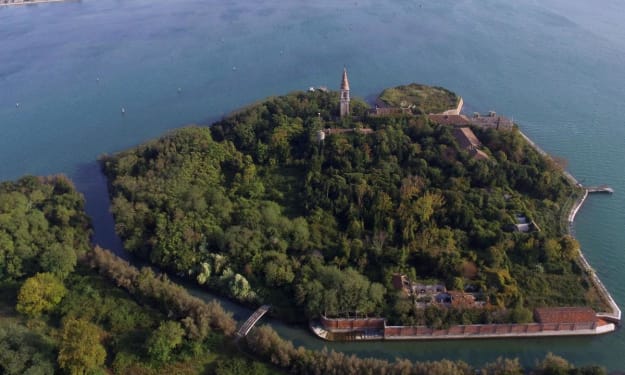
Plague Island: 5 Eerie Places Abandoned to the Sea
Exploring abandoned places can send chills down your spine, but when these eerie locations are swallowed by the sea, the sense of mystery and intrigue deepens. From haunted lighthouses to grim prisons and Nazi torpedo bases, these five eerie places tell tales of tragedy, despair, and the enduring presence of the supernatural. Join us as we delve into the stories of these fascinating places, now lost to the waves.
By Ngakoma Mystery3 years ago in History
The Rise and Fall of the Mayans: A Fascinating and Tragic History
The Mayan civilization, one of the most advanced and sophisticated civilizations of the ancient world, flourished for over two thousand years in Mesoamerica, covering modern-day Mexico and Central America. The Mayans are renowned for their remarkable achievements in science, mathematics, art, architecture, and culture. However, the sudden and mysterious collapse of the Mayan empire around the 10th century CE remains a fascinating and tragic mystery that has captivated scholars and laypeople alike for centuries. In this article, we will explore the rise and fall of the Mayans, examining the factors that contributed to their collapse and their enduring legacy in modern society.
By Krishna raj3 years ago in History
Scientists baffled by game-changing discovery in Africa!
Africa is situated on an extraordinary slope of mind-boggling, staggering, suspicious revelations that have actually stunned researchers right up until now. These disclosures are amazing, and in the event that they were not referenced, they could never be accepted, so in this article I will impart to you things researchers found in Africa that stunned the world.
By Shari Gailla3 years ago in History
Shadows of Change
In the enchanting land of Scotland, Nicola Sturgeon, a powerful and influential politician, stood tall as the leader of the Scottish National Party (SNP) and a champion of Scottish independence. For years, she had commanded unwavering support from her party and the Scottish people, her personal poll ratings soaring to great heights. However, as with all tales, even the mightiest leaders can face unexpected challenges that threaten their reign.
By Anthony Gatimu3 years ago in History
The origin of vandalism?
Introduction The term "vandalism" finds its origins in the annals of history, specifically associated with the notorious Germanic tribe known as the Vandals. Renowned for their pivotal role in the decline of the Western Roman Empire, the Vandals left an indelible mark on the collective memory of civilizations. In the tumultuous early 5th century, they brazenly invaded the illustrious city of Rome, leaving a trail of devastation and pillage in their wake.
By Écrivain Placard3 years ago in History
The Hunt for Cleopatras Secret Burial Chamber
For more than two millennia, the burial site of Cleopatra, the last queen of Egypt, has remained one of the greatest mysteries in the field of archaeology. Despite numerous efforts in the past to find her tomb, the location of her final resting place has remained elusive. However, recent advances in technology and new evidence have rekindled hope that her tomb might be found. This article will explore the hunt for Cleopatra's secret burial chamber, review the latest theories and discoveries, and assess the potential implications of finding her long-lost tomb.
By Krishna raj3 years ago in History
Unveiling the Hidden Gems
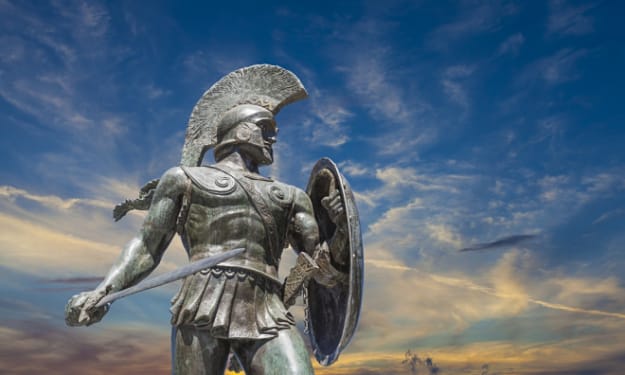
Introduction: The Battle of Thermopylae, a historic clash between the Persian Empire and the Greek city-states in 480 BCE, is widely known for the valor and sacrifice of King Leonidas and the Spartan warriors. However, beyond the popular narrative, lie fascinating and lesser-known details that shed light on the complexity and significance of this ancient battle. This lesson aims to explore some intriguing and little-known facts about the Battle of Thermopylae, revealing a deeper understanding of this pivotal moment in history.
By Deon Burton3 years ago in History
Vanished Without a Trace: The Intriguing Tale of the Roanoke Colony's Disappearance
The Roanoke Colony remains one of the most intriguing unsolved mysteries in American history. In 1587, over 100 English settlers established a colony on Roanoke Island, off the coast of what is now North Carolina. The colony was led by Governor John White, who left briefly to return to England for supplies, only to return three years later to find the colony vanished without a trace. Despite numerous investigations and countless theories, no one knows for certain what happened to the colonists. In this article, we will explore the fascinating story of the Roanoke Colony's disappearance and delve into the clues and theories that have emerged over the centuries.
By Krishna raj3 years ago in History