World History
Operation Sindoor: No war, just a precise message
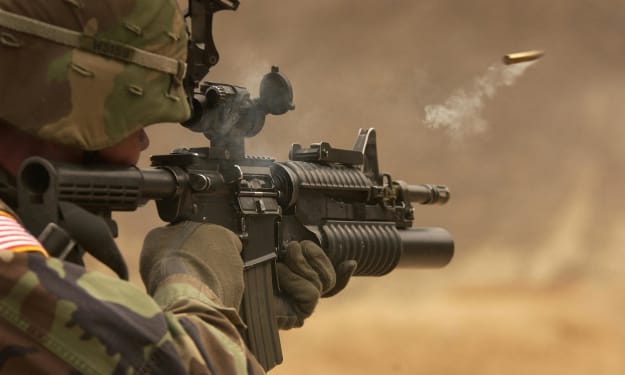
Introduction: Mission Sindoor is a message for the whole world and specially for those people who think of attacking the people living in the peaceful environment of India. During this mission, cannon fire was fired in the air. There was no thunder, but the quiet buzz of deliberate action. Operation Sindoor, as it is being called by some, was not a declaration of war, nor a plunge into the familiar, bloody theatre of cross-border conflict. Instead, it was precisely balanced. It was a message delivered with the unwavering resolve of a nation that has learned the bitter lessons of repeated provocations. This time, the message was not shouted across the country. This time, the message was not shouted across the Line of Control (LoC); it was the stark reality of undeniable capability, a silent but deafening declaration that sent a direct message to Rawalpindi and beyond: make no mistake.
By umar khalidabout a year ago in History
Line of Control: Flames of Rivalry
L The icy winds howled through the valleys of Kashmir, sweeping snow across the jagged ridges of the Line of Control. In this cold, unforgiving terrain, two nations faced each other—India and Pakistan—locked in a rivalry that had burned for over seven decades.
By Muhammad Zahirabout a year ago in History
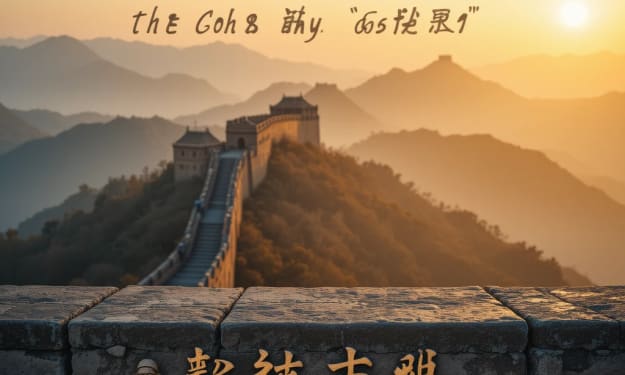
Lalbagh Fort: The Unfinished Mughal Marvel of Dhaka Bangladesh. AI-Generated.
Lalbagh Fort: Dhaka’s Unfinished Mughal Masterpiece A defining feature of the Mughal structure, and an incomplete dream, Lalbagh Fort in Old Dhaka (Bangladesh) is a striking architectural site on the Buriganga River, which was also known as fort Aurangabad. The fort was built in the late 16th century as an interpretation of the noblest, most brilliant and tragic parts of Mughal history.
By Shuab Muhammad Zaberabout a year ago in History
Ongoing Tensions Between Pakistan and India: The Kashmir Conflict and Recent Clashes
For more than seven decades, the relationship between Pakistan and India has been formed by struggle, doubt, and military stand-offs, especially over the debated locale of Kashmir. In later times, this competition has reemerged once more, as border clashes, political explanations, and allegations of cross-border fear based oppression have reignited fears of war between the two nuclear-armed neighbors.
By Rubaiya Haqueabout a year ago in History
The mask of US human rightsism.
The Mask of US Human Rights: A History of the Empire of Oppression When the slogans of human rights, democracy or justice are spread on the world stage, the United States is the first. ‘Freedom’, ‘Liberty’, ‘Human Rights’—these words are like a miraculous mantra in their mouths. They have captured the world media, the UN arena, the highest levels of education and culture, and even the definition of human rights, binding them to their dominance. But the question is, is the United States really the protector of human rights? Or have they made human rights a political weapon, using which they have destroyed the foundations of nations, civilizations and humanity?
By Abdul Barikabout a year ago in History
Reasons for the decline of the Muslim world.
The Muslim world was once a symbol of leadership in the pages of world history—unique in knowledge, science, justice, military might, and spirituality. Baghdad, Cairo, Andalusia, Samarkand, or Delhi—each city was a beacon of civilization. But today that Muslim world is fragmented, weak, oppressed, and confused. The question arises—what is the cause of this decline? Is it primarily the result of external aggression? Or is it the result of internal moral and political weakness?
By Abdul Barikabout a year ago in History