Places
Thailand Unveiled: The Soul of Southeast Asia. AI-Generated.
Thailand Unveiled: The Soul of Southeast Asia Thailand, fondly known as the "Land of Smiles," is a country that captures the heart of every traveler with its vibrant culture, rich traditions, stunning landscapes, and warm hospitality. Nestled in the heart of Southeast Asia, Thailand is a land where ancient customs blend harmoniously with modern life, creating a unique and enchanting experience for all who visit. A Culture Rooted in Tradition Thai culture is deeply influenced by Buddhism, which plays a central role in the daily lives of its people. Over 90% of Thais practice Theravāda Buddhism, and this spiritual path is visible everywhere—from golden temples rising over city skylines to serene monks in saffron robes walking the streets at dawn. Temples such as Wat Phra Kaew in Bangkok and Wat Pho, home to the Reclining Buddha, offer a glimpse into the country’s spiritual devotion and architectural brilliance. Respect and humility are core values in Thai society. The traditional greeting, called the wai—a slight bow with palms pressed together—is a gesture of respect and gratitude. Thai people are known for their politeness and warm demeanor, which is why Thailand is often called one of the friendliest countries in the world. Festivals and Celebrations Thailand’s cultural calendar is filled with vibrant festivals that showcase its traditions. One of the most famous is Songkran, the Thai New Year, celebrated every April with nationwide water fights that symbolize cleansing and renewal. Loy Krathong, held in November, sees locals floating decorated baskets down rivers to pay respect to the water goddess and wash away bad luck. These festivals are not just colorful spectacles; they are deeply rooted in Thai beliefs and provide an opportunity for communities to come together and celebrate their heritage. A Culinary Paradise Thai cuisine is renowned globally for its bold flavors, balance, and diversity. From spicy Tom Yum Goong (shrimp soup) to sweet Mango Sticky Rice, every dish tells a story of Thailand’s geography and culture. Street food is a major part of Thai life—bustling night markets serve everything from grilled meats and noodles to tropical fruits and desserts. Cities like Bangkok and Chiang Mai are street food heavens, offering a taste of local life with every bite. Cooking in Thailand is considered an art form, and many visitors take cooking classes to learn how to recreate their favorite dishes back home. Nature and Landscapes Beyond the cities and cultural sites, Thailand offers breathtaking natural beauty. The south boasts idyllic islands like Phuket, Ko Phi Phi, and Ko Samui, with white-sand beaches, turquoise waters, and vibrant coral reefs. In the north, lush mountains, cool weather, and hill tribe villages offer a completely different experience. Cities like Chiang Mai and Pai provide a more laid-back atmosphere, with opportunities for trekking, elephant sanctuaries, and exploring ancient ruins. The Blend of Old and New Modern Thailand is a fusion of past and present. Bangkok, the capital, is a city of contrasts—gleaming skyscrapers and luxury malls sit beside centuries-old temples and traditional floating markets. The country has embraced modernization, yet it has preserved its cultural identity with grace and pride. Whether you're watching a Muay Thai fight, receiving a traditional Thai massage, or exploring the ruins of Ayutthaya, Thailand offers a journey through time, taste, and tradition. --- Conclusion Thailand’s charm lies in its ability to make visitors feel both thrilled and at peace. With a welcoming spirit, rich cultural heritage, delicious cuisine, and stunning natural beauty, Thailand is more than a destination—it’s an experience of the soul. Whether you're exploring its cities, savoring its food, or immersing yourself in its traditions, Thailand has a way of staying with you long after you’ve left.
By Shahab Ali awanabout a year ago in History
The Evolution of Human History: From Prehistoric Times to the Modern Era
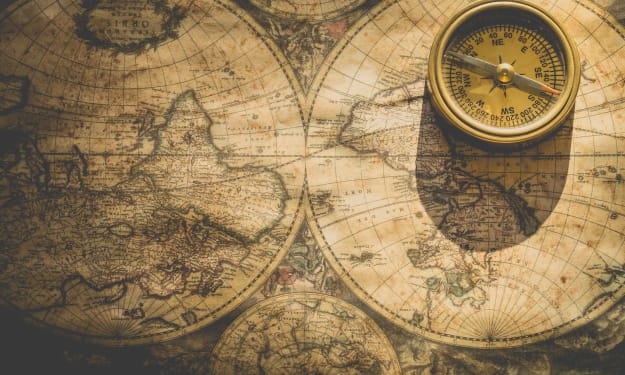
From prehistoric times to the present, the evolution of humankind History is the collective memory of human civilization, chronicling the journey of humanity from primitive beginnings to the complexities of modern society. The story of human history is vast, interwoven with the rise and fall of empires, technological innovations, social revolutions, and cultural transformations. The major epochs of human history and the ways in which each one shaped the world we live in today are the subject of this article. The Beginning of Humanity: The Age of Prehistory Human history begins long before the advent of writing. The Paleolithic, Mesolithic, and Neolithic periods are all examples of prehistoric times. The Paleolithic Era, also known as the Old Stone Age, lasted between about 2.5 million and 10,000 BCE. Early humans were hunter-gatherers who lived in small, nomadic groups and used simple stone tools. The development of language and the discovery of fire were significant era achievements. Humans entered the Mesolithic Era after the Ice Age ended, which was characterized by more sophisticated tools and the gradual domestication of animals. By the Neolithic Era, or New Stone Age, people began to settle in one place, cultivating crops and raising livestock. Beginning around 10,000 BCE, this agricultural revolution established the foundation for permanent settlements and eventually civilization as a whole. The Rise of Civilizations
By Abid Sadifabout a year ago in History
The Naupa Huaca Portal: Proof That Ancient Civilizations Were Secretly Connected?
The Door That Shouldn’t Exist High in the Andean mountains of Peru, carved into living rock and forgotten by time, lies a doorway to a mystery that refuses to be ignored. Hidden near the Sacred Valley, in a place untouched by modern roads or maps, the Naupa Huaca Portal emerges from the cliffside like a deliberate fracture in reality. It is not a ruin. It is not a temple. It is something else entirely.
By The Secret History Of The Worldabout a year ago in History
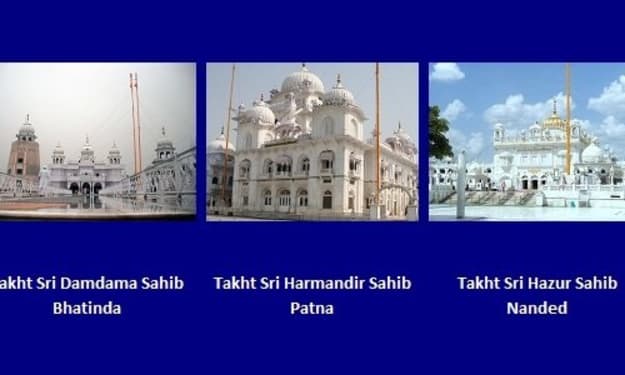
Punj (Five) Takhats of Sikhs: Pillars of Faith, Leadership, and Legacy
Sikhism, a faith founded on the principles of equality, service, and devotion, is deeply rooted in both spiritual wisdom and temporal responsibility. At the heart of Sikh governance and spiritual authority lie the Punj Takhats: the Five Takhats, or thrones, that represent the highest seats of Sikh decision-making, faith, and unity.
By Sukhwinder Kaurabout a year ago in History
Shri Harmandir Sahib: The Golden Heart of Sikhism
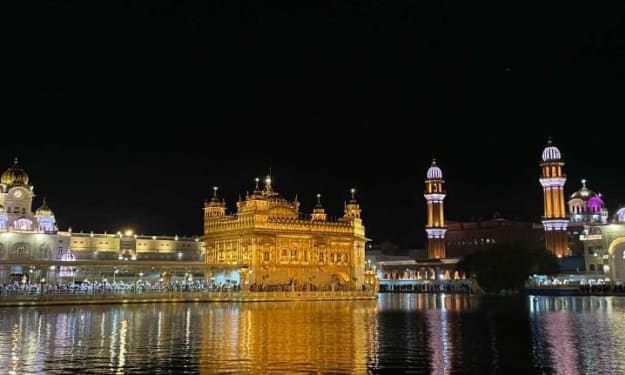
Located in the vibrant city of Amritsar in Punjab, Shri Harmandir Sahib, more commonly known as the Golden Temple, is one of the most revered and iconic religious sites in India. Its radiant golden dome, glistening especially under the sun or lit magnificently at night, is surrounded by the tranquil waters of the Amrit Sarovar, a sacred pool that mirrors the temple’s grandeur and enhances its spiritual aura.
By Sukhwinder Kaurabout a year ago in History
120 Days Underwater
In an impressive achievement that embodies human perseverance, scientific ingenuity, and extreme exploration, Rudiger Koch, a German aerospace engineer, is the new record holder for the longest time living in a submerged underwater chamber without the use of depressurization. Koch surfaced from his submerged capsule on Friday off the coast of Panama after spending an astounding 120 days, 11 meters (36 feet) under the Caribbean Sea. The feat, verified by Guinness World Records adjudicator Susana Reyes, saw Koch break the previous record of 100 days, which was set by American Joseph Dituri, who resided in an underwater lodge in a Florida lagoon.
By Rohitha Lankaabout a year ago in History
The Great Underground Pyramid of Alaska: Secrets Beneath the Frozen Tundra
Beneath the Frost, a Hidden Legacy Beneath the endless expanse of Alaska's tundra lies an enigma that has puzzled explorers, researchers, and conspiracy theorists for decades. For years, the whispers have circulated, tales of a massive underground pyramid, an ancient structure far older than anything recorded in history. Hidden deep within the wild, remote regions of the state, this pyramid is said to be a relic of an advanced civilization, one that predates all known ancient cultures.
By The Secret History Of The Worldabout a year ago in History
Ancient High Tech Machinery Used to Build Egypt’s Pyramids Study Claims
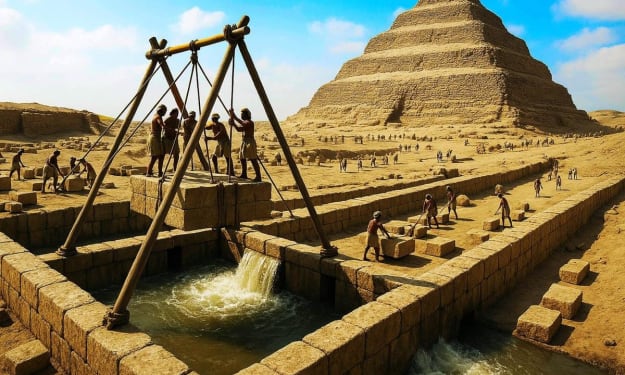
Ancient High Tech Machinery Used to Build Egypt’s Pyramids Study Claims For centuries the Great Pyramids of Egypt have fascinated historians engineers and tourists alike. Built over 4,500 years ago these towering monuments have sparked countless theories about how ancient civilizations managed to construct them with such precision and scale. While the mainstream archaeological consensus holds that the pyramids were built using simple tools manual labor and ingenious techniques a new controversial study claims that ancient high tech machinery may have played a crucial role in their construction.
By Adnan Rasheedabout a year ago in History
Atlantis: The Eternal Mystery Beneath the Sea
Is Atlantis a Lost Civilization or a Philosophical Allegory? The legend of Atlantis is one of the few ancient myths that has sparked so much interest, discussion, and speculation. First introduced by the Greek philosopher Plato around 360 BCE in his dialogues Timaeus and Critias, Atlantis was described as a vast, technologically advanced island civilization that met a sudden and catastrophic end—vanishing beneath the ocean in a single day and night.
By Shahriar Kabir Emonabout a year ago in History