Narratives
World's Most Mysterious Places
Step into the mystical world of the Czech Republic, where ancient pagan and mystical traditions still hold sway. Among the many enigmatic sites that dot this land, the Hill of Crosses stands out as a place of great spiritual power. Nestled in the northern reaches of Lithuania, this pilgrimage site has been drawing visitors for centuries. Legend has it that the hill was originally built to honor fallen warriors, but over time, it became a sacred site associated with miracles and healing. Today, the hill is adorned with thousands of crosses of all shapes and sizes, some dating back centuries. Many visitors claim to have experienced miraculous healings and other paranormal phenomena while visiting this hallowed ground.
By miss hyena3 years ago in History
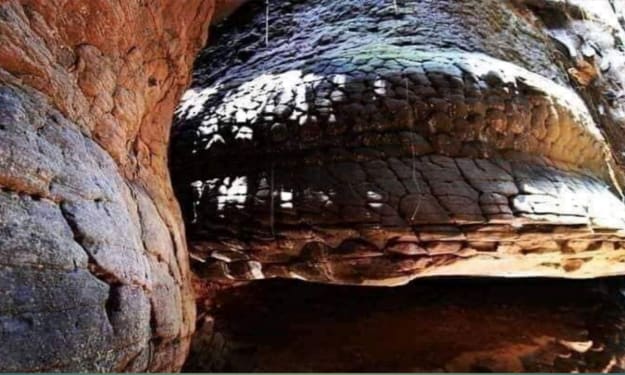
Mystical Rock's Serpent Magic
In the core of a thick and unknown woodland, there stood a perplexing stone development that enthralled the creative mind of all who coincidentally found it. This monstrous stone design, looking like a looped snake, had a demeanor of secret that murmured stories of old legends and failed to remember sorcery.
By Joseph E. Korede 3 years ago in History
Missed Opportunities: The Untapped Potential of Universal Child Care in the United States
During World War II, the United States faced a significant challenge as nearly one in three American men joined the war effort. In their absence, women were called upon to take over the workforce, and a slogan emerged: "In war towns all over the United States, women are called upon to leave their homes and take jobs." The iconic image of "Rosie the Riveter" became emblematic of the contributions women made to the wartime economy. However, a significant issue arose – who would care for the children of working mothers?
By nour slimani3 years ago in History
Top 10 Haunting Historical Mysteries That Remain Unsolved
Top 10 Haunting Historical Mysteries That Remain Unsolved Introduction: Unsolved mysteries have an approach to spellbinding our creative minds, making us question the obscure and the unexplained. Since the beginning of time, there have been various perplexing cases that keep astounding scientists, antiquarians, and fans the same. From evaporated civilizations to mysterious relics, these unpleasant verifiable secrets offer a brief look into the past's confounding insider facts. In this article, we will investigate the main Top 10 Haunting Historical Mysteries That Remain Unsolved.
By Mystery Box3 years ago in History
Natural resources
Natural resources are materials or substances that occur naturally in the environment and are essential for human survival and development. They can be classified into several categories based on their origin and characteristics. In this response, I will provide an in-depth explanation of the different types of natural resources and their importance.
By Prince Destiny3 years ago in History
From the Sands of Time: A Journey Through the History and Culture of the Rendille Community in Kenya
I. Introduction In the remote and arid landscapes of northern Kenya, a resilient and ancient community known as the Rendille has thrived for centuries. Their history is a testament to human adaptability, survival, and the enduring power of culture. In this exploration, we will delve into the rich tapestry of the Rendille people, tracing their origins, traditions, and their ongoing journey through time. II. The Land of the Rendille The Rendille homeland spans the harsh and unforgiving landscapes of northern Kenya, primarily in the Marsabit County. Their territory is characterized by arid plains, rocky outcrops, and sparse vegetation. The region is known for its extreme temperatures and unpredictable rainfall, making it a challenging environment for survival. Despite the harsh conditions, the Rendille have developed a deep connection to their land. They have mastered the art of nomadic pastoralism, relying on their herds of camels, goats, and sheep to sustain their way of life. These animals provide not only sustenance but also a source of wealth and status within the community. III. Origins and Ancestry The origins of the Rendille people are shrouded in the mists of time. They are believed to be part of the Cushitic-speaking communities, which include other groups like the Borana and the Gabbra. Oral traditions suggest that the Rendille might have migrated from the Horn of Africa, possibly from areas now known as Somalia or Ethiopia. The Rendille are proud of their heritage and have preserved their oral history through generations. Their stories speak of their ancestors' struggles and triumphs as they navigated the challenges of the northern Kenyan landscape. IV. The Rendille Way of Life a. Nomadic Pastoralism: The Rendille are traditionally nomadic pastoralists, meaning they move with their herds in search of water and grazing land. This lifestyle has been finely tuned to the rhythms of the harsh environment. Camels, in particular, play a central role in their lives, as they are well-suited to the arid conditions. b. The Manyatta: The Rendille live in semi-permanent homesteads known as "Manyattas." These settlements are constructed using materials like sticks, twigs, and animal hides. The Manyattas are designed to be easily assembled and disassembled, allowing the community to move as needed in search of resources. c. Subsistence and Trade: Besides livestock, the Rendille engage in subsistence farming when the rains permit. Millet, sorghum, and maize are staples of their diet. They also engage in trade with neighboring communities, exchanging livestock, grains, and other goods. d. Social Structure: The Rendille have a hierarchical social structure, with elders holding significant influence. Elders are revered for their wisdom and experience. Leadership is typically hereditary, passing from one generation to the next. V. Traditions and Ceremonies a. The Bull Sacrifice: The Rendille practice a unique ritual known as the "Bull Sacrifice" during important ceremonies. A bull is slaughtered, and its blood is mixed with milk and consumed by the community. This ritual symbolizes unity and strength. b. Adornment and Body Painting: The Rendille are known for their distinctive attire and body painting. Women often wear brightly colored beaded necklaces, while men adorn themselves with leather garments. Body painting is not only a form of decoration but also a means of cultural expression. c. Coming of Age: Like many African cultures, the Rendille have elaborate coming-of-age rituals. Young men undergo circumcision and initiation ceremonies, which mark their transition into adulthood and the responsibilities that come with it. VI. Challenges and Changes In recent decades, the Rendille community has faced numerous challenges. Climate change has made their nomadic way of life even more precarious, as water sources become scarcer and unpredictable. Conflicts with neighboring communities over resources have also strained their traditional lifestyle. Education and healthcare have presented both opportunities and challenges. While access to education has improved, it often means sending children away from the nomadic lifestyle to attend schools in settled areas. Healthcare, too, is often distant and not readily accessible. VII. The Resilience of the Rendille Despite these challenges, the Rendille people continue to adapt and find ways to preserve their unique culture and way of life. Some have embraced modernity while retaining their traditional values, seeking education and advocating for the preservation of their land and resources. The story of the Rendille is a testament to the enduring spirit of a people who have weathered the harshest of environments and changes in the modern world. Their history and culture are not relics of the past but living traditions that continue to evolve and thrive in the sands of time. VIII. Conclusion As we journey through the history and culture of the Rendille community in Kenya, we are reminded of the beauty of human diversity and adaptability. The Rendille have forged a unique path in the face of adversity, and their story is a source of inspiration for all who appreciate the resilience of indigenous cultures and their enduring connection to the land.
By Sadam Ahmed3 years ago in History