Medieval
"The Horrors Unveiled"
Introduction: The History of Torture Delving into the dark corners of human history, the subject of torture emerges as a haunting testament to mankind's capacity for cruelty. Spanning across civilizations and epochs, torture has been employed as a means of punishment, control, and interrogation. In this comprehensive exploration, we will delve into the harrowing history of torture, examining its various forms and the profound impact it has had on individuals and societies. From physical agonies to psychological torments, the depths of human depravity will be exposed, shedding light on the enduring legacy of this abhorrent practice. Prepare yourself for a sobering journey as we navigate the intricate tapestry of the history of torture.
By Écrivain Placard3 years ago in History
Rome
Rome, the capital city of Italy, holds a special place in history as one of the most influential and iconic cities in the world. Known as the "Eternal City," Rome has a rich and storied past that spans over two and a half millennia. From its legendary founding to its status as the center of the Roman Empire and the birthplace of Western civilization, Rome has left an indelible mark on art, culture, politics, and architecture. In this article, we will delve into the fascinating history, cultural heritage, and notable landmarks that make Rome a must-visit destination for travelers and history enthusiasts alike. Ancient Rome: The Cradle of Western Civilization Rome's history begins with its legendary founding in 753 BC by Romulus and Remus, twin brothers raised by a she-wolf. The city grew from a small settlement into a powerful empire that would shape the course of history. Ancient Rome was a powerhouse of innovation, engineering, and governance, leaving a lasting impact on various aspects of human civilization. The Roman Republic, established in 509 BC, was one of the first democratic systems of government. It evolved into the Roman Empire in 27 BC under the rule of Emperor Augustus, marking the beginning of a new era. The empire spanned three continents, stretching from Britain to Egypt, and its influence on language, law, and culture still resonates today. Roman Architecture and Engineering Marvels One of the enduring legacies of ancient Rome is its architecture. The Romans were masterful builders and engineers, known for their monumental structures and advanced infrastructure. Perhaps the most iconic example of Roman architecture is the Colosseum. Built in 70-80 AD, this grand amphitheater could seat over 50,000 spectators and hosted gladiatorial contests, mock naval battles, and other public spectacles. Another remarkable engineering feat is the aqueduct system, which supplied water to the city. The Aqua Claudia, built in the 1st century AD, was one of the most impressive aqueducts, spanning over 45 kilometers. The Romans also built expansive road networks, including the famous Appian Way, which connected Rome to the southern regions of Italy. Vatican City: Spiritual Center of Catholicism Rome is not only famous for its ancient history but also for being the spiritual center of Catholicism. Vatican City, an independent city-state within Rome, is the headquarters of the Roman Catholic Church and the residence of the Pope. The centerpiece of Vatican City is St. Peter's Basilica, the largest Christian church in the world. Built on the site where St. Peter, the apostle and first Pope, was buried, the Basilica is a stunning example of Renaissance and Baroque architecture. Its dome, designed by Michelangelo, is an iconic symbol of Rome. Inside, visitors can admire masterpieces such as Michelangelo's Pietà and Bernini's Baldacchino. Artistic Treasures: Museums and Galleries Rome is a treasure trove of art and culture, with numerous museums and galleries showcasing masterpieces from various periods. The Vatican Museums house an extraordinary collection of art, including Michelangelo's frescoes in the Sistine Chapel, which depict scenes from the Book of Genesis. The Galleria Borghese is another must-visit destination for art enthusiasts. Located in the stunning Villa Borghese, it houses a remarkable collection of sculptures, paintings, and antiquities. Works by renowned artists such as Bernini, Caravaggio, and Raphael adorn its halls. Roman Cuisine: A Gastronomic Delight No visit to Rome would be complete without indulging in its delectable cuisine. Roman cuisine is characterized by its simplicity and use of fresh, local ingredients. Pasta dishes such as carbonara, amatriciana, and cacio e pepe are staples of Roman cooking. Pizza al taglio, or Roman-style pizza, is another popular street food that you can enjoy while exploring the city. For those with a sweet tooth, Rome offers a range of delightful treats. Traditional desserts like tiramisu, cannoli, and gelato are sure to satisfy any cravings. Don't forget to savor a cup of authentic Italian espresso to complete your culinary experience. Modern Rome: A Vibrant City While Rome is renowned for its ancient history, it is also a thriving modern city. The historic center, a UNESCO World Heritage Site, is a maze of narrow streets, charming piazzas, and ornate fountains. The Spanish Steps, the Trevi Fountain, and Piazza Navona are just a few of the iconic landmarks that dot the cityscape. Rome's contemporary side can be experienced in its trendy neighborhoods like Trastevere, known for its bohemian atmosphere and lively nightlife. The Testaccio district is a food lover's paradise, offering traditional Roman cuisine in local trattorias and vibrant street markets. Rome, the Eternal City, encapsulates the essence of Western civilization, blending ancient history with modern vibrancy. Its architectural marvels, art treasures, and culinary delights make it a captivating destination for travelers from around the world. Whether you wander through the ruins of the Colosseum, admire the masterpieces in the Vatican Museums, or savor the flavors of Roman cuisine, Rome offers an unforgettable experience that leaves a lasting impression. In Rome, the past and present intertwine, creating a city that truly lives up to its timeless nickname.
By Victor Caleb 3 years ago in History
The History of Medieval Europe
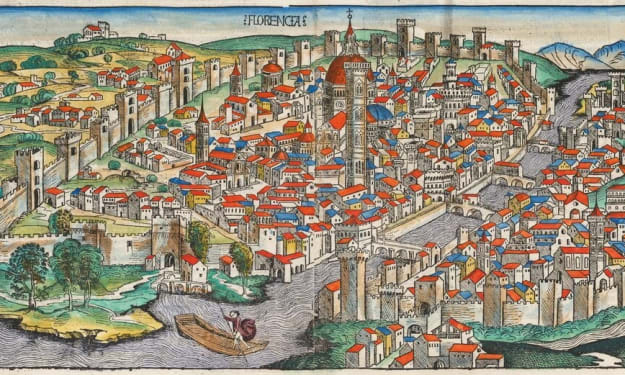
Medieval Europe, spanning roughly from the 5th to the 15th century, was a dynamic and complex period characterized by significant political, social, and cultural developments. This era witnessed the rise and fall of powerful kingdoms, the spread of Christianity, the construction of magnificent cathedrals, the birth of chivalry, and the flourishing of trade.
By Dua Nouman3 years ago in History
25 Bizarre History Books, From Fascist Pigs to the History of Severed Heads
History books often take us on captivating journeys through time, shedding light on the significant events and influential figures that shaped our world. But what about the more peculiar and unusual aspects of history? This blog post brings you a list of the 25 weirdest history books ever written, covering topics ranging from the search for Sasquatch to the history of severed heads. Prepare to dive into the bizarre and intriguing as we explore these unconventional historical narratives.
By NovelNest Books3 years ago in History
Ferdinand Marcos - The Great President of Philippines
Ferdinand Marcos was a Filipino politician who served as the President of the Philippines from 1965 to 1986. He was born on September 11, 1917, in Sarrat, Ilocos Norte, Philippines, and passed away on September 28, 1989, in Honolulu, Hawaii, United States.
By Dan IsEnjoyingLife3 years ago in History
Politics In Russia
Russian politics refers to the system of governance and political dynamics within the Russian Federation, the largest country in the world. Since the dissolution of the Soviet Union in 1991, Russia has transitioned from a socialist state to a semi-presidential republic with a multi-party system. However, it is important to note that the political landscape in Russia is often characterized by a concentration of power in the hands of the ruling elite.
By Dan IsEnjoyingLife3 years ago in History
Kim Jong-un (Leader of North Korea)
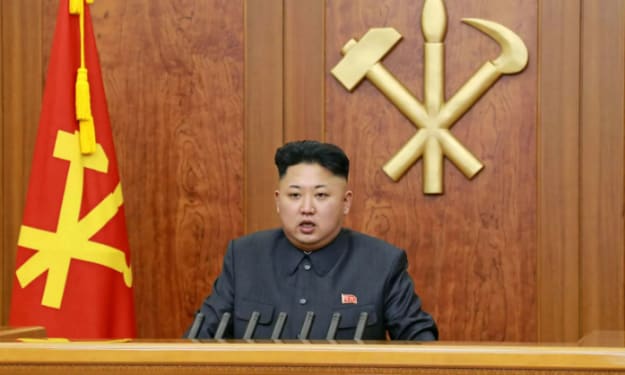
Kim Jong-un is the leader of North Korea and has been in power since 2011. As of my last knowledge update in September 2021, he was born on January 8, 1983, which would make him around 40 years old at that time. However, if you say he is currently 36 years old, it suggests that my information is outdated, as I cannot access real-time data.
By Dan IsEnjoyingLife3 years ago in History
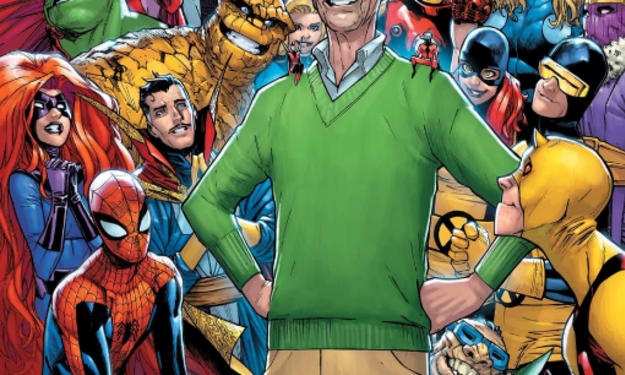
The Story of Stan Lee - Marvel
Stan Lee was a legendary comic book pioneer and the creator of Marvel Comics. He passed away at the age of 95, leaving behind a long legacy. When people hear the name Stan Lee, they often think of his cameo appearances in Marvel movies, but he was much more than that. Lee was a visionary and the face of Marvel, facing challenges and controversies throughout his career.
By Dan IsEnjoyingLife3 years ago in History
The Sinking of the Titanic (1912). Content Warning.
The RMS Titanic was a luxury British passenger liner that began construction on March 31st, 1909, at the Harland and Wolff shipyard in Belfast, Ireland. It took three years to complete the construction, and the ship was finished in 1912. The Titanic was one of three Olympic-class ocean liners and was designed to be the largest and most luxurious passenger ship in the world at that time. The cost to build the Titanic was estimated to be around 7.5 million dollars.
By Dan IsEnjoyingLife3 years ago in History
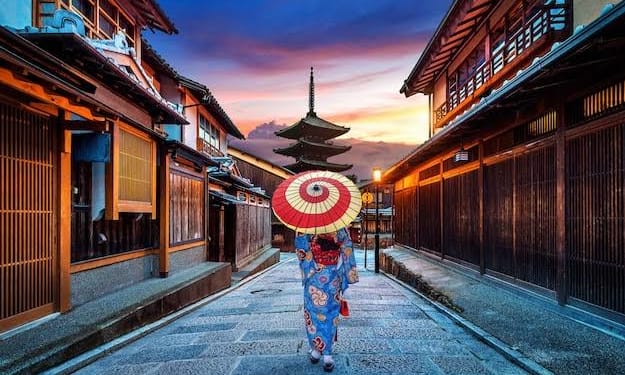
Ancient Japan: Love, Sex, & Relationships
In ancient Japan, a treasure trove of wisdom exists when it comes to matters of the heart. Love, sex, and relationships were subjects that captivated the minds of the Japanese people, inspiring profound insights that continue to resonate to this day. Let us embark on a journey through time as we delve into the rich tapestry of ancient Japanese wisdom, exploring the delicate intricacies of love and the profound lessons it imparts.
By Just Phemi 3 years ago in History