Lessons
'Black Don't Crack' Meaning
“Black don’t crack” is an African American cultural expression that celebrates how many Black people tend to age very well, often maintaining youthful-looking skin as they get older. This idiom implies that older dark people's skin is still smooth and free of wrinkles.
By Margaret Minnicks9 months ago in History
A World in Conflict: How History Shapes Today’s Global Tensions
A World in Conflict: How History Shapes Today’s Global Tensions The world today feels restless. News headlines are filled with wars, political tension, economic struggles, and fear about the future. Many people ask the same question: Why does the world seem so divided? To understand modern global conflicts, we must look beyond daily news and examine how history, power, and human decisions shape world affairs.
By Wings of Time 9 months ago in History
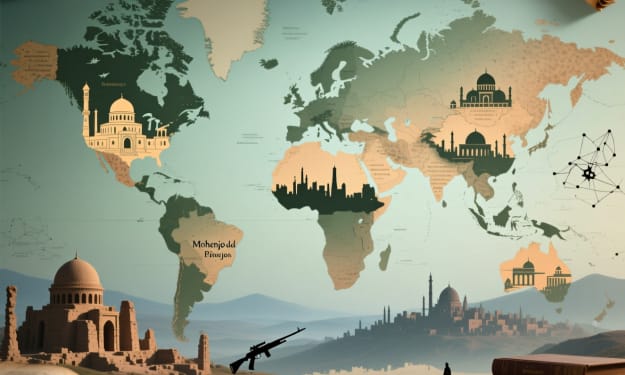
History, Power, and Conflict: How the Past Shapes Today’s Global Tensions
Understanding Muslim History and Global Conflict: A Simple Explanation History is often told in pieces, and when those pieces are misunderstood, fear and confusion grow. Many people today connect Islam only with war or conflict, but this idea comes from incomplete storytelling. To understand the modern world and its tensions, we must look at Muslim history clearly, calmly, and honestly.
By Wings of Time 9 months ago in History
Napoleon Bonaparte's Net Worth: How Power, Conquest, and Control Built Immense Wealth
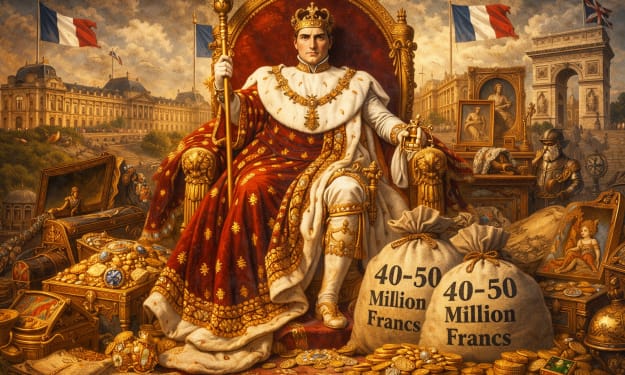
Early Life and Financial Background Born in 1769 on Corsica to a minor noble family, Napoleon’s family was comfortable but not wealthy. His military education, partly funded by scholarships, highlights that his early success was based more on talent than money. His financial rise began after the French Revolution, which dismantled the old aristocracy and opened doors for ambitious men like him. Rise to Power and Wealth Napoleon gained fame through victorious campaigns in Italy and Egypt, which not only boosted his political power but also gave him access to rich territories full of resources, taxes, and treasures. After seizing power in a 1799 coup, he became First Consul of France and crowned himself Emperor in 1804, gaining control over one of Europe’s strongest economies. Sources of Wealth Napoleon’s wealth came from several key sources: State Control and Imperial Authority As Emperor, he controlled the French treasury and had vast influence over spending, salaries, land grants, and rewards. He ensured generous incomes for himself and his family, distributed lands and titles to loyal supporters, while keeping the most valuable assets under his control. War Booty and Conquests Napoleon’s armies conquered much of Europe, including Italy, Austria, Prussia, and parts of Germany. From these conquests, he acquired gold and silver reserves, artworks, war reparations, and taxes from occupied lands. Famous artworks brought to France made Paris a cultural capital, and precious metals strengthened its economy. Land and Property He owned multiple palaces and estates, such as the Tuileries Palace in Paris and Château de Malmaison, along with royal residences across France and Italy. He also controlled vast lands confiscated during the Revolution and redistributed under his authority. Salaries and Official Income Napoleon received a massive official income, estimated to be several million francs annually—a huge sum at the time. He also controlled the Civil List, funds meant for the imperial household but effectively adding to his personal wealth. Estimated Net Worth Precise estimates are difficult due to the mixture of state and personal wealth and war disruptions, but historians suggest his personal fortune at his peak was around 40–50 million French francs. Adjusted for today’s value, this would be approximately $6 to $10 billion USD, not including the broader economic power he wielded as Emperor. How Napoleon Used His Wealth Napoleon was strategic with his wealth. He maintained a strong army, rewarded loyalty, built monuments and infrastructure, and supported education and administration. He invested in roads, legal reforms like the Napoleonic Code, and institutions that shaped modern Europe. Financial Decline and Exile After military defeats, including the disastrous invasion of Russia in 1812, Napoleon’s wealth declined. Following his abdication, many assets were seized, and he was exiled—first to Elba, then Saint Helena—living modestly on a fixed allowance. Was Napoleon Personally Greedy? Historians debate this. Unlike some rulers, Napoleon focused more on power, control, and legacy than personal luxury. Still, he undeniably benefited greatly from his position, amassing enormous wealth through conquest and authority. Comparison with Other Historical Figures Compared to monarchs like Louis XIV or modern billionaires, Napoleon’s personal wealth was smaller. However, his economic control across Europe made him one of the most financially powerful individuals of his era, dominating trade, taxation, and resources in multiple nations. Conclusion
By Say the truth 9 months ago in History
Sultan Muhammad Fatih: The Conqueror of the Impossible
History remembers many kings, but only a few are remembered as great personalities—leaders whose character was as powerful as their conquests. Among them stands Sultan Muhammad Fatih, known to the world as Mehmed II, the Conqueror of Constantinople.
By Maavia tahir9 months ago in History
First world war E03,The Battle of Verdun
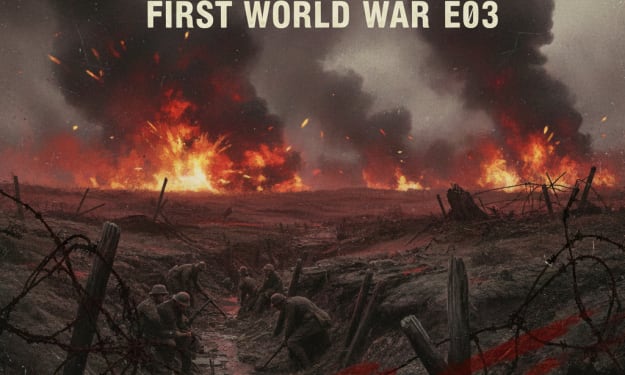
Introduction The Battle of Verdun stands as one of the most brutal and symbolic conflicts of the First World War. Fought between Germany and France from February to December 1916, this battle became the longest engagement of the war, lasting 302 days. Verdun was not just a military confrontation; it was a test of endurance, national pride, and human survival. Germany’s attempt to break French resistance ultimately failed, but the human cost was staggering.
By Muhammad waqas9 months ago in History
First world war E02,the Eastern Front and Gallipoli
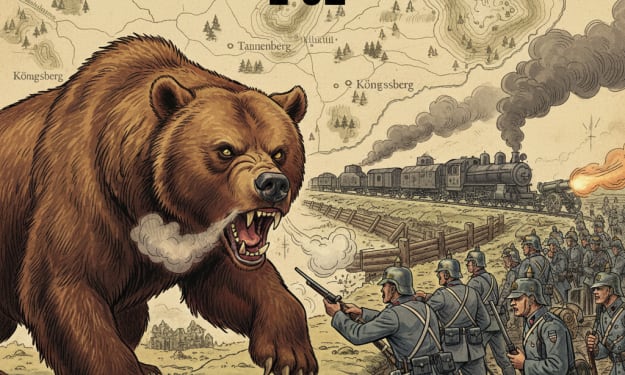
Introduction While World War I is often remembered for trench warfare on the Western Front, some of the most dramatic and decisive events unfolded far from Paris and the English Channel. On the Eastern Front and at Gallipoli, Germany and the Ottoman Empire faced overwhelming enemies but achieved astonishing victories. From the crushing defeat of Russia at the Battle of Tannenberg to the Ottoman resistance against Britain and France at Gallipoli, these campaigns reshaped the balance of power in the First World War.
By Muhammad waqas9 months ago in History