General
Ise Jingu: The Sacred Heart of Japan — Myths, Miracles, and Hidden Blessings
🏯 A Shrine Older Than Time Tucked away in the serene forests of Ise City, Mie Prefecture, lies Ise Jingu (伊勢神宮)—Japan’s most sacred Shinto shrine. Known as the “Soul of Japan,” Ise is not a single shrine but a vast complex of over 125 smaller shrines, centered around two main ones:
By Takashi Nagayaabout a year ago in History
Mesopotamia: The Cradle of Civilization
Long before modern cities and high-speed internet, before the rise of Rome or the pyramids of Egypt, there was Mesopotamia. Located between the Tigris and Euphrates rivers in what is now Iraq and Syria, Kuwait, and parts of Turkey, Mesopotamia is often called the “cradle of civilization.”
By Echoes of Lifeabout a year ago in History
Washington Black: A Courageous Struggle for Freedom on Hulu
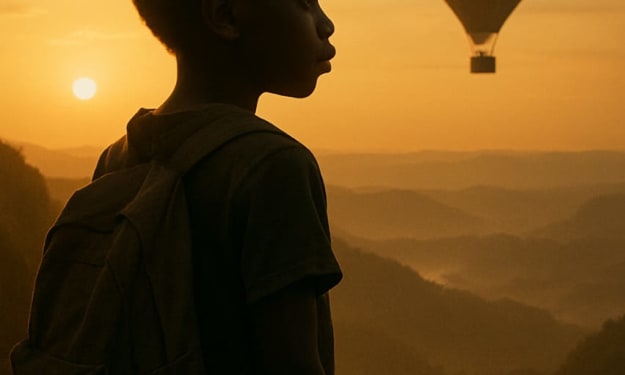
A Tale of Chains, Sky, and Soul On July 23, Hulu premiered its boldest period drama yet — Washington Black — an adaptation of Esi Edugyan’s award-winning novel. Set in the brutal era of 19th-century slavery, the show reimagines a coming-of-age tale in a world where survival is uncertain, but freedom is a dream to be pursued.
By Echoes of Lifeabout a year ago in History
Whispers in the Trenches: A Soldier’s Last Letter from World War I
Whispers in the Trenches: A Soldier’s Last Letter from World War I The mud had a way of swallowing everything. Boots, bullets, names, and even time. In the grey silence of the trenches of the Somme, 1916, Private Elias Fareed crouched low, pen trembling in his frostbitten fingers, writing what he believed might be his final letter home.
By Wings of Time about a year ago in History
The Main Reason Behind the Israel-Iran Conflict
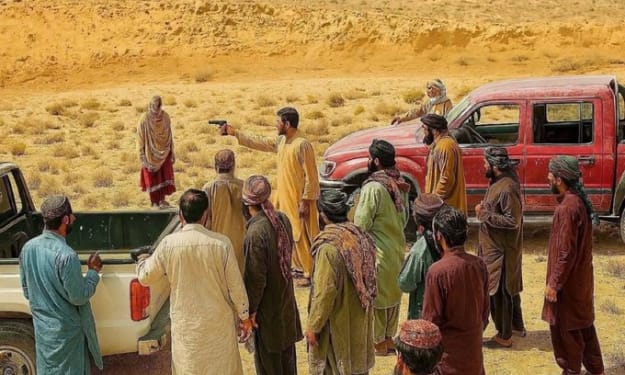
The conflict between Israel and Iran is one of the most dangerous tensions in the Middle East. It is not just about religion or politics—it’s a mix of historical distrust, security concerns, nuclear weapons, and regional influence. To understand why Israel and Iran are enemies today, we must look at real events, official statements, and international reports that clearly explain the reasons.
By Engr. Mansoor Ahmadabout a year ago in History
Scientists Discover 78,000 Year Old Neanderthal Footprint That Tells a Story of Survival.
In a groundbreaking discovery that offers a rare glimpse into the lives of our ancient cousins, scientists have uncovered a 78,000-year-old Neanderthal footprint preserved in mudflats in northern Spain. This single footprint, remarkably intact after tens of thousands of years, tells a profound story of survival, resilience, and humanity in a harsh Ice Age environment.
By Tariq jamilabout a year ago in History
The Dark Origins of Halloween: From Ancient Rituals to Modern Costumes
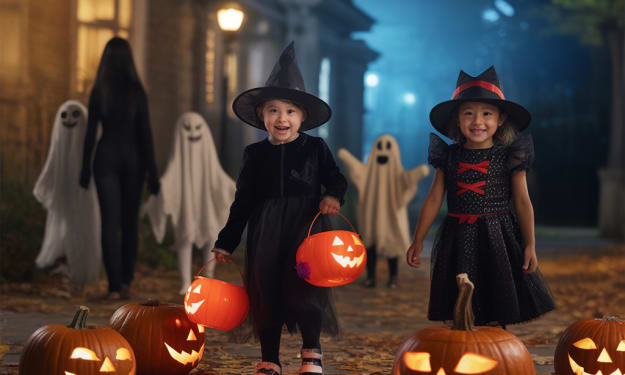
Every October 31st, streets across the world fill with children dressed as witches, skeletons, and monsters, laughing and collecting candy door-to-door. Halloween is now a fun and spooky celebration — but beneath the surface of costumes and carved pumpkins lies a deep and mysterious history rooted in ancient beliefs and dark traditions. 1. Samhain: The Celtic Festival of the Dead Halloween finds its roots in an ancient Celtic festival known as Samhain (pronounced "sow-in"). Celebrated over 2,000 years ago in what is now Ireland, the UK, and parts of France, Samhain marked the end of the harvest season and the beginning of winter — a time often associated with death. The Celts believed that on the night of October 31st, the boundary between the living and the dead became blurred. Spirits of the dead were thought to return to earth, causing mischief or even harming crops. To protect themselves, people lit bonfires, wore animal skins and frightening costumes, and offered food sacrifices to the wandering souls. 2. Roman Influence and Christian Transformation When the Romans conquered Celtic territories around 43 AD, they blended their own festivals with Samhain. Two Roman festivals — Feralia, a day to honor the dead, and Pomona, the goddess of fruit and trees — were incorporated. This may explain why apples (like in apple bobbing) became associated with Halloween. By the 7th century, the spread of Christianity brought new changes. Pope Boniface IV established All Saints' Day (also called All Hallows' Day) on November 1st to honor saints and martyrs. The night before — October 31st — became known as All Hallows’ Eve, which eventually evolved into Halloween. 3. Halloween Comes to America When Irish immigrants came to America in the 19th century, they brought Halloween traditions with them. These included carving turnips into lanterns (later replaced by pumpkins in the New World) and dressing up to scare away spirits. Over time, Halloween became more community-centered with parties, games, and festive gatherings. By the 20th century, Halloween had become a largely secular holiday in the United States, focused on trick-or-treating, haunted houses, and spooky decorations. 4. The Evolution of Costumes and Trick-or-Treating Costumes originated from the ancient belief that disguises could confuse evil spirits. During the Middle Ages, poor people in Britain would go "souling" — visiting homes and offering prayers for the dead in exchange for food. This evolved into modern trick-or-treating. By the 1950s, Halloween in America had transformed into a child-friendly event. Kids dressed up as fairytale characters, superheroes, or spooky monsters and went door-to-door for candy. Today, costume choices are endless — from classic vampires to pop culture icons. 5. Jack-o'-Lanterns: From Folklore to Front Yards One of the most iconic symbols of Halloween is the jack-o'-lantern. This tradition comes from an old Irish legend about a man named "Stingy Jack", who tricked the Devil and was doomed to wander the Earth with only a carved turnip and a burning coal to light his way. The Irish began carving scary faces into turnips to ward off Jack’s wandering soul. When immigrants came to America, they found that pumpkins — native to the continent — were perfect for carving. Thus, the modern jack-o'-lantern was born. 6. Halloween Around the World While Halloween is most popular in the United States, other countries have their own versions of this spooky holiday: Mexico celebrates Día de los Muertos (Day of the Dead) from October 31st to November 2nd, honoring deceased loved ones with altars, flowers, and feasts. In Italy, people visit cemeteries and light candles in memory of the dead. In Japan, a similar festival called Obon is held in summer to welcome ancestral spirits. Each of these customs reflects a universal human desire: to remember those who came before us and to make peace with death. 7. Modern Celebrations and Commercialization Today, Halloween is one of the biggest commercial holidays in the U.S., generating billions in spending on costumes, candy, and decorations. It has expanded beyond just children — adults host costume parties, haunted attractions draw thrill-seekers, and pop culture continues to inspire new trends every year. Social media has further boosted Halloween’s popularity, with users sharing creative makeup, spooky stories, and eerie videos. Yet, at its core, Halloween still carries echoes of its original meaning — the dance between the living and the dead, the light and the darkness. --- Conclusion: From Shadows to Sweetness Halloween has traveled a long journey from ancient bonfires and ghostly beliefs to candy buckets and superhero masks. What started as a spiritual ritual to guard against the unknown has become a night of fun, fantasy, and community. As you dress up or light a pumpkin this year, remember — you're taking part in a tradition that’s thousands of years old, bridging the past with the present in the most playful way possible.
By Atif jamal about a year ago in History
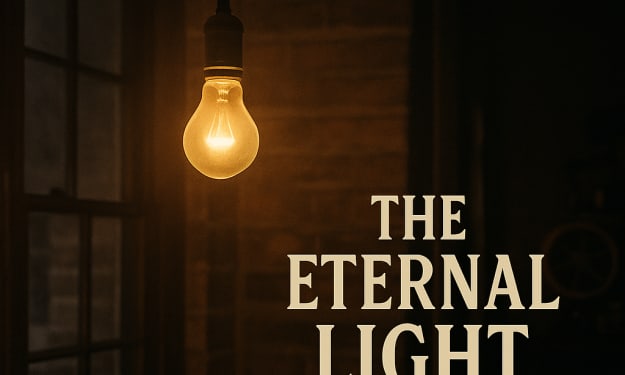
The Eternal Light: How One Bulb Outshone Time
In a quiet firehouse in Livermore, California, there’s a light that refuses to die. It glows faintly, not the harsh white glare of a modern LED, but a warm, amber halo... like the last ember in a dying fire. It’s been glowing like that for over a century, long enough to watch the world change in ways no one in 1901 could have imagined. Presidents have risen and fallen. Nations have gone to war. We’ve split the atom, walked on the moon, and unleashed smartphones into our pockets. And through all of it, in that unassuming fire station, a single fragile bulb just… keeps… burning.
By The Iron Lighthouseabout a year ago in History