Fiction
Anubis and the Heart of Eternity
For In the ancient land of Kemet, known to the world aEgypt, the gods walked among mortals, their presence felt in every breath of wind, every drop of the Nile, and every grain of sand in the vast desert. Among these gods was Anubis, the jackal-headed deity, the guardian of the dead, and the keeper of the scales. His realm was the shadowy underworld, where souls of the departed came to be judged before they could journey to the afterlife.
By Abdulhalim Majoyegbe2 years ago in History
The Green-Eyed Monster: How Online Slander Can Tarnish Your Digital Reputation
Sinopse In the age of social media, envy can be a powerful force, driving people to spread lies and tarnish reputations. This article explores how online slander, fuelled by jealousy, can significantly impact one's digital presence. Through detailed research, persuasive arguments, and fresh perspectives, we delve into the dark side of social media envy and offer practical steps to protect your reputation. --- The Rise of Envy in the Digital Age The proliferation of social media has brought the world closer together, but it has also amplified negative emotions such as envy. When envy rears its ugly head online, it often manifests in harmful ways—one of the most damaging being the spread of calumny. A seemingly innocent post can quickly spiral into a torrent of lies, undermining a person’s hard-earned reputation. But why is this happening more than ever before? The answer lies in the very nature of social media itself. Social platforms are designed to showcase the highlights of our lives, often leading to skewed perceptions and unrealistic comparisons. This can trigger envy in those who feel inadequate by comparison, prompting them to lash out. The anonymity provided by the internet further exacerbates this behaviour, allowing people to spread falsehoods with little fear of retribution. The impact on the victim can be devastating, leading to personal and professional consequences that are often difficult to reverse. --- The True Cost of Online Slander Online slander is not just an annoyance; it can have serious repercussions. Studies show that negative content spreads faster and more widely than positive content, meaning that a single lie can reach thousands, if not millions, of people in a matter of hours. This can result in lasting damage to one's personal and professional life. Employers, potential business partners, and even friends may view you differently based on the false information they come across online. Moreover, the psychological toll cannot be understated. Victims of online slander often experience anxiety, depression, and a profound sense of helplessness. The constant fear of judgment or further attacks can lead to a withdrawal from social media, or even from social interactions altogether. It’s a vicious cycle—one that begins with envy but ends with real, tangible harm to both the individual and their reputation. --- Research Insights: The Psychology Behind Online Envy Delving into the psychology of envy reveals why it is such a potent force on social media. Research suggests that envy is often triggered by feelings of inferiority, which are exacerbated by the curated nature of online content. When users constantly see others posting about their successes, it can lead to a sense of inadequacy, which in turn breeds resentment. This resentment often manifests as slander, with envious individuals seeking to bring down those they perceive as more successful. Interestingly, studies have also found that those who engage in online slander often do so to boost their own self-esteem. By attempting to damage someone else's reputation, they believe they are levelling the playing field. However, this is a temporary fix, as the underlying issues of low self-worth remain unresolved. Understanding this dynamic is crucial for anyone looking to navigate the treacherous waters of social media while maintaining their mental well-being. --- Persuasive Arguments: Protecting Your Reputation Given the serious consequences of online slander, it’s crucial to take proactive steps to protect your digital reputation. One of the most effective strategies is to build a strong, positive online presence. By consistently posting valuable content, engaging with your audience, and maintaining transparency, you can create a buffer against potential slander. The stronger your reputation, the less likely people are to believe false accusations. Furthermore, it’s important to be vigilant about monitoring your online presence. Set up Google Alerts for your name and regularly search social media platforms for any mentions. If you do come across slanderous content, act quickly to report it and, if necessary, seek legal advice. Many social media platforms have policies against defamatory content, and they can assist in getting it removed. Remember, the key is to act swiftly before the lies have a chance to spread. --- New Perspectives: Turning the Tide Against Envy While envy-driven slander is a serious issue, it also presents an opportunity to reshape the conversation around online behaviour. By promoting empathy and understanding, we can start to shift the focus from competition to collaboration. Encouraging people to celebrate each other's successes rather than tear each other down can lead to a more positive online environment. Additionally, we need to educate users, particularly younger generations, about the dangers of envy and the importance of digital etiquette. Schools and workplaces should incorporate lessons on responsible social media use, highlighting the impact that slander can have on both the victim and the perpetrator. By fostering a culture of respect and empathy, we can reduce the prevalence of envy-driven behaviour online. --- The Impact on Society: Beyond the Individual The ripple effects of online slander extend far beyond the individual. When lies are spread online, they contribute to a culture of mistrust and negativity. This can erode the very fabric of our social interactions, leading to a more divided and hostile online community. Moreover, the spread of false information can have real-world consequences, influencing public opinion and even swaying decisions on important matters. For society to thrive in the digital age, we must address the root causes of envy and slander. This involves a collective effort to promote positivity and accountability online. Social media companies have a role to play by implementing stricter policies against defamatory content and providing users with tools to report and combat slander. But ultimately, the responsibility lies with each of us to foster a more supportive and respectful online environment. --- Taking Action Against Online Slander In conclusion, the impact of envy-driven slander on social media is profound, affecting individuals and society at large. To protect your digital reputation, it’s essential to be proactive, vigilant, and empathetic. Build a positive online presence, monitor your digital footprint, and take swift action against false accusations. Most importantly, let’s work together to create a more positive and supportive online community. Don’t let envy win—take control of your online reputation today! --- Protect Your Digital Reputation—Start Today! Don’t wait for the damage to be done. Build a strong online presence, monitor your mentions, and take action at the first sign of slander. Join the movement to create a more positive online community by sharing this article and spreading awareness about the dangers of online envy. Together, we can turn the tide and foster a culture of respect and empathy on social media.
By Rafael Fiuza2 years ago in History
The Last Lantern of Ephesus
Ephesus, 262 AD The sun had begun its descent, casting long shadows across the ancient city of Ephesus. The air was thick with the scent of olive trees and the distant hum of the marketplace. Among the bustling crowd, a young woman named Lysandra walked with purpose, her tunic swaying gently with each step.
By Mohammedseid Ahmedin2 years ago in History
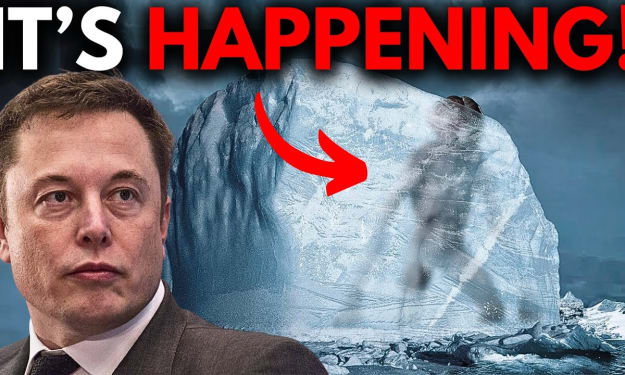
Elon Musk Unveils Antarctica's Secret Alien Coverup: Fact or Fiction?
Introduction Antarctica, the coldest and most remote continent on Earth, has long been a place of mystery and speculation. From hidden pyramids to secret military bases, the icy expanse has fueled countless theories and conspiracies. Recently, tech visionary Elon Musk has added fuel to these speculations by hinting at a secret alien coverup beneath the Antarctic ice. But how much of this is grounded in reality, and how much is mere science fiction? This article delves into the claims made by Musk, exploring the evidence, the theories, and the implications of such a revelation.
By ROSEL ETUWE2 years ago in History
The House on Maple Drive
**The House on Maple Drive** In the humble community of Elmswood, where fall's chill gripped to the roads like a memory, there was a house toward the finish of Maple Drive that appeared to be immaculate by time. Its red block facades and ivy-clad façade had seen many seasons, yet it was individuals who lived there that made it really important.
By Arif zaman2 years ago in History
The Roman Aqueducts: Engineering Marvels of the Ancient World
The Roman Empire, known for its grandeur and impact, become a civilization that left an indelible mark on history. Among its many contributions to the sector, one of the maximum extraordinary and enduring is the Roman aqueduct machine. This complex network of water channels, constructed over centuries, revolutionized urban water supply and demonstrated the Romans' superior engineering skills. In this sizable exploration, we are able to delve into the records, production, and effect of Roman aqueducts, imparting a comprehensive expertise in their significance in the historic world and their legacy in cutting-edge engineering.
By david jones2 years ago in History
Slavery in Africa
of Chains Chapter 1: The Village by the River The sun was high, casting long shadows over the dense forests that bordered the small village of Luhwa. Nestled near a gentle river, the village was alive with the sounds of laughter, bustling market stalls, and the rhythmic pounding of pestles in mortars as women prepared the day’s meals. Children played freely, their bare feet pattering against the earth as they chased one another in games of tag and hide-and-seek.
By Ozoume Cynthia Obianuju 2 years ago in History
Why We Prefer Pleasant Lies Over Harsh Truths: A Tale of Deception
In a world where truth often comes wrapped in a harsh veneer, it's a peculiar fact that many of us find solace in pleasant lies rather than embracing the sometimes painful reality. This article delves into why we gravitate towards comforting fabrications, exploring the psychological and social facets that make pleasant lies so appealing. Through a compelling narrative, we’ll uncover the intriguing reasons behind this preference and the effects it has on our lives. Prepare to explore the seductive charm of deception and its impact on our quest for truth. The Temptation of Sweet Lies Imagine a world where every conversation is drenched in brutal honesty. For many, the idea alone is discomforting. We naturally crave reassurance and affirmation, which pleasant lies readily provide. When someone tells us what we want to hear, it's like receiving a warm hug for our ego. The allure of these lies lies in their ability to soothe and placate, offering a temporary escape from the harsh realities we might otherwise face. This initial comfort is why we often choose to indulge in these deceptive pleasures. It’s a psychological refuge that temporarily shields us from life's challenges, providing an easy, if misleading, pathway to contentment. The Psychology Behind Deception The human psyche is complex, and our attraction to pleasant lies is deeply rooted in psychological mechanisms. Cognitive dissonance plays a significant role here; when faced with a truth that conflicts with our self-image or desires, we experience discomfort. Pleasant lies provide a way to avoid this dissonance, allowing us to maintain our self-esteem and avoid confronting uncomfortable truths. This psychological shield makes the allure of pleasant lies almost irresistible, as they align with our emotional needs and help us avoid internal conflict. By offering a comforting alternative to reality, these lies help us preserve our mental equilibrium. Social Dynamics and the Role of Validation Social interactions are another arena where pleasant lies thrive. We often seek validation from others, and flattering lies can provide a quick boost to our self-worth. When someone tells us what we want to hear, it reinforces our beliefs and desires, making us feel valued and understood. This validation is particularly appealing in social contexts where honesty might lead to conflict or discomfort. Thus, the social rewards of pleasant lies make them a tempting choice, reinforcing their appeal in everyday interactions. By aligning with our expectations, these lies help maintain social harmony, even if it means sacrificing a dose of truth. The Downside of Living in a Bubble However, living in a bubble of pleasant lies can have significant downsides. While these lies offer temporary comfort, they can prevent us from facing important truths that might lead to personal growth or necessary changes. By avoiding harsh realities, we may miss opportunities for improvement or fail to address underlying issues that need attention. This bubble, while comforting, can ultimately hinder our progress and keep us from living a more authentic and fulfilling life. The safety net of deception might shield us from immediate discomfort, but it can also prevent us from achieving long-term success and happiness. The Consequences of False Reassurance Relying on pleasant lies can also have detrimental effects on our relationships. When the truth eventually surfaces, the revelation can be more jarring and damaging than if it had been faced earlier. The breach of trust and the feelings of betrayal can strain relationships, leading to conflict and emotional distress. Thus, while pleasant lies might offer short-term relief, they can jeopardize long-term trust and emotional stability. The eventual fallout from these deceptions can be far more severe than the discomfort of facing the truth, underscoring the importance of honesty in maintaining healthy and lasting relationships. Embracing the Harsh Truth Despite the allure of pleasant lies, embracing the harsh truth can be liberating. It allows for genuine growth and self-improvement, offering a clearer perspective on our situations and ourselves. Accepting uncomfortable truths can lead to better decision-making and healthier relationships. Although it may be difficult initially, facing reality head-on can ultimately lead to a more fulfilling and authentic life, free from the constraints of deception. By confronting and accepting the truth, we pave the way for meaningful progress and personal development, enhancing our overall well-being.
By Rafael Fiuza2 years ago in History
Origin Story of The Resonant
**Origin Story of *The Resonant*** Dr. Lyra Monroe was no stranger to the rumblings of the Earth. As a renowned geophysicist, her life was dedicated to understanding the planet’s seismic activity. From a young age, she was captivated by the power and mystery of earthquakes, the way the Earth could unleash its energy with such raw, untamed force. It was a fascination that drove her through years of education and research, leading her to the most dangerous and remote locations on the planet.
By Abdirahman Egeh2 years ago in History
The Wonders of Earth: Our Unique and Beautiful Planet 🌍
The Earth, our home, is a planet like no other. It’s a vibrant, dynamic world teeming with life, diverse landscapes, and fascinating natural phenomena. From the towering mountains to the depths of the oceans, Earth’s beauty is unmatched. But there’s more to our planet than just its picturesque scenes. The Earth is a complex, living system that sustains billions of species, including us, and offers endless mysteries to explore. In this article, we’ll dive into some of the most captivating aspects of our planet—its formation, unique features, ecosystems, and the challenges it faces today. Whether you’re a nature enthusiast, a science lover, or simply curious about the world around you, there’s something here for everyone. Let’s embark on this journey together! 1. The Formation of Earth: A Fiery Beginning The story of Earth began about 4.5 billion years ago when it was born from the dust and gas surrounding the young Sun. This primordial material collided and fused, forming a molten ball that would eventually become our planet. During its early years, Earth was a chaotic, fiery place, with intense volcanic activity and constant bombardment by space debris. Over time, the Earth cooled, and its surface began to solidify, forming a crust. The heaviest elements sank to the center, creating the core, while lighter materials floated to the surface. This differentiation led to the formation of Earth's layered structure: the crust, mantle, and core, each with distinct properties and functions. One of the most critical events in Earth’s early history was the formation of the Moon. The prevailing theory suggests that a Mars-sized body collided with the young Earth, and the debris from this collision coalesced to form the Moon. This event not only gave us our natural satellite but also played a significant role in stabilizing Earth’s rotation, contributing to the development of a stable climate. 2. Earth’s Unique Features: A Planet of Water and Life What makes Earth truly unique in our solar system is its abundance of water and life. About 71% of Earth’s surface is covered by water, mostly in the form of oceans. These vast bodies of water regulate the planet’s climate, support a wide range of ecosystems, and provide the necessary conditions for life as we know it. Water on Earth exists in three states—liquid, solid (ice), and gas (water vapor)—and constantly cycles through the environment in the water cycle. This process of evaporation, condensation, and precipitation plays a crucial role in maintaining the planet’s climate and supporting life. Speaking of life, Earth is the only known planet in the universe that harbors life. From the simplest microorganisms to the largest mammals, our planet supports an astonishing variety of species. This biodiversity is sustained by the Earth’s atmosphere, which provides the oxygen we breathe, protects us from harmful solar radiation, and helps regulate temperature through the greenhouse effect. The Earth’s atmosphere is composed mainly of nitrogen (78%) and oxygen (21%), with trace amounts of other gases like carbon dioxide and methane. These gases are critical for maintaining the delicate balance that allows life to thrive. The ozone layer, for example, absorbs the majority of the Sun’s harmful ultraviolet rays, shielding life on Earth from potential damage. 3. The Dynamic Earth: A Planet of Constant Change The Earth is not a static body; it is constantly changing, both on the surface and within. The most visible changes occur through geological processes such as plate tectonics, erosion, and volcanic activity. Plate Tectonics: The Engine of Change The Earth’s crust is divided into large pieces called tectonic plates, which float on the semi-fluid layer of the mantle below. These plates are in constant motion, driven by the heat from the Earth’s interior. The movement of tectonic plates is responsible for the formation of mountains, earthquakes, and the drifting of continents over millions of years—a process known as continental drift. For instance, the Himalayas, the world’s highest mountain range, were formed by the collision of the Indian and Eurasian plates. Similarly, the Pacific Ring of Fire, a region around the Pacific Ocean, is known for its frequent earthquakes and volcanic activity due to the interaction of several tectonic plates. Erosion: Shaping the Landscape Erosion is another powerful force that shapes the Earth’s surface. Wind, water, and ice gradually wear down mountains, carve out valleys, and create new landforms. Rivers, for example, erode the land they flow through, creating canyons like the Grand Canyon in the United States, which offers a glimpse into the planet’s geological history. Volcanic Activity: The Creator and Destroyer Volcanic eruptions are dramatic reminders of Earth’s dynamic nature. While they can be destructive, they also play a vital role in creating new land and releasing gases trapped within the Earth’s interior. Islands like Hawaii were formed by volcanic activity, and fertile soils in many regions are the result of past volcanic eruptions. 4. Earth’s Diverse Ecosystems: A Tapestry of Life Earth’s varied climates and landscapes have given rise to an incredible diversity of ecosystems, each with its own unique communities of plants and animals. Tropical Rainforests: The Lungs of the Earth Tropical rainforests, located near the equator, are some of the most biodiverse ecosystems on Earth. These lush, green forests are home to more species than any other ecosystem, earning them the nickname “the lungs of the Earth” because of their role in producing oxygen and absorbing carbon dioxide. The Amazon Rainforest, the largest in the world, is often referred to as the planet’s green heart, playing a crucial role in regulating global climate. Deserts: The Survivors' Haven Deserts, with their extreme temperatures and scarce water, might seem inhospitable, but they are home to a surprising variety of life. From cacti to camels, the organisms that inhabit deserts have adapted to survive in harsh conditions. The Sahara, the largest hot desert, and Antarctica, the largest cold desert, illustrate the diversity found in these seemingly barren landscapes. Oceans: The Final Frontier The oceans cover more than two-thirds of Earth’s surface and are home to an incredible array of life forms, from tiny plankton to the largest animals on Earth, such as blue whales. Coral reefs, often called the “rainforests of the sea,” are particularly rich in biodiversity, providing habitat for thousands of species. 5. The Challenges Facing Earth: A Call to Action Despite its resilience, Earth faces significant challenges that threaten its ecosystems and the life they support. Human activities, such as deforestation, pollution, and the burning of fossil fuels, are altering the planet’s climate and degrading natural habitats at an alarming rate. ### Climate Change: The Defining Challenge Climate change, driven by the increase in greenhouse gases, is leading to rising global temperatures, melting ice caps, and more frequent extreme weather events. This not only affects natural ecosystems but also has serious implications for human societies, particularly those in vulnerable regions. ### Biodiversity Loss: The Silent Crisis The loss of biodiversity, often due to habitat destruction and climate change, is another critical issue. Many species are at risk of extinction, which could have cascading effects on ecosystems and the services they provide, such as pollination, water purification, and climate regulation. ### Pollution: A Global Threat Pollution, from plastic waste to toxic chemicals, is contaminating air, water, and soil, posing a threat to all forms of life. Oceans, in particular, are suffering from plastic pollution, which harms marine life and disrupts ecosystems. Conclusion: Our Role in Protecting Earth The Earth is a remarkable planet, full of beauty, diversity, and wonder. But it is also a fragile system that requires our care and respect. As we continue to explore and understand our planet, it’s crucial that we also take steps to protect it. Sustainable practices, conservation efforts, and a commitment to reducing our environmental impact are essential if we want to preserve the Earth for future generations. By appreciating the wonders of our planet and recognizing the challenges it faces, we can all contribute to a more sustainable and harmonious future. After all, Earth is not just our home—it’s a shared legacy that we must protect.
By Nwafuru ifesinachi paschal2 years ago in History