Fiction
Rickshaw: A Symbol of Bangladesh’s Living Heritage
Rickshaws and their vibrant paintings have officially been recognized as a part of humanity’s intangible cultural heritage by UNESCO. This milestone highlights the profound cultural significance of rickshaws, which have become emblematic of life in Dhaka and beyond. But what truly sets them apart as a symbol of Bangladesh’s intangible heritage?
By Tuhin Sarwar2 years ago in History
Once You Eat Malida Made from Millet Roti
Indian cuisine is a treasure trove of flavors, textures, and culinary traditions. Among its countless offerings, churma has been a beloved dish in North India, often served alongside dal bati. But have you ever tasted malida made from millet roti? If not, you’re missing out on a rustic delicacy that’s as nutritious as it is delicious. Once you experience the earthy, wholesome taste of malida, churma might just become a memory.
By Kamran Sunan2 years ago in History
Sometimes Plastic, Sometimes Plants: Why Does Urfi Javed Wear Such Strange Clothes?
Urfi Javed is a name synonymous with boldness, creativity, and controversy in the Indian entertainment industry. Whether she’s draped in a dress made of plastic, adorned with leaves, or experimenting with an outfit crafted from safety pins, Urfi has a knack for turning heads. But her eccentric fashion sense often sparks a debate: Why does she wear such unconventional clothes? Is it a bid for attention, a statement of artistic expression, or something deeper? Let’s delve into the phenomenon of Urfi Javed and explore the reasons behind her unique wardrobe choices.
By Kamran Sunan2 years ago in History
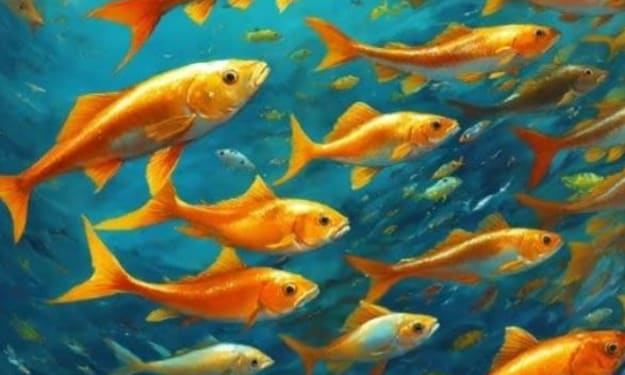
Why Did the Fish Run Away in the Sea of Mumbai?
Mumbai, India’s vibrant metropolis, has long been celebrated for its bustling cityscape and its lifeline: the Arabian Sea. Beyond its aesthetic allure, the sea has historically been a cradle of biodiversity and a vital source of livelihood for millions. However, over recent years, an alarming trend has surfaced—the noticeable decline in fish populations near Mumbai’s coastline. Fisherfolk, marine biologists, and environmentalists are increasingly asking the same poignant question: Why are the fish running away?
By Kamran Sunan2 years ago in History
Would We Even Exist Without Wool? A Chilling Truth. AI-Generated.
The Baa-rilliant History of Wool: A Sheep-Shaped Saga of Survival The history of humanity is intricately woven with the woolly tale of sheep. From the frigid grip of the Ice Age to the bustling factories of the Industrial Revolution, sheep have provided us with more than just a delicious Sunday roast. Their fleece, a miraculous gift of nature, has been our steadfast companion in the eternal struggle against the cold, shaping our lives, our cultures, and even our very destinies. Imagine a world without the comforting warmth of a woolen sweater on a crisp autumn day. A world where shivering through winter was the norm, and fashion was limited to crude animal skins. This chilling reality could have been our fate had it not been for the ingenuity of our ancestors, who recognized the potential of sheep's fleece and harnessed its power to transform human existence. In the primordial dawn of humanity, when our ancestors huddled around flickering fires in ice-age caves, wool offered a lifeline against the unforgiving cold. Crudely fashioned into cloaks and rudimentary garments, it provided a crucial layer of insulation, allowing our species to venture further from the warmth of the hearth and explore the vast, icy landscapes. This newfound mobility opened up new hunting grounds, expanded our territories, and ultimately paved the way for the development of early civilizations. One can only imagine the struggles of our early ancestors without wool. Imagine trying to hunt woolly mammoths while wearing nothing but a fig leaf (or perhaps a particularly enthusiastic attempt at leaf-stitching). The sheer volume of shivering would have likely deterred even the most determined hunter. And let's not forget the social implications. Dating would have been a frigid affair, with courtship rituals consisting mostly of desperate attempts to huddle closer to the fire. As human societies evolved, so too did our appreciation for wool. In the Bronze Age, when artisans first mastered the art of metalworking, wool became a symbol of wealth and status. Sumptuous woolen robes, intricately woven with gold and silver threads, adorned the shoulders of kings and queens, while the common folk made do with coarser, less fashionable garments. Wool, once a simple necessity, had become a marker of social distinction, a testament to one's place in the hierarchical order of society. One can only imagine the fashion faux pas of the Bronze Age without wool. Imagine kings and queens shivering in their loincloths, trying to maintain their regal bearing while battling the elements. The concept of "royal chills" would have become a serious public health concern, leading to a booming market for "royal-sized" fur pelts (though the environmental impact would have been catastrophic). The Middle Ages, a period of knights and chivalry, saw wool take on a new role – that of a warrior's armor. Beneath the gleaming plate of a knight's armor, layers of woolen undergarments provided vital protection against the cold, damp conditions of the battlefield. These garments, often infused with herbs and spices to ward off infection, helped countless warriors survive the rigors of medieval warfare, ensuring the continuity of dynasties and the preservation of kingdoms. Without wool, medieval warfare would have been a truly miserable affair. Knights would have spent more time shivering than jousting, and battles would have been decided not by bravery but by who could find the warmest rock to huddle behind. The phrase "braving the cold" would have taken on a whole new, more literal meaning, and the concept of "chivalry" might have been redefined to include "finding the warmest spot on the battlefield." The Industrial Revolution ushered in a new era of prosperity, and with it, a revolution in the production of wool. The advent of mechanized looms and spinning machines transformed the wool industry, making woolen garments more affordable and accessible to the masses. For the first time, ordinary people could enjoy the comfort and warmth of woolen clothing, from sturdy workwear to cozy Sunday best. This democratization of wool not only improved the quality of life for millions but also fueled the growth of a thriving textile industry, creating jobs and driving economic progress. Imagine a world without cozy woolen socks on a cold winter's day. A world where your feet were perpetually frozen, and the joy of snuggling up in a warm blanket was a distant, unattainable dream. It's a chilling thought, indeed. Today, in the 21st century, wool continues to hold a place of honor in our lives. From the high-fashion runways of Milan and Paris to the cozy corners of our homes, wool remains a cherished material, prized for its natural beauty, exceptional warmth, and remarkable versatility. Whether it's a luxurious cashmere scarf, a handcrafted woolen rug, or a finely tailored suit, wool adds a touch of elegance and sophistication to our lives. But the story of wool is more than just a tale of fashion and comfort. It is a testament to the enduring power of nature, a reminder of our deep connection to the natural world, and a celebration of human ingenuity. By harnessing the gifts of nature, we have not only survived but thrived, transforming ourselves from nomadic hunter-gatherers into a global civilization. And at the heart of this remarkable journey lies the humble sheep, a creature whose fleece has warmed us, clothed us, and ultimately shaped the course of human history. So the next time you snuggle up in a warm woolen sweater, take a moment to appreciate the remarkable journey of this incredible material. And remember, without the humble sheep, humanity might still be shivering in caves, trying to invent a more efficient way to rub two sticks together.
By Vishnu venugopal 2 years ago in History
The Story of the Battle of al-Qadisiyyah: The Beginning of the Conquest of Persia
The Story of the Battle of al-Qadisiyyah: The Beginning of the Conquest of Persia Introduction The Battle of al-Qadisiyyah is one of the greatest battles in Islamic history, and represents a significant turning point in the Islamic conquests. This battle took place between the Muslims led by Saad ibn Abi Waqqas and the army of the Persian Sassanid Empire in 636 AD (15 AH). It ended with a crushing victory for the Muslims and paved the way for the complete conquest of Persia. In this article, we will review the details of the Battle of al-Qadisiyyah, its causes, events, results, and lessons learned from it.
By 💓 Pulse of Stories 💓2 years ago in History
Basus War: The Story of the Longest Tribal Conflict in Arab History
Basus War: The Story of the Longest Tribal Conflict in Arab History Introduction The Basus War is one of the most prominent tribal wars witnessed by ancient Arab history. This war lasted for more than forty years between the Taghlib and Bakr tribes in the Arabian Peninsula, and left a great impact on Arab culture and history. In this article, we will discuss the story of this war in detail, its causes, its most prominent events, and its lessons.
By 💓 Pulse of Stories 💓2 years ago in History
Battle of Stalingrad: The Turning Point of World War II
Battle of Stalingrad: The Turning Point of World War II Introduction The Battle of Stalingrad is one of the most important battles in modern history, and was a decisive turning point in World War II. This battle took place between the German army and the Soviet forces over a period of six months from 1942 to 1943. This battle witnessed massive human losses and events that changed the course of the war. In this article, we will review the background of the battle, its details, and its great impact on the course of history.
By 💓 Pulse of Stories 💓2 years ago in History
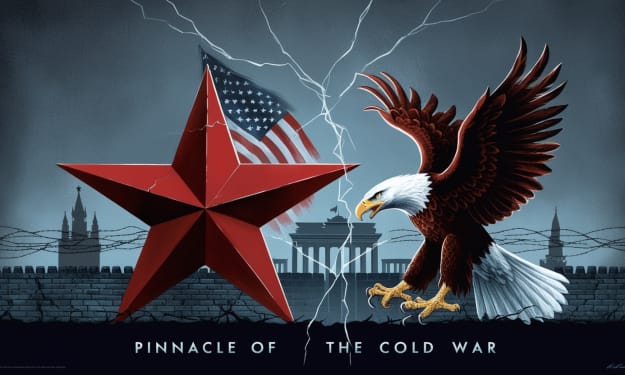
The Cold War: The Superpower Clash of the 20th Century
The Cold War: The Superpower Clash of the 20th Century Introduction The Cold War was one of the most influential periods in modern history. It lasted from the end of World War II in 1945 until the dissolution of the Soviet Union in 1991. This non-military conflict between the United States and the Soviet Union left a lasting impact on global politics, economics, and culture. In this article, we will delve into the details of this conflict that shaped the world as we know it today.
By 💓 Pulse of Stories 💓2 years ago in History