Discoveries
The Lost Treasure of the Nizam: India’s Forgotten Fortune
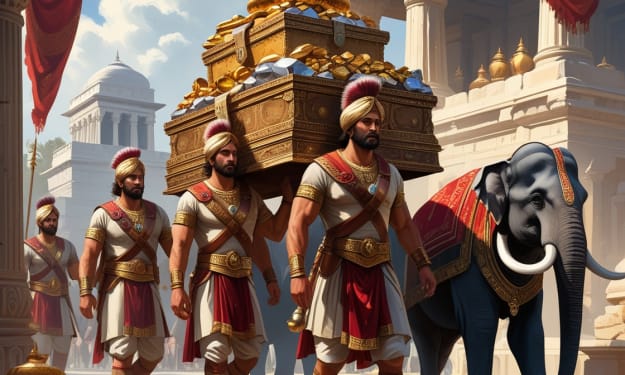
The Abandoned Fortune of the Nizam of Hyderabad: India's Overlooked Wealth India possesses a profound history of sovereigns who accumulated extensive wealth, yet few rivaled the affluence of the Nizams of Hyderabad. The Nizam's treasure was regarded as one of the most precious globally, comprising gold, diamonds, pearls, and unique artifacts. While some of this wealth is well-recorded, a considerable portion remains obscured or unaccounted for. This article examines the origins, magnitude, and destiny of the Nizams' lost treasures. Who Were the Nizams? The Nizams presided over Hyderabad from 1724 to 1948. Initially appointed as the Subedars (governors) of the Deccan within the Mughal Empire, they later declared sovereignty and founded their own dynasty. Over the centuries, the Nizams amassed immense wealth through their dominion over the Golconda diamond mines, one of the most lucrative sources of diamonds globally. By the dawn of the 20th century, the final reigning Nizam, Mir Osman Ali Khan, was acknowledged as the wealthiest individual on the planet. His fortune was approximated at $2 billion (equivalent to over $200 billion today). He possessed a vast array of gold, diamonds, and other valuable items, including the renowned Jacob Diamond, an 185-carat gem that he utilized as a paperweight. The Wealth and the Lost Treasure The Nizams' affluence was so enormous that their treasure chambers brimmed with gold ingots, diamonds, pearls, and rare artifacts from across the globe. Among the most notable treasures were: The Jacob Diamond – One of the largest diamonds worldwide, valued at hundreds of millions of dollars today. Golconda Diamonds – The origin of illustrious diamonds such as the Koh-i-Noor and the Hope Diamond. Pearl Collection – Hyderabad was famously dubbed the "City of Pearls," and the Nizams boasted an unmatched collection of exquisite pearls. Gold and Silver Reserves – Reports indicate that the Nizams held thousands of gold bars and silver coins concealed in subterranean chambers. Antique Weapons and Artifacts – Swords, daggers, and shields adorned with jewels formed part of their royal assemblage. While some of these treasures have been documented, many remain elusive. Over the years, portions of the fortune were plundered, smuggled, or concealed. Some accounts suggest that clandestine underground vaults continue to harbor treasures that have yet to be discovered. The Disappearance of the Treasure Upon India's independence in 1947, Hyderabad remained a princely state. However, in 1948, the Indian government initiated Operation Polo, a military campaign to incorporate Hyderabad into India. The Nizam was compelled to capitulate, and his financial resources came under investigation. During this time, various theories emerged regarding the fate of his concealed wealth: Smuggled Abroad – It is believed that a substantial portion of the treasure was clandestinely transferred to foreign banks, notably in London and Switzerland. Buried in Secret Vaults – Speculation endures that subterranean chambers beneath the Nizam's palaces still harbor vast treasures. Looted and Sold Illegally – During and subsequent to the annexation, it is presumed that numerous valuable items were pilfered or illegally marketed through black market avenues. Transferred to the Administration – Several of the Nizam’s recognized possessions were confiscated by the Indian administration, but there is no definitive documentation regarding the fate of all of them. Contemporary Investigations and Unresolved Inquiries In recent years, treasure seekers, scholars, and even the Nizam’s heirs have endeavored to track down the missing riches. Some assertions indicate that vaults beneath Hyderabad’s Chowmahalla Palace and Falaknuma Palace may still harbor concealed treasures. Nonetheless, these locales remain unexamined without formal consent. Furthermore, the legal dispute over the Nizam’s possessions persists. In 2019, a UK tribunal ruled in favor of India and Pakistan concerning a contested £35 million that belonged to the last Nizam, underscoring how portions of the wealth are still being litigated in courts globally.
By Say the truth about a year ago in History
Alexander the Great and Tutankhamun: Legends of Power and Mystery
Alexander the Great and Tutankhamun: A Chronicle of Two Icons in History Alexander the Great and Pharaoh Tutankhamun emerge as two of history’s most intriguing personalities. Although they existed over a millennium apart and governed in distinct regions of the world, their names persist in captivating the imagination due to their extraordinary legacies, enigmatic demises, and substantial impact on ancient civilization. While Alexander was a conqueror who established one of the largest empires in history, Tutankhamun was a youthful monarch whose tomb’s unearthing redefined contemporary Egyptology. This article delves into their lives, reigns, and the legends that envelop them. Tutankhamun: The Young Monarch of Egypt Early Life and Ascendancy Tutankhamun, frequently referred to as "King Tut," was born circa 1341 BCE during the 18th Dynasty of Ancient Egypt. He assumed the throne at the tender age of nine following the demise of his presumed father, Pharaoh Akhenaten, whose religious reforms unsettled Egyptian society. Under Tutankhamun’s governance, Egypt initiated the restoration of the ancient deities and temples after Akhenaten’s controversial singular worship of the sun god Aten. Despite his brief reign, which endured for approximately ten years (1332–1323 BCE), Tutankhamun is renowned today not for his accomplishments as a sovereign but for the finding of his nearly undisturbed tomb in 1922 by Howard Carter. The Enigma of His Passing Tutankhamun’s passing at around 19 years of age remains one of the most profound enigmas in Egyptology. Scholars have speculated whether he perished due to illness, a chariot mishap, or even foul play. CT scans of his mummy indicate a fractured leg, which may have led to an infection, yet no conclusive cause has been determined. Tutankhamun’s Tomb and Riches King Tut’s tomb in the Valley of the Kings housed over 5,000 artifacts, comprising a solid gold coffin, a renowned golden death mask, chariots, weaponry, and jewelry. The vast wealth entombed with him provides historians with unparalleled insight into Ancient Egypt’s funerary customs and royal affluence. Alexander the Great: The Conqueror of the World Early Life and Military Acumen Born in 356 BCE in Macedonia, Alexander received tutelage from the philosopher Aristotle and was groomed to be a warrior from an early age. At the mere age of 20, he ascended to kingship following the assassination of his father, King Philip II. Alexander promptly embarked on an endeavor to expand his empire, initiating a series of military campaigns that would render him one of history’s most formidable military strategists. The Conquest of Egypt and Establishment of Alexandria In 332 BCE, Alexander invaded Egypt, where he was embraced as a liberator from Persian domination. The Egyptians hailed him as Pharaoh, and he established Alexandria, which would evolve into a significant hub of learning, trade, and culture in the ancient world. His deference to Egyptian customs enabled him to earn the allegiance of the populace. The Most Extensive Empire of the Ancient World Alexander's dominion extended from Greece to Egypt, Persia, and India, encompassing over 2 million square miles. His capacity to adjust to diverse cultures facilitated his governance over his extensive conquests. However, after more than a decade of military campaigns, his forces became fatigued, and he was compelled to retreat from further advancement into India. The Enigma of Alexander’s Demise In 323 BCE, at merely 32 years of age, Alexander became ill and passed away in the palace of Nebuchadnezzar II in Babylon. Speculations range from malaria, typhoid fever, poisoning, or an autoimmune illness. His remains were subsequently interred in a splendid golden sarcophagus and transported to Alexandria, where it was exhibited for centuries before vanishingcontributing to the narrative surrounding his death. Connections Between Alexander and Tutankhamun Despite their disparities in chronological era and governance, Alexander and Tutankhamun possess numerous fascinating parallels: Both perished young (Tutankhamun at 19, Alexander at 32). Both bequeathed significant treasures, with King Tut’s tomb being the most affluent ancient burial ever uncovered and Alexander’s lost tomb still regarded as one of history’s profound enigmas. Both were associated with Egypt, with Tutankhamun being one of its indigenous pharaohs and Alexander ruling Egypt as an external conqueror. Both experienced ambiguous deaths, inciting centuries of discourse. Legacy and Influence The discovery of Tutankhamun’s tomb in 1922 sparked global intrigue in Ancient Egypt, impacting art, literature, and popular culture. Conversely, Alexander’s conquests influenced the trajectory of history, disseminating Greek culture and ideas across extensive territories, culminating in the Hellenistic period. His influence can still be observed in the numerous cities named in his honor, including Alexandria, Egypt. Conclusion Although Alexander the Great and Tutankhamun existed in distinct eras and had markedly different effects, both left behind lasting legacies that continue to enthrall historians and the general public alike. Whether through Tutankhamun’s golden artifacts or Alexander’s military achievements, these two leaders remain timeless emblems of authority, enigma, and magnificence.
By Say the truth about a year ago in History
The Grand Majesty: India’s Largest Palace Ever Built
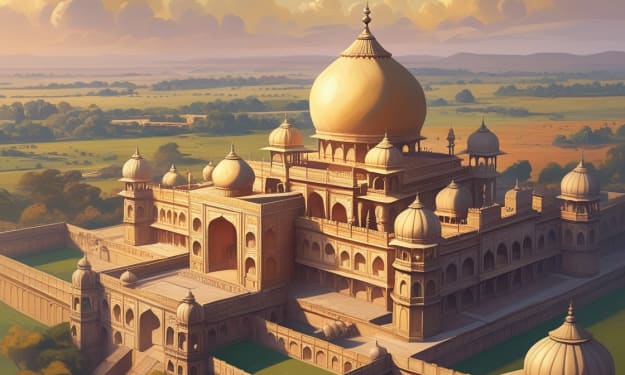
The Grandeur of Mysore: The Most Majestic Palace Ever Constructed in India India is a realm of splendor and architectural wonders, featuring some of the most lavish palaces globally. Among these, the Mysore Palace emerges as the largest and most splendid ever erected in India. It serves not solely as a symbol of the royal legacy of the Wadiyar dynasty but also as an emblem of the nation's rich architectural heritage. From its extensive expanse to the considerable human resources and duration dedicated to its creation, Mysore Palace persists as one of the most magnificent edifices in India. Historical Context The Mysore Palace, commonly referred to as the Amba Vilas Palace, is situated in the center of Mysore, Karnataka. It acts as the official residence of the Wadiyar dynasty, which governed the Kingdom of Mysore for more than five centuries. The structure that exists today was constructed following a catastrophic fire in 1897 that consumed the prior wooden edifice during the nuptials of Princess Jayalakshmi Ammanni. The then Maharaja, Krishnaraja Wadiyar IV, appointed British architect Henry Irwin to devise and supervise the building of the new palace, which reached completion in 1912. Expanse and Design
By Say the truth about a year ago in History
The History of the Biggest Palace Ever Built. AI-Generated.
The Most Magnificent Palace Ever Erected: A Testament of Affluence, Authority, and Heritage Throughout the annals of history, magnificent palaces have been constructed to exhibit the affluence and authority of empires and sovereigns. Some of these architectural wonders have endured the passage of time, while others have diminished into obscurity. Nevertheless, one palace eclipses all others regarding dimensions, grandeur, and historical importancethe Forbidden City in Beijing, China. This article delves into the history of the Forbidden City, its construction, relevance, and how it contrasts with other palaces throughout the ages. The Forbidden City: The Most Expansive Palace Complex in History The Forbidden City, situated in the center of Beijing, China, is the most extensive palace complex ever created. Spanning approximately 180 acres (720,000 square meters), it comprises 980 extant edifices featuring over 8,700 chambers. Erected during the early Ming Dynasty, this palace functioned as the imperial domicile of 24 emperors for nearly five centuries, from the Ming Dynasty (1368–1644) to the Qing Dynasty (1644–1912). Construction of the Forbidden City Initiated by: Emperor Yongle of the Ming Dynasty in 1406. Finalized in: 1420. Labor Force: In excess of 1 million laborers, including 100,000 proficient craftsmen. Materials Utilized: Millions of bricks and timber beams. Golden roof tiles imported from various regions of China. White marble transported from quarries located hundreds of miles away. Special nanmu wood obtained from dense forests. The construction required 14 years, with artisans and engineers devising a structure reflecting Chinese cosmic and philosophical principles, particularly Feng Shui and Confucian thought. Symbolism and Design The Forbidden City was carefully conceived and organized to embody the emperor's celestial power. Some distinct characteristics of the palace encompass: Hall of Supreme Harmony: The largest wooden edifice in China, utilized for significant state ceremonies. The Meridian Gate: The primary entrance, symbolizing the emperor's supreme authority. Nine Dragons Screen: A symbolic barrier that wards off malevolent spirits. Golden Roofs: Exclusively employed for imperial structures to denote the emperor’s divine status. Comparison to Other Noteworthy Palaces 1. Versailles Palace (France) Constructed by: Louis XIV in the 17th century. Dimensions: 87,728 square meters (~21 acres). Renowned for: The Hall of Mirrors, expansive gardens, and opulent Baroque architecture. 2. Buckingham Palace (United Kingdom) Originally Built: As Buckingham House in 1703, expanded in the 19th century. Dimensions: 77,000 square meters (~19 acres). Prominent Features: Official residence of the British monarchy, housing 775 rooms, and the iconic Changing of the Guard ceremony. 3. Topkapi Palace (Turkey) Built by: Sultan Mehmed II in 1465. Dimensions: 700,000 square meters (~173 acres, featuring open courtyards, unlike the Forbidden City). Significance: The administrative hub of the Ottoman Empire for over four centuries. Despite the grandeur of these palaces, none rival the vast scale and historical profundity of the Forbidden City. The Forbidden City’s Role in History From the Ming Dynasty to the decline of the Qing Dynasty, the Forbidden City remained the political and cultural core of China. Notable events include: Ming Dynasty governance (1368–1644): The palace was the nucleus of Chinese administration and culture. Qing Dynasty reign (1644–1912): Manchu rulers assumed control, maintaining the city's relevance. Dissolution of the Qing Dynasty (1912): Emperor Puyi abdicated, signifying the conclusion of imperial rule in China. Preservation as a museum (1925–Present): Currently referred to as the Palace Museum, drawing millions of guests each year. Estimated Worth of the Forbidden City Although it is challenging to attribute a monetary worth to such an iconic location, approximations indicate that the Forbidden City could exceed $70 billion owing to: Its cultural and historical importance.
By Say the truth about a year ago in History
Plundered Empires: The Impact of Invasions on Wealth and Civilization
Plundered Empires: The Impact of Invasions on Wealth and Civilization (Continuation) The Devastation of Conquest Invasions throughout history have reshaped civilizations, not only in terms of power but also through economic and cultural transformations. The collapse of societies due to conquest led to the destruction of infrastructure, forced migrations, and the plundering of vast riches. The aftermath of these invasions often saw former centers of knowledge and culture reduced to ruins while conquerors amassed unimaginable wealth. The Roman Invasion of Gaul (58–50 BCE) Julius Caesar’s conquest of Gaul was one of the most extensive military campaigns of the Roman Republic. The invasion led to the death of nearly a million Gauls and the enslavement of countless others. Beyond human suffering, Gaul’s gold reserves, jewelry, and other treasures were systematically looted. These riches funded Caesar’s rise to power and financed Rome’s expansion, setting the stage for the empire’s dominance for centuries. Today, historians believe that many of Gaul’s lost treasures remain hidden across modern-day France and Germany. The Mongol Invasions (13th Century) The Mongols, under Genghis Khan and his successors, ravaged Asia, the Middle East, and parts of Europe, destroying entire cities and plundering their wealth. Baghdad, one of the greatest intellectual and economic centers of the medieval world, was sacked in 1258. The House of Wisdom, a library that housed invaluable manuscripts, was burned, and the city’s population was decimated. Countless treasures were taken back to Mongolia, and many have since disappeared into history. The Mongol invasion did not just alter borders—it changed the trajectory of human civilization. The Spanish Conquest of the Aztec and Inca Empires (16th Century) Among the most infamous acts of looting in history were the Spanish conquests of the Aztec and Inca civilizations. Hernán Cortés overthrew the Aztecs in 1521, looting their vast gold reserves, sacred artifacts, and temples. The same fate befell the Inca Empire when Francisco Pizarro executed Emperor Atahualpa and claimed his ransom—a room filled with gold. Much of this treasure was melted down and shipped to Spain, funding European wars and economic expansion. Some artifacts survived, buried in hidden locations or lost in shipwrecks along the Atlantic. The British Looting of India (18th–19th Century) During the colonial period, the British systematically looted India’s wealth, draining the subcontinent of its economic and cultural riches. The Koh-i-Noor diamond, one of the most famous gemstones in history, was seized by the British and is now part of the British Crown Jewels. The looting of Indian temples, palaces, and treasuries financed British imperial ambitions. Today, many scholars argue for the return of these treasures to their rightful homelands. What Happened to the Looted Wealth? The spoils of war often ended up in the hands of conquering empires, either enriching the rulers or financing further military campaigns. However, a significant portion of the plundered wealth remains lost. Some treasures were hidden by fleeing rulers, buried in remote locations, or lost to history through shipwrecks and destruction. Lost Treasures of History The Amber Room: A magnificent chamber decorated with amber panels, gold, and jewels, looted by the Nazis from Russia during World War II. Its whereabouts remain unknown. The Treasure of Lima: A vast hoard of gold, silver, and religious artifacts taken by Spanish authorities and supposedly hidden off the coast of Peru. The Lost Inca Gold: Legends speak of the Incas hiding a massive treasure in the jungles of Ecuador to prevent Spanish looters from claiming it. Nazi Gold Trains: Stories persist of trains filled with stolen gold and artifacts hidden in underground tunnels in Poland and Germany. Conclusion: The Legacy of Conquest and Looting The history of invasion and looting is a testament to the impermanence of wealth and power. While some stolen treasures have been recovered, many remain missing, their locations buried under layers of history and mystery. The ethical debate over returning plundered artifacts continues today, as museums and governments face increasing pressure to acknowledge the dark past of conquest and colonization. As treasure hunters and historians continue to search for the lost riches of the past, one thing remains certain—history’s greatest invasions have left behind more than just broken empires; they have created legends that will endure for centuries to come.
By Say the truth about a year ago in History
Plundered Empires: The Impact of Invasions on Wealth and Civilization
The Impact of Invasions: What Happened and the Treasures They Left Behind Throughout history, powerful empires and armies have launched invasions that reshaped civilizations. These invasions resulted in political upheavals, cultural transformations, economic shifts, and the movement of vast amounts of treasure. From the Mongol conquests to the European colonial invasions, these campaigns left lasting effects on the world. The Immediate and Long-Term Effects of Invasions Political and Territorial Changes One of the most immediate impacts of an invasion is the shift in political control. Empires such as the Roman Empire, the Mongols, and the British Empire expanded their territories through conquest. These invasions often resulted in the establishment of new governments, sometimes through forceful annexation or the imposition of puppet rulers. For example, the Mongol invasion of China led to the establishment of the Yuan Dynasty under Kublai Khan. Long-term effects included redrawing borders, displacing populations, and creating new states. For instance, the Spanish conquest of the Americas led to the creation of Spanish colonies, permanently altering the political landscape of South and Central America. Cultural and Social Transformations Invasions often led to the spread of languages, religions, and customs. The Islamic conquests in the Middle East and North Africa led to the spread of Islam and Arabic culture. Similarly, Alexander the Great’s campaigns spread Greek culture across Asia, influencing art, governance, and philosophy for centuries. However, cultural destruction was also a common consequence. Many historical invasions resulted in the loss of indigenous traditions and knowledge. The arrival of European colonizers in the Americas led to the suppression of native cultures and languages. The destruction of libraries, such as the Library of Alexandria, during conflicts resulted in the loss of invaluable knowledge. Economic and Infrastructural Shifts Invasions frequently altered economies by introducing new trade routes, currency systems, and labor structures. For instance, the Mongol invasions connected distant parts of the world through the Silk Road, fostering economic exchange between Europe and Asia. The British colonization of India restructured its economy, diverting wealth towards Britain and leading to centuries of economic exploitation. Infrastructure suffered during invasions, with cities being burned and looted. The destruction of major centers such as Baghdad by the Mongols in 1258 led to economic decline. On the other hand, some invaders improved infrastructure; the Romans built extensive road networks in conquered territories, facilitating trade and governance. The Fate of Treasures Plundered During Invasions Gold, Silver, and Precious Gems Treasures have been a prime target for invaders. The Spanish conquest of the Aztec and Inca Empires resulted in massive amounts of gold and silver being shipped to Europe. Hernán Cortés and Francisco Pizarro seized enormous amounts of wealth, melting down artifacts and shipping the precious metals to Spain. Similarly, the British looted treasures from India, including the famed Koh-i-Noor diamond, which became part of the British Crown Jewels. The Mongols plundered the wealth of cities they conquered, including China and Persia, taking gold, jade, and textiles back to their empire. Religious and Cultural Artifacts Invasions also resulted in the seizure of religious and cultural artifacts. The Crusades saw European knights looting relics from the Middle East, many of which remain in European churches and museums. The Parthenon Marbles, taken by Lord Elgin from Greece during Ottoman rule, remain in the British Museum, leading to ongoing disputes about their rightful ownership. Lost and Hidden Treasures Some treasures plundered during invasions remain missing. The Amber Room, a masterpiece of art looted by the Nazis during World War II, has never been found. Similarly, treasures from the Summer Palace in China, looted by British and French troops in 1860, are scattered around the world, with many pieces lost.
By Say the truth about a year ago in History
Hijacked at Sea: The Maersk Alabama Story. AI-Generated.
### Key Points - On April 8, 2009, the Maersk Alabama, a U.S.-flagged ship carrying humanitarian aid from Oman to Kenya, was hijacked by Somali pirates 440 km off Somalia’s coast. - The crew tried to defend themselves using water hoses and hiding in a safe room, but pirates boarded, taking Captain Richard Phillips hostage. - The U.S. Navy intervened, and on April 12, 2009, Navy SEALs rescued Phillips, killing three pirates, with one surrendering and later imprisoned. - It seems likely that this event highlighted the need for better ship security, leading to changes like armed guards on cargo ships. ### The Hijacking Event The Maersk Alabama, a large cargo ship, was on a mission to deliver aid when it faced a terrifying attack. On April 8, 2009, while 440 km from Somalia, the crew spotted a speedboat approaching fast. The ship’s top speed of 18-20 knots couldn’t outrun the pirates’ 25-knot boats, leaving them vulnerable. Captain Richard Phillips sounded the alarm, and the crew rushed to a safe room, with 14 of 19 members making it there. Two hid elsewhere, while Phillips and two others stayed on the bridge, the ship’s command center at the front. ### Crew’s Defense and Hostage Situation The crew had few options to fight back. They used water hoses to try and stop pirates from climbing aboard, but it wasn’t enough. A pirate with an AK-47 rifle boarded, and the helmsman rocked the ship side to side to throw them off. Despite their efforts, the pirates took control, capturing Phillips and forcing him into a lifeboat, demanding ransom. The crew managed to capture one pirate briefly during a hostage exchange attempt but released him under threat. ### Rescue and Aftermath The U.S. Navy arrived, with ships like the USS Bainbridge and Navy SEALs joining the effort. On April 12, 2009, when a pirate pointed a gun at Phillips, SEAL snipers killed three pirates simultaneously, rescuing him unharmed. One pirate surrendered, later sentenced to 33 years in prison in 2011. This event, the first U.S.-flagged ship hijacked by pirates in nearly two centuries, led to increased security measures, like armed guards on ships, reducing pirate attacks off Somalia. An unexpected detail is that the crew later sued Maersk Line, alleging Phillips ignored warnings to stay farther from the coast, settling for an undisclosed sum. This shows the complexity of responsibility in such incidents. --- ### Survey Note: Detailed Analysis of the Maersk Alabama Hijacking The Maersk Alabama hijacking on April 8, 2009, stands as a significant maritime security event, capturing global attention and highlighting the persistent threat of piracy off Somalia. This incident involved the U.S.-flagged cargo ship Maersk Alabama, which was en route from Ṣalālah, Oman, to Mombasa, Kenya, carrying humanitarian aid. The ship, measuring 508 feet (155 meters), had 21 Americans onboard, including Captain Richard Phillips. The attack occurred 240 nautical miles (440 km) southeast of Eyl, Somalia, a region notorious for pirate activity due to decades of instability and lack of policing in Somali waters. #### Incident Overview and Context The hijacking began when the crew sighted a speedboat with four armed pirates, each carrying AK-47s, approaching on the morning of April 8, 2009. This was not the first close call; the crew had evaded similar boats twice in the previous 24 hours, but this time, escape was impossible. The Maersk Alabama’s top speed of 18-20 knots was outpaced by the pirates’ speedboats, capable of over 25 knots, leaving the ship vulnerable. Captain Phillips, aware of the danger, sounded the alarm, initiating a desperate defense. #### Crew Actions and Defense Strategies The crew’s initial response included shooting flares and spraying fire hoses to ward off the attackers, aligning with the user’s mention of water hoses as a defense method. Of the 19 crew members, 14 managed to retreat to a fortified steering room, a safe haven designed for such emergencies. Two others hid elsewhere, while Phillips and two companions remained on the bridge, the ship’s highest point and command center at the front. The helmsman attempted to disrupt the pirates by rocking the ship side to side, a tactic to prevent boarding, but it proved ineffective against the determined attackers. Two pirates successfully boarded, marking the first U.S.-flagged ship boarded by pirates in nearly two centuries, a detail confirmed by multiple sources. The crew’s efforts to disable the ship and send distress calls were critical. They ambushed and briefly captured one pirate during an attempted hostage exchange, later releasing him when the pirates threatened Phillips. This back-and-forth highlighted the crew’s resilience, using limited tools like water hoses and their wits to resist. #### Pirate Actions and Hostage Crisis The pirates, demanding a $2 million ransom, forced Phillips into an 18-foot (5.5-meter) covered lifeboat after their initial boat capsized. This escalation intensified the standoff, with the pirates running out of khat, a stimulant, by April 11, allowing the U.S. ship to attach a tow cable. The hostage situation drew global attention, with Phillips’ life hanging in the balance. #### Rescue Operation and Resolution The U.S. Navy’s response was swift, with the USS Bainbridge reaching the scene on April 9, joined by other vessels and aircraft. The Maersk Alabama was ordered to continue to Kenya with an armed sailor security detail, a precursor to broader security changes. On April 10, Phillips attempted to escape by jumping overboard but was recaptured, adding to the tension. By April 11, Navy SEAL Team 6 arrived from Virginia, and on April 12, the crisis ended dramatically. One pirate surrendered, requesting medical treatment, and was later sentenced to 33 years in prison in 2011. Simultaneously, SEAL snipers killed three pirates when one pointed a gun at Phillips, believing imminent danger, ensuring his safe rescue. #### Aftermath and Broader Implications The aftermath revealed controversies, with the crew alleging Phillips failed to heed warnings to stay at least 600 miles from the coast, a decision criticized later. They sued Maersk Line in 2009, settling for an undisclosed sum, highlighting debates over captain responsibility. This incident, detailed in Phillips’ book *A Captain’s Duty* (2010, co-written with Stephan Talty) and adapted into the 2013 film *Captain Phillips* starring Tom Hanks, spurred significant changes. Post-hijacking, cargo ships began employing armed security details, reducing pirate attacks off Somalia, a shift noted in subsequent reports. An unexpected detail is the crew’s legal action, underscoring the complexity of maritime safety and corporate accountability. This event, the sixth vessel attacked in a week at the time, underscored the peak of Somali piracy in the late 2000s, with ransoms previously reaching tens of millions, as per historical records. #### Table: Key Timeline of Events | **Date** | **Event** | |----------------|---------------------------------------------------------------------------| | April 8, 2009 | Pirates board Maersk Alabama, crew defends with hoses, Phillips taken hostage. | | April 9, 2009 | USS Bainbridge arrives, standoff begins. | | April 10, 2009 | Phillips jumps overboard, recaptured by pirates. | | April 11, 2009 | Navy SEAL Team 6 arrives, pirates run out of khat, tow cable attached. | | April 12, 2009 | SEAL snipers kill three pirates, one surrenders, Phillips rescued. | | 2011 | Surrendered pirate sentenced to 33 years in prison. |
By Muhammad Waseem khanabout a year ago in History
History through the eyes of Golden Bird. AI-Generated.
Long ago, before modern borders were drawn and before the industrial machines roared to life, there was a land unlike any other. A land where rivers shimmered under the golden sun, where bustling markets overflowed with silk, spices, and precious gems, and where wisdom flowed as freely as the sacred rivers. This was India—The Golden Bird.
By Ink Mindedabout a year ago in History
Echoes of Conquest: The Untold Effects of Invasions on History and Treasure
The Impact of Invasions: What Happened and the Treasures They Left Behind Throughout history, powerful empires and armies have launched invasions that reshaped civilizations. These invasions resulted in political upheavals, cultural transformations, economic shifts, and the movement of vast amounts of treasure. From the Mongol conquests to the European colonial invasions, these campaigns left lasting effects on the world. The Immediate and Long-Term Effects of Invasions Political and Territorial Changes One of the most immediate impacts of an invasion is the shift in political control. Empires such as the Roman Empire, the Mongols, and the British Empire expanded their territories through conquest. These invasions often resulted in the establishment of new governments, sometimes through forceful annexation or the imposition of puppet rulers. For example, the Mongol invasion of China led to the establishment of the Yuan Dynasty under Kublai Khan. Long-term effects included redrawing borders, displacing populations, and creating new states. For instance, the Spanish conquest of the Americas led to the creation of Spanish colonies, permanently altering the political landscape of South and Central America. Cultural and Social Transformations Invasions often led to the spread of languages, religions, and customs. The Islamic conquests in the Middle East and North Africa led to the spread of Islam and Arabic culture. Similarly, Alexander the Great’s campaigns spread Greek culture across Asia, influencing art, governance, and philosophy for centuries. However, cultural destruction was also a common consequence. Many historical invasions resulted in the loss of indigenous traditions and knowledge. The arrival of European colonizers in the Americas led to the suppression of native cultures and languages. The destruction of libraries, such as the Library of Alexandria, during conflicts resulted in the loss of invaluable knowledge. Economic and Infrastructural Shifts Invasions frequently altered economies by introducing new trade routes, currency systems, and labor structures. For instance, the Mongol invasions connected distant parts of the world through the Silk Road, fostering economic exchange between Europe and Asia. The British colonization of India restructured its economy, diverting wealth towards Britain and leading to centuries of economic exploitation. Infrastructure suffered during invasions, with cities being burned and looted. The destruction of major centers such as Baghdad by the Mongols in 1258 led to economic decline. On the other hand, some invaders improved infrastructure; the Romans built extensive road networks in conquered territories, facilitating trade and governance. The Fate of Treasures Plundered During Invasions Gold, Silver, and Precious Gems Treasures have been a prime target for invaders. The Spanish conquest of the Aztec and Inca Empires resulted in massive amounts of gold and silver being shipped to Europe. Hernán Cortés and Francisco Pizarro seized enormous amounts of wealth, melting down artifacts and shipping the precious metals to Spain. Similarly, the British looted treasures from India, including the famed Koh-i-Noor diamond, which became part of the British Crown Jewels. The Mongols plundered the wealth of cities they conquered, including China and Persia, taking gold, jade, and textiles back to their empire. Religious and Cultural Artifacts Invasions also resulted in the seizure of religious and cultural artifacts. The Crusades saw European knights looting relics from the Middle East, many of which remain in European churches and museums. The Parthenon Marbles, taken by Lord Elgin from Greece during Ottoman rule, remain in the British Museum, leading to ongoing disputes about their rightful ownership. Lost and Hidden Treasures Some treasures plundered during invasions remain missing. The Amber Room, a masterpiece of art looted by the Nazis during World War II, has never been found. Similarly, treasures from the Summer Palace in China, looted by British and French troops in 1860, are scattered around the world, with many pieces lost. Conclusion The history of invasions is not just a tale of battles and conquests but also of the immense changes they brought to civilizations. From the collapse of empires to the looting of priceless treasures, invasions have left an indelible mark on history. The debate over the return of stolen artifacts continues, highlighting the long-lasting consequences of these conflicts. Understanding the impact of historical invasions helps us appreciate the complexities of cultural heritage and economic transformations shaped by these tumultuous events.
By Say the truth about a year ago in History
"The Greatest Invasion in History: Empires at War"
The Most Significant Invasions in History: When Empires Transformed the World Throughout the annals of history, formidable empires have endeavored to expand their domains through extensive invasions. These conquests shaped civilizations, redefined boundaries, and transformed cultures permanently. Below are some of the most consequential invasions in history that shaped the trajectory of humanity. 1. The Mongol Invasions (13th-14th Century) One of the most extensive and lethal military campaigns in history was orchestrated by Genghis Khan and his Mongol legions. Beginning in 1206, the Mongols invaded China, the Middle East, and Europe, establishing the largest continuous empire the world had ever witnessed. Cities such as Baghdad, Kyiv, and Samarkand were destroyed, resulting in the loss of millions of lives. The Mongols' exceptional equestrian skills, composite bows, and psychological warfare strategies rendered them nearly invincible. 2. The Roman Invasions (1st Century BC - 5th Century AD) The Roman Empire expanded through numerous invasions, but perhaps its most renowned campaigns were Julius Caesar’s conquest of Gaul (58-50 BC) and the invasion of Britain in 43 AD. Rome’s legions overwhelmed local tribes with superior discipline, engineering, and organization. Over the centuries, Rome incorporated extensive territories from Spain to the Middle East, disseminating its language, culture, and laws. 3. The Islamic Conquests (7th-8th Century) Following the emergence of Islam in the Arabian Peninsula, Muslim armies swiftly expanded into the Persian and Byzantine Empires. Under the Rashidun and Umayyad Caliphs, Islamic forces subdued Persia, North Africa, and Spain in less than a century. The proliferation of Islam, Arabic culture, and the establishment of the Caliphate transformed the political landscape of the medieval world. 4. The Norman Invasion of England (1066) One of the most renowned invasions in Western history, the Norman conquest of England by William the Conqueror in 1066, irrevocably altered England. The Battle of Hastings resulted in the defeat of Anglo-Saxon King Harold II, ushering in a new ruling class, the introduction of feudalism, and significant cultural shifts that continue to impact England today. 5. The Spanish Conquest of the Americas (15th-16th Century) The Spanish Empire, led by explorers like Hernán Cortés and Francisco Pizarro, seized extensive territories in the Americas. The Aztec and Inca Empires succumbed to Spanish forces due to superior weaponry, alliances with local tribes, and the catastrophic effects of European diseases. The conquest resulted in immense wealth for Spain but at the expense of indigenous civilizations and cultures. 6. Napoleon’s Invasion of Russia (1812) Napoleon Bonaparte’s ambitious endeavor to conquer Russia became one of the most significant military catastrophes in history. In 1812, he commanded over 600,000 troops into Russia, anticipating a swift triumph. However, severe winters, the scorched-earth tactics employed by the Russian army, and logistical shortcomings decimated his forces, culminating in a humiliating retreat and weakening the French Empire. 7. Hitler’s Invasion of the Soviet Union (1941) Operation Barbarossa, Nazi Germany's incursion into the Soviet Union in 1941, constituted the most extensive military undertaking in history. Hitler's objective was to seize Moscow and eradicate communism, yet the expansive Soviet terrain, severe winters, and resolute resistance reversed the momentum against Germany. The unsuccessful outcome of this invasion signaled the onset of the decline for Nazi Germany in World War II. Conclusion From the Mongols to the Nazis, history is replete with empires striving to expand through monumental invasions. While some of these conquests resulted in innovation and cultural interchange, others caused profound suffering and devastation. Each invasion imparted a significant influence, molding the world as we recognize it today.
By Say the truth about a year ago in History
Secrets of the Pharaohs
Chapter One: The Discovery of the Ancient Papyrus On a scorching summer day, Dr. Ahmed Al-Najjar was working with his team at the archaeological site near Luxor. The golden sunrays penetrated the site, casting shadows over meticulously unearthed artifacts. The day seemed no different from the others; routine excavations, searching for artifacts, and documenting simple discoveries. However, Dr. Ahmed had no idea that this day would bring a discovery that would change the course of history.
By mohamed elsayedabout a year ago in History