Books
2023 Women's World Cup
In the summer of 2023, the world held its breath as anticipation for the Women's World Cup reached its crescendo. The stage was set, and nations from every corner of the globe converged in a celebration of unity and competition. This tournament wasn't just about soccer; it was about breaking barriers, shattering glass ceilings, and inspiring generations to come. The opening ceremony was a dazzling spectacle of color, culture, and music, reflecting the diversity of the participating nations. As the national anthems echoed through the stadium, a sense of camaraderie and fierce determination emanated from the players. Each team had a unique story, a narrative woven with dedication and passion. Among them was Maya Rodriguez, the captain of the underdog team from a small South American nation. With fiery determination in her eyes and a heart full of dreams, she led her team onto the field with grace and humility. Maya's journey was a testament to the power of perseverance. Growing up in a neighborhood where soccer was seen as a "boys' game," she had faced numerous challenges. But Maya never let the world's expectations define her. Through her grit and relentless pursuit of excellence, she had become a role model for young girls everywhere. As the tournament unfolded, the world watched in awe as underdogs triumphed over giants and thrilling comebacks left stadiums echoing with cheers. The passion of the players was palpable, transcending language barriers and cultural differences. The tournament was a canvas upon which tales of strength, resilience, and unity were painted with every pass, every goal, and every victory. In the knockout stages, the intensity heightened. The air was electric with anticipation as the quarterfinals approached. Maya's team had defied all odds to reach this stage, and the world held its breath as they faced off against a perennial powerhouse. The match was a rollercoaster of emotions, with Maya's team displaying unwavering resolve. In the final minutes of the game, Maya herself launched a free-kick into the net, securing a historic victory that sent shockwaves across the soccer world. But the Women's World Cup was about more than just the game; it was about breaking down barriers that had confined women in sports. The stands were a sea of colorful flags, faces painted in solidarity, and chants echoing gender equality. The stands were filled with young girls who saw their heroes on the field, and in their hearts, they knew that no dream was too big to pursue. As the tournament approached its climax, the final match was a breathtaking showdown between two teams that had earned their spot on the grandest stage. The world watched as the players poured their hearts onto the field, leaving nothing behind. The match was a masterpiece of skill, determination, and teamwork. When the final whistle blew, confetti rained down, and tears of joy flowed freely. The trophy was lifted, but it wasn't just a piece of metal; it was a symbol of triumph, unity, and empowerment. The Women's World Cup of 2023 had etched its place in history, not only for the soccer played but for the legacy it had created. And as the sun set on the tournament, Maya Rodriguez stood proudly, her team beside her, watching the fireworks light up the night sky. The journey had been long and challenging, but they had left an indelible mark on the world. The passion, dedication, and unwavering spirit displayed by these women had transcended the boundaries of the game, inspiring a generation to believe in the power of their dreams.
By Haryourmiedey Abdulsamad3 years ago in History
The Dark History of Poveglia Island
Imagine the harrowing experience of being exiled to a seven-acre island for 40 days, faced with the stark choice of either surviving against all odds or succumbing to a merciless death. This chilling scenario was the tragic reality for the victims of the Bubonic plague in Venice, Italy, centuries ago. In an era when Venice was the bustling trading capital of Europe and the Black Death relentlessly ravaged the continent, Poveglia Island stood as a grim symbol of suffering, isolation, and death.
By John Smith3 years ago in History
The Remarkable Discovery of the Lost Tombs of the Pharaohs
In the heart of the scorching Egyptian desert, an international team of archaeologists embarked on an audacious expedition to unravel one of history's greatest mysteries: the elusive tombs of the Pharaohs that had eluded discovery for centuries. Armed with cutting-edge technology and unwavering determination, they set out on a journey that would rewrite history books and capture the world's imagination.
By mostafa ali3 years ago in History
The Titanic Tragedy: A Tale of Luxury, Hope, and Unforeseen Disaster
The story of the RMS Titanic is a legendary tale of opulence, ambition, and a tragic end that has captivated the world for over a century. This iconic ship hailed as the "unsinkable" marvel of its time, met a fate that would forever etch its name into history. With its maiden voyage slated to be a symbol of human achievement, the Titanic's tragic sinking on April 15, 1912, became an enduring lesson about the fragility of human endeavors and the unforeseen consequences of hubris.
By Muzammil Hussain 3 years ago in History
The story of Adolf Hitler
Adolf Hitler is perhaps the most scandalous figure in world history, referred to for his job as the head of Nazi Germany during The Second Great War and his obligations regarding the decimation of millions of Jews and other minority gatherings. Brought into the world in Austria in 1889, Hitler grew up with areas of strength for patriotism and a hostile attitude toward Semitism that would shape his perspective and political belief system.
By olufemi alabi3 years ago in History
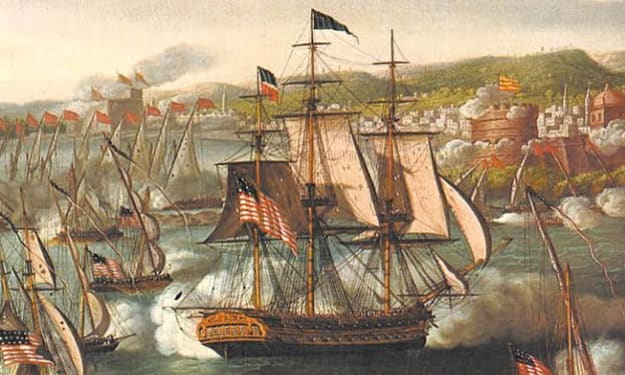
The Barbary Pirates
The Barbary Pirates, also known as the Barbary Corsairs or Ottoman Corsairs, were a group of North African pirates and privateers who operated along the Mediterranean coastline during the late 16th to the early 19th centuries. Infamous for their raids on European and American ships, the Barbary Pirates played a significant role in shaping the geopolitical landscape of their time.
By Stella omos 3 years ago in History
Africa's Natural Resources: A Wealth of Diversity and Potential
Introduction Africa, often referred to as the "Mother Continent," is renowned for its stunning landscapes, rich cultural heritage, and abundant natural resources. With its vast reserves of minerals, metals, oil, and fertile land, the continent plays a pivotal role in global resource supply. This article delves into the diverse array of natural resources found in Africa, highlighting their significance, challenges, and the potential they hold for the continent's sustainable development. Mineral Wealth Africa boasts an extraordinary wealth of mineral resources that have shaped economies and industries worldwide. The continent is a leading global producer of minerals such as gold, diamonds, platinum, and manganese. South Africa, in particular, stands as a key player in the mining sector, with its Witwatersrand Basin hosting the world's largest known gold reserves. However, the mining industry often faces challenges, including environmental concerns, conflicts over resource ownership, and the need for equitable distribution of benefits to local communities. Oil and Gas Reserves Africa's oil and gas reserves are critical drivers of its energy sector and the global energy market. Countries such as Nigeria, Angola, and Algeria hold significant oil reserves, contributing to global oil supply. While oil revenue has the potential to bolster economies, it also brings challenges like corruption, mismanagement, and environmental degradation. Diversifying economies beyond oil dependency remains a pressing need to ensure long-term sustainable development. Agricultural Abundance The continent's fertile lands and diverse climates support a wide range of agricultural activities. From cocoa in Ghana to coffee in Ethiopia, Africa's agricultural products are vital for both local consumption and international trade. However, inadequate infrastructure, limited access to modern farming techniques, and land degradation pose hurdles to unlocking the full potential of African agriculture. Investment in agricultural innovation and sustainable practices is crucial for food security and economic growth. Renewable Energy Potential Africa's renewable energy potential is immense, thanks to abundant sunlight, wind, and hydroelectric resources. Solar energy projects, such as Morocco's Noor Ouarzazate Solar Complex, demonstrate the continent's commitment to harnessing sustainable energy sources. Access to electricity remains a challenge for many African communities, and leveraging renewable energy can bridge this gap while mitigating the environmental impact of traditional fossil fuel consumption. Biodiversity and Wildlife Africa's biodiversity is unparalleled, encompassing a wide range of ecosystems from savannas to rainforests. The continent is home to iconic wildlife species like elephants, lions, and rhinos. Safeguarding this biodiversity is vital for ecological balance and the thriving tourism industry. Conservation efforts, community engagement, and combating illegal wildlife trade are critical to ensuring the longevity of these precious resources. Challenges and Sustainable Development Despite its wealth of resources, Africa faces numerous challenges in effectively managing and benefiting from its natural assets. Poor governance, corruption, inadequate infrastructure, and lack of value addition in resource processing hinder progress. Environmental degradation, driven by unsustainable resource extraction, further exacerbates these challenges. To achieve sustainable development, African nations must focus on several key areas: 1. Transparency and Good Governance: Enhancing transparency and accountability in resource management can help curb corruption and ensure that resource revenues are reinvested for the public good. 2. Investment in Education and Innovation: Equipping the workforce with relevant skills and knowledge is crucial. Investing in education, technology, and research can drive innovation and facilitate value addition in resource processing. 3. Community Engagement: Involving local communities in resource management decisions fosters a sense of ownership and ensures that benefits are shared equitably. 4. Environmental Conservation: Implementing sustainable resource extraction practices, protecting ecosystems, and promoting eco-friendly technologies are vital for long-term environmental health. 5. Diversification: Economic diversification beyond reliance on a single resource can make economies more resilient to fluctuations in global markets. Conclusion Africa's natural resources are a source of immense potential and promise for the continent's growth and development. From minerals to renewable energy sources, these resources are drivers of economic progress and innovation. However, to fully harness their benefits, African nations must address challenges related to governance, environmental sustainability, and equitable distribution of wealth. By implementing responsible and forward-looking policies, Africa can utilize its natural resources as a catalyst for sustainable development, ensuring a prosperous future for its people and the world.
By Abbaty Sambo3 years ago in History
FORTRESS LOVE
Fortress Love Chapter 1: The Enchanted Citadel In a distant land, nestled amidst lush green meadows and towering mountains, stood the magnificent Citadel of Amoria. This fortress, with its grandiose architecture and enchanting aura, held a magical secret known to only a chosen few.
By Eye Timothy3 years ago in History